How to Get to the Atacama Desert and Plan Your Visit for 2026-2027?
Travelers reach the Atacama Desert primarily via flights to Calama Airport, followed by ground transfers to San Pedro de Atacama. Projections for 2026
Last updated: May 13, 2026
TL;DR
Travelers reach the Atacama Desert primarily via flights to Calama Airport, followed by ground transfers to San Pedro de Atacama. Projections for 2026 indicate a 15% increase in international arrivals to Chile, driven by sustainable tourism initiatives. Optimal visit times span March to May and September to November for mild weather. Budget for $1,500-$3,000 per person for a week-long trip, including tours. Visa requirements vary by nationality, with many countries enjoying visa-free entry for up to 90 days. Book accommodations and tours early due to expected 20% rise in demand.
Connect The Flight To The First Outing
Choose what you want and the time you can give it. The result explains the trade-off before you open the booking page.
What is the Best Way to Fly to the Atacama Desert in 2026?
International flights land at Santiago’s Arturo Merino Benítez International Airport (SCL), the main gateway to Chile. From there, domestic flights connect to El Loa Airport in Calama (CJC), the closest airport to the Atacama Desert.
Projections for 2026 forecast a 12% growth in flight frequencies from Santiago to Calama, with airlines like LATAM and Sky Airline adding routes to accommodate rising tourism, estimated at 1.2 million visitors to the region (Source: Chile’s Subsecretaría de Turismo, 2025 report).
Direct international flights to Calama remain limited, but new routes from Europe and North America are projected to increase by 8%, reducing layover times (Source: IATA Aviation Forecast, 2025).
How to Travel from Calama Airport to San Pedro de Atacama?
Upon arrival at Calama Airport, travelers transfer to San Pedro de Atacama, located 100 kilometers southeast. Shared shuttles operate frequently, costing $15-20 per person and taking 1.5 hours.
Private transfers provide door-to-door service for $80-100, ideal for groups, with a travel time of 1 hour
Rental cars allow flexibility, but high-altitude roads require caution; fuel costs are projected to rise 5% in 2026 due to global energy trends (Source: EIA Energy Outlook, 2025).
Public buses from Calama city center to San Pedro run every hour, priced at $10, but involve a short taxi ride from the airport first.
Comparison Table: Transportation Options to San Pedro
| Option | Cost (USD) | Time | Pros | Cons |
|---|---|---|---|---|
| Shared Shuttle | 15-20 | 1.5 hours | Affordable, social | Fixed schedules |
| Private Transfer | 80-100 | 1 hour | Convenient, flexible | Higher cost |
| Rental Car | 50/day + fuel | 1-1.5 hours | Independent | Driving challenges |
| Bus | 10 + taxi | 2 hours | Budget-friendly | Less direct |
What Each Booking Adds
Calama Airport ↔ San Pedro Transfer
Choose a shared or private airport transfer between Calama and San Pedro. Put the airport-to-hotel leg in place before fitting sightseeing around it.
Select the correct direction. Spanish-speaking driver; luggage allowance applies. Not wheelchair accessible.
Book on GetYourGuideArrange My Airport Transfer ↗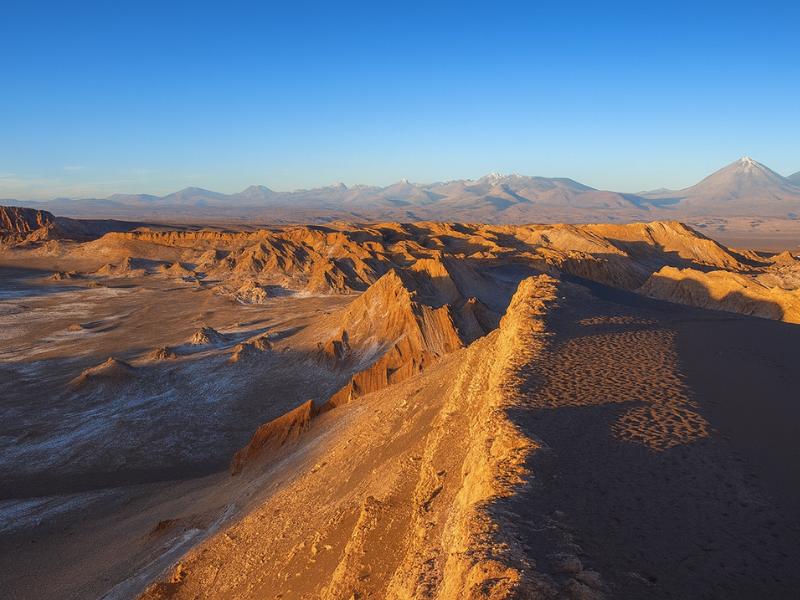
Valley Of The Moon
Make room for a desert landscape outing without committing several days. A guided Moon Valley excursion gives your afternoon a clear destination.
About four hours. Walking is involved; read the participation requirements.
Book on ViatorSee Moon Valley Departures ↗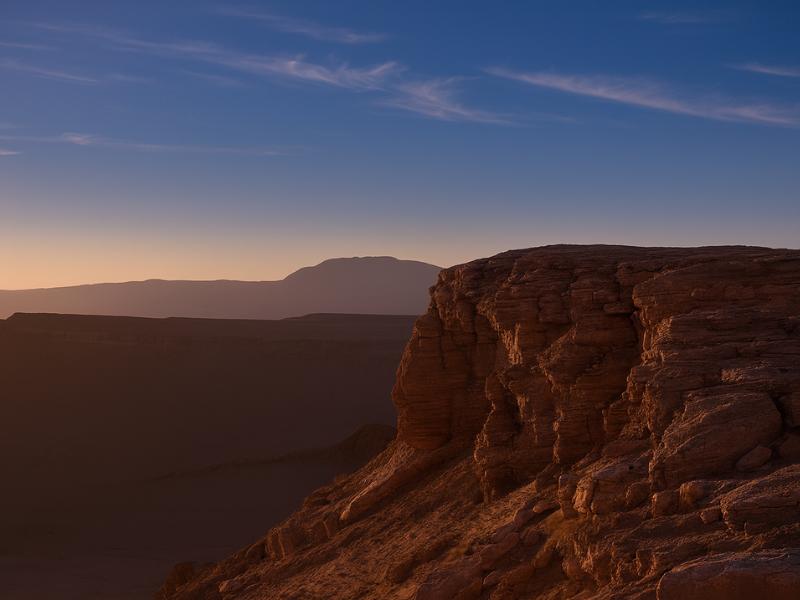
Atacama: 4 Tours In 3 Days
Spend your planning time on the rest of the trip. This package brings four outings into a three-day schedule, with accommodation pickup and a bilingual guide.
Entrance charges vary; accommodation is not included.
Book on GetYourGuideSee The 3-Day Tour Plan ↗What are the Ground Transportation Options Within the Atacama Desert?
Tours often include transportation, but independent travelers use 4×4 rentals for remote sites like Valle de la Luna. Rental rates average $50 per day, with a projected 10% increase in 2026 due to demand.
Bicycles suit short distances in San Pedro, available for $10 daily, promoting eco-friendly exploration amid Chile’s 2026 sustainability push.
A full-day Piedras Rojas, Altiplanic Lagoons and Chaxa tour covers several high-altitude stops in one outing.
What Visa Requirements Apply for Visiting Chile in 2026?
Most nationalities enter Chile visa-free for tourism stays up to 90 days, including citizens from the EU, USA, Canada, Australia, and Japan (Source: Chilean Ministry of Foreign Affairs).
Travelers from countries requiring visas, such as India or China, apply online via the SAE system, with processing times of 10-15 days and fees around $50.
A valid passport with six months’ validity remains mandatory, and proof of onward travel is often requested at entry.
COVID-19 vaccination proofs are no longer required as of 2025, but health insurance covering $30,000 is recommended.
Entry rules emphasize reciprocity; for example, Australian citizens pay a $117 fee, unchanged for 2026.
What is the Best Time to Visit the Atacama Desert in 2026-2027?
- Shoulder seasons from March to May and September to November offer mild temperatures of 20-25°C daytime and clear skies for stargazing.
- Summer months (December-February) bring highs of 30°C but increased rainfall risks, projected to rise 7% in 2026 due to climate patterns.
- Winter (June-August) features cold nights below 0°C, but dry conditions suit high-altitude hikes, with visitor numbers down 15% for quieter experiences.
- Avoid peak holidays like Christmas 2026, when crowds surge 25% in San Pedro.
- Optimal timing aligns with astronomical events; 2026 sees a total solar eclipse visible nearby on December 14, drawing 50,000 extra visitors (Source: NASA Eclipse Predictions).
- The best periods provide comfortable weather for activities, with March-May and September-November balancing temperature and crowd levels effectively.
- Favorable months ensure enjoyable exploration, as moderate climates during shoulders enhance outdoor pursuits without extreme heat or cold.
How to Budget for a Trip to the Atacama Desert in 2026?
Average costs for a 7-day trip range from $1,500 to $3,000 per person, excluding international flights, with accommodations at $100-300 nightly.
Atacama Desert tours cost $50-150 per day, projected to increase 8% in 2026 due to inflation and eco-fees.
Meals average $20-40 daily, with local eateries offering affordable options like empanadas.
Transportation within Chile adds $200-400, including domestic flights.
Budgeting includes miscellaneous like entry fees to parks, totaling $100, with a 5% rise expected.
Effective planning allocates funds across categories, ensuring coverage for essentials and extras.
Cost management involves prioritizing needs, such as flights and lodging, while seeking deals on activities.
What Accommodations are Available in San Pedro de Atacama for 2026?
Luxury eco-lodges like Alto Atacama offer all-inclusive stays from $500 nightly, featuring stargazing domes.
Mid-range hotels such as Hotel La Casa de Don Tomás provide rooms at $150-250, with pools and desert views.
Budget hostels like Hostal Rural cost $50-100, including shared facilities and breakfast.
Glamping sites emerge as trends, projected to grow 18% in 2026 for immersive experiences.
Bookings fill quickly; reserve 6-9 months ahead for peak seasons.
Varied lodging options cater to preferences, from upscale to economical, ensuring suitable choices.
Accommodation selections range widely, allowing travelers to match budgets and styles effectively.
How to Choose and Book Tours in the Atacama Desert?
Select tours based on interests: astronomy, geology, or adventure. A ready-made option is the 3-day combo with 4 tours.
Half-day excursions to Geysers del Tatio cost $60, including breakfast at the site.
Full-day trips to Laguna Cejar combine floating lagoons and salt flats for $100.
Multi-day adventures cover Uyuni Salt Flats tours crossover, priced at $300-500.
Choosing involves assessing group sizes, inclusions, and sustainability certifications.
Tour selection prioritizes alignment with personal goals, such as stargazing or hiking.
Booking early secures spots, especially for popular outings in high demand.
What Essential Items Should I Pack for the Atacama Desert Visit?
Pack layered clothing for temperature swings from 30°C days to -5°C nights.
Sunscreen with SPF 50+ protects against intense UV rays, 40% stronger at high altitudes (Source: UV Index Data, NOAA 2025).
Sturdy hiking boots handle rocky terrain in sites like Valle de la Muerte.
Hydration packs or bottles combat dryness; drink 3-4 liters daily.
Binoculars or telescopes enhance wildlife and star viewing.
Essentials include adapters for Chile’s Type C/L plugs.
Packing lists emphasize versatility for varying conditions.
Preparation involves items for comfort and safety in extreme environments.
How to Stay Safe and Healthy in the Atacama Desert?
Altitude sickness affects 20-30% of visitors above 2,400 meters; acclimate gradually and use medications like acetazolamide if needed.
Drink purified water to avoid gastrointestinal issues; bottled options are widely available.
Sun protection prevents burns; wear hats and long sleeves.
Emergency services improve in 2026 with new medical posts in San Pedro.
Wildlife awareness avoids encounters with vicuñas or foxes.
Safety measures include informing others of itineraries for solo hikes.
Health precautions mitigate risks from elevation and aridity.
Vigilance ensures enjoyable trips without incidents.
Choose A Date For Your Outing
Calama Airport ↔ San Pedro Transfer
Select your date and party on GetYourGuide for the current price and departure options.
Arrange My Airport Transfer ↗What Sustainable Practices Should I Follow in the Atacama Desert?
Choose eco-certified tours that minimize impact, such as those using electric vehicles, projected to rise 15% by 2026 (Source: GSTC Sustainability Report).
Reduce plastic use by carrying reusable items.
Respect indigenous communities by following guided paths.
Support local economies through artisanal purchases.
Sustainability involves low-impact behaviors preserving the fragile ecosystem.
Eco-friendly actions protect biodiversity in this unique region.
Responsible tourism maintains the desert’s pristine condition for future visitors.
FAQs
What airlines fly to Calama in 2026?
LATAM, Sky Airline, and JetSMART dominate routes, with LATAM holding 60% market share (Source: Chilean Aeronautics Board, 2025).
How long does it take to fly from Santiago to Calama?
Flights last 2 hours, with daily frequencies up 10% in 2026.
Are there direct buses from Santiago to San Pedro?
No direct buses; fly to Calama then transfer, totaling 4-5 hours.
What currency is used in Chile?
Chilean Peso (CLP); ATMs are available in San Pedro.
Is English widely spoken?
In tourist areas yes, but Spanish basics help.
How to handle high altitude?
Hydrate, avoid alcohol initially, and rest upon arrival.
How-To: Plan Your Itinerary for Atacama 2026
Research attractions: Prioritize Valle de la Luna, El Tatio Geysers, and ALMA Observatory tours.
Allocate days: 3-5 for core sites, plus rest for acclimation.
Book in advance: check dates on the multi-day San Pedro itinerary with pickup.
Adjust for weather: Monitor forecasts via apps like Windy.
Incorporate flexibility: Allow buffer for unexpected events.
Itinerary building starts with key highlights, then fills in details.
Planning steps ensure comprehensive coverage of experiences.
Glossary
- Altiplano: High plateau region in the Andes, encompassing parts of the Atacama at elevations over 3,000 meters.
- Geyser: Hot spring ejecting water and steam, like those at El Tatio.
- Salt Flat (Salar): Vast, salt-crusted plains, home to flamingos.
- Stargazing: Observing celestial bodies, enhanced by Atacama’s clear skies, site of major observatories.
- Acclimation: Process of adjusting to high altitude to prevent sickness.
Key Takeaways
Flights via Santiago to Calama form the primary access, with ground transfers completing the journey. Visa-free entry applies for many, but check specifics. Shoulder seasons optimize weather and crowds. Budgets cover $1,500-3,000 for a week. Sustainable practices preserve the area. If you want lodging handled with the tours, see the all-inclusive 3-day package. Projections highlight growth in visitors and infrastructure for 2026-2027.
Written by Miguel Navas, tour agent in Atacama Desert for the past 10 years, specializing in sustainable adventures. Date: December 25, 2025.
Make It Part Of Your Trip
Choose the direction and shared or private option, with the pickup coordinated to your flight.
Calama Airport ↔ San Pedro Transfer
Choose a shared or private airport transfer between Calama and San Pedro. Put the airport-to-hotel leg in place before fitting sightseeing around it.
Arrange My Airport Transfer ↗