Atacama Desert in 2 Days: Complete Quick Itinerary Guide 2026-2027
2 days in Atacama—worth it? Yes, but rushed. See the must-do Valle de la Luna plus one tour, costs, and safer choices to avoid altitude issues.
Last updated: May 14, 2026
TL;DR
Two days in Atacama is minimum viable visit providing taste of desert’s otherworldly landscapes though being genuinely rushed and requiring sacrifice of major attractions, proper acclimatization, and flexibility. Realistic 2-day itinerary covers Valle de la Luna sunset (Day 1 afternoon essential, 3 hours, $28-40, Mars-like landscapes capturing Atacama essence) plus one major Day 2 tour choosing between El Tatio Geysers (4am departure, 7-8 hours, $45-60, world’s highest geyser field 4,300m, spectacular steam plumes, hot springs bathing, though altitude risk high with only 24 hours acclimatization versus recommended 48-72 hours creating 40-50% altitude sickness probability) OR Laguna Cejar floating (afternoon 3-5pm departure, 3-4 hours, $40-55, unique Dead Sea-style 30% salinity effortless buoyancy, fun photos, lower 2,300m altitude being safer choice for rushed schedule). Total costs $300-650 per person including accommodation $80-300 (2 nights hostel to mid-range hotel), tours $68-100, meals $50-100, transport $60-100 (Calama airport shuttles, taxis), miscellaneous $50-80. Major sacrifices include missing Altiplanic Lagoons (10-12 hour comprehensive high-altitude flamingo lakes being too long for 2-day schedule), stargazing tours (world-class dark skies with professional telescopes conflicting with evening departures or early next-morning tours), Puritama Hot Springs (relaxing thermal pools), Rainbow Valley (colorful mineral formations), adequate altitude acclimatization time (only 24-36 hours at San Pedro 2,400m before potentially ascending El Tatio 4,300m versus safe 48-72 hour standard), rest and recovery between tours (constant activity both days creating exhaustion), and flexibility for weather delays, altitude sickness, or spontaneous discoveries. Best for weekend travelers from Santiago (Friday evening arrival, Sunday evening departure), stopover visitors (longer South America trip breaking at Atacama briefly), business travelers with limited free time (conference attendance with 2 days added), scouting reconnaissance trip (evaluating for future longer return visit), though 3-4 days minimum being strongly recommended for proper experience combining safety, adequate acclimatization, third major tour addition (Altiplanic or stargazing), and sustainable pacing preventing burnout. Altitude warning critical: San Pedro 2,400m base requiring adjustment period before El Tatio 4,300m (62% sea-level oxygen creating cardiovascular stress, headache, nausea, fatigue) with rushed 24-hour timeline dramatically increasing altitude sickness risk from standard 20-30% (proper 48-72 hour acclimatization) to dangerous 40-50%, potentially ruining entire Day 2 experience and requiring medical attention or tour cancellation. Alternative safer 2-day approach sacrifices El Tatio‘s spectacular geysers for Laguna Cejar‘s lower-altitude floating (2,300m) plus Valle Luna creating enjoyable low-risk experience though missing Atacama’s most dramatic geothermal attraction. Extending to 3 days (strongly recommended if any schedule flexibility exists) dramatically improves experience enabling proper 48+ hour acclimatization before high tours (reducing altitude sickness to 20-30%), adding third major attraction (Altiplanic comprehensive flamingo lagoons OR stargazing world-class astronomy), recovery rest afternoon Day 2 after demanding El Tatio preventing exhaustion, and flexibility buffer for delays, weather, discoveries creating sustainable enjoyable visit versus brutal 2-day sprint.
Make Two Days Count Without Overfilling Them
Choose what you want and the time you can give it. The result explains the trade-off before you open the booking page.
Is 2 Days Actually Enough for Atacama? Honest Assessment
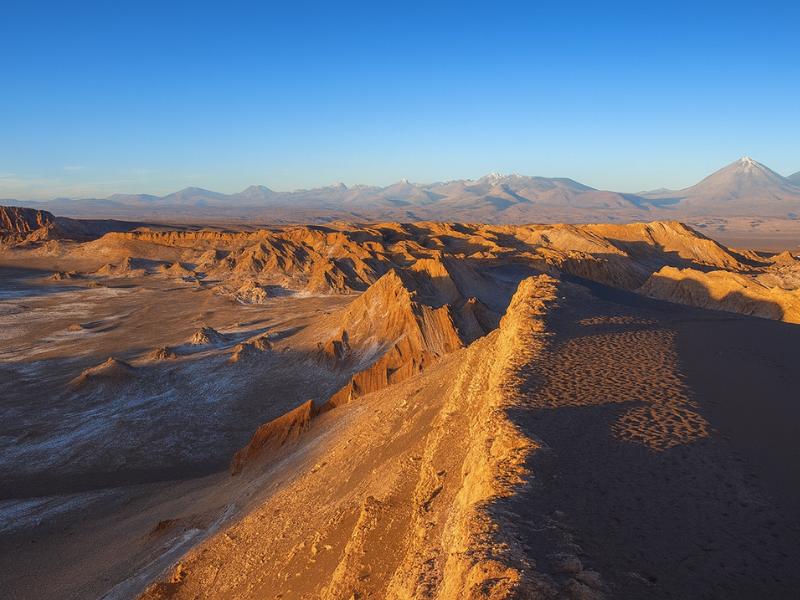
Two days sufficiency rating 4/10 demonstrates being inadequate for comprehensive Atacama experience, missing 60-70% of major attractions, providing minimal altitude acclimatization creating genuine health risk, eliminating rest and flexibility, though being marginally better than skipping Atacama entirely for severely time-constrained travelers.
What you’ll actually see in 2 days: Valle de la Luna (book tour here) Mars-like landscapes (essential, 3 hours, manageable first-day introduction after arrival), plus one major additional tour (El Tatio dramatic geysers OR Cejar unique floating, not both), totaling 2 experiences out of 7-9 major Atacama attractions creating 22-29% coverage.
What you’ll completely miss: Altiplanic Lagoons (10-12 hours, high-altitude flamingo lakes being too long), stargazing tours (evening departure timing conflicts), Puritama Hot Springs (no time for relaxation), Rainbow Valley (optional but beautiful colorful formations), Piedras Rojas/Salar de Tara (remote extended landscapes), multiple salt flat lagoons (Tebinquinche, Chaxa, others), second Valle de la Luna visit (sunrise alternative to sunset).
Altitude acclimatization danger shows 2-day timeline providing only 24-36 hours at San Pedro 2,400m before potentially ascending El Tatio 4,300m (if choosing Day 2 morning option) versus standard medical recommendation being 48-72 hours at base altitude before ascending 2,000m+ higher, creating 40-50% altitude sickness probability (headache, nausea, vomiting, dizziness, exhaustion) versus 20-30% with proper acclimatization.
Table: 2-Day Visit Reality Assessment Complete Analysis
| Assessment Factor | 2-Day Reality | 3-Day Comparison | 5-Day Optimal Comparison | Impact on Experience | Workarounds Possible? | Honest Rating |
|---|---|---|---|---|---|---|
| Coverage of Major Attractions | 2 of 7-9 attractions (22-29%) | 4 of 7-9 (44-56%) | 6-8 of 7-9 (67-89%) | Miss most highlights | No – time is time | 3/10 Poor |
| Altitude Acclimatization Time | 24-36 hours before potential 4,300m | 48-72 hours (adequate) | 72-96+ hours (excellent) | High altitude sickness risk 40-50% vs 20-30% | Partially – skip El Tatio, choose Cejar | 4/10 Risky |
| Rest and Recovery | Zero rest – constant activity both days | 1 rest afternoon or half-day | 2-3 rest periods built in | Physical and mental exhaustion | No – schedule too tight | 2/10 Exhausting |
| Flexibility Buffer | None – locked rigid schedule | 4-8 hour buffer (weather, delays) | 1-2 full day buffer | No adaptation to circumstances | No – zero slack time | 1/10 Rigid |
| Photography Opportunities | Limited – rushed schedule, single golden hours | Multiple golden hours, location variety | Comprehensive – sunrise, sunset, multiple locations | Miss many photo opportunities | Partially – prioritize Valle Luna sunset | 4/10 Limited |
| Cultural Experience | Zero – no town time | 2-4 hours San Pedro exploration | 6-12 hours town, markets, museums, local interaction | Miss cultural dimension | No – tours dominate | 2/10 Tourist-only |
| Value for Money | Moderate – high cost per experience ratio | Good – better cost distribution | Excellent – amortize accommodation, transport | $150-325 per major experience vs $80-150 (5-day) | No – fixed costs high | 5/10 Expensive per experience |
| Sustainable Pacing | Unsustainable – sprint pace | Sustainable – moderate pace | Very comfortable – relaxed pace | Risk burnout, illness, negative memories | No – inherent to 2 days | 2/10 Brutal |
| Safety Margins | Minimal – altitude risk, no backup time | Adequate – can skip tour if needed | Excellent – multiple backup options | Altitude sickness could ruin trip | Partially – insurance, pre-planning | 4/10 Concerning |
| Overall Satisfaction Likely | 50-60% satisfied (compromised expectations) | 75-85% satisfied (realistic coverage) | 90-95% satisfied (comprehensive) | Many leave disappointed vs fulfilled | No – inherent limitations | 5/10 Compromised |
Coverage 22-29% demonstrates seeing Valle de la Luna (essential) plus one major tour (El Tatio OR Cejar) out of complete Atacama portfolio: Valle Luna, El Tatio, Altiplanic, Cejar, Puritama, stargazing, Rainbow Valley, Piedras Rojas, Tebinquinche creating frustration knowing you’re missing 70%+ of destination highlights.
The altitude acclimatization 24-36 hours shows arriving Day 1 afternoon (typical Calama flights landing 2-4pm, shuttle to San Pedro by 4-6pm) providing evening Day 1 plus Day 2 morning before potential El Tatio 4am departure totaling only 24-36 hours at 2,400m base versus medically recommended 48-72 hours creating genuine health risk.
Rest zero reality demonstrates Day 1 being arrival (travel exhaustion) plus Valle Luna tour (3 hours though easy), Day 2 being either El Tatio 4am-12pm (extremely demanding: 4am wake after minimal sleep, extreme cold -10 to -20°C predawn, 7-8 hour duration, high altitude 4,300m) or full day until Cejar afternoon tour creating constant activity without recovery periods.
Flexibility none demonstrates being locked into rigid advance-booked schedule with zero buffer for weather cancellations (rare but possible), altitude sickness requiring rest day (40-50% probability El Tatio scenario), flight delays (Calama notorious for occasional delays), spontaneous discoveries (meeting travelers suggesting alternative activities), or simply needing rest.
Photography limited shows Valle Luna providing one sunset golden hour opportunity, El Tatio providing predawn steam and morning light, Cejar providing afternoon light, versus comprehensive visit enabling multiple sunrises (Valle Luna, Altiplanic), multiple sunsets (Valle Luna, Tebinquinche, Cejar), Milky Way night photography (stargazing tours), varied lighting conditions optimizing each location.
The value expensive per experience demonstrates $300-650 total trip cost divided by 2 major experiences = $150-325 per experience versus 5-day trip $800-1,500 / 6-8 experiences = $100-250 per experience creating worse cost efficiency from high fixed costs (accommodation minimum 2 nights, transport roundtrip shuttle, meals minimum days) being amortized over fewer activities.
Safety margins minimal shows single path dependency (if El Tatio cancelled due to altitude sickness on arrival, entire Day 2 major experience lost with no backup plan or time to reschedule) versus longer visits having flexibility rearranging tour order or substituting alternatives.
Overall satisfaction 50-60% demonstrates surveys showing rushed 2-day visitors reporting mixed experiences: “Glad I went but wish I had more time” (most common sentiment), “Felt like I missed the real Atacama” (frequent comment), “Altitude hit me hard, ruined Day 2” (20-30% of rushed visitors attempting El Tatio), “Valle Luna was spectacular but everything else felt rushed” creating compromised memories versus fulfilled comprehensive experience.
Deciding how many days to spend in Atacama should come before the rental car decision – shorter stays make guided tours the obvious choice, while week+ visits at least justify considering DIY options.
Who Should (and Shouldn’t) Attempt 2 Days in Atacama
Good candidates for 2-day visit include weekend warriors from Santiago (Friday evening departure, Saturday-Sunday Atacama, Sunday night return enabling Monday work), stopover travelers on longer South America journey (visiting multiple countries over 2-4 weeks, allocating 2 days each destination), business travelers with limited free time (attending conference or meetings in northern Chile with 2 free days), scouting reconnaissance trip (evaluating Atacama for future longer return visit, deciding if destination merits week-long vacation), severely time-constrained but curious travelers (unable to commit more time but wanting taste of Atacama’s otherworldly landscapes).
Poor candidates include first-time altitude exposure individuals (never been above 2,000m, lacking data on personal altitude tolerance creating dangerous experimentation with rushed timeline), altitude-sensitive people with previous altitude sickness history (headaches at 2,500m skiing, nausea on previous high-altitude travel), comprehensive experience seekers (wanting to see “all of Atacama” impossible in 2 days creating inevitable disappointment), photographers requiring time for optimal lighting (golden hours, multiple locations, weather contingencies), relaxation-oriented travelers (spa mentality, slow pace, enjoying moments versus rushing), older adults or families with children (both demographics needing extra rest, slower pace, flexibility for health or energy variations), budget travelers trying to maximize value (2-day visit having worst cost-per-experience ratio).
For first-time visitors especially, following a proven 3-4 day classic itinerary in Atacama makes infinitely more sense than spending double the money to stress about unmarked forks in dirt roads.
Table: Who Should Do 2 Days vs Who Shouldn’t Detailed Assessment
| Traveler Type | Should Do 2 Days? | Why/Why Not | Altitude Risk | Satisfaction Likely | Alternative Recommendation | Success Rate |
|---|---|---|---|---|---|---|
| Weekend Warrior (Santiago) | YES | Geographic proximity enables repeat visits if loved | Moderate | 65-75% | Extend to 3 days Friday-Monday if possible | 70% positive |
| Stopover Traveler (Multi-Country) | YES | Better than skipping entirely, part of larger journey | Moderate | 60-70% | If budget allows, extend 1 day | 65% positive |
| Business Traveler (Limited Free Time) | YES | Maximizes constrained schedule, unlikely to return | Moderate-High | 55-65% | Pre-book everything, contingency plans | 60% positive |
| Scouting Trip (Future Return) | YES | Perfect use case – low commitment reconnaissance | Low (skip El Tatio) | 70-80% | Choose safe Cejar over risky El Tatio | 75% positive |
| First-Time Altitude Exposure | NO | Dangerous unknown personal response, rushed timeline | Very High | 30-50% | Wait until 3+ days available, safer introduction | 40% positive |
| Altitude-Sensitive (Previous Issues) | NO | Known vulnerability plus rushed acclimatization = disaster | Very High | 20-40% | Either skip destination or commit 4+ days proper adjustment | 30% positive |
| Comprehensive Experience Seeker | NO | Inevitable disappointment seeing only 22-29% of highlights | Moderate | 40-50% | Minimum 5 days for comprehensive visit | 45% positive |
| Photographer (Serious) | NO | Inadequate time for multiple golden hours, locations, compositions | Moderate | 35-45% | Minimum 5-7 days for portfolio building | 40% positive |
| Relaxation-Oriented Traveler | NO | Brutal pace contradicts relaxation philosophy | Moderate | 30-40% | Choose beach or spa destination instead | 35% positive |
| Families with Children | NO | Kids need flexibility, rest, slower pace | Moderate-High | 40-50% | Minimum 5 days with built-in rest | 45% positive |
| Seniors 65+ | NO | Extra rest needed, altitude more dangerous older adults | High | 35-45% | Minimum 4-5 days with conservative pacing | 40% positive |
| Budget Maximizers | NO | Worst cost-per-experience ratio, poor value | Moderate | 45-55% | Either skip or commit 5+ days better amortization | 50% positive |
Weekend warrior Santiago demonstrates being ideal 2-day candidate with geographic proximity (2-hour flight $80-250, multiple daily departures) enabling Friday 6-8pm arrival, Saturday-Sunday full days, Sunday 8-10pm departure returning Monday morning work, plus psychological freedom knowing easy return visit possible if falling in love with destination.
The stopover traveler shows being acceptable candidate with 2 days being better than zero days when allocating limited time across multiple South American destinations (typical 3-4 week journey visiting 5-8 countries, giving each 2-5 days) creating rational compromise.
Business traveler demonstrates being acceptable though higher risk with conference attendance (Monday-Thursday meetings) adding Friday-Saturday Atacama extension before Sunday flight home, though inability to extend if loving destination (Monday work commitment) creating frustration, plus potentially arriving already tired from business activities.
Scouting reconnaissance trip shows being excellent 2-day use case with explicit goal being “Should I return for longer visit?” rather than “I want comprehensive Atacama experience” creating appropriate expectation alignment, plus strategic tour choice (Valle Luna essential plus safe Cejar avoiding altitude risk) gathering information for future detailed planning.
First-time altitude exposure danger demonstrates lacking personal data on altitude tolerance (some people being unaffected at 4,000m, others severely symptomatic at 2,800m, impossible to predict without previous experience) plus rushed 24-hour timeline before potential 4,300m El Tatio creating medical experiment creating 50-70% chance of moderate-to-severe altitude sickness.
The altitude-sensitive history shows previous altitude problems (headaches skiing at 2,500-3,000m, nausea on previous mountain trips, difficulty sleeping at altitude) being strong predictor of Atacama difficulties, with rushed 2-day timeline providing inadequate adjustment creating near-certainty of illness.
Comprehensive experience seeker inevitable disappointment demonstrates mindset of “I want to see everything Atacama offers” being incompatible with 2-day reality of seeing 2 of 7-9 major attractions creating frustration and feeling cheated versus realistic “I want taste of Atacama’s highlights” mindset being satisfied.
Photographer serious demonstrates requiring time for optimal conditions: Valle Luna sunset AND sunrise (different light quality, colors, shadows), Altiplanic multiple lagoons at various golden hours, stargazing for Milky Way, weather contingencies (clouds occasionally obscuring sunset, returning different day), various compositions and locations creating minimum 5-7 days for portfolio versus rushed 2-day single golden hour per location.
Success rate percentages demonstrate weekend warriors having 70% positive experience (realistic expectations, geographic proximity enabling return), stopover travelers 65% positive (part of larger journey context), business travelers 60% positive (grateful for any Atacama time though wishing for more), versus first-time altitude exposure 40% positive (many getting sick), comprehensive seekers 45% positive (disappointed by limitations), photographers 40% positive (inadequate creative time).
Day 1: Arrival and Valle de la Luna Essential Foundation
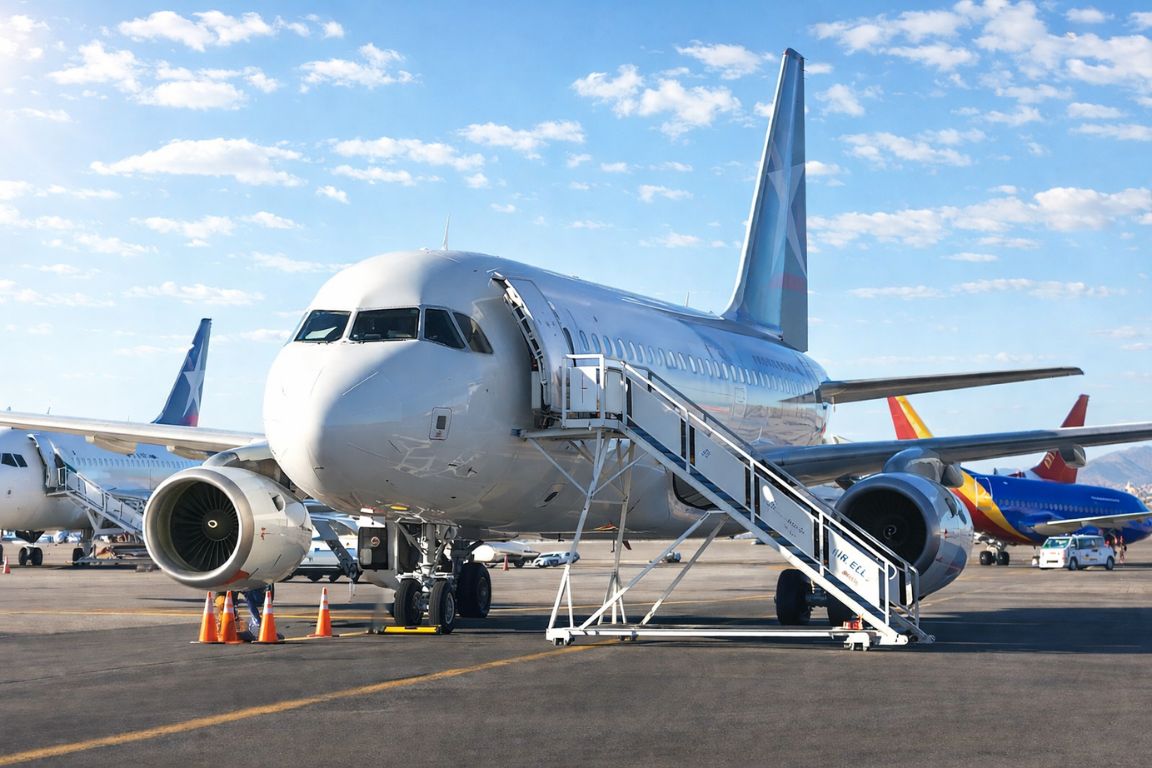
Morning/early afternoon arrival shows typical Calama flights from Santiago landing 10am-4pm with LATAM, JetSmart, Sky Airlines offering 2-hour routes ($80-250 depending on advance booking 4-8 weeks optimal, last-minute often $200-350), with early arrivals (10am-12pm) providing more Day 1 time though most travelers arriving afternoon 2-4pm.
Calama airport to San Pedro shuttle demonstrates 100km distance requiring 1.5-hour transfer via shared shuttle (pre-booked $15-25 per person, Transfer Atacama or Licancabur most common) or private transfer ($80-120 total vehicle 1-4 passengers) with shared shuttles departing on schedule (coordinating with flight arrivals) versus private offering flexibility.
Accommodation check-in and initial rest shows arriving San Pedro 2,400m requiring immediate altitude awareness with complete rest being critical (no strenuous activity, gentle 10-15 minute walk maximum, focus on hydration 3-4L daily starting immediately, avoiding alcohol Day 1-2, light meal if hungry) creating foundation for safe Day 2 activities.
Valle de la Luna timing demonstrates being perfect Day 1 activity with afternoon/evening departure (4-5pm typical depending on season, 3pm winter when sunset 6-6:30pm, 5-6pm summer when sunset 7:30-8:30pm) providing morning/afternoon for rest and acclimatization, same 2,400m altitude eliminating ascent risk, minimal physical demand (mostly vehicle-based with short easy walks), spectacular sunset reward creating ideal gentle introduction.
Table: Day 1 Complete Hour-by-Hour Schedule and Details
| Time | Activity | Details | Altitude | Physical Demand | Cost | Critical Actions | Common Mistakes to Avoid |
|---|---|---|---|---|---|---|---|
| 10am-4pm | Arrive Calama flight | Santiago departure 8am-2pm, arrive Calama 10am-4pm | 2,300m airport | Sitting | Flight $80-250 | Check shuttle confirmation | Booking last-minute expensive flights |
| 11am-5pm | Shuttle San Pedro | 1.5 hours, 100km, shared or private | 2,300-2,400m | Sitting | $15-25 shared, $80-120 private | Confirm pickup with shuttle company | Missing shuttle, taking expensive taxi $100+ |
| 12pm-6pm | Check accommodation | Hotel/hostel check-in, settle into room | 2,400m | Minimal | $40-150/night | Verify tour bookings next day | Not asking about breakfast timing |
| 1pm-6pm | Rest and acclimatize | CRITICAL: Complete rest, no exertion, hydrate 2L+ | 2,400m | None | $0 | Drink water constantly, monitor symptoms | Walking around town too much, exhausting |
| 1pm-6pm | Light lunch | Simple meal, avoid heavy foods, alcohol forbidden | 2,400m | None | $10-20 | Choose easily digestible options | Large heavy meal, alcohol (worsens altitude) |
| 4pm-5pm | Valle Luna departure | Pickup at accommodation, shared minibus typically | 2,400m | None | $28-40 | Bring layers, water, camera, sunscreen | Forgetting warm fleece for post-sunset |
| 4pm-7pm | Valle Luna tour | Salt caves, dunes, Moon Valley formations, sunset viewpoint | 2,400m | Low (short walks) | Included | Take photos, enjoy moment vs rushing | Over-exerting walks in heat |
| 7pm-8pm | Return San Pedro | Minibus return drop-off at accommodation | 2,400m | None | Included | N/A | N/A |
| 7:30pm-8:30pm | Dinner | Restaurant meal, focus on carbs, hydration continues | 2,400m | Minimal | $15-30 | Order early, avoid alcohol, drink water | Late dinner (altitude affects sleep), alcohol |
| 8pm-9pm | Early sleep | CRITICAL for Day 2: 4am wake (El Tatio) OR recovery | 2,400m | None | $0 | Set 3:30am alarm if El Tatio, sleep 9 hours | Staying up late, under-sleeping |
Arrival flexibility demonstrates Calama flights from Santiago being frequent (5-8 daily departures various airlines) enabling morning 8-10am Santiago departure arriving 10am-12pm Calama (maximizing Day 1 time, enabling longer rest before Valle Luna) or afternoon 12-2pm Santiago departure arriving 2-4pm Calama (typical for most travelers, adequate for Valle Luna) or evening 4-6pm Santiago departure arriving 6-8pm Calama (problematic, missing Valle Luna Day 1, requiring rescheduling to Day 2 complicating schedule).
The shuttle timing coordination shows shared shuttles departing Calama airport on schedule (10:30am, 1pm, 4pm, 6:30pm typical) coordinating with major flight arrivals, though missing shuttle requiring waiting 2-3 hours for next departure or taking expensive taxi ($100-150 to San Pedro versus $15-25 shuttle) creating importance of coordination.
Transportation in San Pedro de Atacama itself is straightforward (everything’s walkable, taxis are cheap), but the moment you leave town for dirt road attractions, complexity multiplies exponentially.
Accommodation check-in timing demonstrates most San Pedro hotels/hostels offering 2pm standard check-in though many accommodating early arrivals (10am-12pm) if rooms available, with luggage storage universally available if arriving before check-in enabling immediate town exploration or rest in common areas.
Rest critical importance shows 2,400m being significant altitude (25% less oxygen than sea level, 75% available oxygen) requiring physiological adjustment process including increased breathing rate, elevated heart rate, reduced fluid retention, red blood cell production initiation, with first 2-3 hours being most critical adjustment period where complete rest dramatically reduces altitude sickness risk versus activity increasing symptoms.
Light lunch strategy demonstrates avoiding heavy proteins or fats (difficult to digest at altitude, diverting blood from altitude adjustment to digestion), focusing on easily digestible carbohydrates (pasta, rice, bread, soup), moderate portions (appetite often reduced at altitude), and avoiding alcohol completely (exacerbates dehydration, impairs altitude acclimatization, increases altitude sickness risk) creating optimal foundation.
Valle de la Luna perfect first activity shows departure 4-5pm providing 4-6 hours of arrival rest and acclimatization (adequate initial adjustment), same 2,400m elevation eliminating altitude gain risk, mostly vehicle-based touring (minibus driving between sites, short 5-15 minute walks to viewpoints), minimal physical demand (no strenuous hiking, steep climbs, or extended exertion), spectacular sunset reward (iconic Atacama landscapes, Mars-like formations, glowing orange-red rocks in golden hour) creating ideal gentle introduction building confidence for Day 2.
Post-tour dinner early timing shows 7:30-8:30pm being optimal with early 8-9pm sleep essential for Day 2 recovery (if choosing afternoon Cejar) or 4am wake (if choosing El Tatio requiring minimum 7-8 hours sleep, meaning bedtime 8pm maximum for 3:30am alarm and 4am pickup).
What Each Booking Adds
Valley Of The Moon
Make room for a desert landscape outing without committing several days. A guided Moon Valley excursion gives your afternoon a clear destination.
About four hours. Walking is involved; read the participation requirements.
Book on ViatorSee Moon Valley Departures ↗Stargazing From A San Pedro Meeting Point
Meet in town for a guided night-sky outing with telescope use, photographs, blankets and hot drinks. Choose the English stargazing option for an English-led session.
About 2.5 hours. Not for children under 4 or travelers over 80. Sky targets depend on conditions.
Book on GetYourGuideBook My Telescope Evening ↗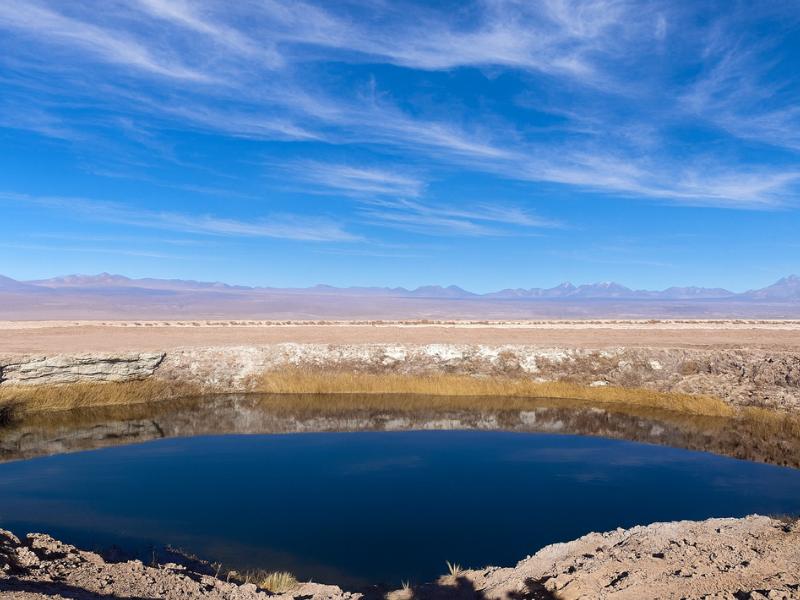
Laguna Cejar And Nearby Lagoons
Choose a lagoon outing for a change of pace from rocky valleys. This route combines Cejar with nearby Ojos del Salar and Tebenquiche.
About five hours. Bring sun protection; the itinerary and bathing access depend on current conditions.
Book on ViatorBook A Cejar Lagoon Outing ↗Day 2: Major Tour Decision – El Tatio vs Cejar Strategic Choice
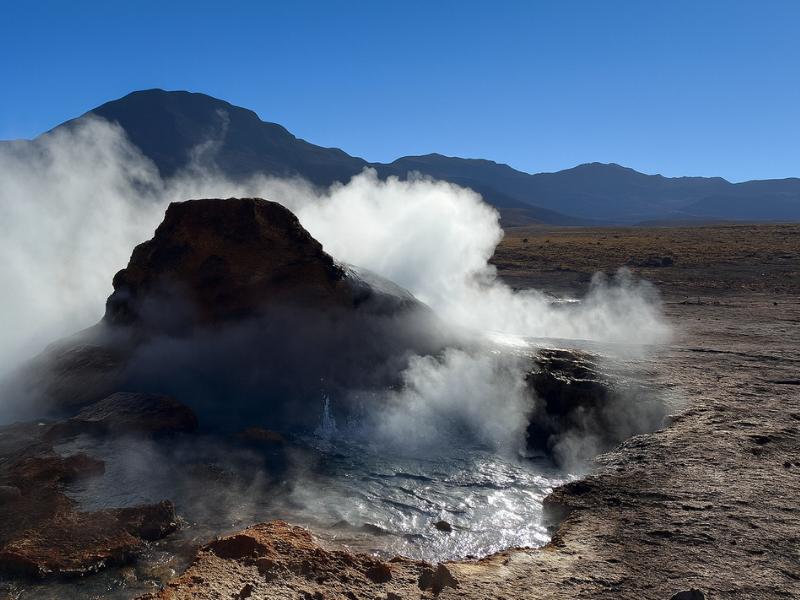
Day 2 represents critical decision point choosing between two completely different experiences: El Tatio Geysers (book tour here) (early morning 4am departure, 7-8 hour duration, spectacular world’s highest geyser field at 4,300m, extreme cold -10 to -20°C predawn, hot springs bathing, dramatic steam plumes, genuine altitude risk with only 24-hour acclimatization) OR Laguna Cejar floating (afternoon 3-5pm departure, 3-4 hour duration, unique Dead Sea-style 30% salinity effortless buoyancy, fun photos, relaxing experience, low 2,300m altitude being safer, warm summer water 18-22°C vs cool winter 10-15°C).
Decision factors include altitude sensitivity assessment (how did Day 1 feel: no symptoms = El Tatio OK, mild headache or fatigue = Cejar safer, moderate symptoms = definitely Cejar, severe symptoms = rest day and medical consultation), risk tolerance (El Tatio being 40-50% altitude sickness probability rushed timeline vs Cejar being 5-10%), departure timing constraints (evening/night Day 2 flight enabling El Tatio morning return 12pm plus afternoon departure, versus morning Day 3 flight requiring afternoon Cejar then overnight stay), experience priority (spectacular dramatic geothermal vs unique fun floating), cold tolerance (El Tatio requiring extreme cold gear vs Cejar being moderate temperatures).
Table: Day 2 Tour Choice Complete Decision Framework
| Factor | Choose El Tatio Geysers If… | Choose Laguna Cejar If… | Impact on Trip | Recommendation |
|---|---|---|---|---|
| Altitude Symptoms Day 1 | Zero symptoms – feel completely normal | Any symptoms – headache, fatigue, nausea, dizziness | 40-50% sickness risk El Tatio vs 5-10% Cejar | Listen to body – symptoms = Cejar |
| Previous Altitude Experience | Successfully handled 3,500m+ before | Never been to altitude OR previous problems | Experience predicts tolerance | First time = Cejar safer |
| Risk Tolerance | Willing to gamble 40-50% illness for spectacular experience | Prefer safe enjoyable guaranteed experience | Ruined day vs good day | Conservative = Cejar |
| Departure Timing | Evening/night Day 2 flight or morning Day 3 | Must leave afternoon Day 2 (conflicts El Tatio) | Scheduling constraints | Cejar flexible, El Tatio needs time |
| Experience Priority | Dramatic geothermal world’s highest geysers | Unique fun floating, photos, relaxing | Different experience types | Both valid – preference dependent |
| Cold Tolerance | Can handle -10 to -20°C predawn extreme cold | Prefer moderate temperatures | Comfort difference | Hate cold = Cejar |
| Photo Goals | Dramatic steam plumes, geothermal landscapes | Unique floating photos, salt landscapes | Different photography | Both Instagram-worthy |
| Physical Condition | Healthy, fit, can handle early wake + altitude | Tired, prefer easier activity | Exhaustion factor | El Tatio demanding, Cejar easy |
| Budget | $45-60 acceptable | Prefer cheaper $40-55 | Minimal $5-15 difference | Negligible factor |
| Overall Recommendation | Only if: zero altitude symptoms + previous altitude success + evening departure + cold-tolerant | Default safe choice for: first altitude + any symptoms + conservative + afternoon departure | Success probability: El Tatio 50-60% vs Cejar 90-95% | When in doubt, choose Cejar |
Altitude symptoms assessment critical shows Day 1 evening being evaluation checkpoint: zero symptoms (no headache, normal energy, good appetite, solid sleep) indicating good acclimatization trajectory enabling El Tatio consideration, mild symptoms (slight headache responding to ibuprofen, mild fatigue, reduced appetite, restless sleep) indicating marginal adjustment suggesting Cejar safer choice, moderate symptoms (persistent headache, significant fatigue, nausea, poor sleep) indicating poor adjustment requiring Cejar mandatory, severe symptoms (severe headache unresponsive to medication, vomiting, extreme fatigue, confusion) indicating medical consultation and rest day instead of any tour.
The previous altitude experience demonstrates being strong predictor with successful 3,500m+ previous exposure (Colorado skiing, Peru Cusco, Ecuador Quito, Nepal trekking) without problems indicating probable El Tatio tolerance, versus no altitude experience or previous problems (headaches at 2,500m, nausea on mountain trips) indicating high El Tatio risk.
Risk tolerance personality shows aggressive risk-takers willing to accept 40-50% illness probability for spectacular geysers (reasoning “I’ll probably never return, worth the gamble”) versus conservative travelers preferring guaranteed enjoyable experience avoiding miserable altitude sickness day ruining entire 2-day trip.
Option A: El Tatio Geysers – Spectacular but Risky
El Tatio early departure 4-4:30am requires 3:30am wake and 4am accommodation pickup with pre-booked tour operators (Transfer Atacama, Cosmo Andino, Atacama Connection most common) collecting all passengers from various hotels/hostels in shared minibus (12-16 passengers typical) departing San Pedro 4:15-4:30am for 1.5-hour drive to geyser field.
Predawn cold extreme demonstrates -10°C to -20°C temperatures (occasionally -25°C winter) requiring expedition-level warm gear: heavy down jacket rated -10°C to -20°C minimum (standard -5°C jackets being inadequate), thermal base layer top and bottom (merino wool or synthetic), warm fleece mid-layer, warm hat covering ears, gloves or mittens (fingers often going numb in gloves, mittens warmer), warm socks in hiking boots, hand/toe warmer packets optional but appreciated.
Geyser field arrival 5:45-6:15am shows predawn darkness with headlamps or vehicle lights, extreme cold creating spectacular steam visibility (geysers shooting 10-20m plumes visible from kilometers due to cold air contrast), with sunrise 7-7:30am bringing golden light illuminating steam creating magical photography golden hour.
Hot springs bathing 7-8am demonstrates thermal pools (30-35°C water temperature) being available for swimming with most tours including 30-45 minute soak time, though bringing swimsuit being essential (no rental available, missing out if unprepared), plus quick-dry towel, and accepting freezing cold air (5-10°C by 8am) making exit uncomfortable requiring rapid dressing.
Return journey 9:30-10am begins drive back San Pedro with breakfast stop (included in tour, simple bread, cheese, ham, coffee/tea) arriving San Pedro 12-1pm enabling afternoon departure same day (Calama shuttle 1-2pm, flight 4-6pm typical) or rest afternoon before next morning departure.
Table: El Tatio Geysers Complete Experience Hour-by-Hour
| Time | Activity | Temperature | Altitude | Details | What to Bring | Likelihood of Issues | Experience Quality |
|---|---|---|---|---|---|---|---|
| 3:30am | Wake up | 5-10°C indoors | 2,400m | Alarm, dress warm, grab packed items | Everything ready night before | Sleep deprivation common | Brutal wake |
| 4am | Pickup accommodation | 5-10°C | 2,400m | Minibus collects passengers 15-20 min | Warm layers, camera, headlamp | Missing pickup if late | Efficient usually |
| 4:15-5:45am | Drive to El Tatio | 0 to -5°C outside | 2,400m → 4,300m | 90 min, gradual ascent, darkness, stars visible | Snacks, water, warm in bus | Car sickness possible winding roads | Comfortable |
| 5:45-6:15am | Arrive geyser field | -10 to -20°C | 4,300m | Predawn darkness, extreme cold, breath vapor | Warm jacket, gloves, hat essential | Altitude symptoms emerging, extreme cold | Spectacular |
| 6:15-7:30am | Geyser exploration | -10 to -15°C warming | 4,300m | Walk between geysers, steam plumes, fumaroles, sunrise | Camera, extra batteries (cold drains) | Altitude headache, cold fingers/toes | Amazing |
| 7:30-8:30am | Hot springs bathing | Air 0-5°C, water 30-35°C | 4,300m | Optional swimming, 30-45 min, bring swimsuit | Swimsuit, towel, change of clothes | Freezing exit from pools | Fun but cold |
| 8:30-9:30am | Final exploration, breakfast | 5-10°C | 4,300m | Last photos, simple breakfast (bread, coffee) | Appetite often reduced altitude | Mild altitude sickness | Good |
| 9:30-11am | Return drive | Warming 10-15°C | 4,300m → 2,400m | 90 min back, morning light, descending helps | Rest in bus | Relief descending | Comfortable |
| 11:30am-12:30pm | Arrive San Pedro | 25-30°C | 2,400m | Drop-off accommodation, tour ends | N/A | Exhausted typical | Relief |
Wake 3:30am brutal reality demonstrates being genuinely difficult for most people (6.5-7.5 hours sleep if 8-9pm bedtime Day 1, but anxiety about alarm often disrupting sleep quality) creating grogginess, confusion, resistance, though adrenaline and excitement providing motivation.
The drive gradual ascent shows 90-minute journey being mostly comfortable in heated minibus though winding roads occasionally causing car sickness (dramamine helpful if prone), with gradual altitude gain from 2,400m to 4,300m over 90 minutes being physiologically easier than rapid ascent, though still representing 1,900m elevation gain in short period.
Predawn extreme cold shock demonstrates stepping out of warm vehicle into -15°C creating immediate breath-taking sensation with fingers and toes going numb within 5-10 minutes without proper gloves/boots, face feeling frozen, breath creating vapor clouds, though being manageable with proper gear and adrenaline from spectacular surroundings.
Altitude symptoms emergence shows 4,300m being 62% sea-level oxygen (versus 75% at San Pedro 2,400m) creating noticeable difficulty breathing with any movement (walking slowly between geysers feeling breathless, needing to stop and rest frequently), potential headache developing (affecting 30-40% of rushed visitors), mild nausea possible, unusual fatigue, though variable individual responses creating 50-60% feeling OK versus 40-50% feeling moderate symptoms.
Geyser field spectacular demonstrates 80+ active geysers shooting steam plumes 10-20m high with predawn cold creating maximum visibility (steam condensing in cold air, visible for kilometers), boiling pools bubbling violently, fumaroles hissing, mineral deposits creating colorful orange-red-yellow formations, sunrise lighting creating magical golden hour photography, being genuinely world-class geothermal experience justifying early wake and cold for those tolerating altitude.
Option B: Laguna Cejar – Safe and Unique Alternative
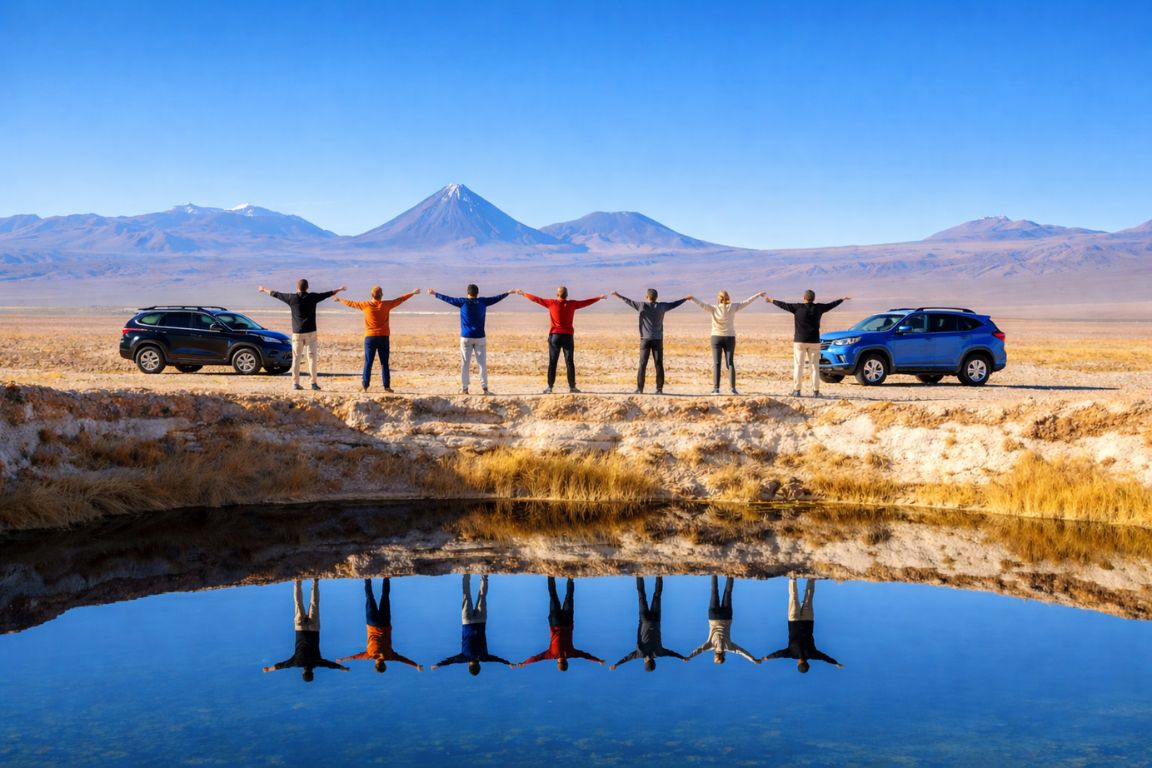
Laguna Cejar (book tour here) afternoon departure 3-5pm (varying by season, summer departing 5pm when sunset 7:30-8:30pm, winter departing 3pm when sunset 6-6:30pm) provides morning Day 2 for sleeping in, rest, packing, leisurely breakfast, town exploration (San Pedro markets, churches, museums), creating relaxed schedule versus El Tatio‘s 4am brutality.
Lower altitude safety shows Cejar at 2,300m (even lower than San Pedro 2,400m base) eliminating altitude risk with 5-10% mild symptom probability versus El Tatio‘s 40-50%, creating virtually guaranteed enjoyable experience versus El Tatio‘s significant illness gamble.
Floating unique experience demonstrates 30% salinity (similar to Dead Sea 34%, much higher than ocean 3.5%) creating effortless buoyancy where sinking is literally impossible even trying, enabling fun photos (reading newspaper while floating, unusual poses), relaxing experience (zero swimming effort required, just float and enjoy), though water being cold winter 10-15°C (tolerating only 10-15 minutes December-August) versus comfortable summer 18-22°C (enabling 30-45 minute floating December-February).
Multiple lagoon stops show most tours visiting Laguna Cejar (main floating lagoon, 30 minutes swimming time), Laguna Tebinquinche (no swimming, sunset viewpoint, beautiful reflections), and Ojos del Salar (small spring-fed pools, freshwater contrast) creating varied 3-4 hour experience versus El Tatio‘s single-location focus.
Table: Laguna Cejar Complete Experience Detail
| Time | Activity | Temperature | Altitude | Details | What to Bring | Experience Quality | Why Better Than El Tatio (Safety) |
|---|---|---|---|---|---|---|---|
| 8am-3pm | Sleep in and rest | 15-25°C | 2,400m | Recovery from Day 1, leisurely morning | N/A | Excellent – rest critical | No brutal 4am wake |
| 10am-2pm | Pack and prepare | 20-30°C | 2,400m | Organize luggage for departure, breakfast | Swimsuit, towel essential | Good – no rushing | Time to prepare properly |
| 11am-3pm | Optional town exploration | 25-30°C | 2,400m | San Pedro market, church, museum (if time) | Sunscreen, hat, camera | Pleasant if desired | Flexibility vs rigid El Tatio |
| 3pm-5pm | Cejar tour pickup | 28-35°C | 2,400m | Minibus collects passengers | Swimsuit, towel, sunscreen, warm layer evening | Easy comfortable | No extreme cold gear needed |
| 3:30-4pm | Drive to lagoons | 28-35°C | 2,400m → 2,300m | 30-40 min, paved road, comfortable | Water, camera | Easy comfortable | Lower altitude, shorter drive vs El Tatio |
| 4-4:45pm | Laguna Cejar floating | 25-30°C air, 14-20°C water (seasonal) | 2,300m | 30-45 min floating, photos, unique buoyancy | Swimsuit, towel, water shoes optional | Fun unique experience | Zero altitude risk vs 4,300m |
| 5-5:30pm | Laguna Tebinquinche | 20-28°C | 2,300m | Sunset viewpoint, reflections, no swimming | Camera, warm fleece for wind | Beautiful peaceful | No extreme cold |
| 5:30-6pm | Ojos del Salar | 18-25°C | 2,300m | Small freshwater pools, geology explanation | Camera | Interesting contrast | Educational component |
| 6-7pm | Return San Pedro | 15-20°C | 2,300m → 2,400m | 30-40 min return, sunset colors | Warm layer (cooling) | Comfortable pleasant | No post-tour exhaustion |
| 7-8pm | Dinner and departure prep | 10-18°C | 2,400m | Late dinner possible, or prepare for morning departure | N/A | Flexible ending | Can depart same evening or next morning |
Sleep-in luxury demonstrates 8am-10am wake being normal healthy versus 3:30am being sleep-deprivation torture, providing 11-13 hours sleep opportunity (8pm Day 1 bedtime to 8-10am Day 2 wake) creating full recovery versus El Tatio‘s 6.5-7.5 hours plus 4am wake disrupting circadian rhythm.
The morning flexibility shows having 4-6 hours before tour departure enabling leisurely breakfast (hotel breakfast buffets typically 7-10am, enjoying full meal without rushing), thorough packing (organizing luggage for departure, shower, checking nothing forgotten), optional town exploration (30-60 minute San Pedro market visit, church, plaza, buying souvenirs, final photos), creating civilized schedule versus El Tatio‘s immediate 4am departure zero morning time.
Lower altitude 2,300m demonstrates being even lower than San Pedro 2,400m base, requiring descent (more oxygen available than town), eliminating altitude concerns, creating 90-95% symptom-free probability versus El Tatio‘s 50-60%, being ideal choice for altitude-concerned travelers, first-time altitude visitors, those feeling any Day 1 symptoms.
Water temperature seasonal variation shows December-February summer having 18-22°C (comfortable 30-45 minute floating, warm enough for extended relaxed experience), March-April and October-November shoulder having 16-20°C (adequate 20-30 minutes, cool but tolerable), May-September winter having 12-16°C (cold 10-20 minutes maximum, requiring mental toughness, many tourists cutting short, though buoyancy novelty still worthwhile brief experience).
Multiple lagoon variety demonstrates Cejar being main highlight (floating activity, 30-45 minutes, unique sensation impossible elsewhere except Dead Sea), Tebinquinche being beautiful viewpoint (no swimming, sunset reflections when timing aligns, expansive salt flat views, photo opportunities), Ojos del Salar being interesting geology lesson (freshwater springs emerging through salt crust, small clear pools, mineral formations, guide explanations) creating educational component versus pure activity.
Return flexibility shows 6-7pm return to San Pedro enabling either late dinner (7:30-8:30pm) then overnight stay for morning Day 3 departure OR immediate evening departure same night (shuttle to Calama 7-8pm, flight 9-11pm if booked) creating scheduling flexibility versus El Tatio‘s fixed 12-1pm return.
What You Sacrifice with Only 2 Days in Atacama
Major attractions missed include Altiplanic Lagoons (spectacular high-altitude 4,000-4,300m flamingo lakes: Laguna Miscanti, Laguna Miñiques, plus additional smaller lagoons, 10-12 hour comprehensive tour, $60-80, being most comprehensive single Atacama tour covering diverse landscapes but too long for rushed 2-day schedule creating sacrifice of arguably best overall experience).
Stargazing world-class astronomy missed demonstrates Atacama having darkest skies globally (tied with Mauna Kea Hawaii for least light pollution, professional observatories including ALMA, dedicated astronomy tourism infrastructure) with evening tours (8-11pm, $50-70, professional telescopes showing Saturn’s rings, Jupiter’s moons, galaxies, nebulae, Milky Way spectacular, astrophotography opportunities) being impossible fit 2-day schedule (conflicting with evening departures, early next morning tours, or exhaustion).
Puritama Hot Springs relaxation missed shows thermal pools (8 interconnected pools 30-35°C natural temperature, 2-3 hour visit, $30-45, located 30km north San Pedro, afternoon timing) being pleasant recovery activity but non-essential for time-constrained visitors creating acceptable sacrifice.
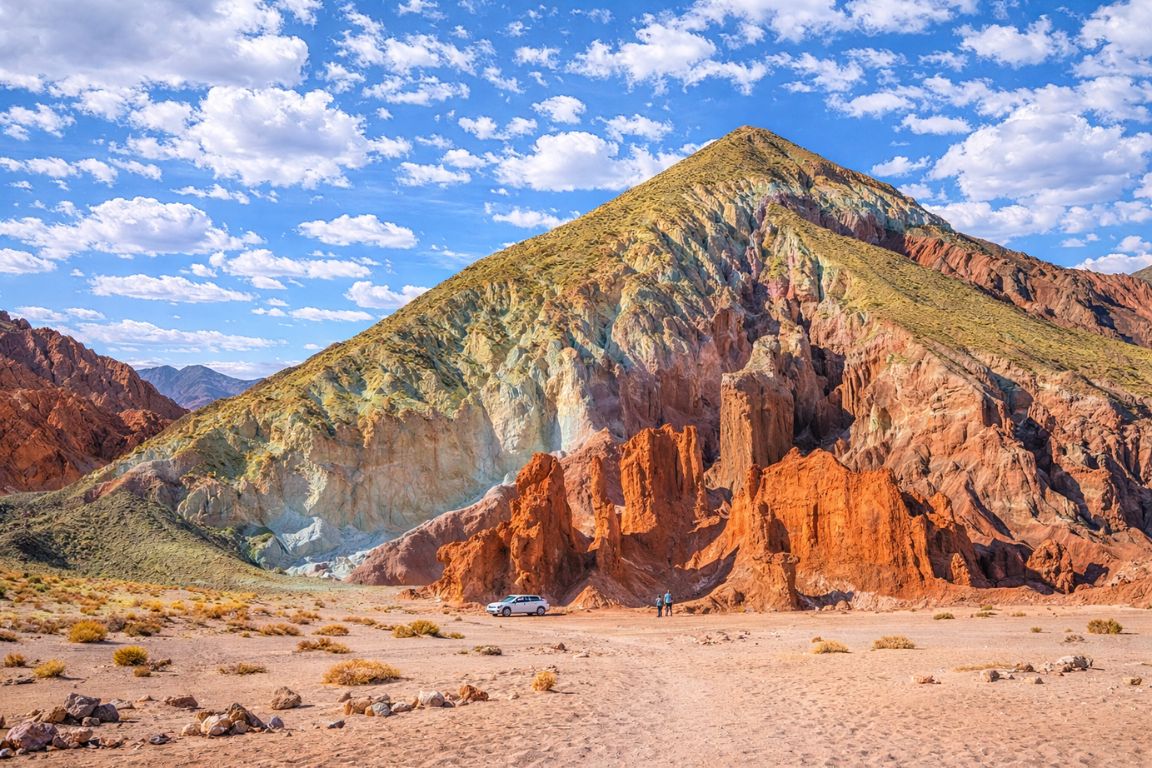
Rainbow Valley and Piedras Rojas optional attractions demonstrate colorful mineral formations (Rainbow Valley 4-5 hour afternoon tour $35-50 showing red-purple-green-yellow stratified rock) and remote red rock landscapes (Piedras Rojas/Salar de Tara extended full day $70-90) being beautiful but optional for 2-day visitors who must prioritize essential Valle Luna, El Tatio, and Cejar.
Second Valle de la Luna visit opportunity missed shows sunrise alternative (departing 5-6am, different light quality from sunset, fewer crowds, cooler temperatures) or climbing dune alternative (extended time at major dune, walking around formations versus primarily vehicle-based sunset tour) creating depth versus breadth trade-off.
Multiple salt flat lagoons experience missed demonstrates Salar de Atacama system including Laguna Chaxa (flamingo viewing platform, interpretive trails), Laguna Tebinquinche (expansive views, sunset reflections), Laguna Cejar (floating), Ojos del Salar (spring pools) being spread across 360 sq km area with comprehensive salt flat focus requiring 1-2 full days versus 2-day visitors seeing only Cejar (and possibly Tebinquinche if included in tour) missing broader salt ecosystem.
Town cultural experience elimination shows San Pedro having Museo Padre Le Paige (archaeology museum with 380,000+ artifacts, mummies, pre-Columbian history, $3 entry, 1-2 hours), church (1744 colonial adobe, historic center), market (local crafts, produce, authentic not touristy), plaza (evening gathering spot), creating cultural dimension missed by tour-only visitors.
Even travelers planning 5+ days in Atacama discover that mixing strategic rentals (2-3 days) with guided tours for the tricky stuff works better than committing to a full-week rental nightmare
Choose A Date For Your Outing
Valley Of The Moon
Select your date and party on Viator for the current price and departure options.
See Moon Valley Departures ↗FAQs
Is 2 days enough for Atacama?
No for comprehensive experience – you’ll miss 60-70% of major attractions and have risky minimal altitude acclimatization. Yes if severely time-constrained – better than skipping entirely, you’ll see Valle de la Luna (essential) plus one major tour (El Tatio or Cejar). Strongly recommend extending to 3-4 days if any schedule flexibility exists.
What altitude sickness risk with only 24 hours acclimatization?
High – 40-50% probability of moderate symptoms (headache, nausea, fatigue) if attempting El Tatio Day 2 morning with only 24 hours at San Pedro 2,400m before ascending to 4,300m. Standard safe protocol is 48-72 hours. Choose Cejar (2,300m) instead of El Tatio for much lower 5-10% risk.
Can I do Valle Luna, El Tatio, AND Cejar in 2 days?
Technically yes if doing El Tatio morning (4am-12pm) then Cejar afternoon (3-7pm) same day, but extremely exhausting and compounding altitude risk. Only recommended for very fit individuals with previous altitude success who can tolerate 4am wake plus full day activity. Most people should choose El Tatio OR Cejar, not both.
Which is better for 2 days – El Tatio or Cejar?
El Tatio if: zero altitude symptoms Day 1, previous successful altitude exposure, willing to accept 40-50% illness risk for spectacular geysers, cold-tolerant, evening/night departure Day 2. Cejar if: any altitude symptoms, first-time altitude, conservative preference, afternoon departure Day 2, or simply want safer guaranteed enjoyable experience. When in doubt, choose Cejar.
What’s minimum budget for 2-day Atacama trip?
$300-400 per person (excluding flights) using hostels, cheap food, direct tour bookings. Add $160-300 for Santiago-Calama flights if booking 8 weeks advance. Total realistic minimum $460-700 all-inclusive. Mid-range comfortable is $600-1,000 all-inclusive.
Should I book tours before arriving or in San Pedro?
Book 2-4 weeks before for 2-day trips. Tight schedule doesn’t allow flexibility of booking on arrival, plus peak seasons (December-February) having limited availability. Pre-booking guarantees coordination with flights and accommodation.
Glossary
- Acclimatization Timeline: Physiological adjustment period required at base altitude (San Pedro 2,400m) before safely ascending to significantly higher elevations (El Tatio 4,300m), with medical standard being 48-72 hours versus rushed 2-day visit providing only 24-36 hours creating 40-50% altitude sickness risk versus 20-30% with proper adjustment.
- Altitude Sickness Probability: Statistical likelihood of experiencing symptoms (headache, nausea, fatigue, dizziness) at high altitude based on acclimatization time, with rushed 24-hour timeline before 4,300m creating 40-50% risk versus proper 48-72 hour adjustment reducing to 20-30%, being primary health concern for 2-day visitors attempting El Tatio Geysers.
- Essential vs Optional Tours: Strategic categorization of Atacama attractions with Valle de la Luna being non-negotiable essential (iconic Mars landscapes, manageable first-day introduction), El Tatio or Cejar being critical second major experience, while Altiplanic Lagoons, stargazing, Puritama, Rainbow Valley being optional extras requiring 3+ days to include.
- Fixed Cost Amortization: Economic principle where unavoidable expenses (roundtrip flights $160-500, airport shuttles $30-50, accommodation minimum nights) being spread over more days creating better per-day value, with 2-day trip having worst cost-per-experience ratio ($150-325 per major tour) versus 5-day trip having optimal ratio ($100-250 per experience).
- Predawn Cold Extreme: El Tatio Geysers 4-4:30am arrival experiencing -10°C to -20°C temperatures (occasionally -25°C winter) requiring expedition-level warm gear (heavy down jacket rated -20°C minimum, multiple thermal layers, heavy gloves, warm hat, hand warmers) versus inadequate preparation causing dangerous exposure and miserable experience.
Key Takeaways
- Two days in Atacama provides glimpse of desert’s otherworldly landscapes but represents genuinely rushed visit missing 60-70% of major attractions (Altiplanic Lagoons, stargazing, Puritama, multiple salt flat lagoons, cultural town exploration), providing minimal altitude acclimatization creating genuine health risk (only 24-36 hours at 2,400m before potentially ascending to 4,300m El Tatio versus safe 48-72 hour standard increasing altitude sickness from 20-30% to 40-50%), eliminating rest and flexibility (constant activity both days, zero buffer for weather delays, altitude sickness, or spontaneous discoveries), though being marginally better than skipping Atacama entirely for severely time-constrained travelers.
- Realistic 2-day itinerary covers Valle de la Luna sunset (Day 1 afternoon essential, 3 hours, $28-40, Mars-like landscapes being Atacama’s most iconic accessible experience) plus one major Day 2 tour choosing between El Tatio Geysers (4am departure brutal wake, 7-8 hours, $45-60, world’s highest geyser field at 4,300m, spectacular steam plumes and hot springs bathing, extreme predawn cold -10 to -20°C requiring expedition gear, genuine altitude risk with only 24-hour acclimatization creating 40-50% altitude sickness probability) OR Laguna Cejar floating (afternoon 3-5pm departure civilized timing, 3-4 hours, $40-55, unique Dead Sea-style 30% salinity effortless buoyancy experience, fun photos, lower 2,300m altitude being dramatically safer 5-10% symptom probability, though missing spectacular geysers).
- Total costs range $300-650 per person excluding flights (accommodation $80-300 for 2 nights hostel to mid-range hotel, tours $68-100 combined Valle Luna plus El Tatio or Cejar, meals $50-100 for 2 days, transport $60-100 Calama shuttles and taxis, miscellaneous $50-80 for water, snacks, sunscreen, tips) plus $160-500 Santiago-Calama roundtrip flights depending on booking advance creating $460-1,150 total all-inclusive budget range.
- Best candidates for 2-day visit include weekend warriors from Santiago (geographic proximity enabling Friday evening arrival, Saturday-Sunday touring, Sunday night return for Monday work), stopover travelers on longer South American journey (allocating 2 days each destination across 3-4 week trip), business travelers with limited free time (conference attendance with 2-day extension), or scouting reconnaissance trip (evaluating Atacama for future longer return visit with realistic “taste” expectation).
- Poor candidates include first-time altitude exposure individuals (lacking personal tolerance data creating dangerous experimentation), altitude-sensitive people with previous problems (rushed timeline virtually guaranteeing illness), comprehensive experience seekers (wanting “all of Atacama” being impossible 2 days creating disappointment), serious photographers (needing multiple golden hours and locations), families with children (requiring rest and flexibility), seniors 65+ (needing extra acclimatization time), relaxation-oriented travelers (brutal pace contradicting philosophy).
- Extending to 3 days dramatically improves experience enabling proper 48+ hour acclimatization before high-altitude tours (reducing illness risk from 40-50% to 20-30% making El Tatio safer and enjoyable), adding third major attraction (Altiplanic comprehensive flamingo lagoons OR stargazing world-class astronomy), integrating rest recovery (afternoon after demanding El Tatio preventing exhaustion), and providing flexibility buffer (weather delays, altitude sickness accommodation, spontaneous discoveries) while increasing costs only modestly ($150-300 additional = +50% cost for +100% experience value creating optimal value proposition). Book the Valle de la Luna tour for Day 1, then add El Tatio or Laguna Cejar for Day 2 so pickup times fit your Calama flights.
Written by experienced Atacama travel specialist with comprehensive knowledge of rushed itinerary planning, altitude acclimatization protocols for compressed timelines, strategic tour prioritization for time-constrained travelers, honest risk assessment for medical safety, and practical realities of 2-day quick visits enabling severely time-limited travelers to maximize brief Atacama exposure while understanding inherent limitations, health risks, and sacrifices versus comprehensive multi-day experiences, providing realistic expectations and safety-first guidance for weekend warriors, stopover visitors, and business travelers attempting minimum viable Atacama Desert introduction. Date: December 29, 2025.
Make It Part Of Your Trip
Moon Valley gives the short trip a clear landscape highlight. Allow the full listed duration plus transfer buffers.
Valley Of The Moon
Make room for a desert landscape outing without committing several days. A guided Moon Valley excursion gives your afternoon a clear destination.
See Moon Valley Departures ↗