Atacama 3-4 Day Classic Itinerary: Complete Planning Guide 2026-2027
3–4 days in Atacama is the sweet spot—enough time for Valle de la Luna, El Tatio, lagoons, and proper altitude acclimatization without rushing.
Last updated: May 14, 2026
TL;DR
Three to four days represents optimal Atacama visit duration for most travelers, balancing comprehensive major attraction coverage (4-5 essential experiences versus 2-day‘s 2 or 7-day‘s 7-9) with proper altitude acclimatization (48-72 hours at San Pedro 2,400m before high tours enabling safe El Tatio 4,300m ascent), adequate rest recovery, and realistic time/budget commitment. Classic 3-day itinerary covers Day 1 arrival and Valle de la Luna sunset (essential Mars landscapes), Day 2 rest morning then El Tatio Geysers early (world’s highest geyser field, 4am departure, spectacular steam plumes, hot springs bathing), Day 3 Laguna Cejar floating afternoon (Dead Sea-style 30% salinity buoyancy) plus optional stargazing evening (world-class dark skies, professional telescopes) before departure, totaling $500-900 per person. Enhanced 4-day version adds Altiplanic Lagoons comprehensive (Day 3 full day, 10-12 hours, high-altitude flamingo lakes at 4,000-4,300m, most spectacular single tour) creating definitive Atacama experience covering all essential attractions: Valle Luna, El Tatio, Altiplanic, Cejar, optional stargazing, totaling $650-1,200 per person. Three-day advantages show being minimum for proper acclimatization (48 hours at base before El Tatio dramatically reducing altitude sickness from 2-day‘s 40-50% to 20-30%), covering top 3-4 must-see attractions (Valle Luna, El Tatio, Cejar, optional stars), including one rest period (afternoon recovery after demanding tours), fitting standard long-weekend timeframe (Friday-Monday), and maintaining sustainable pace versus 2-day sprint. Four-day advantages demonstrate adding comprehensive Altiplanic Lagoons (best single tour showing diverse high-altitude ecosystem), providing extra rest day or flexibility buffer (weather delays, altitude adjustment, spontaneous discoveries), enabling both Cejar AND stargazing versus choosing one, reducing daily pace from moderate-rushed to comfortable-relaxed, justifying travel investment with 5 major experiences versus 3-4, though requiring extra vacation day and $150-300 additional cost. What you’ll miss with 3-4 days includes Puritama Hot Springs (relaxing but non-essential thermal pools), Rainbow Valley (beautiful optional colorful formations), Piedras Rojas/Salar de Tara (remote extended landscapes requiring full day), multiple salt flat lagoon visits (seeing only Cejar versus comprehensive Tebinquinche, Chaxa, Ojos del Salar), second Valle Luna visit (sunrise alternative to sunset), and town cultural immersion (limited time for museums, markets, local interaction). Costs 3-day total $500-900 per person (accommodation $160-300 for 3 nights mid-range, tours $140-240 for Valle Luna + El Tatio + Cejar, meals $90-150, transport $70-120, miscellaneous $60-100) plus flights Santiago-Calama $160-500. Costs 4-day total $650-1,200 per person (accommodation $240-450 for 4 nights, tours $200-320 adding Altiplanic, meals $120-200, transport $70-120, miscellaneous $80-120) plus flights. Best for regular vacation travelers (typical week-long trip timeframe), first-time Atacama visitors wanting comprehensive without excessive commitment, active travelers comfortable moderate daily touring pace, photographers needing essential locations and golden hours, and those seeking balance between coverage and sustainability.
Put Your Classic Itinerary In Place
Choose what you want and the time you can give it. The result explains the trade-off before you open the booking page.
Why 3-4 Days Is the “Sweet Spot” for Atacama
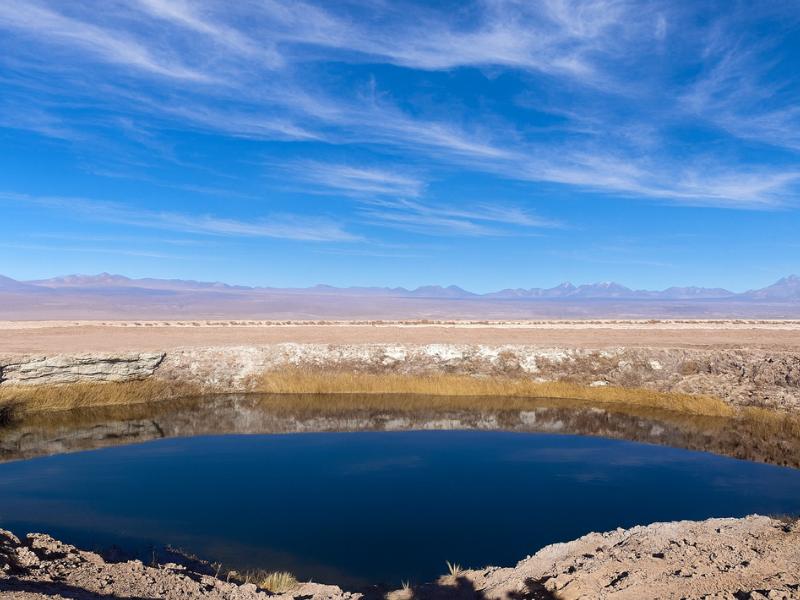
Three to four days represents optimal duration for 75-80% of Atacama visitors, providing sufficient time for proper altitude acclimatization (48-72 hours at San Pedro 2,400m base before ascending to 4,000-4,300m tours), covering all essential major attractions (Valle Luna (book tour here), El Tatio, Cejar, optional Altiplanic and stargazing), including adequate rest recovery between demanding tours, fitting typical vacation timeframes (3 days = long weekend Friday-Monday, 4 days = standard trip segment), and maintaining sustainable comfortable pace versus 2-day sprint or 7-day leisurely exploration.
Coverage completeness shows 3-day itinerary capturing 50-60% of total Atacama attractions (3-4 major experiences: Valle Luna essential, El Tatio spectacular, Cejar unique, optional stargazing) while 4-day itinerary capturing 65-75% (adding comprehensive Altiplanic Lagoons plus stargazing or additional rest), compared to 2-day capturing only 22-29% or 7-day capturing 90-100% creating optimal value-experience balance.
Acclimatization safety demonstrates 3-4 days providing proper 48-72 hour adjustment timeline (Day 1 arrival and rest at 2,400m, Day 2 continued 2,400m with Valle Luna same altitude or rest, Day 3 ascending to 4,000-4,300m El Tatio or Altiplanic with adequate preparation) reducing altitude sickness probability from 2-day‘s dangerous 40-50% to medically acceptable 20-30%.
Even if you only have a 2 days itinerary in Atacama guide timeline, guided tours still make more sense financially and logistically than attempting DIY navigation.
Table: 3-4 Days vs Other Duration Options Complete Comparison
| Duration | Coverage % | Altitude Safety | Rest Integration | Pace Rating | Cost Efficiency | Who It’s Best For | Major Trade-offs | Overall Verdict |
|---|---|---|---|---|---|---|---|---|
| 2 Days | 22-29% (2 attractions) | Poor (24 hrs acclimatization, 40-50% illness risk) | None (constant touring) | Brutal sprint | Poor ($150-325 per experience) | Weekend warriors only, severely time-constrained | Miss most attractions, dangerous altitude, exhausting | 4/10 Compromised |
| 3 Days | 50-60% (3-4 attractions) | Good (48 hrs acclimatization, 20-30% illness risk) | Minimal (1 afternoon rest) | Moderate-brisk | Good ($125-225 per experience) | Most travelers, first-timers, long weekends | Miss Altiplanic, limited flexibility | 8/10 Optimal for many |
| 4 Days | 65-75% (4-5 attractions) | Excellent (72 hrs acclimatization, 15-25% illness risk) | Adequate (2 rest periods or 1 full day) | Comfortable | Very Good ($130-240 per experience) | First-time comprehensive, balanced travelers | Miss optional extras only | 9/10 Ideal balance |
| 5 Days | 75-85% (5-7 attractions) | Excellent (96+ hrs acclimatization, 10-20% illness risk) | Good (multiple rest periods built in) | Relaxed | Excellent ($120-214 per experience) | Comprehensive seekers, photographers | Requires extra vacation time | 8/10 Thorough |
| 7 Days | 90-100% (7-9 attractions) | Optimal (120+ hrs, <10% illness risk) | Excellent (flexibility, spontaneity, deep immersion) | Very relaxed | Excellent ($114-214 per experience) | Extended travelers, deep explorers, luxury pace | Expensive total, requires week vacation | 9/10 Complete |
Three-day 50-60% coverage demonstrates capturing essential core Atacama experience (Valle Luna iconic landscapes, El Tatio spectacular geysers, Cejar unique floating) representing “if you only did these three things you’d understand Atacama’s character” versus missing comprehensive ecosystem (Altiplanic high-altitude lagoons, stargazing world-class astronomy, Puritama thermal relaxation, Rainbow Valley colors).
The acclimatization 48-hour threshold shows medical research indicating 48 hours at base altitude (San Pedro 2,400m) enabling adequate physiological adaptation (red blood cell production initiation, reduced fluid retention, breathing rate adjustment) before ascending 2,000m higher (El Tatio 4,300m) creating 20-30% altitude sickness probability versus rushed 24-hour 2-day timeline creating 40-50% probability or proper 72-hour 4-day timeline creating optimal 15-25% probability.
Rest integration demonstrates 3-day requiring one afternoon recovery period (typically Day 2 afternoon after morning acclimatization activities or Day 3 afternoon after demanding El Tatio) versus 4-day enabling two rest periods (afternoon recoveries after major tours) or one complete rest day (full Day 2 devoted to acclimatization before any high tours) creating sustainability preventing cumulative exhaustion.
Pace moderate-brisk 3-day shows one major tour daily (Day 1 Valle Luna 3 hours easy, Day 2 El Tatio 7-8 hours demanding, Day 3 Cejar 3-4 hours moderate plus optional stargazing 2-3 hours evening) creating sustainable but steady schedule versus 2-day brutal constant activity or 5-7 day relaxed leisurely with optional activities and spontaneous rest.
Cost efficiency per experience demonstrates 3-day spending $500-900 covering 3-4 major experiences = $125-225 per experience, 4-day spending $650-1,200 covering 4-5 experiences = $130-240 per experience, versus 2-day spending $300-650 covering 2 experiences = $150-325 per experience (worst efficiency due to fixed costs amortized over fewer activities) or 7-day spending $1,200-2,100 covering 7-9 experiences = $133-233 per experience (excellent efficiency from maximum amortization).
If you’re committing to 5+ days in Atacama and genuinely want that DIY flexibility, at least you’ll have time to recover from inevitable wrong-turn adventures.
3-Day Classic Itinerary: Essential Atacama Experience
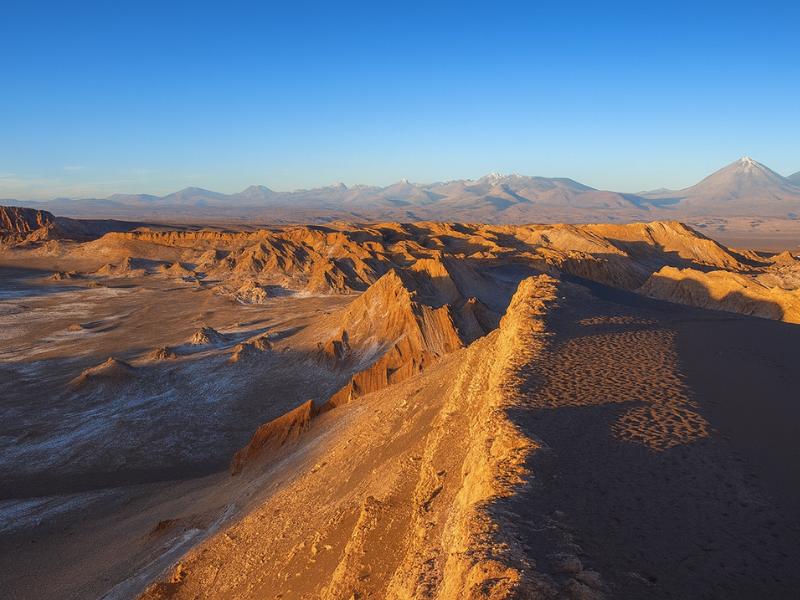
Three-day classic represents most popular Atacama itinerary covering essential top three attractions (Valle Luna, El Tatio, Cejar) with proper 48-hour minimum acclimatization, adequate rest integration, and optional stargazing addition if evening departure timing aligns, creating comprehensive introduction capturing Atacama’s otherworldly character without excessive time or budget commitment.
Day 1: Arrival and Valle de la Luna Foundation
Morning/afternoon arrival shows typical Santiago-Calama flights landing 10am-4pm (LATAM, JetSmart, Sky Airlines, 2 hours, $80-250 advance booking), shuttle to San Pedro 1.5 hours ($15-25 shared, $80-120 private), check accommodation by 2-6pm depending on arrival timing.
Initial rest critical demonstrates 2-4 hours complete inactivity (lying down, reading, gentle unpacking, hydration 2-3L, monitoring altitude symptoms: headache, nausea, dizziness, fatigue) at 2,400m enabling initial physiological adjustment (breathing rate elevation, heart rate increase, fluid balance shift) creating foundation for safe subsequent days.
Valle de la Luna afternoon departure 4-5pm (winter 3pm when sunset 6-6:30pm, summer 5-6pm when sunset 7:30-8:30pm) provides perfect first activity with same 2,400m altitude eliminating ascent risk, minimal physical demand (mostly vehicle-based, short 5-15 minute walks), spectacular sunset reward (Mars-like rock formations glowing orange-red-gold in golden hour, Andes backdrop, salt caves, sand dunes), 3-hour duration being manageable introduction.
Evening routine shows return 7-8pm, dinner 7:30-8:30pm (avoiding alcohol Days 1-2 worsening altitude adjustment, focusing easily digestible carbohydrates), early sleep 9pm essential for next day’s early wake (El Tatio 4am departure requires 3:30am alarm needing 6.5-7.5 hours sleep minimum).
Day 2: El Tatio Geysers Spectacular Centerpiece
Predawn wake 3:30am represents trip’s most challenging moment (brutal early alarm, grogginess, cold dark morning, resistance to movement) though adrenaline and anticipation providing motivation, with proper Day 1 bedtime 8-9pm enabling adequate 6.5-7.5 hours sleep.
El Tatio (book tour here) departure 4-4:30am shows shared minibus collecting passengers from various accommodations (15-20 minute collection route), departing San Pedro 4:30am for 1.5-hour gradual ascent drive (2,400m to 4,300m = 1,900m gain over 90 minutes being physiologically easier than rapid ascent).
Geyser field 5:45-9:30am demonstrates world’s highest geyser field at 4,300m (62% sea-level oxygen versus 75% at San Pedro base) with predawn extreme cold -10°C to -20°C creating spectacular steam visibility (80+ geysers shooting plumes 10-20m high, boiling pools bubbling, fumaroles hissing, mineral deposits orange-red-yellow), sunrise 7-7:30am bringing golden light, optional hot springs bathing 7:30-8:30am in 30-35°C thermal pools (swimsuit essential, exit being freezing), simple breakfast 8:30am (bread, cheese, coffee included most tours).
Return drive 9:30-11:30am shows descent providing altitude relief (breathing becoming easier, any mild headache subsiding, energy returning) arriving San Pedro 12-1pm with afternoon completely free.
Afternoon rest critical shows post-El Tatio recovery being essential (extreme early wake creating sleep deprivation, 7-8 hour tour duration being exhausting, 4,300m altitude being physiologically demanding) requiring 2-4 hour nap, hydration, light meal, no additional activities enabling next-day energy restoration.
Evening options include dinner 7-8pm and early sleep continuing recovery, or optional stargazing 8-11pm if energy permits (professional telescopes viewing Saturn rings, Jupiter moons, galaxies, Milky Way, $50-70, 2-3 hours, world-class dark skies though requiring enthusiasm despite fatigue).
Day 3: Laguna Cejar and Departure
Morning flexibility shows sleeping in 8-10am (recovery from previous days’ early wakes and touring), leisurely breakfast, packing for departure, optional light San Pedro exploration (market, church, plaza, 1-2 hours if time and energy).
Laguna Cejar (book tour here) afternoon 3-5pm departure provides perfect final activity with unique Dead Sea-style floating (30% salinity creating effortless buoyancy, cannot sink even trying, fun photos reading newspaper while floating, relaxing experience), lower 2,300m altitude being easier than El Tatio, 3-4 hour duration being moderate, typically visiting multiple lagoons (Cejar floating 30-45 minutes, Tebinquinche sunset viewpoint if timing aligns, Ojos del Salar small freshwater spring pools).
Departure evening/night shows return from Cejar 7-8pm enabling dinner then shuttle to Calama for evening flight 9-11pm home (arriving Santiago midnight-1am) or overnight San Pedro for morning Day 4 departure (depending on flight availability and preference for night travel versus extra morning in town).
Table: 3-Day Classic Itinerary Complete Hour-by-Hour Breakdown
| Day/Time | Activity | Location/Altitude | Duration | Physical Demand | Cost | Critical Actions | Common Mistakes | Experience Quality |
|---|---|---|---|---|---|---|---|---|
| Day 1: 10am-2pm | Arrive Calama, shuttle San Pedro | Calama 2,300m → San Pedro 2,400m | 3-4 hrs total | Low (sitting) | Flight $80-250, shuttle $15-25 | Meet shuttle, stay hydrated during transfer | Missing shuttle, not drinking water | Comfortable travel |
| Day 1: 2-5pm | Check accommodation, mandatory rest | San Pedro 2,400m | 2-4 hrs | None (complete rest) | Accommodation $50-150/night | Hydrate 2L+, monitor symptoms, no exertion | Walking around town too much, alcohol | Critical foundation |
| Day 1: 4-8pm | Valle de la Luna sunset tour | San Pedro 2,400m | 3 hrs | Low (short walks) | $28-40 | Bring warm fleece, camera, water | Inadequate warm layer for post-sunset | 9/10 Spectacular |
| Day 1: 8-9pm | Dinner and early sleep | San Pedro 2,400m | 1-2 hrs | Minimal | $15-30 meal | Early 9pm bedtime for 4am wake, no alcohol | Staying up late, drinking, heavy meal | Essential preparation |
| Day 2: 3:30-4am | Wake and prepare for El Tatio | San Pedro 2,400m | 30 min | Minimal | $0 | Dress warm layers (critical), grab packed items | Inadequate warm clothing, oversleeping | Brutal but necessary |
| Day 2: 4am-12pm | El Tatio Geysers complete experience | 2,400m → 4,300m → 2,400m | 8 hrs total | Moderate-high | $45-60 | Warm gear essential, altitude vigilance, hot springs optional | Inadequate cold gear, overexertion altitude | 10/10 Spectacular |
| Day 2: 12-5pm | Post-El Tatio recovery rest | San Pedro 2,400m | 5 hrs | None (nap, relax) | $0 | Sleep 2-4 hrs, hydrate, light meal | Trying to do afternoon tour, not resting | 8/10 Necessary |
| Day 2: 7-9pm | Dinner and sleep OR stargazing | San Pedro 2,400m | 2-4 hrs | Low (stars) or none (sleep) | $50-70 stars or $15-30 dinner | Choose based on energy level | Forcing stargazing when exhausted | Variable by choice |
| Day 3: 8am-2pm | Sleep in, pack, optional town walk | San Pedro 2,400m | 6 hrs | Low | $10-20 breakfast/snacks | Leisurely morning, organize departure | Rushing, skipping breakfast | 7/10 Relaxed |
| Day 3: 3-7pm | Laguna Cejar floating tour | San Pedro 2,300m | 3-4 hrs | Low | $40-55 | Bring swimsuit, towel, warm layer | Forgetting swimsuit, inadequate post-swim warmth | 9/10 Fun unique |
| Day 3: 7pm-midnight | Dinner, depart Atacama | San Pedro/Calama/flight | Variable | Low | $15-30 dinner, $15-25 shuttle, flight | Coordinate shuttle timing with flight | Missing shuttle, late flight arrival home | Variable by timing |
Day 1 arrival timing flexibility demonstrates early 10am-12pm Calama arrival enabling longer afternoon rest before Valle Luna (4-6 hours acclimatization) versus typical 2-4pm arrival providing adequate 2-4 hours rest, versus late 6-8pm arrival potentially missing Valle Luna Day 1 requiring rescheduling Day 2 complicating itinerary.
The Day 1 rest non-negotiable shows complete inactivity being essential versus temptation exploring San Pedro town immediately (“I feel fine, let’s walk around and see things”) creating overexertion increasing altitude sickness risk Day 2-3, with proper rest dramatically reducing headache, nausea, fatigue probability.
Valle Luna same-altitude wisdom demonstrates staying 2,400m Day 1 (not ascending higher) enabling body adjusting to base altitude before subsequent ascent, with gentle activity (short walks, vehicle touring) being acceptable versus strenuous hiking or multiple long tours.
Day 2 El Tatio timing critical shows 4am departure being universal (all operators departing 4-4:30am, no flexibility) due to predawn steam visibility requirement (cold air creating maximum condensation and dramatic plumes, warming temperatures reducing visual effect) and hot springs bathing being pleasant morning versus cold afternoon.
The post-El Tatio rest underestimated demonstrates many travelers booking afternoon tours Day 2 (“I’ll be back by noon, plenty of time for Cejar 3pm!”) then being utterly exhausted discovering 4am wake plus 7-8 hour tour plus altitude exposure creating genuine fatigue requiring rest not additional touring.
Day 3 Cejar timing advantage shows afternoon 3-5pm departure providing entire morning for recovery, packing, flexibility versus morning tours requiring early commitment and reducing departure timing options.
4-Day Enhanced Itinerary: Comprehensive Classic Experience
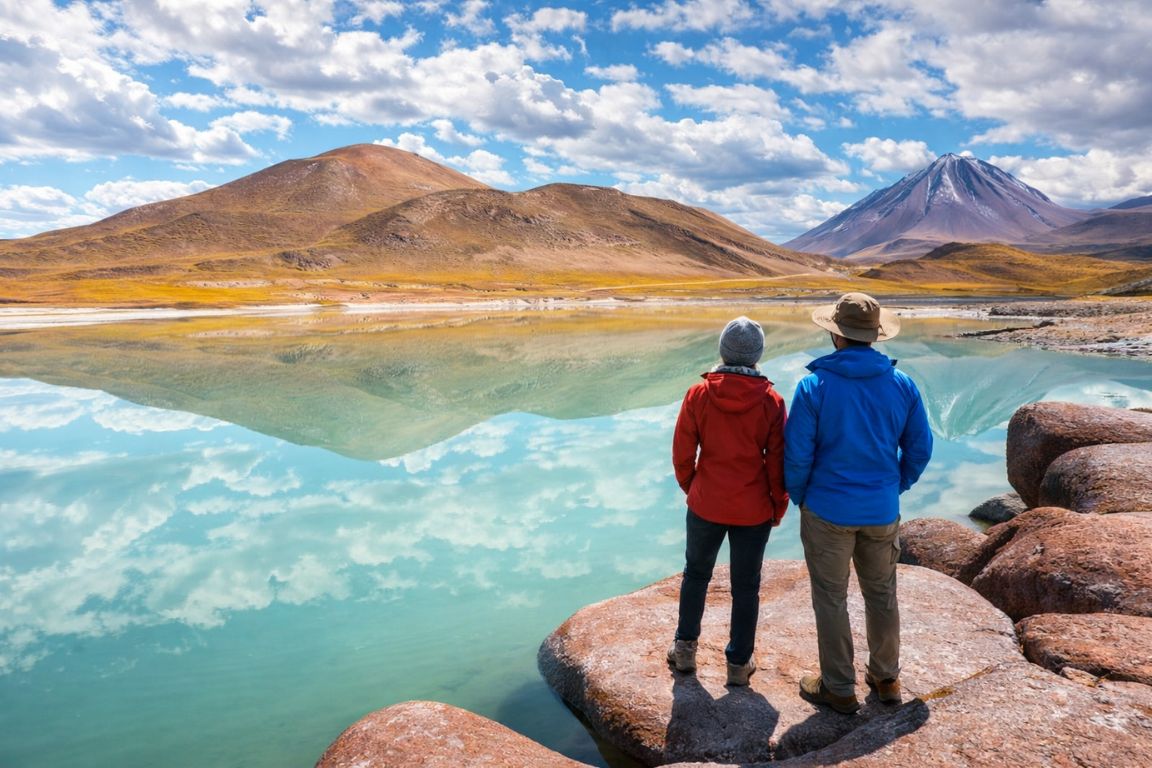
Four-day itinerary represents enhanced version adding Altiplanic Lagoons comprehensive (best single tour showing diverse high-altitude ecosystem: Laguna Miscanti, Miñiques, Chaxa, Piedras Rojas, multiple flamingo colonies, volcanic landscapes) creating definitive Atacama experience covering all essential attractions without rushed pace.
Day 1: Arrival and Valle de la Luna (Same as 3-Day)
Identical to 3-day Day 1 with arrival, rest, Valle Luna sunset, early sleep maintaining proper foundation.
Day 2: Complete Rest Day OR El Tatio (Strategic Choice)
Option A – Complete rest day demonstrates conservative approach spending entire Day 2 at San Pedro 2,400m enabling maximum acclimatization (full 48 hours before any high-altitude exposure Day 3-4), gentle town exploration (museum, market, church, 2-3 hours total with rest breaks), leisurely meals, afternoon nap, creating optimal preparation for demanding Days 3-4 high tours, reducing altitude sickness to minimum 15-20% probability.
Option B – El Tatio Day 2 shows aggressive approach identical to 3-day itinerary (4am departure, geysers, return 12pm, afternoon rest) enabling Day 3-4 for Altiplanic and Cejar creating four major tours (Valle Luna, El Tatio, Altiplanic, Cejar) versus three major tours if choosing Option A (Valle Luna, Altiplanic, Cejar) plus complete rest day.
Strategic choice factors include altitude sensitivity (any Day 1 symptoms = Option A conservative rest, zero symptoms = Option B aggressive El Tatio acceptable), risk tolerance (Option A guarantees safety, Option B accepts 20-30% moderate illness risk), experience priority (Option A sacrifices El Tatio for Altiplanic, Option B includes both but rushes acclimatization), creating no “correct” answer depending on personal situation.
Day 3: Altiplanic Lagoons Comprehensive OR El Tatio (Depends on Day 2 Choice)
If chose Option A (Day 2 rest), Day 3 shows El Tatio 4am departure (now having 48 hours acclimatization, much safer) with afternoon rest, then Day 4 morning Altiplanic Lagoons departure.
If chose Option B (Day 2 El Tatio), Day 3 shows Altiplanic Lagoons full day 7am-6pm comprehensive (10-12 hour longest tour, visiting Laguna Miscanti turquoise lake at 4,140m, Laguna Miñiques adjacent lake, Salar de Atacama viewpoints, Laguna Chaxa flamingo observation, Piedras Rojas red rock formations, Salar de Tara optional extension, packed lunch included, dramatic high-altitude landscapes).
Day 4: Final Tour and Departure
Flexible final day shows morning/afternoon depending on previous day’s schedule, typically Laguna Cejar floating 3-5pm (if not yet done) or stargazing previous evening (if energy permitted), or complete rest and departure morning/afternoon, or additional optional tour (Puritama Hot Springs, Rainbow Valley) if four major tours already completed and energy remains.
Table: 4-Day Enhanced Itinerary Two Strategic Variations
| Day | Conservative Approach (Prioritize Safety) | Aggressive Approach (Maximize Experiences) | Hours Active | Altitude Exposure | Trade-offs | Who Should Choose |
|---|---|---|---|---|---|---|
| Day 1 | Arrive, rest, Valle Luna sunset | Same | 3 hrs touring | 2,400m only | None – identical | Everyone |
| Day 2 | Complete REST day – no tours, town exploration only | El Tatio 4am-12pm, afternoon rest | 0 hrs (Conservative) vs 8 hrs (Aggressive) | 2,400m only (Conservative) vs 4,300m (Aggressive) | Conservative = miss El Tatio OR delay to Day 3; Aggressive = only 24hr acclimatization risk | Conservative: altitude-sensitive, previous problems, first-time altitude. Aggressive: experienced altitude, zero Day 1 symptoms, eager |
| Day 3 | El Tatio 4am-12pm (now safely 48hr acclimatized), afternoon rest | Altiplanic Lagoons 7am-6pm full day comprehensive | 8 hrs (Conservative) vs 11 hrs (Aggressive) | 4,300m (Conservative) vs 4,000-4,300m sustained (Aggressive) | Conservative = safer timeline; Aggressive = two consecutive demanding days exhausting | Conservative: prioritize safety. Aggressive: high fitness, good acclimatization Day 1-2 |
| Day 4 | Altiplanic Lagoons 7am-6pm OR Cejar afternoon + evening departure | Cejar afternoon + stargazing evening OR morning departure | 11 hrs (Conservative) vs 7 hrs (Aggressive) or 0 hrs rest | 4,000-4,300m (Conservative) vs 2,300m (Aggressive) | Conservative = back-to-back long days; Aggressive = gentler finale | Conservative: comprehensive over comfort. Aggressive: sustainable pacing |
| Total Tours | 4 major (Valle Luna, El Tatio, Altiplanic, Cejar) | 4 major (Valle Luna, El Tatio, Altiplanic, Cejar) + possible stargazing | 22-25 hrs touring | Multiple high exposures | Conservative = safer spread; Aggressive = compressed high tours | Both achieve same coverage, different timelines |
| Altitude Sickness Risk | 15-20% (excellent acclimatization) | 20-30% (adequate but compressed) | N/A | El Tatio risk reduced Conservative | Conservative = minimum risk; Aggressive = acceptable risk | Conservative: risk-averse. Aggressive: acceptable gambling |
| Recommended For | First-time altitude, altitude-sensitive, seniors, families, conservative personalities | Experienced altitude travelers, fit active individuals, previous Atacama success, younger travelers | N/A | N/A | Personal risk tolerance and priorities | Majority should choose Conservative |
Conservative approach superior safety shows full Day 2 rest enabling complete 48-hour acclimatization before any high-altitude exposure (El Tatio Day 3 or Altiplanic Day 3-4) creating 15-20% altitude sickness probability (lowest achievable short of 5-7 day very gradual progression) versus aggressive 20-30% being acceptable but higher.
The aggressive approach maximum coverage demonstrates fitting four major tours (Valle Luna, El Tatio, Altiplanic, Cejar) into 4 days requiring back-to-back demanding Days 2-3 (El Tatio 4am Day 2, Altiplanic full day Day 3) creating cumulative exhaustion and compressed high-altitude exposure though being manageable for fit individuals with good Day 1-2 acclimatization response.
Personal assessment framework shows evaluating Day 1 evening: zero symptoms + high fitness + previous altitude success + risk-tolerant personality = aggressive approach acceptable, versus any symptoms + moderate fitness + no altitude experience + conservative personality = conservative approach mandatory.
Table: Attraction Priority Rankings for 3-4 Day Visitors
| Attraction | Priority Level | Why This Priority | When to Include | When to Skip | Duration | Cost | Altitude | Can’t-Miss Factor |
|---|---|---|---|---|---|---|---|---|
| Valle de la Luna | ESSENTIAL (100% include) | Iconic Atacama landscapes, accessible, perfect intro | Day 1 always | Never | 3 hrs | $28-40 | 2,400m | 10/10 |
| El Tatio Geysers | ESSENTIAL (95% include) | World’s highest geysers, spectacular, unique globally | Day 2-3 with 48hr acclimatization | Only if severe altitude symptoms or can’t tolerate 4am wake | 7-8 hrs | $45-60 | 4,300m | 9/10 |
| Laguna Cejar | HIGHLY RECOMMENDED (85% include) | Unique floating experience, fun, safe altitude | Day 2-3 afternoon, perfect finale | Only if absolute time crunch | 3-4 hrs | $40-55 | 2,300m | 8/10 |
| Altiplanic Lagoons | VERY IMPORTANT (4-day essential, 3-day skip) | Most comprehensive single tour, diverse landscapes, flamingos | Day 3-4 with proper acclimatization | 3-day trips (no time) | 10-12 hrs | $60-80 | 4,000-4,300m | 9/10 for 4-day |
| Stargazing | RECOMMENDED (60% include if timing works) | World-class dark skies, professional telescopes | Evening Day 2-3 if energy permits | If exhausted or early morning departure next day | 2-3 hrs | $50-70 | 2,400m | 7/10 |
| Puritama Hot Springs | OPTIONAL (30% include) | Relaxing recovery, pleasant not essential | Day 2-3 afternoon alternative to Cejar if time | Most 3-4 day trips (prioritize above) | 2-3 hrs | $30-45 | 3,500m | 5/10 |
| Rainbow Valley | OPTIONAL (20% include) | Beautiful colors, good photos, but not essential | Day 3-4 if extra time after essentials | Most 3-4 day trips (time constraints) | 4-5 hrs | $35-50 | 3,200m | 5/10 |
Valle Luna 100% essential demonstrates being universally included every Atacama itinerary (2-day to 7-day, all include Valle Luna) due to iconic status (most photographed location, defining Atacama imagery), accessibility (easy Day 1 activity, same altitude as town), spectacular quality (Mars-like formations, golden sunset, memorable experience).
The El Tatio 95% inclusion shows being skipped only by altitude-sensitive individuals or those unable to tolerate 4am wake (elderly, young children, severe insomniacs) with vast majority including due to spectacular unique quality (world’s highest geyser field, impossible to see elsewhere, dramatic steam plumes, hot springs bathing).
Cejar 85% highly recommended demonstrates being skipped only by extreme time crunches (tight departure Day 3 morning requiring morning checkout/shuttle) or winter cold-water avoiders (December-August having 10-18°C water being uncomfortable versus summer 18-22°C), with most including due to unique floating experience (Dead Sea-style buoyancy, fun photos, unlike anything else).
Altiplanic 4-day essential/3-day skip shows being most comprehensive single Atacama tour (10-12 hours, multiple lagoons, diverse high-altitude landscapes 4,000-4,300m, flamingo colonies, volcanic scenery, packed lunch) being too long for 3-day schedules (already having Valle Luna, El Tatio, Cejar filling 3 days) but being absolutely essential 4-day addition creating definitive experience.
Stargazing 60% conditional shows being included if evening energy permits (after recovering from El Tatio fatigue) and departure timing allows (not conflicting with 6am next morning shuttle to Calama) with world-class quality (darkest skies globally, professional telescopes, Saturn rings, Milky Way) being worthwhile though not essential if exhausted.
What Each Booking Adds
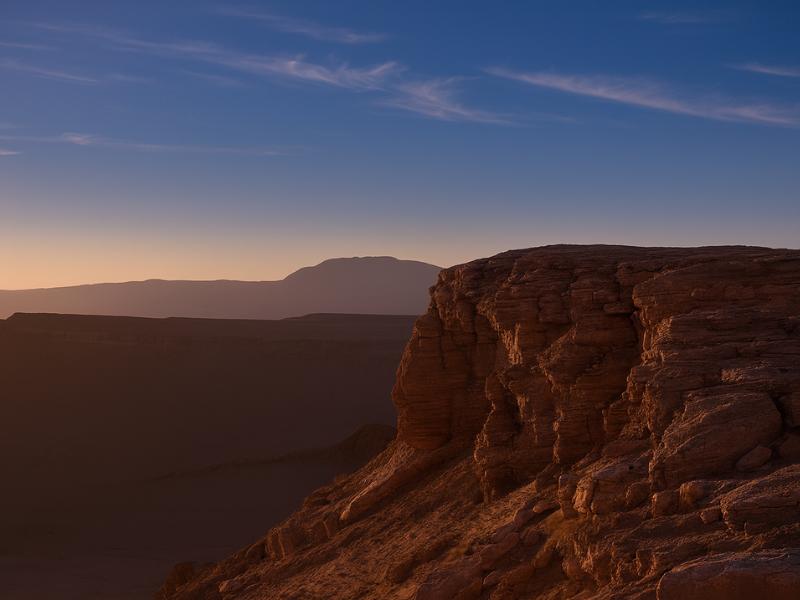
Atacama: 4 Tours In 3 Days
Spend your planning time on the rest of the trip. This package brings four outings into a three-day schedule, with accommodation pickup and a bilingual guide.
Entrance charges vary; accommodation is not included.
Book on GetYourGuideSee The 3-Day Tour Plan ↗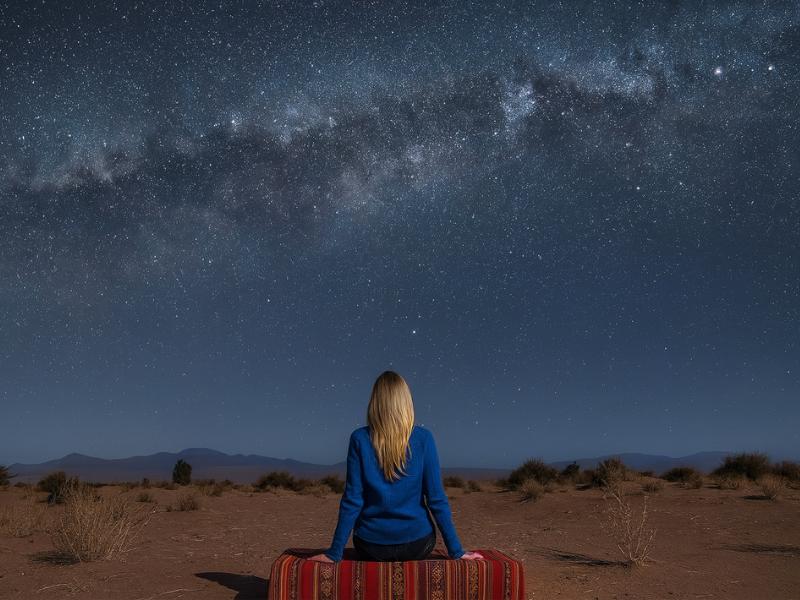
The Roofless Stargazing Experience
Make the sky part of your trip: telescope observation, an astronomy talk and a professional photo to take home.
Hot drinks and blankets provided. Dress warmly; pickup coverage is limited.
Book on ViatorChoose My Stargazing Night ↗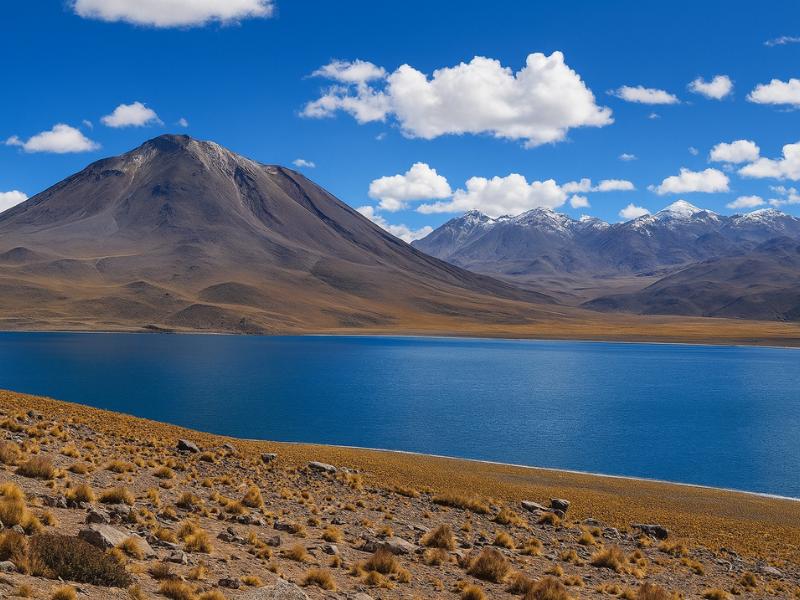
Piedras Rojas And Highland Lagoons
Give a full day to red rocks and highland lagoons without organizing the driving yourself. A connected circuit makes more sense than treating every stop as a separate trip.
A long, high-altitude outing; check participation requirements.
Book on ViatorSee The Piedras Rojas Route ↗Complete Cost Breakdown: 3-Day vs 4-Day
3-Day Total Costs:
- Budget: $500-700 per person
- Mid-Range: $700-900 per person
- Comfort: $900-1,200 per person
- Excludes Santiago-Calama flights ($160-500 additional)
4-Day Total Costs:
- Budget: $650-900 per person
- Mid-Range: $900-1,200 per person
- Comfort: $1,200-1,600 per person
- Excludes flights ($160-500 additional)
Our complete Atacama trip costs and budgeting guide breaks down exactly why rental cars rarely deliver the savings people expect – those hidden costs add up faster than most budgets can absorb.
Table: Complete 3-Day vs 4-Day Budget Breakdown All Categories
| Cost Category | 3-Day Budget | 3-Day Mid-Range | 3-Day Comfort | 4-Day Budget | 4-Day Mid-Range | 4-Day Comfort | Savings Strategies | Common Overspending |
|---|---|---|---|---|---|---|---|---|
| Accommodation (per person) | $90-180 (3 nights hostel $30-60) | $240-450 (3 nights hotel $80-150) | $450-750 (3 nights boutique $150-250) | $120-240 (4 nights hostel) | $320-600 (4 nights hotel) | $600-1,000 (4 nights boutique) | Book 6-8 weeks advance, shared dorms, shoulder season | Last-minute, peak season, single room premium |
| Valle de la Luna Tour | $28-32 | $32-36 | $36-40 | Same | Same | Same | Direct operator booking vs GetYourGuide | Booking day-of, tourist commission |
| El Tatio Tour | $45-52 | $50-56 | $56-60 | Same | Same | Same | Direct booking, low season | Premium operators, peak season |
| Laguna Cejar Tour | $40-48 | $45-52 | $52-55 | Same | Same | Same | Standard tour adequate | “Luxury” versions unnecessary |
| Altiplanic Lagoons | N/A (not included 3-day) | N/A | N/A | $60-68 | $68-75 | $75-80 | Direct booking | Extended Tara addition +$15-25 |
| Stargazing (optional) | $0 (skip if tired) or $50-60 | $50-60 | $60-70 | $50-60 | $60-70 | $70 | Skip if exhausted, standard tour fine | Premium observatory tours |
| Meals Total | $90-120 (cheap eats, cooking) | $120-180 (mix restaurants, cooking) | $180-300 (restaurants, upscale) | $120-160 | $160-240 | $240-400 | Cook breakfast, lunch specials, selective dinners | All restaurants, tourist traps |
| Airport Shuttle RT | $30-50 (shared pre-booked) | $30-50 (shared) | $160-240 (private) | Same | Same | Same | Shared shuttle adequate | Last-minute taxi, private when unnecessary |
| Local Transport | $15-25 (walking + occasional taxi) | $25-40 (taxis as needed) | $50-80 (taxi everything) | $20-35 | $35-55 | $65-105 | Walk when possible | Taxi every trip |
| Water/Snacks/Supplies | $15-25 (supermarket bulk) | $25-40 | $40-60 (convenience) | $20-35 | $35-55 | $55-80 | Bring bottle, supermarket | Individual bottles, tourist shops |
| Sunscreen/Toiletries | $10-15 (bring from home) | $15-25 | $25-40 | $15-20 | $20-30 | $30-50 | Bring from home | Buy expensive local |
| Tips/Miscellaneous | $20-30 | $30-50 | $50-80 | $30-45 | $45-70 | $70-110 | Standard $5 per tour | Over-tipping, unnecessary purchases |
| TOTAL (excluding flights) | $498-720 | $712-979 | $1,099-1,735 | $660-938 | $978-1,335 | $1,525-2,255 | Multiple strategies above | No cost planning |
| Santiago-Calama Flights RT | +$160-300 (8+ weeks) | +$200-350 (4-6 weeks) | +$300-500 (last-minute) | Same | Same | Same | Book far advance | Last-minute booking |
| GRAND TOTAL | $658-1,020 | $912-1,329 | $1,399-2,235 | $820-1,238 | $1,178-1,685 | $1,825-2,755 | Early planning critical | Reactive booking |
Three-day accommodation $240-450 mid-range demonstrates 3 nights at $80-150/night mid-range hotel (Hotel Tulor, La Casa de Don Tomás, similar properties offering private bathroom, hot water, heating, comfortable bed, good location) being single largest expense category representing 25-35% of total non-flight budget.
The four-day accommodation addition shows one additional night ($80-150) increasing total to $320-600, representing modest 33% cost increase for 33% time increase demonstrating linear scaling versus 2-to-3 day addition having better proportional value (fixed costs being amortized).
Tour costs 3-day show Valle Luna $28-40 + El Tatio $45-60 + Cejar $40-55 = $113-155 per person for three essential tours, representing 16-20% of total non-flight budget being relatively fixed expense (minimal savings opportunities beyond direct booking).
Four-day tour addition demonstrates Altiplanic Lagoons $60-80 adding substantial expense (longest tour, comprehensive experience) increasing tour total to $173-235 per person for four major tours, though creating excellent value (best single tour, 10-12 hours, diverse landscapes).
Meals multiplication shows 3 days requiring 3 breakfasts + 3 lunches + 3 dinners = 9 meals totaling $90-300 depending on strategy (budget = hostel cooking breakfast, cheap lunch, selective dinner = $10-15 per meal average; mid-range = mix cooking and restaurants = $13-20 per meal; comfort = restaurants mostly = $20-33 per meal).
The miscellaneous underestimation demonstrates travelers consistently underbudgeting water ($1-3 per bottle × 10-12 bottles over 3-4 days = $10-36), snacks ($2-5 per item × 6-10 items = $12-50), sunscreen ($12-18 local or $6-8 if brought from home), tips ($5 per tour × 3-4 tours = $15-20), unexpected expenses ($20-40) totaling $60-140 being often surprising addition.
Budget traveler strategies demonstrate saving through hostel dorms with cooking ($30-60 accommodation + $30-50 self-cooked meals = $60-110 versus $240-450 accommodation + $120-180 meals = $360-630 mid-range, saving $300-520 over 3 days), direct tour bookings (saving 10-20% versus commission-heavy aggregators), walking versus taxis ($15-25 versus $25-40+), bringing supplies from home (water bottle, sunscreen, snacks).
Mid-range optimal demonstrates $700-900 (3-day) or $900-1,200 (4-day) creating quality comfortable experience without unnecessary luxury (good hotel, mixture of cooking and restaurants, all essential tours, adequate extras) being sweet spot for most travelers balancing comfort and value.
Comfort/luxury limited upside shows Atacama not being ultra-luxury destination (even “high-end” being boutique hotels $150-250 versus true luxury $400-800 limited availability, restaurants being good but not Michelin-star $50-100 max, tours being same regardless of budget) creating diminishing returns above mid-range.
Seasonal Timing Considerations for 3-4 Day Trips in Atacama
Shoulder seasons (April-May, September-October) optimal for 3-4 day visits showing comfortable temperatures (25-30°C days, 8-15°C nights), 20-30% cost savings versus summer (mid-range accommodation $80-120 versus $110-150 summer), moderate crowds, excellent weather reliability (98% clear days), Cejar water adequate temperature (16-20°C enabling 20-30 minute floating), creating best value-comfort balance.
Summer peak (December-February, especially Christmas week December 20-January 5) shows highest costs (+30-40% typical, +50-80% Christmas week requiring 12-20 weeks advance booking), warmest temperatures (30-35°C days, 10-20°C nights), warmest Cejar water (18-22°C comfortable 30-45 minutes), longest daylight (Valle Luna latest sunset 7:30-8:30pm), highest crowds though reliable spectacular weather.
Winter (June-August) demonstrates lowest costs (20-30% below summer, easier availability 2-4 weeks advance), coldest temperatures (20-28°C days, 0-10°C nights San Pedro, El Tatio -20 to -30°C predawn brutal), best stargazing (longest nights 11-12 hours, Milky Way core prominent), Cejar water too cold (10-15°C tolerating only 10-15 minutes), creating budget option for cold-tolerant travelers willing to sacrifice warm-water floating.
The best time to visit Atacama desert influences navigation difficulty too – rare rainy periods can wash out unmarked roads, and you won’t know about closures until you’re already stuck.
Table: Best Time to Visit for 3-4 Day Classic Trips
| Season | Dates | For 3-4 Day Trips | Advantages | Disadvantages | Costs vs Summer | Booking Advance | Recommended? |
|---|---|---|---|---|---|---|---|
| Shoulder (Optimal) | Apr-May, Sep-Oct | Best overall | Comfortable temps, 20-30% savings, moderate crowds, good Cejar water | None significant | -20-30% | 4-6 weeks | YES – ideal |
| Summer Peak | Dec-Feb (excluding Xmas) | Good if budget permits | Warmest Cejar water, latest sunsets, reliable weather | Expensive +30-40%, crowds, hot days | Baseline (100%) | 6-10 weeks | YES if budget OK |
| Christmas Week | Dec 20-Jan 5 | Possible but extreme costs | Perfect weather, festive atmosphere | Extreme +50-80% costs, massive crowds, 12-20 weeks booking | +50-80% | 12-20 weeks | MAYBE if planned far ahead |
| Winter | Jun-Aug | Budget travelers only | Cheapest -20-30%, minimal crowds, best stars | Cold nights 0-10°C, Cejar water too cold 10-15°C, El Tatio brutal -20 to -30°C | -20-30% | 2-4 weeks | MAYBE if cold-tolerant |
| Transition | Mar, Nov | Good compromise | Moderate costs -15-20%, transitioning weather | Mar warming (may be hot), Nov cooling (may be cold) | -15-20% | 4-6 weeks | YES – acceptable |
Shoulder seasons April-May and September-October demonstrate being strongly recommended for 3-4 day trips balancing all factors (weather comfortable not extreme, costs significantly lower than peak, crowds moderate not overwhelming, Cejar water adequate not cold, all tours operating optimally) creating 8/10 optimal timing.
The summer peak acceptable shows being fine choice if budget permits (+30-40% costs being substantial $200-400 additional for 4-day trip family of 4 versus shoulder) with advantages of warmest Cejar (18-22°C versus 16-20°C shoulder being noticeable comfort difference) and latest Valle Luna sunsets (7:30-8:30pm versus 6:30-7:30pm shoulder) creating extended evening golden hours.
Christmas week extreme demonstrates being feasible if planned far ahead (12-20 weeks booking accommodation and tours preventing sellouts) and budget permits (+50-80% costs being major $400-800 additional family of 4), though creating genuinely premium expensive timing versus other options providing 80% same experience for 60% cost (shoulder April-May/September-October).
Winter budget niche shows being ideal for cold-tolerant travelers prioritizing cost savings (accommodation $60-100 versus $110-150 summer = saving $50+ per night × 3-4 nights = $150-200+ per person) accepting trade-offs (cold requiring comprehensive warm gear, Cejar being brief cold-water tolerance only 10-15 minutes versus comfortable 30-45 minutes summer).
The answer to how many days to spend in Atacama dramatically affects rental car value – short 3-4 day trips make rentals economically absurd, while 7+ day stays at least spread the fixed costs somewhat.
Choose A Date For Your Outing
Atacama: 4 Tours In 3 Days
Select your date and party on GetYourGuide for the current price and departure options.
See The 3-Day Tour Plan ↗FAQs
Is 3 days enough for Atacama?
Yes for essential experience – covers top 3 attractions (Valle Luna, El Tatio, Cejar) with proper 48-hour acclimatization, adequate rest, sustainable pace. Miss comprehensive Altiplanic Lagoons, stargazing possibly, and flexibility. Represents 50-60% of total Atacama attractions, capturing core essence without exhaustive coverage. Better than 2 days (dangerous altitude, rushed), not as complete as 4-5 days (missing major attractions), ideal for long-weekend travelers or standard vacation segments.
What’s the difference between 3 and 4 days?
One major tour addition (typically Altiplanic Lagoons comprehensive being best single tour, 10-12 hours, diverse high-altitude landscapes) plus extra rest day or flexibility buffer. Cost increase modest $150-300 per person (one night accommodation, one tour, one day meals). Acclimatization improvement from 48 hours to 72 hours reducing altitude sickness 20-30% to 15-20%. Pace improvement from moderate-brisk to comfortable-relaxed. Value excellent – 33% time increase, 20-25% cost increase, 25% experience increase.
Should I skip El Tatio to save time?
No – El Tatio is essential (world’s highest geyser field, spectacular, unique globally, 9/10 can’t-miss factor). Only skip if: severe altitude problems Day 1-2, complete inability to tolerate 4am wake (severe insomnia, medical contraindications), extreme cold intolerance. Better to skip optional tours (Puritama, Rainbow Valley) or extend trip by one day than sacrifice El Tatio.
Can I do Altiplanic Lagoons in 3 days?
Technically yes if sacrificing something else (skip Cejar or stargazing), but not recommended – creates overly packed schedule, eliminates flexibility, reduces rest. Altiplanic requires full 10-12 hour day commitment being exhausting addition. Better to extend to 4 days enabling proper inclusion without compromises, or skip Altiplanic accepting 3-day limitations focus on essentials only.
What if I get altitude sickness Day 1-2?
Moderate approach: skip or postpone El Tatio (highest risk tour at 4,300m), substitute with lower-altitude tours (Cejar 2,300m, Valle Luna 2,400m, Puritama 3,500m), allow extra rest day, consider medical consultation San Pedro clinic, take Diamox if not already, aggressive hydration 4-5L daily. Severe symptoms (persistent vomiting, confusion, severe breathlessness): descend to Calama (2,300m) or seek emergency medical care immediately. Most cases being mild-moderate responding to rest and lower-altitude activities.
Should I book tours before arriving or in San Pedro?
Pre-book 2-6 weeks advance for 3-4 day trips. Tight schedule doesn’t allow flexibility of booking on arrival (wasting valuable Day 1-2 hours walking between tour offices comparing options). Peak seasons (December-February) having limited availability requiring advance booking (6-10 weeks). Pre-booking enables coordinating pickup times with accommodation, confirming El Tatio 4am wake, ensuring preferred tour dates. Walk-in booking only acceptable low season (June-August) if extremely flexible schedule.
Glossary
- Classic Itinerary: Standard proven 3-4 day route covering essential major Atacama attractions (Valle de la Luna, El Tatio Geysers, Laguna Cejar, optional Altiplanic Lagoons and stargazing) with proper altitude acclimatization timeline (48-72 hours) and sustainable pacing, representing optimal balance of comprehensive coverage, safety, comfort, and time commitment for first-time visitors.
- 48-Hour Acclimatization Threshold: Medical minimum recommended time period at base altitude (San Pedro 2,400m) before safely ascending to significantly higher elevations (El Tatio 4,300m, Altiplanic 4,000-4,300m), enabling physiological adaptation (red blood cell production, fluid balance adjustment, breathing rate acclimatization) reducing altitude sickness probability from 40-50% (rushed 24-hour timeline) to 20-30% (adequate 48-hour timeline) or 15-20% (optimal 72-hour timeline).
- Essential vs Optional Tours: Strategic attraction categorization for time-constrained 3-4 day visitors with essential being non-negotiable must-see experiences (Valle Luna iconic landscapes, El Tatio world’s highest geysers, Cejar unique floating) versus optional being worthwhile but sacrificeable (Puritama thermal pools, Rainbow Valley colors, Piedras Rojas remote landscapes) when time limited.
- Altiplanic Lagoons Comprehensive: Full-day 10-12 hour tour (typically 7am-6pm) visiting multiple high-altitude lakes at 4,000-4,300m (Laguna Miscanti, Miñiques, Chaxa) plus volcanic landscapes, flamingo colonies, Piedras Rojas red rock formations, and Salar de Atacama viewpoints, being single most comprehensive Atacama tour showing diverse high-altitude desert ecosystem in one experience.
- Conservative vs Aggressive Approach: Two strategic 4-day itinerary variations with conservative prioritizing altitude safety (Day 2 complete rest enabling 48-hour acclimatization before any high tours Day 3-4, reducing altitude sickness to minimum 15-20%) versus aggressive maximizing experience coverage (El Tatio Day 2 after only 24 hours, accepting 20-30% altitude risk, enabling four major tours versus three).
Key Takeaways
- Three to four days represents optimal Atacama visit duration for 75-80% of travelers, balancing comprehensive major attraction coverage (3-day capturing 50-60% with Valle Luna, El Tatio, Cejar; 4-day capturing 65-75% adding Altiplanic Lagoons comprehensive) with proper altitude acclimatization (48-72 hours at San Pedro 2,400m before high tours enabling safe 4,000-4,300m ascent, reducing altitude sickness from 2-day’s dangerous 40-50% to medically acceptable 20-30% for 3-day or optimal 15-20% for 4-day), adequate rest recovery (one afternoon 3-day or two periods 4-day preventing cumulative exhaustion), and realistic time/budget commitment (fitting standard vacation timeframes and sustainable costs $500-900 3-day or $650-1,200 4-day versus 2-day’s rushed $300-650 or 7-day’s extensive $1,200-2,100).
- Classic 3-day itinerary demonstrates Day 1 arrival afternoon Calama, shuttle San Pedro, mandatory 2-4 hour complete rest (hydration 2-3L, monitoring altitude symptoms, no exertion at 2,400m altitude being 75% sea-level oxygen), Valle de la Luna sunset tour 4-8pm (essential Mars-like landscapes, salt caves, sand dunes, spectacular golden hour, 3 hours, $28-40, same 2,400m altitude eliminating ascent risk), early dinner and 9pm sleep preparation for next day’s demanding schedule; Day 2 El Tatio Geysers brutal 3:30am wake and 4am pickup (comprehensive warm gear essential: down jacket -20°C rated, thermal layers, gloves, hat for predawn -10 to -20°C extreme cold), 1.5-hour gradual ascent to world’s highest geyser field 4,300m (62% sea-level oxygen, 80+ geysers shooting 10-20m steam plumes, boiling pools, fumaroles, dramatic volcanic landscape), sunrise 7-7:30am golden light, hot springs bathing 7:30-8:30am in 30-35°C thermal pools (swimsuit essential), simple breakfast 8:30am, return San Pedro 12-1pm, mandatory afternoon rest 1-5pm (post-tour recovery, sleep deprivation compensation, altitude relief descending), evening dinner 7-8pm and optional stargazing 8-11pm if energy permits (world-class dark skies, professional telescopes viewing Saturn, Jupiter, galaxies, Milky Way, $50-70) or continued rest; Day 3 leisurely morning 8am-2pm (sleep in recovery, pack for departure, optional town exploration: market, church, museum, 1-2 hours if time), Laguna Cejar floating afternoon 3-7pm (unique Dead Sea-style 30% salinity effortless buoyancy, fun photos, lower 2,300m altitude being safer, 3-4 hours visiting multiple lagoons: Cejar 30-45 minute swimming, Tebinquinche sunset viewpoint, Ojos del Salar freshwater springs, $40-55), evening departure shuttle Calama for 9-11pm flight home or overnight stay for morning Day 4 departure.
- Enhanced 4-day itinerary adds Altiplanic Lagoons comprehensive being single best Atacama tour (10-12 hour full day typically 7am-6pm, visiting Laguna Miscanti turquoise lake 4,140m, Laguna Miñiques adjacent lake, multiple flamingo colonies including Laguna Chaxa observation, Piedras Rojas red rock formations, Salar de Atacama viewpoints, diverse high-altitude volcanic landscapes 4,000-4,300m sustained exposure, packed lunch included, $60-80) plus enabling both Cejar AND stargazing versus 3-day requiring choosing one, providing extra rest day or flexibility buffer (weather delays, altitude adjustment variations, spontaneous discoveries, town cultural immersion), and offering strategic choice between conservative approach (Day 2 complete rest enabling optimal 48-hour acclimatization before El Tatio Day 3 reducing altitude sickness to minimum 15-20%) versus aggressive approach (El Tatio Day 2 after 24 hours accepting 20-30% risk, Altiplanic Day 3 back-to-back demanding tours, enabling four major experiences though compressed timeline).
- Three-day advantages include being minimum for proper acclimatization (48 hours versus 2-day’s inadequate 24 hours), covering top 3-4 must-see attractions (Valle Luna essential, El Tatio spectacular, Cejar unique, optional stargazing), including one rest period preventing exhaustion, fitting standard long-weekend timeframe (Friday-Monday travel pattern), maintaining sustainable moderate-brisk pace (one major tour daily), and optimizing cost efficiency ($500-900 total being $125-225 per major experience versus 2-day’s $150-325). Four-day advantages demonstrate adding comprehensive Altiplanic Lagoons (most scenic single tour, best high-altitude ecosystem representation, diverse landscapes including multiple flamingo lagoons, volcanic formations, red rocks), providing extra rest day or flexibility buffer enabling weather contingencies, altitude adjustment variations, spontaneous town cultural exploration, enabling both Cejar AND stargazing versus 3-day choosing one, reducing daily pace from moderate-brisk to comfortable-relaxed (multiple rest integration points), improving acclimatization safety from adequate 48-hour to optimal 72-hour (altitude sickness reduction from 20-30% to 15-20%), justifying travel investment with 4-5 major experiences covering 65-75% of total Atacama attractions, though requiring extra vacation day commitment and modest additional cost $150-300 per person (one accommodation night $80-150, Altiplanic tour $60-80, one day meals $25-50, miscellaneous $20-40).
- What 3-4 day visitors miss includes Puritama Hot Springs (relaxing thermal pools being pleasant but non-essential recovery activity, 2-3 hours, $30-45), Rainbow Valley (beautiful colorful mineral formations being optional not essential, 4-5 hours, $35-50), Piedras Rojas/Salar de Tara (remote red rock landscapes requiring extended full day, beautiful but skippable for time-constrained), multiple salt flat lagoon comprehensive visits (seeing only Cejar and possibly Tebinquinche versus full Salar de Atacama ecosystem including Chaxa flamingo platform, multiple smaller lagoons), second Valle de la Luna visit (sunrise alternative or extended exploration versus single sunset visit), and town cultural immersion depth (limited time for Museo Padre Le Paige archaeology museum, local market authentic interaction, evening plaza social gathering, restaurant variety exploration).
- Complete costs 3-day total $500-900 per person excluding flights (accommodation $160-300 for 3 nights mid-range hotel, tours $113-155 for Valle Luna + El Tatio + Cejar, optional stargazing $0-70, meals $90-150 mixing cooking and restaurants, transport $70-120 including airport shuttles and local taxis, miscellaneous $60-100 for water, snacks, sunscreen, tips) plus Santiago-Calama roundtrip flights $160-500 depending on booking advance creating $660-1,400 all-inclusive range. Complete costs 4-day total $650-1,200 per person excluding flights (accommodation $240-450 for 4 nights, tours $173-235 adding Altiplanic Lagoons to 3-day essentials, meals $120-200, transport $70-120, miscellaneous $80-120) plus flights $160-500 creating $810-1,700 all-inclusive range.
- Best for regular vacation travelers (typical week-long trip allocating 3-4 days one destination within broader journey), first-time Atacama visitors wanting comprehensive experience without excessive commitment (seeing 50-75% of major attractions being sufficient understanding destination character), active travelers comfortable moderate daily touring pace (one major 3-12 hour tour daily plus rest periods), photographers needing essential locations and multiple golden hours (Valle Luna sunset, El Tatio sunrise, Altiplanic midday high-altitude light, Cejar afternoon reflections, stargazing night Milky Way), and those seeking optimal balance between comprehensive coverage, altitude safety, sustainable pacing, time commitment, and budget investment.
- Shoulder seasons April-May and September-October strongly recommended showing comfortable temperatures (25-30°C days, 8-15°C nights), 20-30% cost savings versus summer peak (accommodation $80-120 versus $110-150, tours $113-155 versus $140-190), moderate crowds (10-14 person tour groups versus 16-20 summer), excellent weather reliability (98% clear days, 0-5mm rainfall entire period), adequate Cejar water temperature (16-20°C enabling 20-30 minute comfortable floating versus winter 10-15°C cold or summer 18-22°C warmest).
- Book the sequenced classic on the San Pedro de Atacama Desert Tour – 3-Day Combo with 4 Tours page, or use the all-inclusive 3-day lodging package if you also need nights and airport transfers bundled.
Written by experienced Atacama travel specialist with comprehensive knowledge of classic itinerary optimization for 3-4 day visits, altitude acclimatization protocols for compressed but safe timelines, strategic tour prioritization and sequencing balancing essential coverage with sustainable pacing, cost-efficient planning maximizing value per day, seasonal timing optimization, and practical realities enabling first-time visitors and regular vacation travelers to achieve definitive comprehensive Atacama experience capturing 50-75% of major attractions within realistic long-weekend or standard trip segment timeframe while maintaining proper medical safety, adequate rest recovery, and flexible contingency planning. Date: December 29, 2025.
Make It Part Of Your Trip
Four outings in three days give you a concrete itinerary to compare with your arrival and departure times.
Atacama: 4 Tours In 3 Days
Spend your planning time on the rest of the trip. This package brings four outings into a three-day schedule, with accommodation pickup and a bilingual guide.
See The 3-Day Tour Plan ↗