Best Time to Visit Atacama Desert: Complete Seasonal Guide
Best time to visit Atacama Desert is April–May & Sept–Nov for perfect weather, fewer crowds, and 20–30% savings. See when to go for stargazing, geysers, and salt flats. Choose your month, then find the experience to build your trip around.
Last updated: May 20, 2026
TL;DR
Best time to visit Atacama Desert is April-May and September-November shoulder seasons offering moderate temperatures (15-25°C days, 0-5°C nights), clear skies (90-95% cloud-free), fewer crowds (30-40% less than peak), and 20-30% lower costs on accommodation and tours. Peak summer December-February delivers warmest weather (25-30°C days) but extreme heat (30-35°C) creating midday touring challenges, highest prices (accommodation $80-150 vs $60-100 shoulder), and maximum crowds. Winter June-August provides excellent stargazing conditions with coldest clearest nights (-5°C to -10°C) and dramatic daytime temperatures (18-25°C), though some high-altitude tours experiencing cold extremes. Year-round visiting remains viable with 300+ sunny days annually and minimal rainfall (<15mm total year). Worst time is January-February extreme summer heat (32-35°C peaks) making midday activities uncomfortable and December-January highest crowds/prices. Activities year-round include Valle de la Luna (you can book tour here), El Tatio Geysers (you can book tour here – best April-November for moderate temperatures), Altiplanic Lagoons (you can book tour here), stargazing (you can book tour here – peak June-August darkest skies), salt flat explorations (you can book tour here). Seasonal considerations: summer comfortable nights (10-15°C) versus winter frigid nights (-10°C to -15°C El Tatio), spring September-November optimal flamingo viewing, autumn March-May perfect photography light. Budget travelers favor March-April and October-November for 25-30% savings. Book 2-3 months ahead shoulder seasons, 3-4 months peak summer/winter stargazing season.
Ready to turn those dates into a trip? Compare the three-day Atacama combo for several desert highlights in one booking, or choose a stargazing evening for telescope viewing.
See The 3-Day Tour Plan ↗Find Your Atacama Tour Match
Choose your month, interest and available time. Get three experiences ranked for your plans, with a reason for each.
What Is the Absolute Best Time to Visit Atacama Desert?
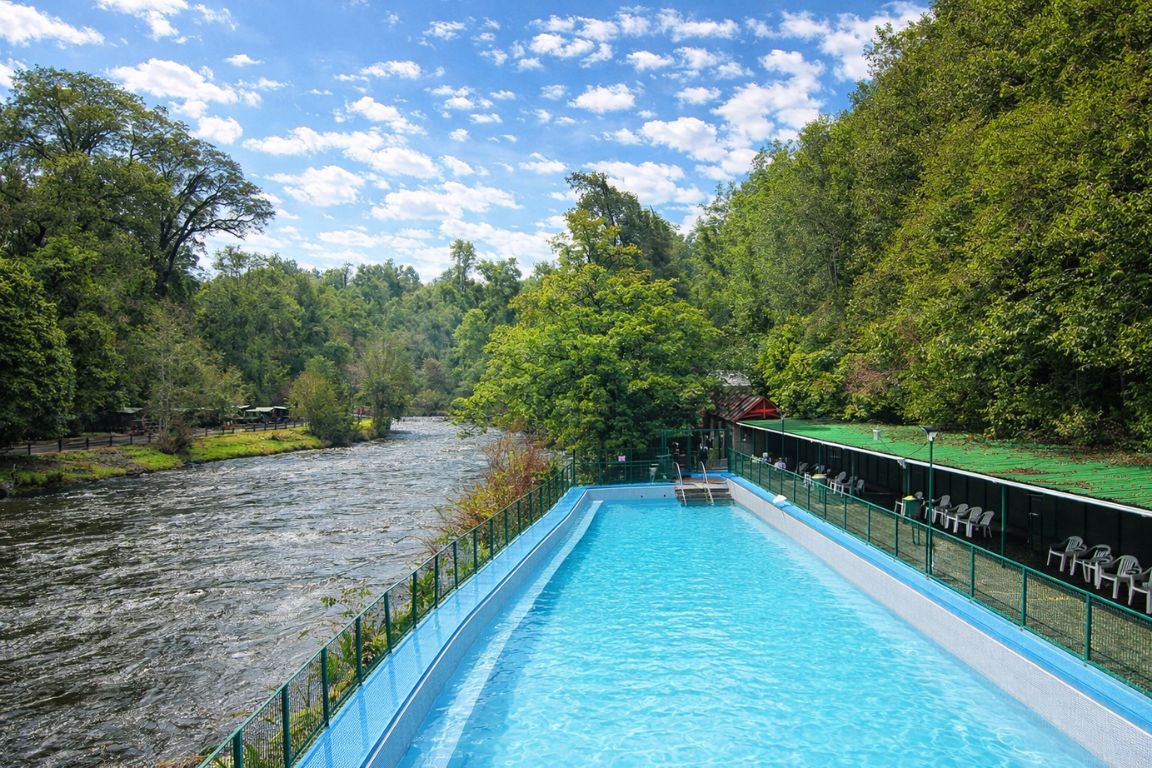
April to May and September to November shoulder seasons represent optimal periods balancing moderate temperatures, clear weather, manageable crowds, and reasonable costs creating ideal conditions for comprehensive desert exploration.
March through May autumn delivers perfect 20-28°C daytime temperatures with 0-5°C nights, 90-95% cloud-free skies, and 25-30% lower accommodation costs ($60-100 vs $80-150 peak summer).
September through November spring provides similar excellent conditions with warming temperatures, flamingo migration peak viewing, wildflower blooms (rare wet years), and comfortable touring weather.
December through February summer works though extreme heat (30-35°C peaks) forces midday breaks, creates highest prices, and brings maximum tourist crowds from global summer vacation timing.
The rental car costs we’ve discussed assume shoulder season rates – visiting Atacama in winter / summer / spring & fall affects not just tour prices but rental rates too, with summer premiums adding another 30-40%
Table: Atacama Seasons Overview Comparison
| Season | Months | Day Temp | Night Temp | Weather | Crowds | Prices | Best Activities | Challenges | Overall Rating |
|---|---|---|---|---|---|---|---|---|---|
| Autumn (Mar-May) | Mar, Apr, May | 20-28°C | 0-5°C | Excellent, clear 90-95% | Low-Medium | Medium $60-100 | All activities, photography | None significant | 9.5/10 (Best) |
| Winter (Jun-Aug) | Jun, Jul, Aug | 18-25°C | -5 to -10°C | Excellent, clear 95%+ | Medium | Medium-High $70-120 | Stargazing peak, photography | Cold nights, El Tatio extreme | 8.5/10 (Excellent) |
| Spring (Sep-Nov) | Sep, Oct, Nov | 22-28°C | 0-8°C | Excellent, clear 90-95% | Medium | Medium $60-100 | All activities, flamingos | Wind occasionally | 9/10 (Outstanding) |
| Summer (Dec-Feb) | Dec, Jan, Feb | 25-35°C | 10-15°C | Very good, clear 85-90% | Very High | High $80-150 | Comfortable nights, swimming | Extreme daytime heat, crowds | 7/10 (Good) |
April-May timing provides post-summer pleasant conditions with tourist numbers declining 30-40% versus December-February peak while weather remaining excellent and stable.
The September-November advantage shows nature awakening with occasional wildflowers (wet years), flamingo breeding activity peak, and comfortable temperatures rising from winter cold.
Shoulder season cost savings deliver 20-30% lower accommodation ($60-100 versus $80-150 peak), tour availability without advance booking stress, and restaurant tables without waits.
Summer challenge involves 30-35°C daytime heat forcing 12pm-4pm indoor refuge or pool time, with early morning departures (5-7am) and late afternoon activities (5-8pm) becoming necessary.
Winter night temperatures plunging to -10°C to -15°C at El Tatio Geysers (4,300m altitude, 4am departure) test cold tolerance though creating exceptional stargazing conditions (you can book tour here).
The year-round viability shows Atacama’s 300+ sunny days enabling visiting any month with strategic activity timing and proper clothing adaptation versus seasonal limitations elsewhere.
Photography enthusiasts favor April-May and September-October for optimal light quality, dramatic cloud formations (rare), and comfortable shooting conditions without extreme heat or cold.
Budget calculation shows shoulder season 5-day trip costing (you can book tour here) $600-900 versus $750-1,200 peak summer for identical itinerary representing $150-300 savings through accommodation and reduced competition.
Crowd difference affects experience quality with April-May small tour groups (8-12 people) versus December-January packed groups (20-30 people) reducing personal attention and photo opportunities.
Once your dates are set, check the Piedras Rojas, Altiplanic Lagoons & Chaxa full-day experience for a single highland day from San Pedro.
How Does Each Month Compare for Atacama Desert Visits?
January peaks summer heat (30-35°C) and crowds creating highest accommodation costs ($100-150 nightly) though offering warmest comfortable nights (10-15°C) for evening activities.
February maintains summer conditions with slight crowd reduction as school vacations end though heat persisting and prices remaining elevated through month end.
March begins autumn transition with temperatures moderating to 25-30°C, crowds declining 30-40%, and costs dropping 15-20% creating excellent value timing.
April delivers ideal conditions with 20-25°C perfect temperatures, minimal crowds, 25-30% cost savings, and stable clear weather representing peak value month.
Table: Month-by-Month Atacama Desert Conditions
| Month | Day Temp (°C) | Night Temp (°C) | Weather Quality | Crowds | Accommodation Cost | Tour Availability | Best For | Worst Aspect | Overall Score |
|---|---|---|---|---|---|---|---|---|---|
| January | 28-35°C | 10-15°C | Very Good (85-90% clear) | Very High | $100-150 | Full, book ahead | Warm nights, summer vacation | Extreme heat, crowds, prices | 6.5/10 |
| February | 27-33°C | 10-15°C | Very Good (85-90% clear) | High | $90-140 | Full operation | Still warm, slightly less busy | Heat continues, still expensive | 7/10 |
| March | 25-30°C | 5-10°C | Excellent (90-95% clear) | Medium | $70-110 | Full operation | Cooling, crowds dropping | None significant | 8.5/10 |
| April | 20-25°C | 0-5°C | Excellent (90-95% clear) | Low-Medium | $60-100 | Full operation | Perfect temps, low crowds, value | None significant | 9.5/10 |
| May | 18-23°C | -2 to 3°C | Excellent (90-95% clear) | Low | $60-100 | Full operation | Excellent conditions, value | Cooling nights | 9/10 |
| June | 18-23°C | -5 to -8°C | Excellent (95%+ clear) | Medium | $70-110 | Full operation | Stargazing peak begins | Cold nights starting | 8.5/10 |
| July | 18-24°C | -5 to -10°C | Excellent (95%+ clear) | Medium-High | $80-120 | Full operation | Best stargazing, winter break | Cold nights, higher prices | 8/10 |
| August | 20-25°C | -3 to -8°C | Excellent (95%+ clear) | Medium | $70-110 | Full operation | Still excellent stargazing | Cold nights continuing | 8.5/10 |
| September | 22-27°C | 0-5°C | Excellent (90-95% clear) | Medium | $60-100 | Full operation | Warming, flamingos, value | Wind occasionally | 9/10 |
| October | 24-28°C | 3-8°C | Excellent (90-95% clear) | Medium | $65-105 | Full operation | Beautiful spring, flamingos | Building toward peak season | 9/10 |
| November | 26-30°C | 5-10°C | Very Good (90-95% clear) | Medium-High | $70-120 | Full operation | Warm comfortable, still good value | Heating up, crowds increasing | 8.5/10 |
| December | 27-32°C | 8-12°C | Very Good (85-90% clear) | Very High | $90-140 | Full, book ahead | Comfortable nights, Christmas | Heat building, crowds, prices | 7/10 |
April ranking 9.5/10 reflects perfect temperature balance (20-25°C enabling all-day touring), minimal crowds creating intimate experiences, and 25-30% cost savings over peak months.
The January heat challenge shows 32-35°C peaks during 12pm-3pm forcing activity scheduling around extreme temperatures versus comfortable morning/evening windows.
May cooling provides excellent conditions though nighttime temperatures approaching 0°C at San Pedro (2,400m) requiring warm layers for evening stargazing (you can book tour here) or dining.
July winter peak brings Chilean school vacation (mid-July two weeks) increasing domestic tourism and prices 20-30% above June/August though maintaining excellent weather.
September spring transition shows occasional wind events (15-25 km/h gusts) affecting photography and outdoor comfort though not preventing activities.
The October sweet spot combines warming temperatures, spring flamingo activity peak, and pre-summer moderate crowds creating excellent photographic and touring conditions.
November late spring sees tourist numbers building toward December-February peak with accommodation requiring 2-3 week advance booking versus April walk-in availability.
December Christmas-New Year period (December 20-January 5) spikes prices 40-50% above baseline with accommodation reaching $120-180 for properties normally $70-100.
Temperature variation shows 15-20°C daily swings common with 28°C afternoon dropping to 8°C midnight requiring layering strategy versus consistent warm climates.
What Are Summer Conditions (December-February) in Atacama?
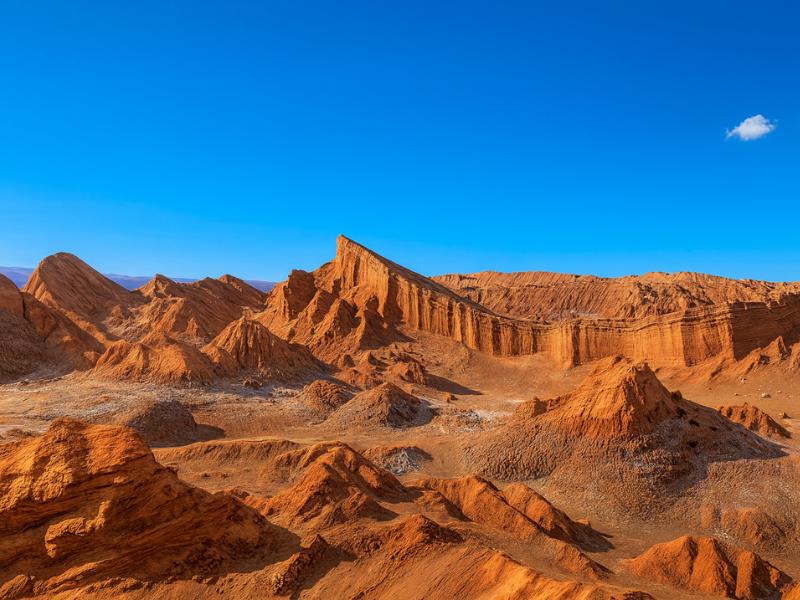
Summer delivers warmest daytime temperatures 27-35°C creating comfortable evening conditions (10-15°C) perfect for outdoor dining, stargazing, and night photography without extreme cold gear.
Extreme daytime heat 12pm-4pm reaches 32-35°C in exposed salt flats (you can book tour here) and valleys forcing midday pool time, air-conditioned refuge, or siesta breaks mimicking local patterns.
Highest tourist crowds from global Northern hemisphere summer vacations fill accommodations requiring 3-4 month advance booking quality properties and creating 20-30 person tour groups.
Peak pricing shows accommodation $80-150 nightly (versus $60-100 shoulder seasons) with tours, restaurants, and services charging premium rates reflecting maximum demand period.
Table: Summer (December-February) Detailed Conditions
| Factor | December | January | February | Impact on Visit | Management Strategy | Who This Suits |
|---|---|---|---|---|---|---|
| Day Temperature | 27-32°C | 28-35°C | 27-33°C | Midday heat uncomfortable | Schedule early/late activities | Heat-tolerant visitors |
| Night Temperature | 8-12°C | 10-15°C | 10-15°C | Very comfortable evenings | Perfect for night tours | Everyone benefits |
| Weather Reliability | 85-90% clear | 85-90% clear | 85-90% clear | Still excellent | Standard planning | Reliable conditions |
| Crowd Level | Very High | Extreme | High | Packed tours, busy restaurants | Book 3-4 months ahead | Social travelers, families |
| Accommodation Cost | $90-140 | $100-150 | $90-140 | 30-50% premium | Budget higher or book early | Higher budget, peak season preference |
| Tour Group Size | 20-30 people | 25-30 people | 20-28 people | Less personal attention | Private tours or accept | Patient visitors |
| Activity Timing | 6-11am, 5-8pm | 5-11am, 5-9pm | 6-11am, 5-8pm | Split day schedule | Adapt to heat | Flexible schedulers |
| Photography Light | Harsh midday | Very harsh midday | Harsh midday | Challenging contrast | Golden hour focus | Experienced photographers |
Summer advantage for cold-averse travelers shows 10-15°C comfortable nights requiring only light jacket versus winter -10°C to -15°C demanding extreme layers.
The midday heat management requires planning with El Tatio departures (4am) completing by 12pm, Valle de la Luna scheduling 5-8pm sunset, and Altiplanic Lagoons being all-day exposing to peak heat.
Accommodation scarcity December-February forces booking 12-16 weeks ahead for preferred properties versus April-May 2-4 week advance booking securing better rates and availability.
Tour group impact shows 25-30 person groups creating slower pacing, reduced guide interaction, and crowded viewing platforms versus 8-12 person shoulder season intimacy.
The Christmas-New Year spike (December 20-January 5) sees San Pedro hotels charging $120-180 versus $70-110 regular December pricing representing 50-70% premiums.
Photography challenges include harsh 12pm-3pm sun creating extreme contrast, blown highlights, and unflattering light versus golden-hour 6-8am and 6-8pm optimal conditions.
Swimming pool advantage shows hotel pool time becoming essential midday activity with 32°C heat making pool refuge worthwhile versus winter when pools unused.
Evening comfort enables extended outdoor activities with 10-15°C allowing restaurant patio dining, stargazing tours, and night photography without numbing cold.
Budget impact shows summer family 5-day trip costing $900-1,400 versus $650-1,000 shoulder season representing $250-400 premium for peak-season timing.
Three Ways To Make More Of Your Trip
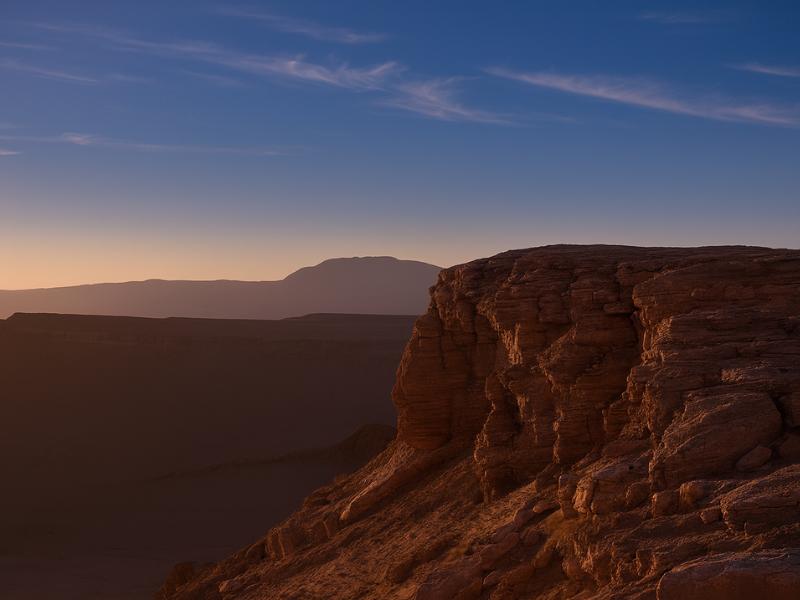
Atacama: 4 Tours In 3 Days
Spend your planning time on the rest of the trip. This package brings four outings into a three-day schedule, with accommodation pickup and a bilingual guide.
Entrance charges vary; accommodation is not included.
Book on GetYourGuideSee The 3-Day Tour Plan ↗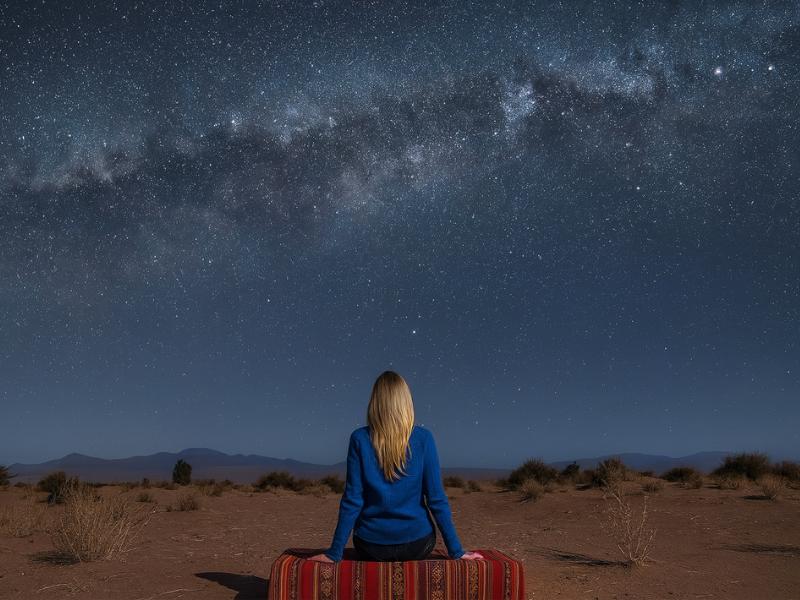
The Roofless Stargazing Experience
Make the sky part of your trip: telescope observation, an astronomy talk and a professional photo to take home.
Hot drinks and blankets provided. Dress warmly; pickup coverage is limited.
Book on ViatorChoose My Stargazing Night ↗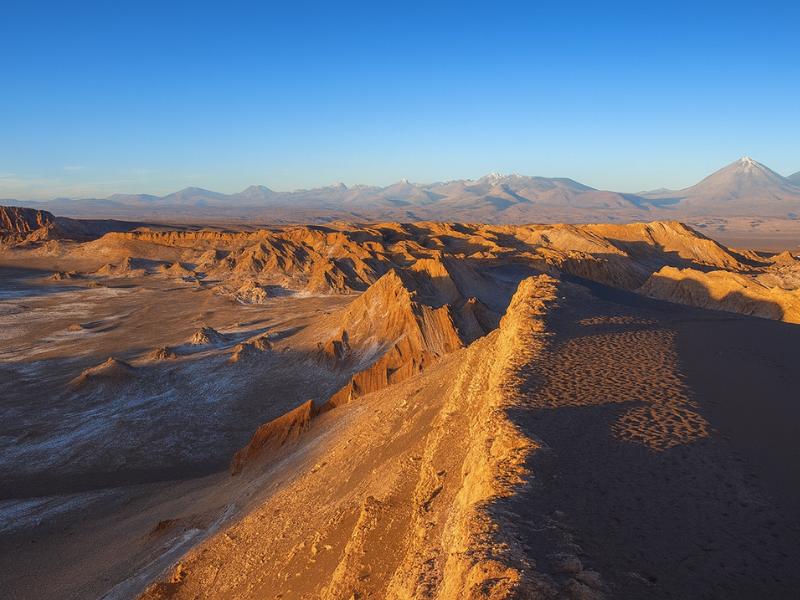
Valley Of The Moon
Make room for a desert landscape outing without committing several days. A guided Moon Valley excursion gives your afternoon a clear destination.
About four hours. Walking is involved; read the participation requirements.
Book on ViatorSee Moon Valley Departures ↗What Are Winter Conditions (June-August) in Atacama Desert?
Winter provides exceptional stargazing (book tour here) with coldest clearest nights (-5°C to -10°C San Pedro, -15°C to -20°C El Tatio) creating atmospheric stability and minimal moisture optimal astronomy.
Daytime temperatures remain pleasant 18-25°C enabling comfortable touring with crystal-clear skies (95%+ cloud-free) and exceptional visibility extending 100+ km across desert landscapes.
Cold nights demand serious preparation with -10°C to -15°C nighttime temperatures at 2,400m San Pedro elevation and -20°C to -25°C pre-dawn El Tatio Geysers (book tour here) creating genuine cold exposure.
Mid-range crowds and costs show moderate tourism levels between summer peak and shoulder minimum, with accommodation $70-120 reflecting elevated demand from stargazing enthusiasts and Chilean winter vacation.
Table: Winter (June-August) Detailed Conditions
| Factor | June | July | August | Stargazing Focus | Cold Management | Best For |
|---|---|---|---|---|---|---|
| Day Temperature | 18-23°C | 18-24°C | 20-25°C | Comfortable daytime touring | Normal layers adequate | All visitors |
| Night Temperature (San Pedro) | -5 to -8°C | -5 to -10°C | -3 to -8°C | Extreme cold evening/night | Down jacket, thermal layers essential | Cold-tolerant |
| Night Temp (El Tatio 4,300m) | -15 to -20°C | -18 to -25°C | -15 to -20°C | Brutal pre-dawn cold | Extreme winter gear required | Prepared adventurers |
| Sky Clarity | 95%+ clear | 95%+ clear | 95%+ clear | Perfect stargazing conditions | None needed, benefit maximum | Astronomy enthusiasts |
| Atmospheric Stability | Excellent | Outstanding | Excellent | Sharpest telescope viewing | Benefit from cold stability | Astrophotographers |
| Crowd Level | Medium | Medium-High (vacation) | Medium | Manageable group sizes | Moderate advance booking | Stargazers, photographers |
| Accommodation Cost | $70-110 | $80-120 | $70-110 | Moderate premium | Budget accordingly | Moderate budget |
| Milky Way Position | Rising southeast | Overhead south | Overhead south | Optimal galactic center | Perfect viewing geometry | Night sky photographers |
Winter stargazing superiority shows -10°C nights creating atmospheric stability eliminating thermal turbulence that blurs planetary detail during warmer months.
The El Tatio (book tour here) extreme cold reality involves 4am departures in -20°C to -25°C temperatures at 4,300m altitude requiring extreme winter gear (rated -30°C) and serious cold tolerance.
Daytime comfort persists with 20-25°C sunny afternoons enabling Valle de la Luna (you can book tour here) exploration, Salar de Atacama (you can book tour here) visits, and town wandering in t-shirt and light layers.
July mid-winter school vacation (Chilean two-week break) increases domestic tourism 30-40% creating moderate crowds though nothing approaching December-February international peak.
The astronomical advantage shows Milky Way galactic center positioned overhead June-August providing spectacular zenith viewing impossible other months when positioned lower southern horizon.
Cold-weather clothing investment requires down jacket ($100-200), thermal base layers ($50-100), warm hat ($20-40), gloves ($30-60), totaling $200-400 versus summer $50-100 light layers.
Accommodation heating inconsistency shows some budget properties lacking adequate heating with nighttime room temperatures dropping to 10-15°C requiring extra blankets versus mid-range hotels maintaining 18-20°C.
Photography benefits include crystal-clear atmospheric conditions creating 150+ km visibility, sharp mountain details, and exceptional color saturation versus summer haze.
The winter decision suits cold-tolerant visitors prioritizing world-class stargazing (book tour here) over summer warmth, accepting nighttime discomfort for astronomical perfection.
What Are Shoulder Season Advantages (March-May, September-November)?
Shoulder seasons deliver optimal temperature balance with 20-28°C daytime comfort enabling all-day activities without midday heat refuge or extreme cold management.
Cost savings reach 20-30% below peak season with accommodation $60-100 versus $80-150 summer, tours more negotiable, and restaurants offering better value through lower demand.
Smaller tour groups averaging 8-15 participants versus 20-30 peak summer provide enhanced guide interaction, flexible pacing, and superior photography opportunities without crowd competition.
Weather reliability maintains 90-95% cloud-free conditions matching peak season while avoiding extreme heat (summer) or cold (winter) creating perfect Goldilocks zone.
Table: Shoulder Season (Spring/Autumn) Advantages Breakdown
| Advantage Category | March-May Autumn | September-November Spring | Cost Savings | Experience Quality | Ideal For |
|---|---|---|---|---|---|
| Temperature Comfort | 20-28°C days, 0-5°C nights | 22-28°C days, 0-8°C nights | No cost, pure benefit | Outstanding all-day touring | Everyone |
| Accommodation Pricing | $60-100 (25-30% below peak) | $60-100 (25-30% below peak) | Save $20-50 nightly | Same quality, lower price | Budget-conscious |
| Tour Group Size | 8-15 average | 10-15 average | Better value per $ | Enhanced personal attention | Quality seekers |
| Booking Flexibility | 2-4 weeks adequate | 2-4 weeks adequate | Last-minute deals possible | Reduced planning stress | Spontaneous travelers |
| Photography Crowds | Minimal competition | Minimal competition | N/A | Clean shots, no people | Photographers |
| Restaurant Availability | Walk-in tables easy | Walk-in tables easy | No premium pricing | Relaxed dining | Foodies |
| Weather Reliability | 90-95% clear | 90-95% clear | Predictable planning | Excellent conditions | All visitors |
| Unique Phenomena | Autumn colors (subtle) | Wildflowers (rare wet years), flamingos | Seasonal exclusives | Enhanced natural beauty | Nature enthusiasts |
March-May autumn positioning follows summer peak providing immediate relief from crowds while temperatures remaining comfortable and weather stable through May.
The September-November spring attraction shows warming temperatures, flamingo breeding activity peak (October-November), and occasional wildflower blooms (wet years) creating photogenic conditions.
Accommodation value shows identical $70-90 mid-range properties charging $100-130 December-February representing 30-40% premium for same experience during shoulder versus peak.
Tour group intimacy enables personalized guide attention with 10-person groups receiving detailed explanations, customized pacing, and individual question-answering versus rushed 25-person summer mobs.
Photography advantage eliminates tourist crowds from Valle de la Luna sunset, Salar de Atacama reflections, and El Tatio geysers creating clean compositions versus summer people-dodging.
The booking flexibility shows 2-4 week advance securing preferred tours and accommodation versus summer 8-12 week requirements, enabling spontaneous planning and late adjustments.
Restaurant experience improves dramatically with walk-in tables at quality establishments versus summer requiring reservations days ahead at popular spots during peak dinner hours.
April specifically delivers absolute best conditions combining autumn beauty, minimal crowds (lowest annual), perfect temperatures, and 30% cost savings creating ideal value month.
September wildflower occurrence requires wet winter (rare, 1 in 5 years) though when occurring transforms desert with purple, yellow, and white blooms creating spectacular photography.
How Do Day and Night Temperatures Vary Throughout Year?
Daily temperature swings reach 15-25°C year-round with 28°C afternoon dropping to 5°C midnight being typical, requiring layering strategy and thermal flexibility.
Summer shows smallest variation (15-18°C range) with 32°C days and 15°C nights remaining comfortable both periods versus winter 20-25°C swings from 23°C day to -5°C night.
Altitude amplifies temperature extremes with San Pedro 2,400m experiencing moderate swings versus El Tatio 4,300m showing 25-30°C variations from -20°C predawn to 8°C afternoon.
Extreme high temperatures peak January-February 32-35°C during 1-4pm period in exposed valley locations and salt flats versus sheltered areas maintaining 28-30°C.
Table: Temperature Patterns Throughout Atacama Year
| Season | Typical Day High | Typical Night Low | Daily Range | Extreme Highs | Extreme Lows | Clothing Strategy | Comfort Level |
|---|---|---|---|---|---|---|---|
| Summer (Dec-Feb) | 27-32°C | 10-15°C | 15-18°C | 35°C (exposed areas) | 8°C (rare cold fronts) | Light day, light jacket night | Very comfortable nights, hot days |
| Autumn (Mar-May) | 20-25°C | 0-5°C | 18-22°C | 28°C (early March) | -3°C (late May) | Moderate layers, warm night gear | Comfortable days, cool nights |
| Winter (Jun-Aug) | 18-24°C | -5 to -10°C | 23-28°C | 25°C (sunny) | -15°C (clear nights) | Light day, extreme layers night | Pleasant days, brutal nights |
| Spring (Sep-Nov) | 22-28°C | 0-8°C | 18-24°C | 30°C (late Nov) | -2°C (early Sep) | Moderate day, warm layers night | Comfortable days, cool nights |
| At El Tatio (4,300m) | 5-10°C midday | -18 to -25°C (4am) | 25-30°C | 12°C (summer midday) | -28°C (winter predawn) | Extreme cold gear always | Challenging conditions always |
Temperature swing strategy requires layering system with light base layer, insulating mid-layer, and warm outer layer enabling adding/removing as 20°C daily variations occur.
The summer night advantage shows 10-15°C enabling evening stargazing tours, restaurant patios, and outdoor activities in light jacket versus winter -10°C requiring down jacket, thermal layers.
El Tatio (book tour here) extreme conditions involve 4am departure experiencing -20°C to -25°C predawn at 4,300m altitude, warming to only 5-8°C by 10am return creating sustained cold exposure.
Winter paradox shows pleasant 20-23°C sunny afternoons enabling comfortable touring in t-shirt while that evening dropping to -10°C requiring complete gear transformation.
The altitude impact demonstrates San Pedro 2,400m experiencing -10°C winter nights while valley floor locations 500m lower maintaining -5°C, though most tours operating from San Pedro elevation.
Humidity absence means stated temperatures feel accurate without humidity-added oppression (summer) or wind-chill misery (winter common humid climates) creating dry comfortable heat/cold.
Layering calculation shows summer requiring light jacket ($40-80) for 10-15°C nights versus winter needing down jacket ($100-200), thermal layers ($50-100), warm accessories ($50-100).
The clothing transition timing shows wearing t-shirt and shorts 2pm Valle de la Luna then adding fleece and jacket by 6pm sunset as temperature drops 15°C within hours.
Record extremes reach 38°C (January exposed salt flats) versus -18°C (August clear night San Pedro) though typical ranges remaining narrower and more predictable.
What Activities Are Available Year-Round in Atacama?
Valle de la Luna (book tour here) sunset tours operate daily year-round with only timing adjustments (5pm winter, 7pm summer) adapting to seasonal sunset variations creating consistently spectacular visits.
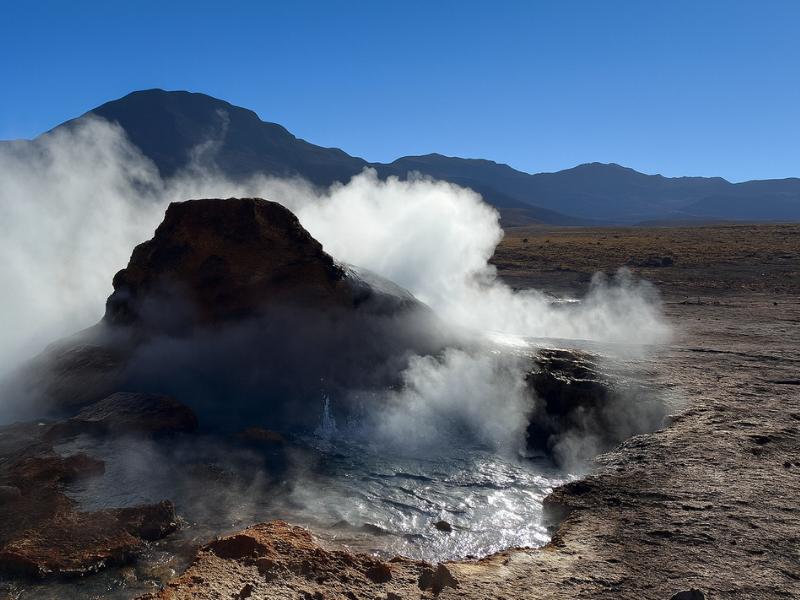
El Tatio Geysers maintain year-round departures (4am typically) though winter -20°C to -25°C predawn cold tests tolerance versus summer -5°C to -10°C being merely cold.
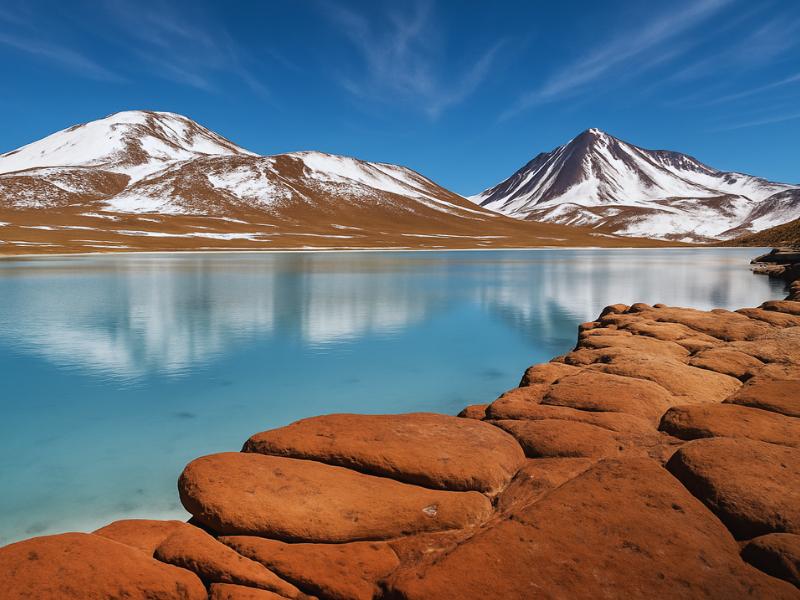
Altiplanic Lagoons tours run daily throughout year with winter offering crystal-clear conditions and summer providing slightly warmer though still cold 4,000m altitude temperatures.
Stargazing tours operate nightly year-round though winter June-August delivering optimal conditions with darkest coldest nights and overhead Milky Way galactic center position.
Table: Year-Round Atacama Activity Seasonal Variations
| Activity | Jan-Feb | Mar-May | Jun-Aug | Sep-Nov | Best Season | Seasonal Considerations | Year-Round Viability |
|---|---|---|---|---|---|---|---|
| Valle de la Luna Sunset | 7-8pm, hot day | 6-7pm, comfortable | 5-6pm, pleasant | 6-7pm, warming | Apr-May, Sep-Oct optimal | Summer heat midday, winter pleasant | Excellent all year |
| El Tatio Geysers | 4am, -5 to -10°C | 4am, -10 to -15°C | 4am, -18 to -25°C | 4am, -10 to -15°C | Apr-May, Sep-Oct moderate cold | Winter brutal cold, summer tolerable | Good all year, winter challenges |
| Altiplanic Lagoons | All day, 4,000m altitude | All day, cold at altitude | All day, very cold | All day, cool | Apr-May, Sep-Oct | Always cold at 4,000m+ | Excellent all year |
| Stargazing Tours | 9-11pm, warm | 8-10pm, cool | 7-9pm, cold | 8-10pm, cool | Jun-Aug peak astronomy | Winter coldest clearest, summer comfortable | Excellent all year |
| Salar de Atacama/Flamingos | Hot midday, comfortable evening | Comfortable all day | Pleasant days, cold evening | Comfortable days | Sep-Nov flamingo peak | Summer heat exposure, winter pleasant | Excellent all year |
| Rainbow Valley | Very hot midday | Comfortable | Pleasant | Warming | Apr-May, Sep-Oct | Summer requires early morning | Good all year |
| Cejar Lagoon Swimming | Warm comfortable | Cooling | Too cold water/air | Warming | Dec-Mar only realistic | Winter water too cold | Poor winter (Jun-Aug) |
| Town Exploration San Pedro | Hot midday refuge | Comfortable | Pleasant days | Comfortable | Any mild season | Summer midday heat drives indoors | Excellent all year |
| Photography General | Harsh light midday | Excellent light | Crystal clear | Beautiful light | Apr-May, Sep-Nov | Summer harsh, winter clarity | Very good all year |
Valle de la Luna year-round operation shows consistent spectacular sunset experiences though summer heat making daytime exploration uncomfortable versus spring/autumn all-day accessibility.
The El Tatio cold reality demonstrates winter -20°C to -25°C 4am temperatures at 4,300m altitude being genuinely dangerous without proper gear versus summer -8°C to -10°C merely uncomfortable.
Altiplanic Lagoons high-altitude consistency shows 4,000-4,300m elevation maintaining cold conditions year-round with winter -5°C to -10°C versus summer 5-10°C daytime at lakes.
Stargazing seasonal advantage places winter June-August as absolute peak with darkest nights, clearest atmosphere, and Milky Way overhead though summer remaining excellent just slightly inferior.
Cejar Lagoon swimming limitation shows only December-March being comfortable with 10-15°C air temperatures and ~15°C water versus June-August -5°C air making swimming miserable hypothermia risk.
The photography light quality peaks April-May and September-November with golden hour lasting longer, atmospheric clarity excellent, and temperature extremes absent creating optimal shooting.
Flamingo viewing best occurs September-November during breeding season when thousands concentrate at Salar de Atacama‘s Chaxa Lagoon versus scattered populations other months.
Town exploration San Pedro shows summer forcing midday indoor refuge (12-4pm) in air-conditioned cafes, museums, accommodation versus autumn/spring enabling comfortable all-day wandering.
Rainbow Valley summer challenge involves intense heat in exposed colorful rock formations requiring 7-9am visits versus April-May allowing comfortable 9am-2pm exploration.
The whole booking Atacama tours: advance vs on arrival question becomes moot if you rent a car – except you’ll still be booking tours anyway for El Tatio and Altiplanic, so you haven’t actually avoided this decision.
When Are the Worst Times to Visit Atacama Desert?
Late January through mid-February represents worst timing combining peak heat (32-35°C), maximum crowds, highest prices (40-50% above baseline), and reduced availability creating stressful unpleasant conditions.
Mid-December through early January Christmas-New Year period sees accommodation prices spiking $120-180 versus $70-100 normal December, requiring 4-5 month advance booking for mediocre properties.
No truly “bad” months exist from weather perspective with 300+ sunny days and minimal rainfall making every month viable, though timing affecting comfort, costs, and experience quality.
July mid-winter Chilean school vacation (two weeks) increases domestic tourism creating moderate crowding and 20-30% price increases though nothing approaching summer international peak.
Table: Least Ideal Atacama Timing
| Period | Why Problematic | Temperature Issues | Crowd Level | Price Premium | Booking Difficulty | Better Alternative | Exception Cases |
|---|---|---|---|---|---|---|---|
| Late Jan – Mid Feb | Peak heat + crowds | 30-35°C extreme heat | Extreme | +40-50% | Very hard, 3-4 months ahead | April-May or Sep-Oct | Heat-lovers with high budget |
| Christmas – New Year (Dec 20-Jan 5) | Extreme crowds + prices | 28-32°C hot | Extreme | +50-70% | Extremely hard, 4-5 months | Early December or late January | Must-visit holiday timing |
| Mid-July (Chilean Winter Break) | Domestic tourism peak | Pleasant days, -10°C nights | High | +20-30% | Moderate difficulty | June or August | Stargazing enthusiasts accepting crowds |
| Early December (Pre-Holiday) | Crowds building rapidly | 27-30°C warming | High | +30-40% | Difficult, 2-3 months | November or late January | Those wanting summer conditions |
Late January-February heat extremes show 32-35°C temperatures creating genuine discomfort during midday with asphalt, salt flats, and rocks radiating stored heat intensifying conditions.
The Christmas-New Year booking nightmare requires 16-20 weeks advance for decent accommodation with many properties fully booked 4-5 months ahead at inflated rates.
July Chilean vacation impact remains moderate compared to international summer peak with domestic tourists being fewer though creating temporary 2-week spike in otherwise calm winter.
No rainfall concern exists year-round with annual precipitation under 15mm total (often under 5mm) meaning weather cancellations being virtually nonexistent any month.
The heat management reality shows January-February visitors adapting schedules with 5-7am tour starts, 12-4pm pool/rest time, and 5-8pm evening activities versus preferred all-day touring.
December early month sees rapid crowd building as international travelers arriving for Christmas holidays creating transition from comfortable November to packed late December.
Budget impact shows avoiding January-February and Christmas-New Year saving $300-600 on 5-day trip through accommodation, tour premiums, and inflated restaurant pricing.
Exception cases include heat-tolerant visitors specifically wanting warm comfortable nights (summer 10-15°C vs winter -10°C) and accepting daytime heat trade-off.
The truly worst days being December 24-26 and December 31-January 1 when everything fully booked 6+ months ahead at 70-100% price premiums over regular peak rates.
Find A Date For Your Experience
Atacama: 4 Tours In 3 Days
Choose your date on the booking platform to see current prices and availability.
See The 3-Day Tour Plan ↗How Does Weather and Rainfall Affect Atacama Visits?
Annual rainfall averages under 15mm (0.6 inches) total with many years receiving under 5mm making Atacama world’s driest desert and weather cancellations essentially nonexistent.
Occasional summer storms (January-March) bring brief afternoon convection clouds though rarely producing rain and clearing by evening maintaining 85-90% cloud-free reliability.
Altiplanic winter phenomenon (January-February) shows rare afternoon clouds at 4,000m+ elevations from Bolivian Altiplano weather systems though not affecting San Pedro valley locations.
Wind events occur occasionally September-November (spring) with 20-30 km/h gusts creating discomfort though not preventing activities, lasting typically 2-4 hours before calming.
Safety in San Pedro means reliable infrastructure, help nearby, and cell coverage – all of which disappear the moment you drive down those unmarked dirt roads attempting DIY navigation to Laguna Cejar.
Table: Weather Patterns and Phenomena by Season
| Weather Factor | Summer (Dec-Feb) | Autumn (Mar-May) | Winter (Jun-Aug) | Spring (Sep-Nov) | Annual Average | Impact on Tours | Cancellation Risk |
|---|---|---|---|---|---|---|---|
| Rainfall Annual Total | 5-10mm (if any) | 0-2mm | 0-1mm | 2-5mm | 10-15mm total | Virtually none | Near zero (<1%) |
| Cloud-Free Days % | 85-90% | 90-95% | 95-98% | 90-95% | 92% average | Excellent reliability | Very low |
| Afternoon Clouds (Summer) | 10-15% days brief | Rare | Very rare | Rare | Minimal | Clears by evening | None |
| Wind Events | Occasional light | Occasional | Rare | Moderate (spring winds) | Low overall | Minor discomfort only | Near zero |
| Fog | None | None | None | None | Never | None | Zero |
| Humidity Average | <5% | <3% | <1% | <3% | <3% | Extremely dry, excellent | None |
| Atmospheric Clarity | Very Good | Excellent | Outstanding | Excellent | Exceptional | Best visibility globally | None |
| Temperature Inversions | Rare | Occasional | Common | Occasional | Variable | Enhances stargazing | Beneficial |
Rainfall scarcity shows entire annual precipitation falling during 2-3 days typically, with many years experiencing zero measurable rain creating absolutely reliable touring.
The cloud pattern shows occasional afternoon convection summer creating 2-3 hour cloud development though clearing by 6-7pm for sunset tours maintaining schedule reliability.
Wind seasonality demonstrates September-November spring winds (15-25 km/h gusts) being most common though rarely exceeding discomfort level and never reaching sandstorm intensity.
Humidity extremes under 1% winter create parched air requiring 3-4 liters daily hydration (versus normal 2 liters) preventing dehydration and altitude sickness amplification.
The atmospheric clarity exceptional conditions enable 100-150km visibility year-round with winter achieving 150+ km crystal-clear mountain views and star visibility to horizon.
Fog complete absence differs from coastal Chile where Pacific fog being common, though Atacama’s interior position and extreme aridity preventing fog formation entirely.
Temperature inversion phenomenon winter shows warm air layers above cold ground creating stable atmosphere ideal for astronomy and enhanced visibility through reduced turbulence.
Altiplanic weather independence shows San Pedro valley (2,400m) being isolated from high-plateau storms affecting Bolivia and Argentine borders at 4,500-6,000m elevations.
The weather reliability advantage means zero days lost to cancellations versus destinations averaging 20-30% weather-related disruptions creating frustration and wasted time.
Year-round departures are listed on the Valley of the Moon tour page; the weather tables above show cancellations as rare.
How Do Costs Vary Throughout the Atacama Year?
Peak summer season December-February commands highest accommodation rates $80-150 nightly mid-range versus $60-100 shoulder seasons representing 25-35% premiums.
Christmas-New Year period December 20-January 5 sees extreme pricing with $120-180 accommodation for properties normally $70-100, representing 50-80% spike above regular December rates.
Shoulder seasons March-May and September-November deliver best value with 20-30% lower accommodation, available last-minute bookings, and negotiable tour rates versus peak demand periods.
Tour prices remain relatively stable year-round ($25-80 per tour) though peak-season availability requiring advance booking versus shoulder walk-in flexibility providing spontaneous value.
Look, if you’re working with a trip costs and budgeting guide for your Atacama visit, the rental car math just doesn’t work for most travelers – those dollars go further elsewhere.
Table: Atacama Cost Variations Throughout Year
| Cost Category | Summer Peak (Dec-Feb) | Shoulder (Mar-May, Sep-Nov) | Winter (Jun-Aug) | Christmas Week | Savings Opportunity | Annual Range |
|---|---|---|---|---|---|---|
| Accommodation Budget | $50-90 | $40-70 | $50-80 | $70-120 | Save $10-50 nightly | $40-120 |
| Accommodation Mid-Range | $80-150 | $60-100 | $70-120 | $120-180 | Save $20-80 nightly | $60-180 |
| Tours (Valle de la Luna) | $25-35 | $25-35 | $25-35 | $30-40 | Minimal savings | $25-40 |
| Tours (El Tatio) | $45-60 | $45-60 | $45-60 | $50-65 | Minimal savings | $45-65 |
| Tours (Altiplanic Lagoons) | $60-80 | $60-80 | $60-80 | $65-85 | Minimal savings | $60-85 |
| Restaurant Meal Average | $15-30 | $12-25 | $12-25 | $18-35 | Save $3-10 per meal | $12-35 |
| Daily Budget Total (Mid-Range) | $150-250 | $120-180 | $130-200 | $180-300 | Save $30-70 daily | $120-300 |
| 5-Day Trip Total (Mid-Range) | $750-1,250 | $600-900 | $650-1,000 | $900-1,500 | Save $150-550 trip | $600-1,500 |
Accommodation cost driver shows lodging representing 40-50% of total daily budget with $80-150 peak versus $60-100 shoulder creating majority of savings opportunity.
The Christmas-New Year spike affects entire tourism infrastructure with restaurants, tours, and rental cars joining accommodation in 30-50% premium pricing over regular peak rates.
Shoulder season flexibility enables last-minute bookings 1-2 weeks ahead securing better properties at lower rates versus summer 8-12 week advance requirements for mediocre options.
Tour price stability shows operators maintaining $45-60 El Tatio and $60-80 Altiplanic Lagoons year-round with minor peak premiums versus accommodation wild swings.
Restaurant cost variation shows peak-season tourist menus charging $18-25 mains versus shoulder $12-18 with less crowding enabling better service and reduced wait times.
The five-day calculation demonstrates shoulder season comprehensive trip costing $600-900 versus peak $750-1,250 representing $150-350 savings for identical experiences.
Budget traveler advantage shows shoulder season hostels $40-70 and self-catering reducing daily costs to $80-120 versus peak $100-150 minimum.
Rental car pricing shows moderate 20-30% peak premiums ($60-90 daily summer vs $50-70 shoulder) though availability being bigger concern December-February requiring advance booking.
Flight costs to Calama showing 30-50% peak summer premiums ($250-450 vs $180-350 shoulder) from major Chilean cities amplifying total trip cost differences.
What Are Traveler Type Recommendations for Atacama Timing?
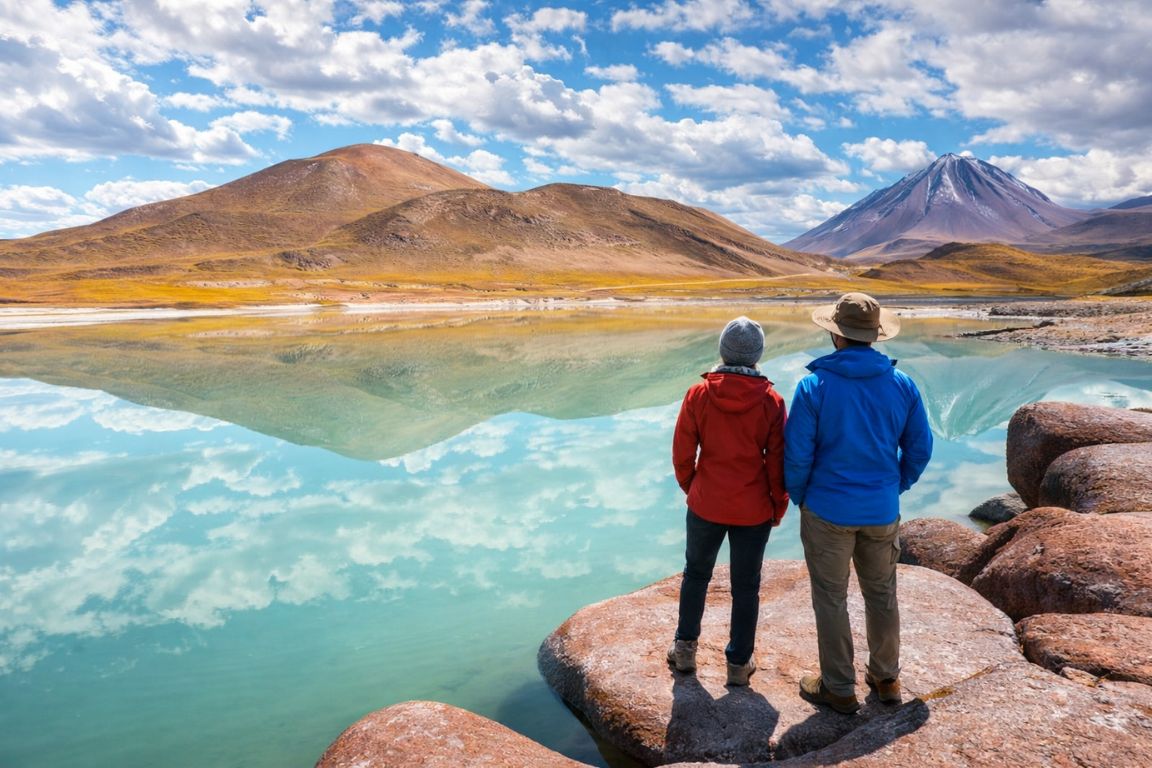
First-time visitors should target April-May or September-October shoulder seasons providing optimal conditions, moderate costs, and comfortable weather creating ideal introduction without extreme heat/cold.
Budget travelers favor March-April and October-November for maximum savings (25-30% below peak), last-minute booking flexibility, and smaller tour groups delivering better value.
Photography enthusiasts prioritize April-May autumn and September-October spring for optimal light quality, dramatic skies (rare clouds), comfortable shooting temperatures, and minimal tourist crowds.
Families with kids suit December-February summer offering comfortable nights (10-15°C), pleasant pool weather, and avoiding extreme El Tatio cold though accepting crowds and costs.
Table: Best Atacama Timing by Traveler Profile
| Traveler Type | Best Months | Second Choice | Why These Months | Budget Level | Avoid | Special Considerations |
|---|---|---|---|---|---|---|
| First-Timers | Apr-May, Sep-Oct | Mar, Nov | Perfect conditions, value, comfort | Mid-range $120-180 daily | Jan-Feb extreme heat | Balanced experience all aspects |
| Budget Travelers | Mar-Apr, Oct-Nov | May, Sep | Maximum savings 25-30%, hostels available | Budget $80-120 daily | Dec-Feb expensive | Self-cater, last-minute deals |
| Photographers | Apr-May, Sep-Oct | Mar, Jun-Aug | Optimal light, minimal crowds, comfortable temps | Mid-range $130-200 daily | Dec-Feb harsh light | Bring backup batteries (cold) |
| Families with Kids | Dec-Feb | Mar-Apr, Oct-Nov | Comfortable nights, pool weather, no extreme cold | Higher $200-350 daily family | Jun-Aug too cold nights | Accept crowds, book ahead |
| Astronomy Enthusiasts | Jun-Aug | Apr-May, Sep-Oct | Darkest nights, Milky Way overhead, <1% humidity | Mid-range $130-200 daily | None terrible | Accept cold, bring warm gear |
| Adventure Seekers | Apr-May, Sep-Nov | Mar, Jun-Aug | Comfortable hiking, perfect conditions | Mid-range $140-220 daily | Jan-Feb too hot | All activities accessible |
| Luxury Travelers | Apr-May, Sep-Oct | Mar, Nov | Best weather, refined experience, fewer crowds | Luxury $300-500+ daily | Jan-Feb heat discomfort | Premium properties less crowded |
| Cold-Averse Visitors | Dec-Feb, Mar | Oct-Nov | Warmest nights, minimal cold exposure | Mid-range $150-250 daily | Jun-Aug cold nights | Accept summer trade-offs |
| Solo Travelers | Apr-May, Sep-Oct | Mar, Nov | Meet other travelers, group tours available | Budget-Mid $100-180 daily | None specifically | Hostels social these months |
First-timer recommendation April-May and September-October balances all factors providing perfect introduction without weather extremes, costs, or crowds detracting from experience.
The budget traveler advantage March-April and October-November shows maximum savings opportunity with 30% below peak and last-minute deals versus summer advance booking premiums.
Photography priority April-May and September-October provides golden hour light lasting 90+ minutes versus summer 45-60 minutes, with atmospheric clarity and comfortable shooting temperatures.
Family summer suitability shows 10-15°C comfortable nights enabling evening activities without children suffering cold versus winter -10°C being miserable for kids.
Astronomy enthusiast acceptance of winter cold shows June-August being optimal despite -10°C San Pedro and -20°C El Tatio because atmospheric conditions being absolute best.
The adventure seeker timing April-May and September-November enables all activities (hiking, biking, climbing, exploring) being comfortable versus summer heat limiting or winter cold restricting.
Luxury traveler shoulder season preference shows refined properties being less crowded, staff having more time for personalized service, and conditions being optimal for premium experiences.
Cold-averse necessity choosing December-February summer accepting heat trade-offs to avoid winter -10°C nights that would ruin their experience entirely.
Solo traveler shoulder season advantage shows hostels having good occupancy creating social opportunities though not overwhelming summer crowds, plus group tours forming easily.
FAQs
What is the best month to visit Atacama Desert?
April ranks #1 combining perfect 20-25°C temperatures, minimal crowds (lowest annual), 25-30% cost savings versus peak, and excellent 90-95% cloud-free weather creating ideal comprehensive conditions.
When should you avoid Atacama Desert?
Late January through mid-February shows worst conditions combining peak heat (32-35°C), maximum crowds, highest prices (+40-50%), and booking challenges, though weather remaining excellent if heat-tolerant.
Is Atacama Desert hot or cold?
Both depending on time. Daytime comfortable 20-30°C most year, nighttime varying dramatically from summer 10-15°C pleasant to winter -10°C extreme. Daily temperature swings reach 15-25°C requiring layering strategy.
Does it rain in Atacama Desert?
Virtually never, with annual rainfall under 15mm total (often under 5mm) making it world’s driest desert. Weather cancellations being essentially nonexistent year-round creating absolute reliability.
What is the best time for stargazing in Atacama?
June-August winter offers optimal astronomy with coldest clearest nights (-10°C), <1% humidity, 95%+ cloud-free skies, and Milky Way galactic center overhead creating world’s best viewing conditions.
Can you visit Atacama in summer?
Yes, December-February summer works well with comfortable 10-15°C nights and excellent weather, though daytime heat reaching 30-35°C requires midday breaks and highest crowds/prices affecting experience.
How to Plan Your Perfect Atacama Desert Timing
Target April-May or September-October shoulder seasons for optimal overall experience combining perfect weather, moderate costs, manageable crowds, and comfortable temperatures.
Consider June-August winter if prioritizing stargazing and accepting cold nights (-10°C San Pedro, -20°C El Tatio) for exceptional astronomical conditions and Milky Way overhead.
Choose December-February summer only if requiring warm comfortable nights (10-15°C), accepting daytime heat (30-35°C midday), and booking 3-4 months ahead for accommodation.
Avoid late January through mid-February combining peak heat, maximum crowds, and highest prices unless heat-tolerant with flexible budget.
Book 8-12 weeks ahead December-February peak summer, 6-8 weeks July and December, 2-4 weeks March-May and September-November shoulder seasons.
Plan 4-5 days minimum duration enabling comprehensive experiences (Valle de la Luna, El Tatio, Altiplanic Lagoons, stargazing) with weather buffer day.
Check Chilean school vacation calendar avoiding mid-July two-week winter break if seeking solitude, though impact being moderate versus summer peak.
Bring layered clothing for 15-25°C daily temperature swings regardless of season, with winter requiring extreme cold gear and summer needing sun protection.
Compare departure dates for the 3-day combo with 4 tours against the booking windows in this section.
Glossary
- Shoulder Season: March-May and September-November periods between peak summer and winter offering optimal balance of weather, costs, and crowds.
- Altiplanic Winter: January-February phenomenon bringing rare afternoon clouds to high-altitude (4,000m+) areas from Bolivian Altiplano weather systems.
- Temperature Inversion: Winter atmospheric condition with warm air above cold ground creating stable air ideal for stargazing and visibility.
- Golden Hour: Hour after sunrise and before sunset providing warm soft light ideal for photography, lasting longer April-May and September-October.
- Peak Season: December-February summer period with highest tourist numbers, maximum prices, and warmest comfortable nights though extreme daytime heat.
Key Takeaways
- Best time to visit Atacama Desert is April-May and September-November shoulder seasons offering perfect 20-28°C daytime temperatures, 0-8°C comfortable nights, 90-95% cloud-free weather, 25-30% cost savings ($60-100 accommodation vs $80-150 peak), fewer crowds (8-15 person tours vs 20-30 summer), and optimal photography light.
- Peak summer December-February delivers warmest nights (10-15°C comfortable) but extreme daytime heat (30-35°C peaks) forcing midday breaks, highest crowds (very high), maximum costs (+40-50% premium), and booking difficulty requiring 3-4 months advance.
- Winter June-August provides exceptional stargazing (darkest nights -10°C San Pedro, Milky Way overhead, <1% humidity, 95%+ clear), pleasant days (18-25°C), though brutal predawn El Tatio cold (-20°C to -25°C at 4,300m).
- Worst timing late January-February combines peak heat (32-35°C), maximum crowds, and highest prices. Christmas-New Year December 20-January 5 sees extreme 50-70% price spikes ($120-180 vs $70-100 regular).
- Month-by-month: January 28-35°C hot (6.5/10), February 27-33°C hot (7/10), March 25-30°C cooling (8.5/10), April 20-25°C perfect (9.5/10), May 18-23°C excellent (9/10), June 18-23°C days/-8°C nights stargazing (8.5/10), July 18-24°C/-10°C winter peak (8/10), August 20-25°C/-8°C warming (8.5/10), September 22-27°C spring (9/10), October 24-28°C flamingos (9/10), November 26-30°C warming (8.5/10), December 27-32°C building crowds (7/10).
- Year-round activities: Valle de la Luna, El Tatio (winter -25°C challenges), Altiplanic Lagoons, stargazing (winter peak). Seasonal exclusives: Cejar swimming December-March only, flamingo breeding September-November.
- Cost savings shoulder 5-day trip $600-900 vs peak $750-1,250 ($150-350 savings). Weather reliability 300+ sunny days annually, <15mm total rainfall, virtually zero cancellations.
- Temperature daily swings 15-25°C requiring layering. Best for: first-timers April-May/Sep-Oct optimal; budget travelers Mar-Apr/Oct-Nov maximum savings; photographers Apr-May/Sep-Oct light quality; families Dec-Feb comfortable nights; astronomers Jun-Aug darkest skies; cold-averse Dec-Feb warmest. Book 2-4 weeks shoulder, 3-4 months peak. Plan perfect Atacama timing at Atacama Chile Tours.
Written by experienced Atacama Desert guide specializing in seasonal planning, climate patterns, and optimizing visitor experiences across all months for maximum enjoyment and value. Date: December 29, 2025.
Give Your Experience A Date
Start with this recommendation, or use the selector above to find the option that fits your plans.
Atacama: 4 Tours In 3 Days
Spend your planning time on the rest of the trip. This package brings four outings into a three-day schedule, with accommodation pickup and a bilingual guide.
Entrance charges vary; accommodation is not included.
Book on GetYourGuideSee The 3-Day Tour Plan ↗