Safety in San Pedro de Atacama
Is San Pedro de Atacama safe? Yes—crime is rare, but altitude, UV, and cold matter. Learn real risks, health tips, and how to stay safe on every tour.
Last updated: May 13, 2026
TL;DR
San Pedro de Atacama is very safe with extremely low violent crime, minimal petty theft, and welcoming community creating one of Chile’s safest tourist destinations. Primary safety concerns are environmental rather than criminal: altitude sickness (2,400m town, 4,000-4,300m tours requiring 48-72 hour acclimatization), extreme UV radiation (40-50% stronger at altitude causing severe burns within 30 minutes unprotected), dehydration (<1% humidity, intense heat requiring 3-4L daily water), hypothermia risk (El Tatio -15°C to -25°C predawn), and tour-related hazards (geysers scalding water, salt crust collapses). Crime statistics show <5 reported thefts per 1,000 tourists annually (lower than most global destinations) with petty theft from unlocked accommodations or unattended bags being primary concern versus violent crime being virtually nonexistent. Women solo travelers report excellent safety with respectful local culture and active evening street life until 10-11pm. Medical facilities include basic clinic (consultorio) handling minor issues though serious emergencies requiring evacuation to Calama (100km, 1.5 hours) or Antofagasta (300km, 4 hours). Essential safety practices: acclimatize minimum 48-72 hours before high-altitude tours (never book El Tatio or Altiplanic Lagoons Day 1-2 arrival), apply SPF 50+ sunscreen every 60-90 minutes (altitude UV intense), drink 3-4L water daily (double sea-level needs), book only established tour operators with insurance (avoid street vendors), secure valuables in accommodation lockers (petty theft opportunistic), carry cash backup (ATMs occasionally empty, cards sometimes fail), purchase comprehensive travel insurance covering altitude evacuation ($500-3,000 cost if uninsured). Emergency numbers: Police 133, Ambulance 131, Fire 132, Tourist Police (Carabineros Turismo) local station Caracoles Street. Avoid: wandering remote desert areas alone (dehydration/getting lost risk), approaching geysers beyond marked boundaries (scalding burns), swimming Cejar Lagoon with open cuts (salt severe burning), booking unlicensed tour operators (no insurance/safety standards), drinking tap water (bottled only), driving at night unpaved roads (animal collisions, getting lost).
Choose An Outing With Clear Arrangements
Choose the outing you want to review. This is an itinerary tool, not a health or accessibility assessment.
Overall Safety Rating: Is San Pedro de Atacama Safe?
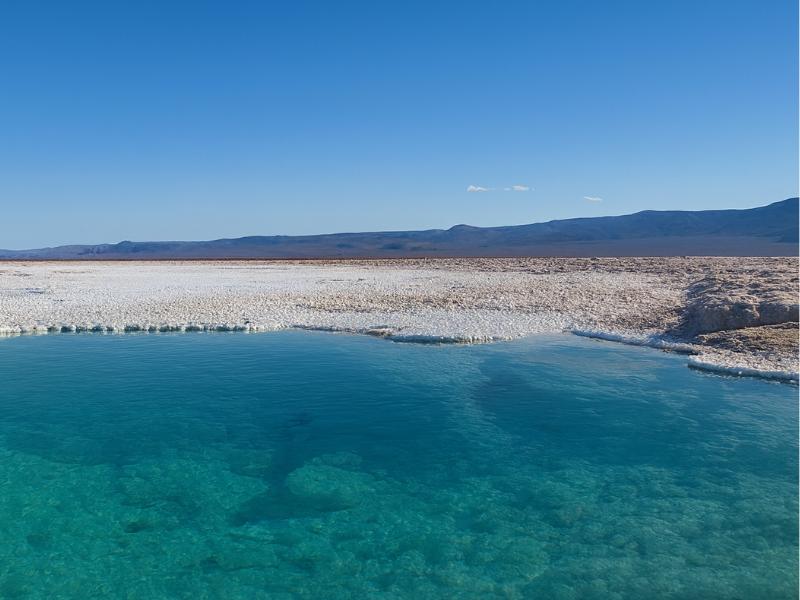
San Pedro de Atacama ranks among Chile’s safest destinations with extremely low crime rates, welcoming tourist-friendly community, and established tourism infrastructure creating secure environment for all visitor types.
Crime statistics demonstrate <5 reported theft incidents per 1,000 tourists annually (0.5% victimization rate) being dramatically lower than major cities (Santiago 3-5%, Valparaíso 2-4%) and global tourist destinations (Barcelona 8-10%, Paris 5-7%).
Violent crime virtually nonexistent shows zero reported tourist-targeted assaults, muggings, or serious violence in past 5+ years creating genuinely safe walking environment day and night.
Community atmosphere demonstrates 2,000 resident population being economically dependent on tourism creating strong incentive maintaining visitor safety, reputation, and welcoming environment.
Table: San Pedro de Atacama Safety Overview
| Safety Category | Rating (1-10) | Primary Concerns | Compared to Major Cities | Precautions Needed |
|---|---|---|---|---|
| Overall Safety | 9/10 (Very Safe) | Environmental hazards, altitude | Much safer than Santiago/Valparaíso | Standard awareness |
| Violent Crime | 10/10 (Extremely Rare) | Virtually nonexistent | Dramatically safer | Minimal |
| Petty Theft | 8/10 (Low but exists) | Unlocked rooms, unattended bags | Lower than cities | Basic precautions |
| Solo Women Travel | 9/10 (Very Safe) | Minimal harassment, respectful culture | Safer than most destinations | Standard awareness |
| Scams | 9/10 (Rare) | Overpriced tours, unlicensed operators | Fewer than typical tourist areas | Book established operators |
| Altitude Safety | 6/10 (Moderate Risk) | 2,400m town, 4,000-4,300m tours | N/A (unique to location) | 48-72hr acclimatization essential |
| Sun/UV Safety | 5/10 (Significant Risk) | 40-50% stronger UV, severe burns | Much more dangerous than cities | SPF 50+ mandatory, reapply hourly |
| Dehydration | 6/10 (Moderate Risk) | <1% humidity, intense heat | More severe than typical | 3-4L water daily essential |
| Medical Facilities | 6/10 (Basic Available) | Clinic adequate minor issues | Limited vs major hospitals | Insurance + evacuation coverage |
| Road Safety | 7/10 (Good with caution) | Gravel roads, long distances | More hazardous than paved roads | Experienced 4WD drivers only |
Overall 9/10 safety rating demonstrates San Pedro being one of Chile’s safest destinations with primary risks being environmental (altitude, sun, dehydration) rather than criminal creating different preparation focus.
The violent crime absence shows zero tourist-targeted muggings, assaults, or serious violence in multi-year record creating genuinely safe walking environment versus typical destinations requiring constant vigilance.
Petty theft 8/10 demonstrates occasional opportunistic incidents (unlocked hostel rooms, unattended beach bags at Cejar, open car windows) though being uncommon with basic precautions eliminating nearly all risk.
Solo women 9/10 reflects Chilean culture being generally respectful, San Pedro having active evening street life (restaurants/bars open until 10-11pm), minimal catcalling versus aggressive harassment common some destinations.
The scam rarity shows established tourism creating transparent pricing with reputable operators dominating market versus pushy touts or elaborate schemes common some destinations (India, Morocco, Southeast Asia).
Altitude moderate risk demonstrates 30-40% experiencing symptoms at 4,000m+ tours requiring proper acclimatization versus seasoned high-altitude travelers managing easily creating visitor-dependent safety assessment.
Sun/UV significant risk shows altitude creating 40-50% stronger radiation causing severe burns within 30-60 minutes unprotected requiring aggressive protection versus typical beach destinations.
Dehydration moderate risk demonstrates <1% humidity plus altitude breathing increasing fluid loss requiring 3-4L daily (double sea-level) versus typical travel 1.5-2L being adequate.
Medical facilities limitation shows basic clinic handling minor issues (cuts, mild altitude sickness, stomach problems) though serious emergencies requiring 1.5-4 hour evacuation to Calama or Antofagasta hospitals.
Road safety caution demonstrates gravel roads, long distances, animal crossings (vicuñas), nighttime hazards creating higher risk than urban paved driving though organized tours eliminating concern for 95% visitors.
After two nights in town, check dates for the Piedras Rojas, Altiplanic Lagoons & Chaxa full-day departure.
Crime and Theft: What to Watch For in Atacama
Petty theft opportunistic nature shows unlocked hostel rooms, unattended bags at restaurants, open car windows being targets versus sophisticated pickpocketing or organized theft being rare.
Accommodation security varies with budget hostels having basic locks (bring own padlock for lockers), mid-range hotels having in-room safes, and all levels occasionally experiencing unlocked-room theft from careless travelers.
Public space safety demonstrates restaurants, cafes, tour offices being generally secure with theft rare though leaving phone/camera on outdoor table unattended creating unnecessary risk.
ATM safety shows machines being reliable though occasional skimming devices reported (rare, <1% incidents) requiring visual inspection card slot and covering PIN entry preventing observation.
Table: Crime and Theft Complete Safety Guide
| Theft Type | Frequency | Common Locations | Target Items | Prevention | If It Happens |
|---|---|---|---|---|---|
| Unlocked Room Theft | Occasional (5-10 incidents/year) | Budget hostels, guesthouses | Electronics, cash, passports | Always lock door, use provided locker | Report police + accommodation, file insurance claim |
| Unattended Bag Theft | Rare (2-5 incidents/year) | Restaurant patios, Cejar Lagoon | Phones, cameras, wallets | Never leave unattended, designate bag-watcher | Report police immediately, cancel cards |
| Vehicle Break-In | Rare (3-8 incidents/year) | Rental cars at remote sites | Visible valuables, bags | Hide all items, lock vehicle, park visible areas | Report police + rental agency, insurance |
| Pickpocketing | Very Rare (1-2 incidents/year) | Crowded markets, buses | Wallets, phones | Front pockets, money belt, awareness | Report police, cancel cards, passport embassy |
| ATM Skimming | Very Rare (<1% ATMs) | Isolated ATM machines | Card information, PIN | Inspect card slot, cover PIN, use bank ATMs | Call bank immediately, dispute charges |
| Tour Scams | Occasional (10-20 complaints/year) | Street vendors, unlicensed operators | Overcharging, cancelled tours | Book established operators only | File complaint Tourist Office, demand refund |
| Accommodation Scams | Very Rare (1-3 incidents/year) | Fake online listings | Deposits, advance payment | Use Booking.com, Hostelworld verified | Dispute credit card charge, report platform |
Unlocked room theft frequency shows 5-10 reported incidents annually among 50,000+ visitors (0.01-0.02%) demonstrating rarity though consistently occurring careless travelers leaving doors unlocked or windows open ground floor.
The unattended bag risk demonstrates leaving backpack on chair while going to bathroom, phone on table while photographing, or beach bag at Cejar while swimming creating opportunity versus attended items being virtually never stolen.
Vehicle break-in targeting shows rental cars at remote Valle Luna or Puritama parking areas with visible bags/electronics being targets versus empty-appearing locked cars being ignored.
Pickpocketing rarity reflects small town atmosphere versus crowded city metros (Santiago, Buenos Aires) having organized pickpocket teams creating 1-2 annual incidents versus 100s in major cities.
The ATM skimming low frequency demonstrates most machines being secure bank-owned (Banco de Chile, Santander) with occasional tampered independent ATMs (bodegas, gas stations) requiring visual inspection.
Tour scam pattern shows unlicensed street vendors offering “cheap tours” then cancelling, changing prices, providing poor service versus established operators (storefront offices, online presence, reviews) being reliable.
Accommodation scam rarity demonstrates Booking.com and Hostelworld verified listings being legitimate with occasional fake Airbnb or independent website listings taking deposits then disappearing.
Prevention universality shows simple precautions (locking doors, attending bags, hiding valuables, using reputable operators) eliminating 95%+ theft risk versus complex anti-theft strategies being unnecessary.
Target item pattern demonstrates phones, cameras, laptops being primary theft targets due to resale value versus clothing or toiletries being ignored creating focus on securing electronics.
Police response shows Tourist Police (Carabineros Turismo) station on Caracoles Street being helpful, English-speaking, and efficient processing reports though recovery being unlikely requiring insurance claims.
Altitude Safety: The Primary Health Risk
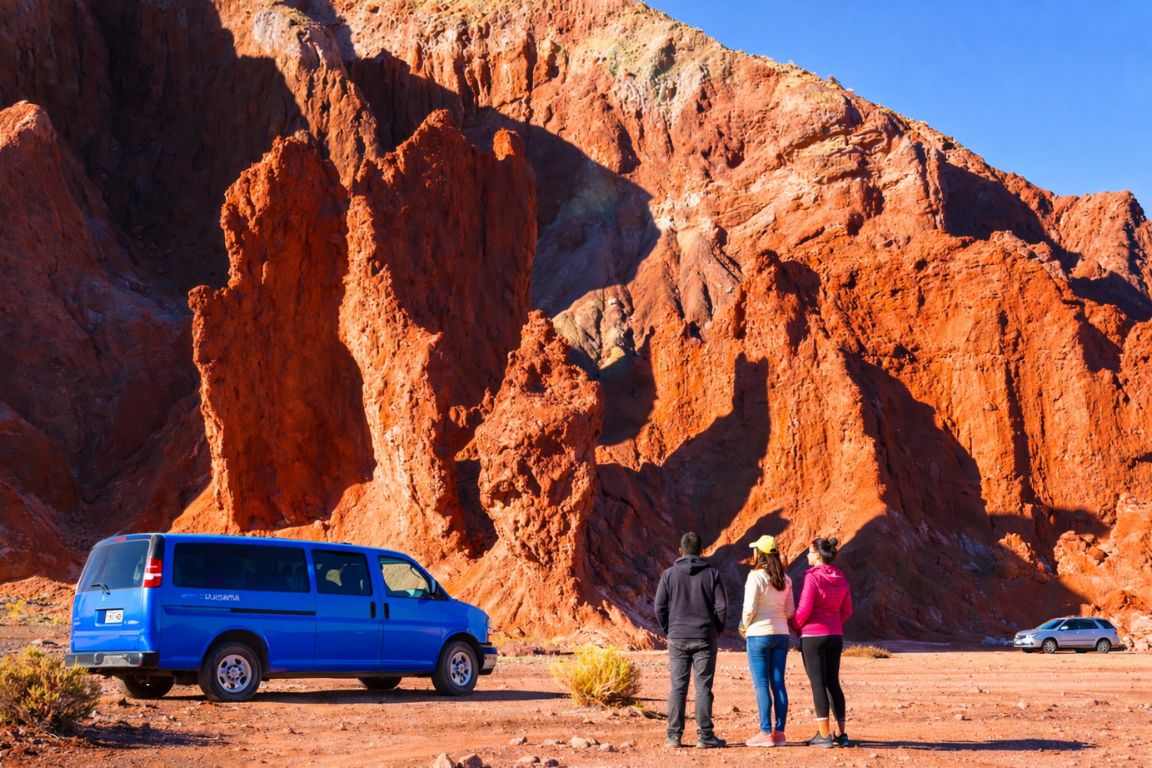
Altitude sickness affects 30-40% of visitors at 4,000-4,300m (El Tatio, Altiplanic Lagoons) when inadequately acclimatized versus 10-15% after proper 48-72 hour adjustment at San Pedro 2,400m.
Symptoms include headache (most common, affecting 50% inadequate acclimatization), nausea (30%), fatigue (40%), dizziness (25%), insomnia (20%), and shortness of breath (universal at altitude).
Acclimatization protocol requires minimum 48-72 hours at San Pedro 2,400m before attempting 4,000m+ tours with Day 1 complete rest, Day 2 easy tour (Valle Luna), Day 3-4 high-altitude tours optimal.
Prevention strategies include Diamox (acetazolamide) prescription reducing symptoms 50-70%, coca tea (mild effect, legal Chile), slow movements, 3-4L daily hydration, avoiding alcohol first 48 hours.
Table: Altitude Safety Complete Guide
| Altitude Level | Elevation | Oxygen % Sea Level | Who Goes There | Symptoms Risk | Acclimatization Needed | Safety Precautions |
|---|---|---|---|---|---|---|
| San Pedro Town | 2,400m | 75% oxygen | Everyone (accommodation) | 10-15% mild symptoms | None (base altitude) | Gradual adjustment Day 1 |
| Valle de la Luna | 2,400m | 75% oxygen | Everyone (essential tour) | 10-15% mild | None | Same as town |
| Cejar/Puritama | 2,300-2,900m | 73-77% oxygen | Optional tours | 10-15% mild | Minimal | Standard precautions |
| Altiplanic Lagoons | 4,000-4,200m | 62-63% oxygen | Essential tour | 30-40% moderate without prep | 48-72 hours essential | Diamox, slow movements |
| El Tatio Geysers | 4,300m | 61% oxygen | Essential tour | 35-45% moderate-severe without prep | 48-72 hours critical | Diamox, cold + altitude combo |
| Surrounding Peaks | 5,000-6,000m+ | 50-55% oxygen | Mountaineers only (not tourists) | 70-90% severe | Weeks acclimatization | Technical mountaineering |
San Pedro 2,400m baseline shows 75% sea-level oxygen creating mild adjustment period with 10-15% experiencing slight headaches Day 1-2 versus majority feeling normal within 24 hours.
The Valle Luna same-altitude demonstrates being comfortable Day 2 visit without additional altitude challenge preparing body for subsequent higher tours optimal progression.
Moderate altitude Cejar/Puritama 2,300-2,900m shows minimal additional challenge versus San Pedro creating safe early-trip activities without altitude risk accumulation.
Altiplanic Lagoons 4,000-4,200m critical threshold demonstrates oxygen dropping to 62-63% creating substantial physiological stress with 30-40% experiencing moderate symptoms inadequately acclimatized.
El Tatio 4,300m highest tour demonstrates 61% oxymediumgen being severe challenge compounded by extreme cold (-15°C to -25°C predawn), 4am wake exhaustion, creating perfect storm requiring maximum preparation.
The symptom risk progression shows mild (headache, slight nausea manageable) at 2,400m versus moderate (throbbing headache, significant nausea, fatigue) at 4,000m+ versus severe (vomiting, inability to function, requiring descent).
Acclimatization time 48-72 hours demonstrates Day 1 arrival rest, Day 2 Valle Luna (same altitude gentle activity), Day 3-4+ El Tatio/Altiplanic (high-altitude ready) being optimal versus rushed Day 1-2 high tours creating 40-50% sickness.
Prevention Diamox shows prescription medication (or over-counter Chile) started 1-2 days before high tours reducing symptoms 50-70% justifying $10-30 investment versus suffering preventable illness.
Coca tea mild benefit demonstrates traditional Andean remedy helping 20-30% (placebo effect possible) being legal Chile though less effective than Diamox for serious prevention.
Danger signs requiring descent include confusion, severe headache unrelieved by medication, persistent vomiting, difficulty breathing at rest, loss of consciousness indicating serious altitude sickness (HACE/HAPE) requiring immediate evacuation.
What Each Booking Adds
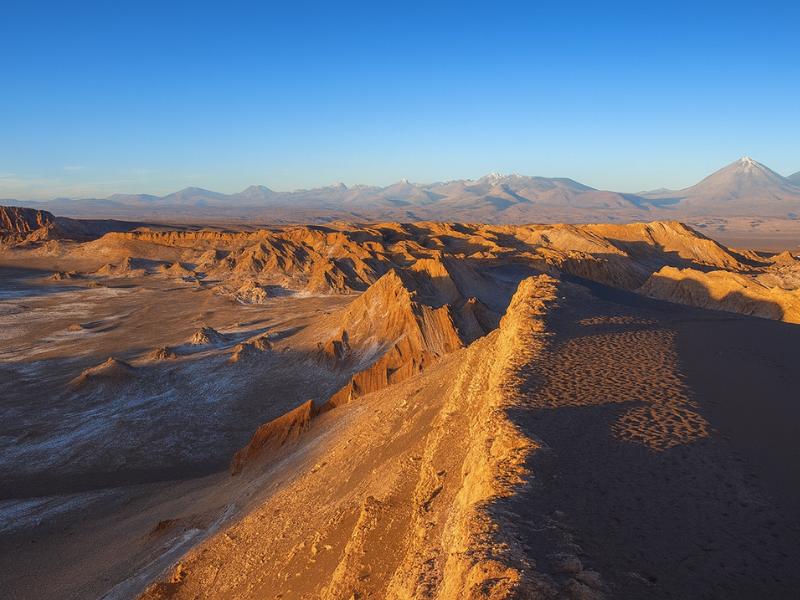
Valley Of The Moon
Make room for a desert landscape outing without committing several days. A guided Moon Valley excursion gives your afternoon a clear destination.
About four hours. Walking is involved; read the participation requirements.
Book on ViatorSee Moon Valley Departures ↗Calama Airport ↔ San Pedro Transfer
Choose a shared or private airport transfer between Calama and San Pedro. Put the airport-to-hotel leg in place before fitting sightseeing around it.
Select the correct direction. Spanish-speaking driver; luggage allowance applies. Not wheelchair accessible.
Book on GetYourGuideArrange My Airport Transfer ↗Sun and UV Safety: Intense Radiation Risk
UV radiation intensity shows 2,400m San Pedro creating 25-30% stronger UV versus sea level, 4,300m El Tatio being 40-50% stronger causing severe burns within 30-60 minutes unprotected skin.
Sunscreen requirements demand SPF 50+ minimum reapplied every 60-90 minutes versus typical beach SPF 30 2-3 hour reapplication, with altitude and dry air removing protection faster.
Vulnerable areas include face (constant exposure), lips (extreme aridity causing cracking plus burns), neck/ears (often forgotten), hands (visible on steering wheel or during tours), eyes (cataracts from unprotected UV exposure).
Dehydration compounds sun exposure with extreme <1% humidity plus altitude breathing plus heat causing 3-4L daily water needs (double sea-level) preventing heat exhaustion and enabling thermoregulation.
Table: Sun and UV Protection Safety Guide
| Body Area | Burn Time Unprotected | Protection Needed | Reapplication Frequency | Common Mistake | Consequences |
|---|---|---|---|---|---|
| Face | 30-45 min | SPF 50+ sunscreen, wide-brim hat | Every 60-90 min | Forgetting reapplication | Severe burns, peeling, pain |
| Lips | 15-30 min | SPF 30+ lip balm | Every 30-60 min | Regular non-SPF balm | Severe cracking, bleeding, burns |
| Neck | 30-45 min | Sunscreen, buff/scarf, sun shirt | Every 60-90 min | Forgetting back of neck | Painful burns, peeling |
| Ears | 20-30 min | Sunscreen, hat covering ears | Every 60-90 min | Assuming hat protects | Severe ear burns (cartilage) |
| Hands | 45-60 min | Sunscreen, sun gloves optional | Every 90-120 min | Thinking hands resistant | Age spots, burns, peeling |
| Eyes | Gradual damage | UV400 quality sunglasses | All daylight hours | Cheap sunglasses inadequate | Cataracts, vision damage |
| Shoulders/Arms | 30-45 min | Long-sleeve sun shirt UPF 50 | Physical barrier (no reapply) | Short sleeves exposing | Severe burns, sun poisoning |
| Legs | 45-60 min | Long pants or sunscreen | Every 90-120 min if shorts | Assuming legs tough | Burns, discomfort walking |
Face burn timing 30-45 minutes demonstrates extreme UV creating burns much faster than typical beach (60-90 minutes) requiring aggressive protection and frequent reapplication.
The lip vulnerability shows 15-30 minute burn time being fastest body area with aridity causing cracking creating open wounds then UV burning creating severe painful condition.
Neck forgotten area affects 40% applying face sunscreen but missing neck/ears creating sharp burn lines and severe pain versus comprehensive application covering all exposed areas.
Ear cartilage severity demonstrates burns being particularly painful with ear tissue having limited blood flow creating slow healing and intense discomfort versus fleshy areas healing faster.
The hand exposure shows driving tours, walking with hands visible, camera operation creating constant exposure requiring protection versus pockets/gloves minimizing risk.
Eye UV damage accumulates invisibly causing cataracts over years with cheap $5-10 sunglasses blocking only 70-80% UV versus quality UV400 blocking 99-100% preventing long-term damage.
Physical barrier advantage demonstrates long-sleeve UPF 50 sun shirt blocking 98%+ UV without reapplication versus sunscreen requiring constant maintenance and potentially missing spots.
Reapplication frequency 60-90 minutes reflects altitude/aridity removing protection faster than sea-level 2-3 hours with sweating, dust, and towel contact (Cejar swimming) accelerating degradation.
Common sunscreen mistakes include applying too little (need 1oz/30ml per application for full body), missing spots (ears, back of neck, hands), forgetting reapplication (thinking morning application lasts all day).
Consequences severity shows second-degree burns possible within 60 minutes unprotected creating blistering, peeling, severe pain, potential sun poisoning (fever, chills, nausea) requiring medical attention.
Medical Facilities and Health Services in Atacama
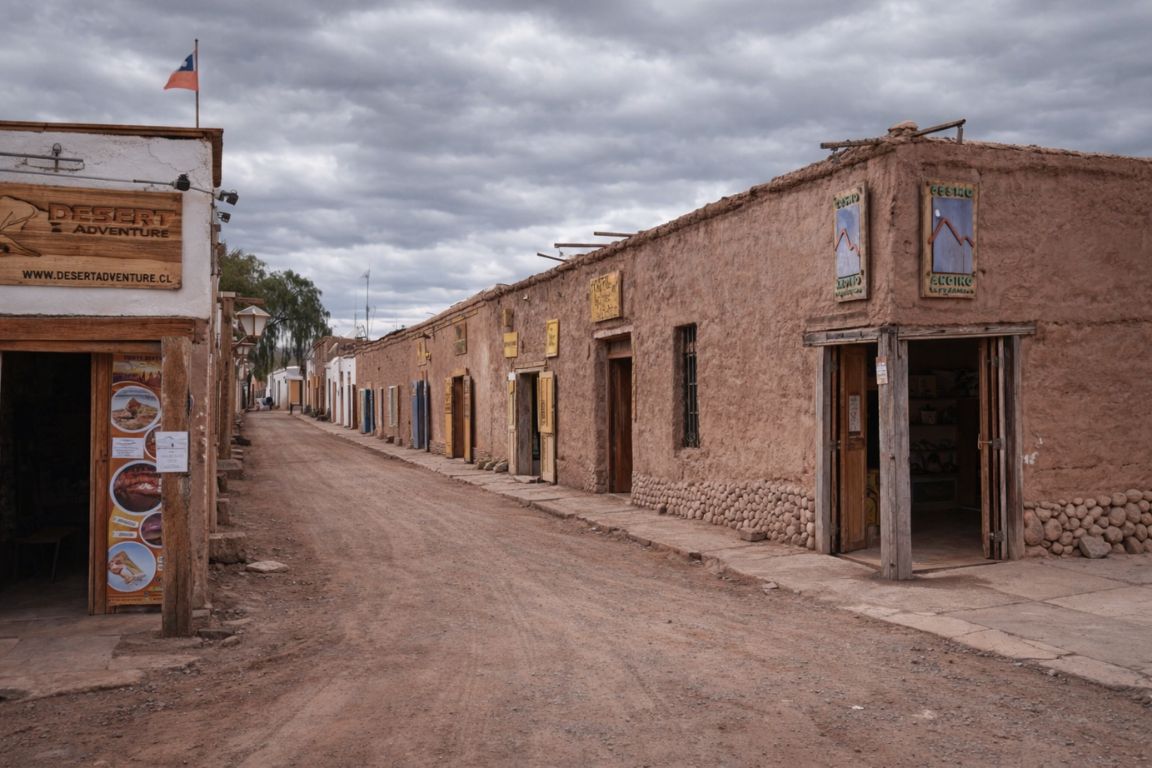
Medical clinic (Consultorio) in San Pedro handles minor issues including cuts, mild altitude sickness, upset stomach, minor infections with basic examination, medication dispensing, and advice.
Pharmacy (Farmacia) Caracoles Street stocks standard medications including pain relievers (ibuprofen, acetaminophen), anti-nausea, altitude medication (Diamox over-counter Chile), antibiotics (prescription required), basic first aid supplies.
Serious emergencies require evacuation to Calama Hospital (100km, 1.5 hours) for moderate issues or Antofagasta Regional Hospital (300km, 4 hours) for severe trauma/surgery creating 1.5-4 hour delay before specialist care.
Ambulance service available calling 131 though response time 30-60 minutes versus major cities 5-15 minutes with limited advanced life support equipment creating reliance on basic stabilization and transport.
Table: Medical Facilities and Emergency Services Guide
| Facility/Service | Location | Capabilities | Limitations | Wait Time | Cost | When to Use |
|---|---|---|---|---|---|---|
| Consultorio (Clinic) | Gustavo Le Paige Street | Minor injuries, mild illness, basic exam | No surgery, limited equipment | 30-90 min | $30-80 | Cuts, stomach issues, mild altitude |
| Farmacia (Pharmacy) | Caracoles Street | OTC medications, basic prescriptions | Limited stock specialty drugs | 5-10 min | $5-50 items | Pain relief, altitude meds, basics |
| Private Doctor Calls | Hotel/accommodation | House calls minor issues | Very limited equipment | 30-120 min | $100-200 | Severe altitude sickness, can’t travel clinic |
| Ambulance | Emergency 131 | Basic stabilization, transport | 30-60 min response, basic equipment | 30-60 min | $150-500 | Serious emergencies requiring hospital |
| Calama Hospital | 100km (1.5 hrs) | Moderate surgery, x-ray, specialists | Not trauma center | 1.5-2 hrs transport | $200-2,000 | Moderate injuries, serious illness |
| Antofagasta Hospital | 300km (4 hrs) | Full trauma center, all specialties | 4-hour transport time | 4-5 hrs transport | $1,000-10,000+ | Severe trauma, major surgery |
| Helicopter Evacuation | Antofagasta base | Rapid transport serious cases | $3,000-8,000 cost | 1-2 hrs total | $3,000-8,000 | Life-threatening, insurance covers |
Consultorio capabilities include minor wound treatment (stitches, cleaning, bandaging), mild altitude sickness assessment (oxygen if needed, medication), upset stomach/travelers’ diarrhea (hydration, medication), minor infections (antibiotics).
The pharmacy Diamox availability shows over-counter acetazolamide (prescription required most countries) costing $10-20 for 5-10 tablets versus $30-50 prescription home creating local purchase advantage.
Private doctor house calls demonstrate some physicians making hotel visits severe altitude sickness (unable to travel clinic) or serious overnight issues charging $100-200 though capabilities being very limited.
Ambulance limitation shows 30-60 minute response time (small town, potentially delayed if rural tour location) with basic stabilization equipment (oxygen, IV fluids, basic trauma care) versus advanced life support major cities.
Calama Hospital adequate shows handling broken bones (x-ray, casting), moderate burns, severe dehydration (IV fluids), infections requiring IV antibiotics though not equipped for major trauma or complex surgery.
The Antofagasta necessity demonstrates severe trauma (major accidents, serious head injuries), heart attacks, strokes, complex surgeries requiring 4-hour transport or helicopter evacuation.
Helicopter evacuation cost $3,000-8,000 shows being prohibitively expensive uninsured though most comprehensive travel insurance covering altitude-related emergencies creating insurance necessity.
Insurance travel medical demonstrates comprehensive coverage (World Nomads, Allianz, IMG) including emergency evacuation being essential versus basic insurance excluding adventure activities or altitude exposure.
Prevention best medicine shows proper acclimatization, sun protection, hydration, and choosing reputable tour operators preventing 90%+ of medical emergencies versus relying on limited remote facilities.
Emergency medical Spanish phrases include “Necesito un médico” (I need a doctor), “Me duele la cabeza por la altura” (I have altitude headache), “Tengo náuseas” (I have nausea), “Necesito oxígeno” (I need oxygen).
Tour Safety: Choosing Reputable Operators
Licensed operators demonstrate government registration, required insurance, trained guides, maintained vehicles, safety equipment meeting Chilean tourism standards versus unlicensed street vendors lacking accountability.
Insurance verification shows legitimate operators carrying passenger liability coverage (required by law) protecting against accidents, injuries, vehicle failures versus unlicensed operators having zero coverage creating personal liability.
Safety equipment includes first aid kits (comprehensive supplies), oxygen canisters (altitude emergency), emergency communication (satellite phone remote areas), vehicle maintenance (regular service records), guide training (first aid certified).
Red flags indicating unsafe operators include very cheap prices (30-40% below market suggesting cutting corners), street solicitation (legitimate operators have offices), poor online reviews, no physical address, cash-only no receipts, vague itinerary details.
Here’s the thing: the Atacama private tours vs group tours question is actually more relevant than ‘should I rent a car’ for most travelers – at least both tour options actually get you where you’re trying to go.
Table: Tour Operator Safety Evaluation Guide
| Safety Factor | Good Operator Signs | Red Flags | How to Verify | Importance | What to Ask |
|---|---|---|---|---|---|
| Government License | Registration number displayed, office storefront | No license info, street operation | Ask registration number, check Tourism Office | CRITICAL | “Are you registered with SERNATUR?” |
| Insurance Coverage | Passenger liability clearly stated | Vague or no insurance mention | Request policy documentation | CRITICAL | “What insurance do you carry?” |
| Physical Office | Storefront on Caracoles/Tocopilla | Hotel lobby tables, street corners | Visit physical location before booking | Very Important | Visit in person |
| Online Presence | Website, TripAdvisor, Google reviews 4+ stars | No online presence, fake reviews | Check multiple review platforms | Important | Research before arrival |
| Vehicle Condition | Well-maintained, 2015+ vehicles, seatbelts | Old vehicles, poor maintenance visible | Ask to see vehicle before booking | Very Important | “Can I see the vehicle?” |
| Group Size | 12-16 passengers maximum stated | Vague “depends how many,” 20+ | Confirm maximum at booking | Important | “What’s maximum group size?” |
| Guide Qualifications | First aid certified, experienced, bilingual | No training mentioned, young inexperienced | Ask guide experience/certification | Important | “Are guides first aid certified?” |
| Safety Equipment | First aid, oxygen, satellite phone | None visible or mentioned | Ask what emergency equipment included | Important | “What safety equipment do you have?” |
| Pricing | Market rate $25-35 Valle Luna, $45-60 El Tati | 30-40% below market suggesting corners cut | Compare 3-5 operators | Important | Compare prices |
| Cancellation Policy | Clear written policy, weather provisions | Vague or no policy | Get written confirmation | Recommended | “What’s cancellation policy?” |
Government license requirement shows legitimate operators displaying SERNATUR (Chilean Tourism Service) registration numbers with physical office locations versus street vendors having zero accountability.
The insurance verification demonstrates asking “What passenger insurance do you carry?” with legitimate operators providing policy documentation versus sketchy operators being vague or claiming “not necessary.”
Physical office importance shows storefront presence (Caracoles Street, Tocopilla Street) indicating established business versus hotel lobby table or street corner operation being temporary potentially disappearing.
Online review verification demonstrates checking TripAdvisor, Google, Booking.com for 4+ star ratings (minimum 50+ reviews) versus no online presence or obvious fake reviews being red flags.
Vehicle condition assessment shows asking to see actual vehicle before booking with 2015+ well-maintained minibuses being standard versus old 2000-2010 vehicles poorly maintained suggesting cutting corners.
The group size confirmation shows 12-16 passengers being comfortable maximum with overcrowding (20-25 passengers) creating discomfort and safety concerns versus private tours (2-8 people) being premium option.
Guide qualifications include first aid certification (CPR, altitude emergency training), years experience (5+ years preferred), bilingual English-Spanish capability versus inexperienced young guides lacking training.
Safety equipment verification shows first aid kit (comprehensive supplies), oxygen canisters (2-3 bottles altitude emergency), satellite phone (remote area communication), emergency blankets (hypothermia) versus nothing being dangerous.
The pricing suspicion demonstrates Valle Luna market rate $25-35, El Tatio $45-60, with operators charging $18-20 Valle Luna or $30-35 El Tati being 30-40% below market requiring explanation how they’re cheaper.
Cancellation policy clarity shows written policies covering weather cancellations (full refund or reschedule), altitude sickness (partial refund if can’t complete tour), operator cancellation (full refund) versus vague “depends” being unacceptable.
The whole booking Atacama tours: advance vs on arrival question becomes moot if you rent a car – except you’ll still be booking tours anyway for El Tatio and Altiplanic, so you haven’t actually avoided this decision.
Solo Travel Safety (Especially Women)
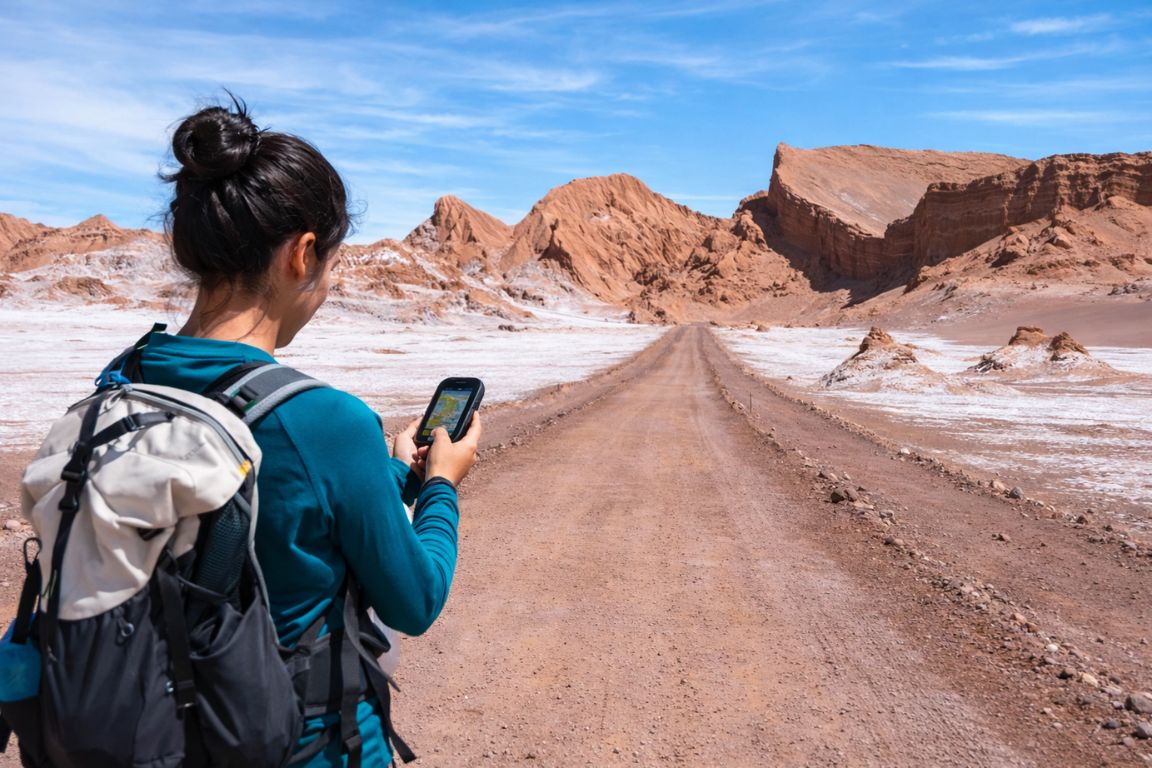
Women solo travelers in Atacama report 95%+ positive safety experiences with respectful local culture, minimal aggressive catcalling, active evening street life, and welcoming hostel/tour community creating secure environment.
Cultural respect shows Chilean culture being generally polite with San Pedro’s tourism dependence creating additional incentive treating visitors well versus aggressive harassment common some Latin American destinations.
Evening safety demonstrates Caracoles Street (main tourist area) having active pedestrian traffic until 10-11pm with restaurants, bars, ice cream shops creating safe well-lit environment versus deserted dark streets.
Accommodation security shows female-only hostel dorms available multiple locations, private rooms with locks standard, and communal hostel atmospheres fostering solo traveler friendships reducing isolation.
Table: Solo Travel Safety Guide (Especially Women)
| Situation | Safety Level | Specific Concerns | Precautions | What Women Report | Compared to Other Destinations |
|---|---|---|---|---|---|
| Walking Daytime | 9/10 Very Safe | Virtually none | Standard awareness | Feel completely safe | Much safer than major cities |
| Walking Evening (Until 11pm) | 8/10 Safe | Minimal, well-lit main streets | Stick to Caracoles/Tocopilla Streets | Comfortable walking alone | Safer than most tourist areas |
| Walking Late Night (After 11pm) | 6/10 Moderate | Dark quiet streets, intoxicated tourists | Take taxi, walk with others, avoid dark areas | Uneasy but likely safe | Similar to most small towns |
| Accommodation Security | 8/10 Good | Unlocked room theft rare | Use room locks, hostel lockers | Generally secure with precautions | Standard hostel/hotel safety |
| Tours/Activities | 9/10 Very Safe | Harassment virtually nonexistent | Use established operators | Feel respected, safe | Much better than some destinations |
| Bars/Nightlife | 7/10 Safe with Caution | Drinks spiked rare, drunk tourists | Watch drinks, buddy system, moderate alcohol | Generally fine, some unwanted attention | Similar to Western destinations |
| Catcalling/Harassment | 8/10 Minimal | Occasional comments, rarely aggressive | Ignore, confident body language | Much less than expected | Better than many Latin American cities |
| Public Transport/Taxis | 8/10 Safe | Rare issues | Use established taxi companies, share cost | Comfortable using alone | Standard precautions |
| Remote Areas Alone | 5/10 Use Caution | Getting lost, dehydration, injury | Always inform someone, bring supplies | Most join tours rather than solo | Environmental vs human danger |
Daytime walking 9/10 demonstrates women reporting feeling completely safe walking anywhere in San Pedro during daylight hours with friendly interactions and zero aggressive harassment.
The evening safety 8/10 shows Caracoles Street main tourist area having active pedestrian traffic restaurants/bars until 10-11pm creating secure well-lit environment women comfortable navigating alone.
Late night 6/10 caution demonstrates after 11pm streets becoming quiet, dark side streets, occasional intoxicated tourists creating moderate concern suggesting taxi use or walking with others.
Accommodation 8/10 security shows female dorms available (Hostal Atacama, Hostel Valle de la Luna), private rooms with proper locks, and communal areas fostering solo traveler friendships.
The tour safety 9/10 reflects women reporting zero harassment from guides or other tourists with established operators maintaining professional respectful environments creating comfortable experiences.
Bar/nightlife 7/10 demonstrates drink spiking being extremely rare though standard precautions (watching drinks, buddy system, moderate alcohol) being sensible versus excessive paranoia being unnecessary.
Catcalling 8/10 minimal shows occasional “guapa” or comments occurring though rarely aggressive versus persistent following or touching being virtually nonexistent compared to some Latin American cities (Lima, Cartagena).
Remote area 5/10 caution reflects environmental dangers (getting lost, dehydration, heat exhaustion) being primary concern versus human threats when exploring desert solo suggesting joining tours or informing others.
Safety tips universal include staying in well-reviewed hostels (check female traveler reviews), joining group tours (meeting other travelers), using WhatsApp sharing location with friends/family, trusting instincts (leaving uncomfortable situations).
Cultural respect recommendations show dressing modestly (covering shoulders/knees religious sites), learning basic Spanish phrases (“no gracias” repeatedly firmly), and understanding Chilean late dinner culture (restaurants busy 8-10pm).
Natural Hazards and Environmental Risks in Atacama
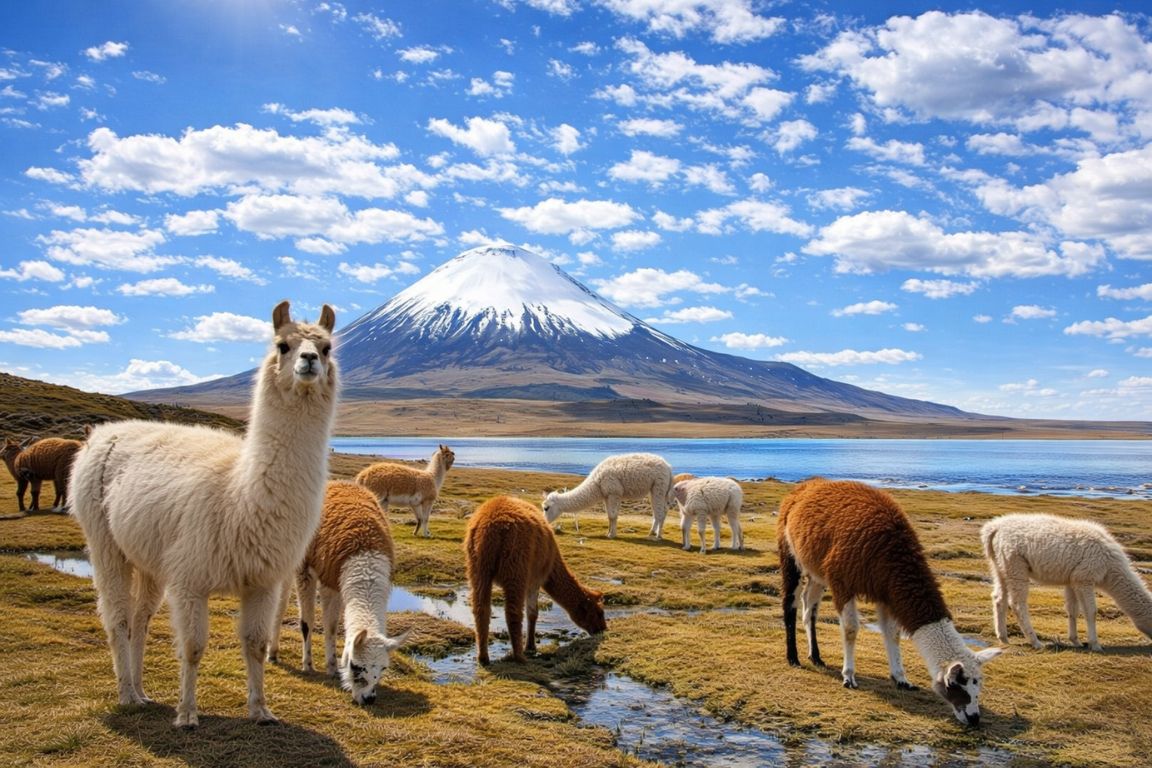
Geyser scalding water shows 85°C (185°F) boiling temperature at El Tatio with thin mineral crusts over boiling pools creating fall-through risk requiring strict boardwalk adherence versus venturing off marked paths.
Salt crust collapse risk demonstrates Cejar, Tebinquinche, Talar salt flats having unstable crusts over water/mud beneath potentially collapsing under weight requiring staying marked areas only.
Flash flood possibility shows rare (0-3 annual occurrences) but dangerous summer rains creating sudden desert washes flooding dry riverbeds requiring avoiding camping/parking drainage areas during January-February.
Extreme cold hypothermia demonstrates El Tatio -15°C to -25°C predawn requiring proper gear (down jacket, thermal layers, gloves, hat) preventing frostbite and hypothermia within 15-30 minutes inadequate protection.
Table: Natural Hazards and Environmental Safety Guide
| Hazard | Frequency | Where/When | Danger Level | Prevention | Warning Signs | If It Happens |
|---|---|---|---|---|---|---|
| Geyser Scalding Burns | Rare (1-3 incidents/year) | El Tatio off-boardwalk | SEVERE | Stay on marked boardwalks only | Thin white crusts, steam vents, hissing | Immediate cool water, seek medical |
| Salt Crust Collapse | Rare (2-5 incidents/year) | Cejar, Tebinquinche, Talar unmarked areas | MODERATE | Stay marked paths, don’t venture out | Hollow sounds, wet appearance, cracks | Extract carefully, rinse salt, dry quickly |
| Flash Floods | Very Rare (0-3/year) | Dry riverbeds, drainage areas Jan-Feb | MODERATE-SEVERE | Avoid camping riverbeds, watch weather | Dark clouds, distant thunder, rain smell | Immediately move high ground |
| Hypothermia (Cold) | Occasional (5-10 cases/year) | El Tatio inadequate clothing | MODERATE-SEVERE | Proper layers -10°C to -20°C rated | Shivering, confusion, slurred speech | Warm gradually, hot drinks, seek shelter |
| Heat Exhaustion | Occasional (10-20 cases/year) | Midday tours inadequate water | MODERATE | 3-4L daily water, rest shade | Excessive sweating, weakness, nausea | Shade, cool water, rest, seek medical if severe |
| Dehydration | Common (30-50 mild cases/year) | Anywhere inadequate hydration | MILD-MODERATE | 3-4L daily, electrolytes | Headache, dark urine, dizziness | Drink water immediately, electrolytes, shade |
| Altitude Sickness | Common (100+ cases/year) | 4,000m+ inadequate acclimatization | MILD-SEVERE | 48-72hr acclimatization, Diamox | Headache, nausea, fatigue | Rest, hydrate, descend if severe, oxygen |
| Sunburn/Sun Poisoning | Very Common (50-100 cases/year) | Anywhere without SPF 50+ | MILD-SEVERE | SPF 50+ every 60-90min, cover up | Red skin, pain, blisters | Aloe, moisturizer, cool compress, medical if severe |
| Getting Lost | Rare (5-10 incidents/year) | Remote desert solo exploration | MODERATE-SEVERE | Stay tours, inform others, GPS device | Disorientation, unrecognized landmarks | Stop, conserve water, use phone GPS, call help |
| Vehicle Breakdown Remote | Occasional (10-20/year) | Gravel roads, long distances | MODERATE | Established operators maintained vehicles | Strange noises, smoke, mechanical issues | Stay with vehicle, call operator, wait rescue |
Geyser scalding severity shows 85°C water causing third-degree burns immediately with thin mineral crusts appearing solid actually being fragile shells over boiling pools creating fall-through risk.
The salt crust collapse demonstrates unstable sodium chloride formations over water or mud appearing walkable actually supporting only minimal weight collapsing suddenly creating wet salt-burn injury.
Flash flood rarity shows 0-3 annual occurrences (January-February summer rains only) with dry riverbeds suddenly filling 30-60 minutes after distant rain creating sweep-away risk.
Hypothermia El Tatio shows -15°C to -25°C predawn temperatures causing core body temperature drop within 15-30 minutes inadequate insulation (down jacket, thermal layers essential).
The heat exhaustion demonstrates 30-35°C midday temperatures plus low humidity plus physical exertion plus inadequate water (need 3-4L daily) causing weakness, nausea, confusion requiring immediate cooling.
Dehydration frequency shows 30-50 mild cases (headaches, fatigue) annually with extreme <1% humidity plus altitude breathing increasing fluid loss double sea-level needs requiring aggressive hydration.
Altitude sickness prevalence demonstrates 100+ reported cases annually (30-40% of 4,000m+ tour participants inadequately acclimatized) being most common health issue requiring proper preparation.
Sunburn universality shows 50-100 cases annually with 40-50% stronger UV at altitude causing second-degree burns within 30-60 minutes unprotected creating most common preventable injury.
Getting lost risk demonstrates remote desert areas lacking landmarks, cell service creating disorientation with survival requiring water conservation, staying in place, using GPS rescue.
Vehicle breakdown frequency shows 10-20 incidents annually on remote gravel roads (tire punctures, overheating, mechanical failures) with established operators having support vehicles and rescue protocols.
Food and Water Safety
Tap water unsafe San Pedro shows municipal supply being untreated or minimally treated requiring bottled water for drinking, teeth brushing, ice cubes versus cooking (boiling kills pathogens) being acceptable.
Bottled water widely available shows 1.5L bottles costing $1-2 supermarkets, $2-3 restaurants, stores everywhere creating easy access versus bringing purification tablets being unnecessary.
Restaurant food safety demonstrates established eateries being generally safe with proper refrigeration, hygiene standards though street vendors or market stalls requiring caution about food handling.
Ice and drinks shows reputable restaurants using bottled or purified water for ice though questioning “hielo con agua purificada?” (ice with purified water?) being prudent versus assuming safety.
Table: Food and Water Safety Complete Guide
| Item | Safety Status | Where Safe | Where Risky | Precautions | If You Get Sick |
|---|---|---|---|---|---|
| Tap Water Drinking | UNSAFE | Nowhere in San Pedro | All taps, fountains | Bottled water only | Mild diarrhea usually self-resolves 24-48hrs |
| Tap Water Teeth Brushing | Moderate Risk | N/A | All taps | Use bottled water to be safe | Unlikely major issue |
| Tap Water Cooking (Boiled) | SAFE | Any boiled 1+ minute | Unboiled vegetables rinsed | Boiling kills pathogens | N/A |
| Bottled Water | SAFE | Everywhere (sealed bottles) | Refilled bottles passed as new | Check seal intact | N/A |
| Restaurant Food | Generally Safe | Established restaurants tourist areas | Very cheap hole-in-wall places | Choose busy popular places | Pepto, Imodium, hydrate |
| Street Vendor Food | Moderate Risk | Cooked-fresh items only | Premade items sitting hours | Watch preparation, hot food | Pepto, Imodium, hydrate |
| Fresh Salads | Moderate Risk | High-end restaurants | Budget eateries | May be rinsed tap water | Pepto, Imodium, hydrate |
| Ice in Drinks | Moderate Risk | Upscale restaurants (purified) | Budget places, bars | Ask “agua purificada?” | Minor stomach upset usually |
| Fruit from Market | Safe if Peeled | Any market | Unwashed pre-cut | Peel yourself, avoid pre-cut | N/A |
| Meat/Seafood | Safe if Well-Cooked | Established restaurants | Undercooked rare meat | Request well-done to be safe | Severe: seek medical attention |
Tap water contamination shows local supply having varying treatment quality with bacteria, parasites possible causing travelers’ diarrhea 20-30% visitors drinking tap water.
The bottled water universality demonstrates sealed bottles (check seal intact) being completely safe available every store, restaurant, accommodation creating easy prevention versus elaborate filtration systems.
Cooking safety shows boiling tap water 1+ minutes killing bacteria, parasites, viruses making cooking with tap water acceptable versus raw vegetables rinsed tap water maintaining contamination risk.
Restaurant hierarchy demonstrates high-end establishments (Adobe, Blanco, Casa Piedra) having proper hygiene, purified water, safe practices versus very budget eateries potentially cutting corners.
The street vendor caution shows cooked-fresh items (empanadas made-to-order, grilled anticuchos) being generally safe versus premade items sitting hours at ambient temperature creating bacterial growth.
Fresh salad risk demonstrates vegetables rinsed tap water potentially transferring contamination versus cooked foods being safe creating selective ordering strategy.
Ice inquiry importance shows upscale restaurants using purified water or sealed bags versus budget places potentially using tap water creating questioning necessity “¿Usan agua purificada para el hielo?”
Fruit self-peeling demonstrates bananas, oranges, avocados peeled yourself being completely safe versus pre-cut watermelon or melon potentially rinsed contaminated water.
The meat/seafood well-done strategy shows undercooked meat potentially containing parasites (rare but possible) requesting well-done being cautious versus rare steaks carrying slight risk.
Travelers’ diarrhea treatment shows mild cases self-resolving 24-48 hours with Pepto-Bismol or Imodium symptomatic relief versus severe cases (high fever, blood, severe cramping) requiring medical attention.
Money and ATM Safety in Atacama
ATM availability limited shows 2-3 machines total San Pedro (Banco de Chile, Banco Estado) occasionally running empty creating cash backup necessity versus urban areas having dozens of machines.
Cash importance demonstrates many tour operators, restaurants, accommodations preferring cash with 20-30% offering cash discounts versus cards occasionally failing or not accepted creating backup strategy.
ATM fees high show international transactions charging $5-8 per withdrawal (Chilean bank fee + home bank fee) creating large withdrawal strategy ($200-300 maximum per transaction) minimizing fee frequency.
Card acceptance varies with established businesses accepting Visa/Mastercard though American Express rarely accepted, smaller vendors cash-only creating mixed payment environment.
Our Atacama trip costs and budgeting guide shows realistic daily costs across categories – and rental cars consistently emerge as the worst value proposition compared to every other expense.
Table: Money and ATM Safety Complete Guide
| Situation | Safety Concern | Best Practice | Backup Plan | Costs | What to Avoid |
|---|---|---|---|---|---|
| ATM Withdrawals | Skimming rare, running empty common | Use bank ATMs (Banco Chile), withdraw max | Bring US dollars backup $200-500 | $5-8 per transaction | Gas station/bodega ATMs |
| Carrying Cash | Petty theft if careless | Money belt or split locations, moderate amounts | Leave excess in accommodation safe | None | Flashing large amounts |
| Card Payments | Occasional skimming, failures | Use established businesses only, check statement | Cash backup always | 0-3% foreign transaction fee | Sketchy small vendors |
| Cash Exchange | Poor rates, scams rare | ATM withdrawals (best rates), or official exchanges | Bring US dollars exchange on arrival | ATM: wholesale rate; Exchange: 3-5% markup | Black market, street exchangers |
| Credit Card Holds | Hotels/car rentals | Notify bank traveling, have backup card | Debit card backup | Varies by bank | Assuming card will always work |
| Tour Deposits | Losing deposits if operator closes | Book established operators, pay arrival | Credit card dispute protection | Varies | Large advance deposits to unknowns |
| Tipping | Social expectation guides, restaurants | 10% restaurants optional, $5-10 guides | Have small bills ready | $20-50 typical week | Over-tipping (not expected) |
ATM strategy shows withdrawing maximum $200-300 per transaction minimizing $5-8 fee frequency versus multiple small $50-100 withdrawals accumulating excessive fees ($20-40 vs $5-8 total week).
The skimming rare but possible demonstrates visually inspecting card slot for attached devices, covering PIN entry with hand, using bank-owned ATMs (Banco Chile on Caracoles) versus gas station independent machines.
Money belt discretion shows keeping majority cash (80%) in hidden money belt or divided between locations (some wallet, some safe, some money belt) versus carrying entire trip cash creating total-loss risk.
Card payment limitation demonstrates 30-40% establishments being cash-only (small restaurants, tour vendors, markets) with card acceptance varying creating cash necessity versus assuming universal card acceptance.
The cash exchange strategy shows ATM withdrawals providing best exchange rates (wholesale interbank rates) versus exchange offices charging 3-5% markup creating $15-25 difference on $500.
Credit card notification importance shows calling bank before departure preventing fraud-detection blocks when Chilean transactions appearing versus assuming bank will allow international charges.
Tour payment timing demonstrates paying arrival at tour operator office (in-person seeing actual vehicle, meeting staff) versus large advance online deposits to unknown operators risking closure.
Tipping norms show restaurants 10% optional (not obligatory like US), tour guides $5-10 per person if excellent service though not expected versus over-tipping being unnecessary and marking tourist naiveté.
US dollar backup demonstrates bringing $200-500 emergency cash being prudent with ATMs occasionally empty, cards occasionally failing, creating payment capability versus relying solely on cards/ATMs.
Small bill importance shows having 5,000 and 10,000 Chilean peso notes ($5-10 USD equivalent) for tips, small purchases, street food versus only 20,000 peso notes ($20+) creating change-making difficulties.
Safe Tour Practices and What to Expect in Atacama
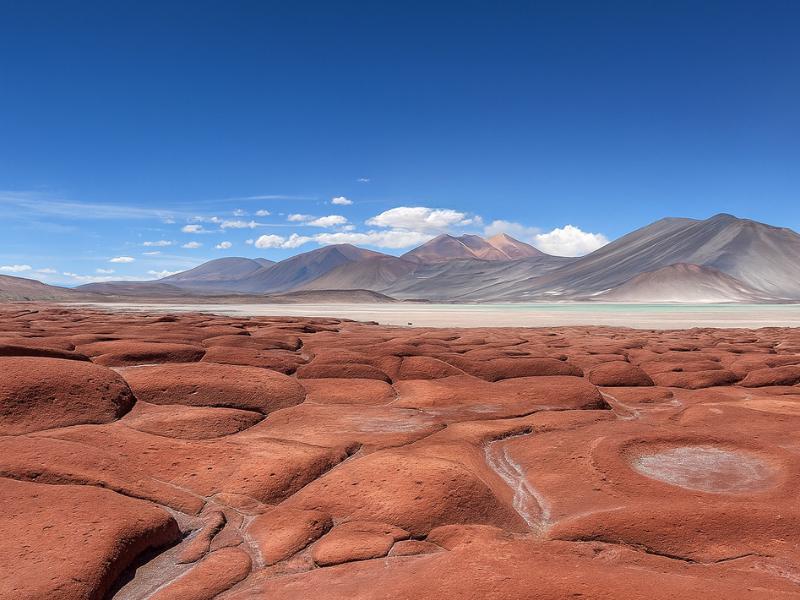
Group size standard shows 12-16 passengers being comfortable maximum with experienced guides handling this efficiently versus overcrowded 20-25 creating safety concerns and reduced guide attention.
Safety briefings demonstrate reputable operators providing pre-tour instructions (altitude awareness, staying on boardwalks, emergency procedures) versus negligent operators rushing departure without proper orientation.
Vehicle safety includes working seatbelts (mandatory use), maintained suspension (gravel roads rough), heating (El Tatio -15°C to -25°C), first aid kit visible, fire extinguisher present.
Guide first aid training shows legitimate operators requiring certification (Chilean Red Cross or equivalent) with guides capable handling altitude sickness, minor injuries, emergencies versus untrained guides.
Before you get excited about independence, read our complete do-it-yourself Atacama tour guide – the reality is more complicated (and expensive) than most people expect.
Table: Safe Tour Practices Complete Checklist
| Safety Practice | What to Check | Good Operators | Red Flags | Your Rights | If Unsafe |
|---|---|---|---|---|---|
| Pre-Tour Safety Briefing | Altitude warning, emergency procedures explained | 10-15 min comprehensive briefing | Rushed departure, no briefing | Insist on safety information | Request briefing or refuse tour |
| Vehicle Seatbelts | All seats have working belts | Enforced mandatory use | Broken or missing belts | Require seatbelt availability | Refuse to board unsafe vehicle |
| Maximum Group Size | Confirmed 12-16 passengers | Stated at booking, enforced | 20-25 overcrowding | Tour as-booked size | Demand refund if oversold |
| First Aid Kit Visible | Comprehensive supplies accessible | Multiple kits, oxygen for altitude | No kit or hidden | Know emergency equipment location | Ask to see kit, refuse if inadequate |
| Guide First Aid Trained | Certification or experience confirmed | Multiple guides on large tours | Young inexperienced single guide | Trained professional guidance | Ask certification, leave review |
| Emergency Communication | Satellite phone or radio | Visible, guide knows how to use | No communication device | Contact capability if emergency | Ask what communication available |
| Weather Monitoring | Guide checks conditions, adapts | Cancels if dangerous (rare) | Ignores bad weather | Safety prioritized over schedule | Support cancellation if unsafe |
| Altitude Monitoring | Guide asks about symptoms | Checks group regularly, oxygen available | No altitude awareness | Honest symptom reporting encouraged | Report symptoms immediately |
| Vehicle Maintenance | Well-kept, newer vehicles | 2015+ regular service | Old poorly-maintained | Safe reliable transport | Refuse if vehicle condition poor |
| Insurance Verification | Policy documentation provided | Clear passenger liability coverage | Vague or no insurance | Protected by operator insurance | Don’t tour without insurance |
Safety briefing content should include altitude risks (symptoms to watch, when to report), geyser dangers (stay on boardwalks, scalding water), weather challenges (extreme cold El Tatio), emergency procedures (who to tell, what to do).
The seatbelt enforcement demonstrates good operators requiring all passengers buckling before departure versus negligent operators allowing standing or unbuckled passengers on rough gravel roads.
Group size verification shows asking at booking “What’s the maximum group size?” then counting passengers before departure confirming promised 12-16 versus surprise 22-25 overcrowding.
First aid kit accessibility demonstrates being visible (not hidden trunk), comprehensive supplies (bandages, antiseptic, pain relief, altitude medication), oxygen canisters (2-3 for altitude emergency) versus empty or missing.
The guide certification shows asking “Are your guides first aid certified?” with legitimate operators proudly confirming Chilean Red Cross or professional training versus vague responses indicating no training.
Emergency communication necessity demonstrates satellite phone (no cell service remote areas) or two-way radio (backup vehicle contact) being essential versus no communication creating isolation dangerous situations.
Weather monitoring shows guides checking forecasts, delaying dangerous conditions (extremely rare Atacama stable weather), prioritizing safety versus blindly following schedule regardless of conditions.
Altitude group checks demonstrate guide regularly asking “How does everyone feel?” encouraging honest symptom reporting versus ignoring signs of altitude sickness pushing group forward.
Vehicle maintenance assessment shows well-kept 2015+ vehicles being standard with visible cleanliness, functioning heating/AC, good tires versus old 2000-2010 poorly maintained suggesting cutting costs.
Insurance passenger rights demonstrate legitimate operators carrying required liability coverage protecting against accidents, injuries versus unlicensed operators having zero coverage leaving passengers liable own medical costs.
Choose A Date For Your Outing
Valley Of The Moon
Select your date and party on Viator for the current price and departure options.
See Moon Valley Departures ↗Best Practices: Staying Safe Summary
Acclimatization priority shows waiting 48-72 hours before high-altitude tours (El Tatio 4,300m, Altiplanic 4,000m+) reducing altitude sickness risk 30-40% to 10-15% being single most important safety practice.
Sun protection aggressive demonstrates SPF 50+ reapplied every 60-90 minutes, quality UV400 sunglasses, wide-brim hat, covering exposed skin preventing severe burns being second most important practice.
Hydration extreme shows 3-4L daily water (double sea-level needs) from <1% humidity plus altitude breathing preventing dehydration, altitude sickness, heat exhaustion being critical health maintenance.
Tour operator verification demonstrates booking only established licensed operators (storefront offices, insurance documentation, online reviews 4+ stars) preventing 95% tour-related safety issues.
Securing valuables shows using accommodation locks, attending bags in public, hiding car valuables, money belt for cash eliminating opportunistic petty theft (rare but preventable).
Travel insurance comprehensive demonstrates medical evacuation coverage, altitude activity inclusion, 24/7 assistance being non-negotiable safety net for remote high-altitude desert travel.
Emergency preparedness includes saving emergency numbers (Police 133, Ambulance 131, Tourist Police, insurance hotline), informing accommodation of daily plans, carrying extra water/snacks tours.
Once you have spent 48–72 hours in San Pedro, check dates for the El Tatio Geysers Experience.
FAQs
Is San Pedro de Atacama safe for tourists?
Very safe with extremely low crime rates (<0.5% tourist victimization annually). Virtually zero violent crime, minimal petty theft, welcoming community. Primary concerns are environmental (altitude sickness, sun exposure, dehydration) rather than criminal. Women solo travelers report excellent safety. Basic precautions (locking rooms, attending bags) eliminate most theft risk.
What are the main safety concerns in Atacama?
Environmental hazards primary: altitude sickness 30-40% at 4,000m+ (requires 48-72hr acclimatization), severe sunburns from 40-50% stronger UV (SPF 50+ hourly reapplication essential), dehydration from <1% humidity (need 3-4L daily water), hypothermia at El Tatio -15°C to -25°C predawn. Crime virtually nonexistent. Medical facilities basic requiring evacuation serious emergencies.
Do I need travel insurance for Atacama?
YES – absolutely essential. Medical evacuation helicopter costs $3,000-8,000 uninsured. Must have: medical coverage $100,000+, emergency evacuation $500,000+, adventure/altitude activity inclusion (many policies exclude hiking >4,000m). Comprehensive policies (World Nomads, Allianz, IMG) cost $50-150/week. Non-negotiable for remote high-altitude desert travel.
Is San Pedro safe for solo women travelers?
Very safe with 95%+ positive reports. Respectful local culture, minimal aggressive harassment, active evening street life until 10-11pm, female-only hostel dorms available. Much safer than many Latin American destinations. Standard precautions (awareness, buddy system bars, avoiding late-night dark streets) recommended but lower concern than typical destinations.
What should I do about altitude sickness?
Prevention critical: wait 48-72 hours San Pedro (2,400m) before 4,000m+ tours. Never book El Tatio/Altiplanic Day 1-2 arrival (40-50% sickness risk). Take Diamox preventative (1-2 days before), drink 3-4L water daily, avoid alcohol first 48 hours, move slowly. Symptoms: headache, nausea, fatigue, dizziness. Severe: descend immediately, seek medical attention.
How do I choose safe tour operators?
Check: government registration (SERNATUR license displayed), passenger insurance documentation, physical office storefront (Caracoles/Tocopilla Streets), online reviews 4+ stars (50+ reviews), vehicle condition 2015+ maintained, group size confirmed 12-16 maximum, guide first aid certification. Red flags: 30-40% below market pricing, street solicitation, no insurance, vague details. Book established operators only.
Planning Safe Atacama Travel
Research altitude effects reading about symptoms, prevention, acclimatization protocols before arrival understanding 2,400m town, 4,000-4,300m tour reality requiring preparation.
Purchase comprehensive travel insurance minimum 2 weeks before departure including medical $100,000+, evacuation $500,000+, altitude/adventure activity specific inclusion covering 4,000m+ hiking.
Schedule proper acclimatization Day 1 complete rest (arrive, light walk town, early sleep), Day 2 easy tour (Valle Luna same altitude), Day 3-4+ high tours (El Tatio, Altiplanic).
Pack safety essentials including SPF 50+ sunscreen 200ml, quality UV400 sunglasses, first aid kit, altitude medication (Diamox or coca tea), extra water bottles 2-3L capacity, warm layers El Tatio.
Book established operators researching online reviews (TripAdvisor, Google, tour comparison sites), comparing 3-5 options, visiting physical offices before booking, verifying insurance documentation.
Secure accommodation valuables using provided locks (bring padlock if hostel), hotel safes if available, money belt for excess cash, leaving expensive jewelry home avoiding unnecessary risk.
Program emergency contacts including Police 133, Ambulance 131, Tourist Police (Caracoles Street), travel insurance 24/7 hotline, US/Canadian/UK Embassy, tour operator WhatsApp.
Inform trusted person home of itinerary sharing accommodation details, tour schedules, expected return dates enabling welfare checks if communication lapses unexpectedly.
Carry backup resources including US dollars cash $200-500 (ATMs occasionally empty), photocopy passport (leave original safe), offline maps (Google Maps download), basic Spanish phrases.
Monitor health daily checking altitude symptoms (headache, nausea, fatigue), sun exposure (reapplying sunscreen hourly), hydration (3-4L water daily, monitoring urine color), reporting concerns immediately.
If you want El Tatio, Piedras Rojas, Valle de la Luna, and Baltinache on one ticket, see the 3-day combo with 4 tours.
Glossary
- SERNATUR: Chilean National Tourism Service (Servicio Nacional de Turismo) – government agency registering and regulating tour operators, license verification ensuring legitimate operators.
- Carabineros: Chilean national police force maintaining law and order with Tourist Police (Carabineros de Turismo) specialized unit providing English-speaking tourist assistance on Caracoles Street San Pedro.
- Consultorio: Public health clinic providing basic medical services (minor injuries, mild illness, altitude sickness assessment) adequate for non-emergency issues requiring doctor visit.
- Diamox (Acetazolamide): Prescription altitude sickness prevention medication (over-counter Chile) reducing symptoms 50-70% when taken 1-2 days before high-altitude exposure (El Tatio 4,300m, Altiplanic 4,000m+).
- UV400: Sunglasses rating indicating 99-100% UVA and UVB ray blocking essential high-altitude sun protection preventing eye damage from 40-50% stronger radiation at 2,400-4,300m elevation.
Key Takeaways
- San Pedro de Atacama extremely safe destination with <0.5% tourist victimization annually, virtually zero violent crime, minimal petty theft (unlocked rooms, unattended bags only), welcoming tourist-dependent community creating secure environment all visitor types. Primary safety concerns environmental not criminal: altitude sickness affecting 30-40% at 4,000-4,300m tours inadequately acclimatized (requires 48-72hr San Pedro 2,400m adjustment before high tours, never Day 1-2 booking El Tatio/Altiplanic), severe sunburns from 40-50% stronger UV at altitude (SPF 50+ reapplication every 60-90 minutes mandatory), dehydration from <1% humidity (need 3-4L daily water double sea-level), hypothermia risk El Tatio -15°C to -25°C predawn (expedition-level warmth essential).
- Women solo travelers report 95%+ positive safety experiences with respectful local culture, minimal aggressive harassment, active evening street life until 10-11pm, female-only hostel dorms available creating comfortable secure environment much safer than many Latin American destinations. Medical facilities basic including clinic (Consultorio) handling minor issues, pharmacy Caracoles Street stocking standard medications including over-counter Diamox, though serious emergencies requiring evacuation Calama Hospital (100km, 1.5 hours) or Antofagasta Regional Hospital (300km, 4 hours) with helicopter evacuation costing $3,000-8,000 uninsured making comprehensive travel insurance non-negotiable.
- Essential insurance coverage: medical $100,000+ minimum, emergency evacuation $500,000+ or unlimited, adventure/altitude activity specific inclusion (many policies excluding hiking >4,000m), trip interruption 100% trip cost, 24/7 assistance hotline, costing $50-150 typical week-long trip (World Nomads, Allianz, IMG recommended providers). Crime prevention basic precautions: lock accommodation doors/use lockers (petty theft opportunistic from unlocked rooms), attend bags in public spaces (unattended phones/cameras occasional targets), secure car valuables (hide everything, park visible areas), book established licensed tour operators only (avoid street vendors, verify SERNATUR registration and insurance), use ATMs at banks versus bodega machines (occasional skimming), negotiate taxi prices upfront ($5-10 typical town rides).
- Tour operator safety verification: physical office storefront Caracoles/Tocopilla Streets, government SERNATUR license displayed, passenger insurance documentation provided, online reviews 4+ stars minimum 50+ reviews, vehicle condition 2015+ well-maintained, group size 12-16 maximum confirmed, guide first aid certified, safety equipment visible (first aid kit, oxygen canisters, satellite phone). Red flags unsafe operators: 30-40% below market pricing suggesting cutting corners, street solicitation without office, vague/no insurance information, poor online reviews or no presence, old poorly-maintained vehicles, overcrowding 20-25 passengers.
- Natural hazards: geyser scalding water 85°C (stay marked boardwalks only El Tatio), salt crust collapse risk (marked paths only Cejar/Tebinquinche/Talar), flash floods very rare (avoid camping riverbeds January-February), getting lost remote desert (join tours, inform others, GPS device). Emergency contacts: Police 133, Ambulance 131, Fire 132, Tourist Police Caracoles Street (English-speaking), travel insurance 24/7 hotline, tour operator WhatsApp, US Embassy Santiago +56 2 2330 3000, Canadian Embassy +56 2 2652 3800, UK Embassy +56 2 2370 4100. Food/water safety: tap water unsafe (bottled only for drinking/teeth brushing), restaurant food generally safe established eateries, street vendors moderate risk (cooked-fresh only), fresh salads moderate risk (may be rinsed tap water), ice ask about purified water usage.
- Money safety: ATMs limited (2-3 machines occasionally empty), carry cash backup US dollars $200-500, ATM withdrawals $5-8 fees (withdraw maximum $200-300 minimizing frequency), many businesses preferring cash (20-30% cash discounts), Visa/Mastercard accepted established places (American Express rare), money belt or split locations for large amounts.
- Acclimatization protocol mandatory: Day 1 arrival complete rest, Day 2 easy same-altitude tour (Valle Luna 2,400m), Day 3-4+ high-altitude tours (El Tatio 4,300m, Altiplanic 4,000m+), never rush Day 1-2 (40-50% altitude sickness risk vs 10-15% proper adjustment). Sun protection extreme: SPF 50+ reapply every 60-90 minutes (altitude/aridity removes faster), quality UV400 sunglasses (cheap inadequate UV protection), wide-brim hat 8-10cm, cover exposed skin (long-sleeve UPF 50 shirt), lip balm SPF 30+, burn time 30-60 minutes unprotected creating severe damage. Overall safety rating 9/10 very safe with environmental preparation focus not crime vigilance required typical destinations. Compare dates for the Piedras Rojas full-day tour after two nights in town.
Written by experienced Atacama Desert safety specialist with comprehensive knowledge of altitude physiology, environmental hazards, Chilean emergency services, tour operator standards, and traveler risk mitigation ensuring visitors understand San Pedro’s excellent overall safety while properly preparing for unique high-altitude desert environmental challenges. Date: December 29, 2025.
Make It Part Of Your Trip
Review the walking and pickup details for a valley afternoon rather than defaulting to a full highland day.
Valley Of The Moon
Make room for a desert landscape outing without committing several days. A guided Moon Valley excursion gives your afternoon a clear destination.
See Moon Valley Departures ↗