Atacama Desert Trip Costs and Budgeting
Atacama Desert trip cost breakdown—from $80/day backpacking to luxury lodges. See 5-day budgets, tour prices, hidden fees, and the best months to save 20–30%.
Last updated: May 13, 2026
TL;DR
Atacama Desert trip costs range from ultra-budget $80-120 daily (hostels $15-40 dorms, self-catering $15-25, minimal tours) to budget $120-180 (hostel privates $40-70, mixed dining $25-45, selective tours), mid-range $200-300 (hotels $80-150, restaurant meals $40-80, comprehensive tours), or luxury $400-700+ (lodges $250-800+ all-inclusive). Essential 5-day trip totals: ultra-budget $400-600, budget $600-900, mid-range $1,000-1,500, luxury $2,000-3,500+ including accommodation ($80-750 total), tours ($150-300 for Valle de la Luna $25-35, El Tatio $45-60, Altiplanic Lagoons $60-80, stargazing $50-70), meals ($75-400), and transport ($30-100 Calama airport shuttles). Major costs: accommodation 35-45% of budget, tours 30-40%, food 20-30%, transport 5-10%. Money-saving strategies: visit shoulder seasons March-May/September-November for 20-30% savings ($60-100 accommodation vs $80-150 peak), self-cater saving $25-40 daily versus restaurants, book hostels with kitchens, skip expensive snowboard/helicopter add-ons. Hidden costs: park entrance fees $3-15 beyond tour prices, travel insurance $50-100 trip, currency exchange 3-5% losses, tips optional $5-20 per tour, laundry $8-15 per load. NOT included in tours: meals except luxury lodges, equipment rental for specialized activities, personal gear purchases $50-200 if unprepared, accommodation, airport transfers. Best value season: April-May and September-October offering excellent weather with 25-30% lower costs. Budget by traveler type: solo backpackers $100-150 daily, couples mid-range $400-600 combined daily, families $500-800 daily for 4, luxury seekers $800-1,500+ daily.
Spend On The Experience, Budget The Extras
Choose what you want and the time you can give it. The result explains the trade-off before you open the booking page.
What Are the Total Daily Costs for Different Budget Levels in Atacama?
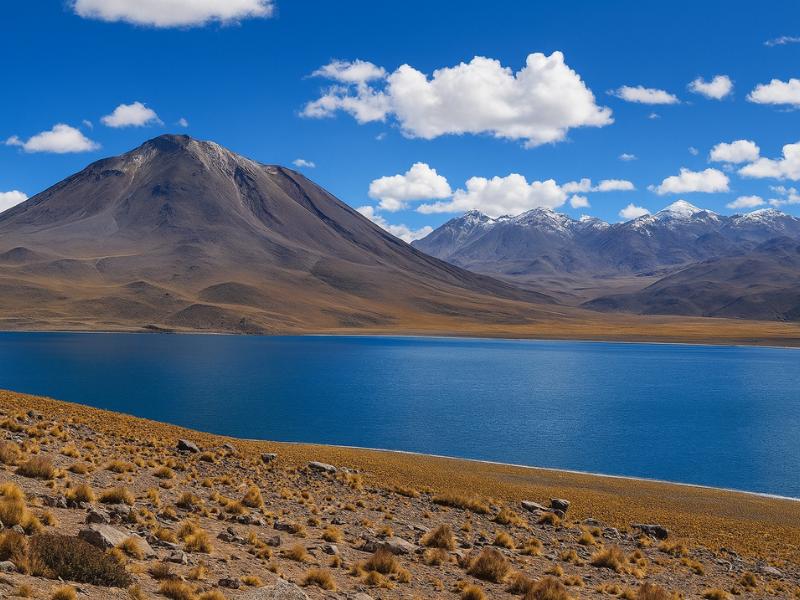
Ultra-budget travelers spending $80-120 daily combine hostel dorms ($15-40), self-catering all meals ($15-25), walking exclusively, and 1-2 selective tours every other day.
Budget-conscious visitors allocating $120-180 daily use hostel private rooms ($40-70), mix self-catering and cheap restaurants ($25-45), take public shuttles, and book 1 tour daily.
Mid-range tourists investing $200-300 daily stay in comfortable hotels ($80-150), dine at restaurants ($40-80), take all major tours (1-2 daily), and enjoy occasional extras.
Luxury travelers spending $400-700+ daily book all-inclusive lodges ($250-800+ per person including meals, premium tours, bar, spa) experiencing comprehensive hassle-free Atacama.
Table: Atacama Daily Budget Breakdown by Spending Level
| Budget Level | Daily Cost | Accommodation | Food | Tours/Activities | Transport | Extras | Best For | Compromises Required |
|---|---|---|---|---|---|---|---|---|
| Ultra-Budget | $80-120 | $15-40 (dorms, shared facilities) | $15-25 (self-cater, bread/pasta) | $0-40 (1 tour every 2-3 days) | $0-5 (walking only) | $5-10 (minimal) | Backpackers, extended travelers | Skip many tours, basic food, dorms |
| Budget | $120-180 | $40-70 (hostel private, shared bath) | $25-45 (self-cater breakfast/lunch, cheap dinner) | $25-50 (1 tour daily average) | $5-15 (shuttles when needed) | $10-20 | Budget travelers, couples | Some tour limitation, simple meals |
| Mid-Range | $200-300 | $80-150 (hotel private, ensuite, pool) | $40-80 (restaurant meals, variety) | $50-100 (1-2 tours daily, all majors) | $10-30 (flexibility, occasional taxi) | $20-50 | Most tourists, comfort seekers | None significant |
| Comfort | $300-400 | $120-200 (boutique hotel, quality) | $60-100 (good restaurants, wine) | $60-120 (all tours, premium options) | $20-50 (convenience, private transfers) | $40-80 | Well-budgeted tourists | None |
| Luxury | $400-700+ | $250-800+ (all-inclusive lodge: meals/bar/tours included) | Included in accommodation | Included comprehensive tours | Included transfers | $50-100+ (shopping, tips) | High budget, all-inclusive preference | None (full experience) |
Ultra-budget $80-120 daily achieves through strict discipline with hostel dorms $15-40, self-catering all meals $15-25 (supermarket Ayllu), walking everywhere, and only 1-2 essential tours (Valle de la Luna $30, El Tatio $50) over 5 days.
The budget $120-180 level provides more comfort with hostel private rooms $40-70, mixed dining (self-cater breakfast/lunch, cheap restaurant dinner), and 1 tour daily ($25-80) maintaining reasonable quality.
Mid-range $200-300 represents typical comfortable tourist experience with quality hotels $80-150, restaurant meals $40-80 daily, all major tours (Valle de la Luna, El Tatio, Altiplanic Lagoons, stargazing), and minor splurges.
Luxury $400-700+ delivers all-inclusive experience at properties like Alto Atacama ($600-1,200 per person) or Tierra Atacama ($500-900) including gourmet meals, premium tours, bar, spa, and seamless service.
The accommodation cost driver shows lodging consuming 35-45% of total budget across all levels with ultra-budget $15-40 nightly versus luxury $250-800+ creating 15-50x difference.
Tour expenses represent 30-40% of budget for non-luxury travelers with comprehensive 5-day itinerary requiring Valle de la Luna $25-35, El Tati $45-60, Altiplanic Lagoons $60-80, stargazing $50-70, Rainbow Valley $35-50 totaling $225-295.
Food costs varying 20-30% of budget show ultra-budget self-catering $15-25 daily versus mid-range restaurants $40-80 daily creating $125-400 difference over 5 days.
Transport in San Pedro minimality demonstrates most visitors spending only $30-100 total trip on airport shuttles ($15-25 each way) with town being walkable and tours including transportation.
The luxury all-inclusive value shows $600 per person daily including accommodation ($250), gourmet meals ($80-120 value), premium tours ($120-200 value), bar ($30-60), spa treatments creating $480-630 daily value justifying pricing.
Solo traveler penalty affects all budgets with accommodation single occupancy lacking shared cost benefits though hostels eliminating penalty through per-bed pricing.
If you want meals, pickup and entrance fees in one $110 line, check the Piedras Rojas, Altiplanic Lagoons & Chaxa full-day tour.
How Much Do Atacama Tours and Activities Cost?
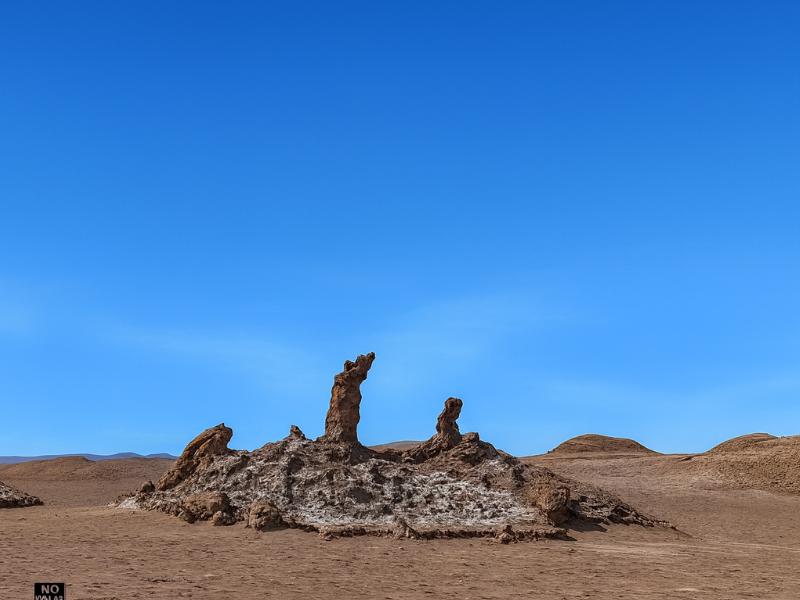
Valle de la Luna sunset tours cost $25-35 per person for 3-hour experiences including transport, guide, park entry, and sunset viewing from Mars-like landscapes.
El Tatio Geysers charges $45-60 covering 7-8 hour pre-dawn excursion with 4am departure, 2-hour mountain drive, geyser viewing, optional hot springs, and breakfast/snacks.
Altiplanic Lagoons runs $60-80 for full-day 10-12 hour tour visiting Miscanti-Meñiques lakes at 4,000m+ altitude, Piedras Rojas red rocks, Salar de Atacama, and flamingo viewing.
Stargazing experiences cost $50-70 for 2-3 hour tours with professional telescopes (10-16 inch), expert astronomers, laser constellation tours, and transport to dark-sky locations.
Here’s the thing: the private tours vs group tours in Atacama question is actually more relevant than ‘should I rent a car’ for most travelers – at least both tour options actually get you where you’re trying to go.
Table: Complete Atacama Tours and Activities Price List
| Tour/Activity | Price Range | Duration | What’s Included | What’s NOT Included | Best Value | Essential? | When to Skip |
|---|---|---|---|---|---|---|---|
| Valle de la Luna Sunset | $25-35 | 3 hrs | Transport, guide, sunset viewing | Park entry $3-5 | $25-30 operators | Yes (must-do) | Never |
| El Tatio Geysers | $45-60 | 7-8 hrs | Transport, guide, breakfast/snacks | Warm clothing if cold | $45-50 budget operators | Yes (signature) | If extremely cold-averse |
| Altiplanic Lagoons | $60-80 | 10-12 hrs | Transport, guide, all sites, lunch often | Extra warm layers altitude | $60-70 standard operators | Yes (comprehensive) | If limited budget |
| Stargazing Tour | $50-70 | 2-3 hrs | Telescopes, expert guide, transport | Warm clothing night | $50-60 adequate operators | Highly recommended | If no astronomy interest |
| Rainbow Valley | $35-50 | 4-5 hrs | Transport, guide, valley viewing | Snacks/water | $35-40 | Optional (nice-to-have) | If budget tight |
| Salar de Atacama/Chaxa | $30-40 | 4-5 hrs | Transport, flamingos, salt flats | Park entry $3-5 | $30-35 | Optional | Can DIY with bike |
| Cejar Lagoon Floating | $40-55 | 4 hrs | Transport, lagoon access, floating time | Towel, swimsuit | $40-45 | Optional (unique) | Winter (too cold) |
| Piedras Rojas Extension | +$10-15 | Add to Lagoons | Extended Altiplanic tour | Usually combined | Worth addition | Add if possible | Budget limitations only |
| Tatio Hot Springs | Included in El Tatio | N/A | Natural pools at geysers | Bring swimsuit | Free addition | Do it if want | If squeamish cold water |
| Pukará de Quitor | Free entry or $3 | 1-2 hrs self | Pre-Incan ruins, views | No guide (DIY) | Free walking/biking | Optional DIY | Never (it’s free/cheap) |
Valle de la Luna essential status shows 95% of visitors booking this signature sunset experience with dramatic rock formations, sand dunes, and Mars-like landscapes justifying $25-35 cost.
The El Tati Geysers ranking as must-do reflects world’s highest geyser field (4,300m) with sunrise steaming fumaroles, altiplano landscapes, and unique high-altitude experience worth $45-60.
Altiplanic Lagoons full-day value demonstrates $60-80 covering 10-12 hours visiting multiple sites (Miscanti-Meñiques lakes, Piedras Rojas, Chaxa flamingos) creating best per-hour value.
Stargazing investment (book tour here) $50-70 provides access to professional telescopes ($10,000-20,000 equipment value), expert interpretation, and world’s clearest skies justifying cost versus DIY attempts.
The optional tour identification shows Rainbow Valley, Salar de Atacama solo visits, and Cejar Lagoon being nice additions though skippable if budget-constrained without missing essential experiences.
Park entry fees additional show some tours excluding $3-5 entrance charges for Valle de la Luna, Laguna Chaxa requiring extra cash beyond tour price.
Tour package combinations sometimes offer 10-15% discounts booking multiple tours together (Valle + El Tati + Lagoons = $150-180 combined versus $130-175 individually) though flexibility lost.
Budget allocation tours shows comprehensive 5-day itinerary requiring $225-295 total (Valle $30, El Tati $50, Altiplanic Lagoons $70, stargazing $60, Rainbow Valley $40, minor extras $25).
The cost-per-hour analysis reveals Valle de la Luna $8-12/hour, El Tati $6-8/hour, Altiplanic Lagoons $5-7/hour, stargazing $17-23/hour with long tours delivering better hourly value.
Add-on activity costs include sandboarding $20-30 (sometimes included Valle de la Luna), telescope astrophotography sessions $30-50 extra, private tour premiums $100-300 total small groups.
Smart travelers using our booking Atacama tours: advance vs on arrival strategies often spend less than rental car drivers while maintaining schedule flexibility through strategic tour timing.
What Are Accommodation Costs in San Pedro de Atacama?
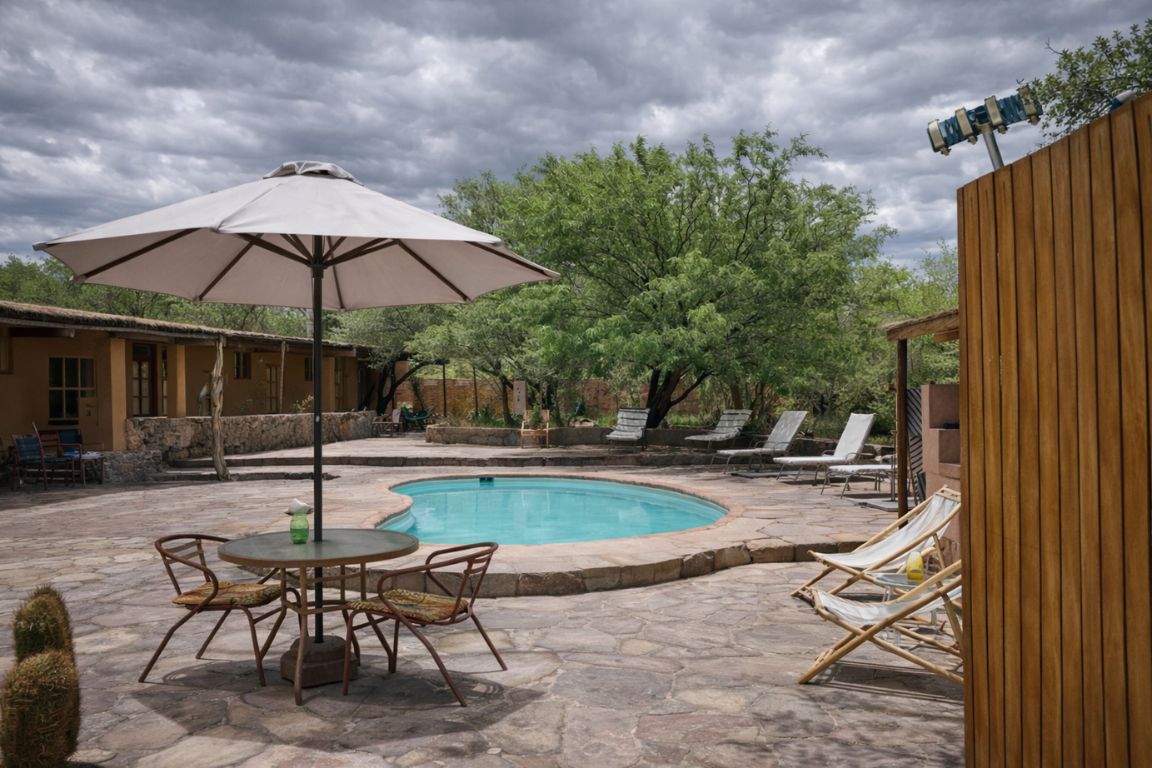
Hostel dorm beds cost $15-40 nightly with budget properties (Backpackers San Pedro) at $15-30 versus quality hostels (Puritama, Elim) at $20-40 providing social atmosphere and kitchens.
Hostel private rooms run $30-70 offering budget couples comfort with shared bathrooms, kitchen access, and hostel amenities at fraction of hotel costs.
Mid-range hotels charge $70-150 providing private ensuite rooms, breakfast included, often pools, and more services than hostels serving mainstream tourists.
Luxury all-inclusive lodges demand $250-800+ per person nightly including gourmet meals, premium tours, bar, spa creating comprehensive hassle-free experiences at Alto Atacama, Tierra Atacama, Explora.
Before dropping serious money on a rental, consider that where to stay in San Pedro offers everything from budget hostels to luxury lodges – that rental premium could buy you significantly better accommodation instead.
Table: San Pedro de Atacama Accommodation Costs Complete Breakdown
| Category | Shoulder Season (Mar-May, Sep-Nov) | Peak Summer (Dec-Feb) | Winter (Jun-Aug) | Christmas Week | 5-Night Total Shoulder | 5-Night Total Peak | What’s Included |
|---|---|---|---|---|---|---|---|
| Ultra-Budget Dorms | $15-30/night | $20-40/night | $18-35/night | $25-50/night | $75-150 | $100-200 | Basic breakfast sometimes, WiFi, shared facilities |
| Budget Hostel Private | $30-60/night | $40-80/night | $35-70/night | $50-100/night | $150-300 | $200-400 | Kitchen, WiFi, shared bath usually |
| Budget Hotel | $50-85/night | $65-110/night | $60-95/night | $85-140/night | $250-425 | $325-550 | Breakfast, private bath, WiFi |
| Mid-Range Hotel | $70-120/night | $90-160/night | $80-130/night | $130-220/night | $350-600 | $450-800 | Breakfast, pool often, quality |
| Boutique Hotel | $120-200/night | $150-260/night | $130-220/night | $200-350/night | $600-1,000 | $750-1,300 | Premium breakfast, design, service |
| Luxury All-Inclusive | $400-750 pp/night | $550-1,000 pp/night | $450-850 pp/night | $700-1,200 pp/night | $2,000-3,750 | $2,750-5,000 | All meals, tours, bar, spa, transfers |
Shoulder season savings March-May and September-November deliver 20-30% lower accommodation costs with mid-range $70-120 versus peak $90-160 over 5 nights saving $100-200.
The Christmas week premium December 20-January 5 spikes prices 40-80% with mid-range reaching $130-220 versus regular December $90-160 representing $200-300 extra over 5 nights.
Hostel dorm value shows ultra-budget travelers paying only $75-150 total for 5 nights shoulder season versus peak $100-200, enabling extended stays or budget reallocation to tours.
Private room economics demonstrate hostel privates $30-60 shoulder/$40-80 peak competing favorably against budget hotels $50-85/$65-110 while providing kitchen access saving additional $25-40 daily food costs.
The mid-range dominance reflects most tourists (60-70%) spending $70-150 nightly on comfortable hotels with ensuite bathrooms, breakfast, pools creating quality-to-value sweet spot.
Luxury all-inclusive calculation shows $400-750 per person including accommodation ($200-300 equivalent value) plus all meals ($80-120), premium tours ($120-200), bar ($30-60), spa treatments ($50-100) creating $480-780 total value.
Booking timeline affects costs with 8-12 weeks advance peak season securing standard rates versus last-minute (1-2 weeks) finding limited availability at 30-50% premiums.
The 5-night total demonstrates accommodation representing largest single expense category with ultra-budget $75-200 versus mid-range $350-800 versus luxury $2,000-5,000 creating massive range.
Seasonal variation consistency shows all categories experiencing similar percentage increases peak summer (30-40% vs shoulder) and Christmas week (50-80% vs shoulder).
Single occupancy penalty affects hotels charging full room rates whether 1-2 people while hostels price per bed eliminating penalty making dorms economically favoring solo travelers.
What Each Booking Adds
Stargazing From A San Pedro Meeting Point
Meet in town for a guided night-sky outing with telescope use, photographs, blankets and hot drinks. Choose the English stargazing option for an English-led session.
About 2.5 hours. Not for children under 4 or travelers over 80. Sky targets depend on conditions.
Book on GetYourGuideBook My Telescope Evening ↗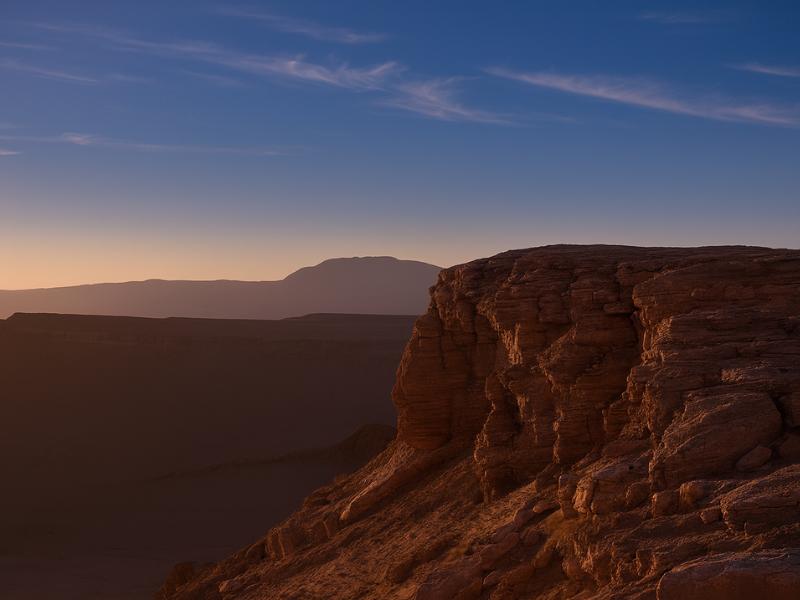
Atacama: 4 Tours In 3 Days
Spend your planning time on the rest of the trip. This package brings four outings into a three-day schedule, with accommodation pickup and a bilingual guide.
Entrance charges vary; accommodation is not included.
Book on GetYourGuideSee The 3-Day Tour Plan ↗Calama Airport ↔ San Pedro Transfer
Choose a shared or private airport transfer between Calama and San Pedro. Put the airport-to-hotel leg in place before fitting sightseeing around it.
Select the correct direction. Spanish-speaking driver; luggage allowance applies. Not wheelchair accessible.
Book on GetYourGuideArrange My Airport Transfer ↗What Do Meals and Food Cost in Atacama Desert?
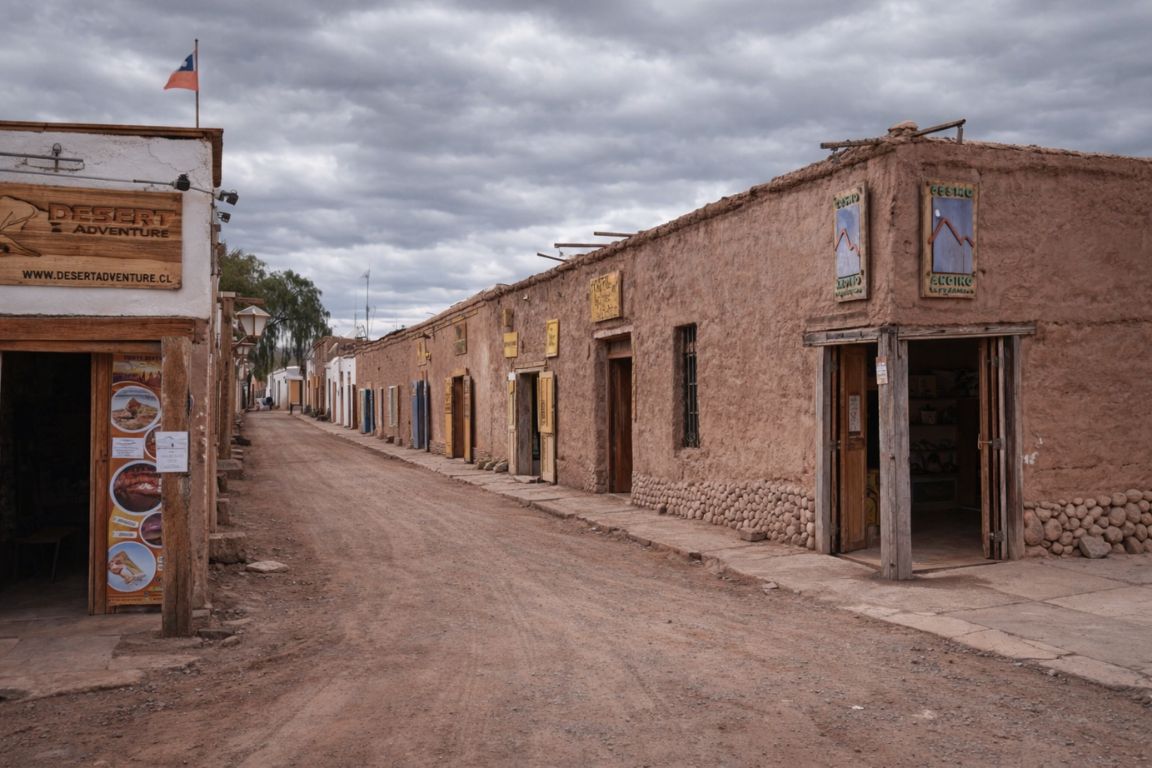
Self-catering at supermarkets (Ayllu, Coopagro) costs $15-25 daily buying bread, cheese, pasta, vegetables, and basic ingredients cooking hostel kitchens saving 60-70% versus restaurants.
Budget restaurant meals run $12-25 per meal at Chinese restaurants, empanada shops, simple eateries, and food trucks providing filling portions without premium pricing.
Mid-range dining charges $15-30 per meal at decent restaurants along Caracoles Street serving Chilean cuisine, pizza, international options with table service and atmosphere.
Quality restaurants cost $25-50+ per person for upscale dining featuring regional specialties, wine pairings, refined atmosphere at Adobe, Barros, or La Estaka.
Table: Atacama Food and Dining Complete Cost Breakdown
| Dining Style | Breakfast | Lunch | Dinner | Snacks | Daily Total | 5-Day Total | Savings Opportunity | What You Get |
|---|---|---|---|---|---|---|---|---|
| Ultra-Budget (Self-Cater All) | $3-5 (bread, jam, coffee) | $5-8 (pasta, rice, simple) | $7-12 (pasta, vegetables) | $2-3 | $17-28 | $85-140 | Max savings (60-70% vs restaurants) | Basic fuel, time cooking |
| Budget (Self + Cheap Out) | $3-5 (self-cater) | $5-8 (self-cater) | $12-20 (cheap restaurant) | $3-5 | $23-38 | $115-190 | Good savings (40-50% vs full restaurant) | One meal out, mostly basic |
| Mixed (Self + Restaurant) | $5-8 (self or included) | $8-15 (cheap out or self) | $15-25 (mid restaurant) | $3-5 | $31-53 | $155-265 | Moderate savings (20-30%) | Balance convenience/cost |
| Budget Restaurants | $8-12 (cafe/included) | $12-18 (simple restaurant) | $15-25 (decent restaurant) | $3-5 | $38-60 | $190-300 | Minimal savings | Convenience, variety |
| Mid-Range Dining | $10-15 (good breakfast) | $15-25 (quality lunch) | $25-40 (good dinner) | $5-8 | $55-88 | $275-440 | None (baseline) | Quality meals, experience |
| Quality Dining | $12-20 (excellent) | $20-35 (quality) | $35-60 (upscale + wine) | $5-10 | $72-125 | $360-625 | Spending more | Refined experience, wine |
| Luxury (Lodge Included) | Included gourmet | Included gourmet | Included gourmet | Included | $0 extra | $0 extra | Included in $400-800 nightly | Best quality, no decisions |
Self-catering maximum savings shows $17-28 daily ($85-140 for 5 days) versus budget restaurants $38-60 daily ($190-300) representing $105-160 savings over trip enabling extra tour or quality accommodation.
The breakfast strategy involves self-catering bread, cheese, coffee, fruit $3-5 (or utilizing included hotel breakfast) versus cafe $8-12 saving $5-7 daily or $25-35 over 5 days.
Lunch economics favor empanadas $3-5, simple set menus $8-12, or packed lunches from supermarket $5-8 versus sit-down restaurants $15-25 optimizing daytime touring convenience.
Dinner budget allocation shows cheap Chinese/pizza $12-20 sufficient versus mid-range Caracoles Street restaurants $15-30 providing better atmosphere and quality.
The supermarket savings demonstrate buying week’s groceries $70-100 (breakfast daily, lunch ingredients, snacks) versus restaurant equivalent $190-300 saving $90-200 enabling significant budget flexibility.
Wine and alcohol expenses add $10-30 daily with restaurant wine $12-18 per glass, beers $5-8, cocktails $10-15 versus supermarket beer $2-3, wine bottles $8-15 creating substantial markup.
Snack costs accumulate through bottled water $1-2, energy bars $2-3, fruit $1-3, afternoon coffee $3-5 totaling $5-10 daily though preventable carrying refillable bottles and buying bulk.
The luxury all-inclusive value eliminates food decisions and costs with gourmet meals, premium bar, 24-hour snacks included in $400-800 nightly rate being major value component.
Set menu lunches (menu del dia) at $10-15 provide soup, main, drink creating best lunch value versus a la carte $15-25 ordering dishes individually.
Dietary restrictions (vegetarian, vegan, gluten-free) generally cost similar though vegan options being limited requiring more self-catering increasing grocery reliance.
How Much Does Transportation Cost in Atacama Desert?
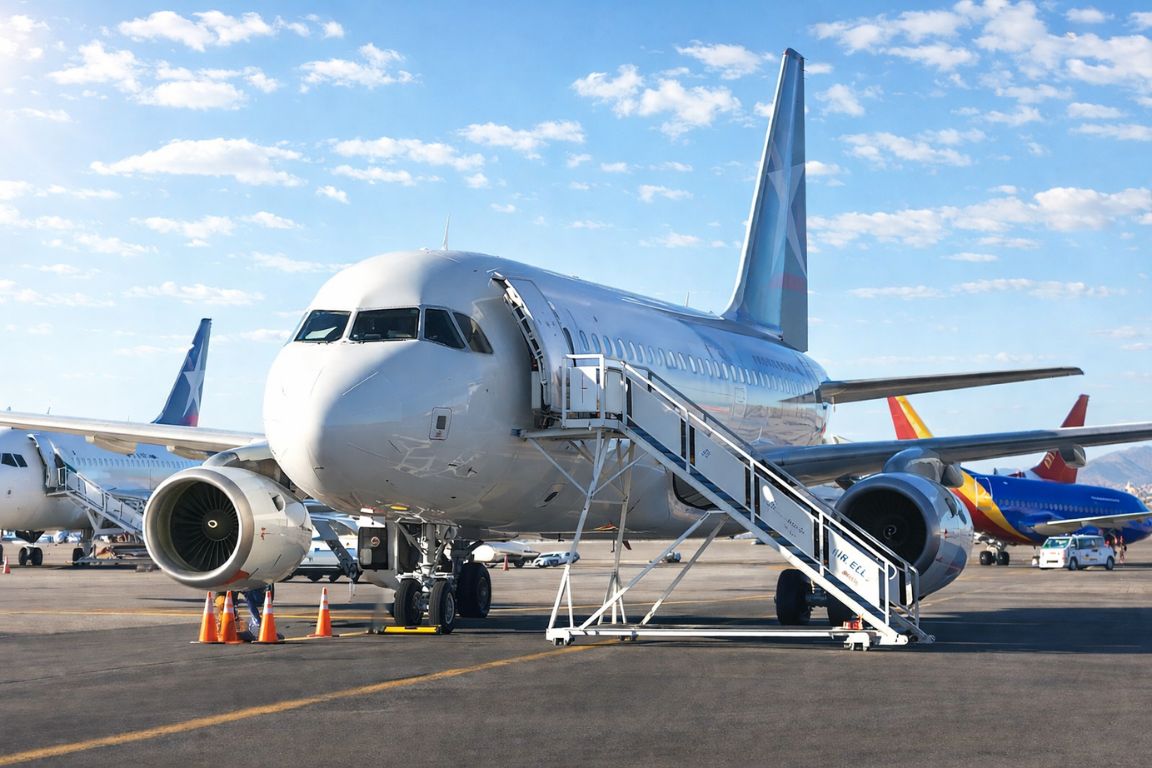
Calama airport shuttle buses cost $15-25 per person each way with operators (Atacama2000, Transfer Atacama) providing reliable service for 100km 90-minute journey to/from San Pedro.
San Pedro town walking costs $0 with compact 1-2km center being entirely walkable eliminating in-town transport needs for 90% of tourist activities.
Tour transportation includes all major attraction visits (Valle de la Luna, El Tati, Altiplanic Lagoons) being bundled into tour prices ($25-80) eliminating separate transport costs.
Rental cars run $50-100 daily making sense only for groups 4+ splitting costs ($12-25 each) or DIY adventurers accessing remote locations though most tourists not needing vehicles.
Understanding all your transportation in San Pedro de Atacama options reveals that rentals aren’t the only way to get independence – taxis, shared shuttles, and flexible tour arrangements often work better.
Table: Atacama Transportation Complete Cost Breakdown
| Transport Type | Cost | When Needed | Who Needs It | Alternatives | 5-Day Trip Impact | Can You Skip? |
|---|---|---|---|---|---|---|
| Airport Shuttle (Roundtrip) | $30-50 total ($15-25 each way) | Arrival and departure | Everyone | Private transfer $120-240, rental car | $30-50 essential | No (100km from airport) |
| Walking in San Pedro | Free | Daily in-town | Everyone | Nothing needed | $0 | No (primary transport) |
| Tour Transportation | Included in tour prices | Tours to attractions | 95% of visitors | Rental car $50-100 daily | $0 extra (included) | No (tours include it) |
| Rental Car | $50-100/day ($250-500 for 5 days) | DIY exploration, groups 4+ | 10-15% of tourists | Tours with transport | $250-500 | Yes (most don’t need) |
| Private Transfer Airport | $60-120 each way | Convenience preference | 5-10% of tourists | Shuttle $15-25 | $120-240 | Yes (shuttle fine) |
| Bicycle Rental | $10-20/day | Nearby ruins (Pukará 3km) | 20% of tourists | Walking, tours | $10-20 if renting 1 day | Yes (optional) |
| Taxi/Private Transfer Local | $15-30 per trip | Rare emergencies | Almost nobody | Walking, arrange through hotel | $0-30 | Yes (rarely needed) |
| Bolivia Border Trip | $200-400 (3-4 day organized tour) | Uyuni extension | 20% of tourists | Independent DIY (difficult) | $200-400 | Yes (separate trip) |
Airport shuttle necessity creates fixed $30-50 expense every Atacama trip with no practical alternatives given 100km distance from Calama Airport to San Pedro.
The walking elimination of in-town transport shows San Pedro’s compact design enabling all restaurants, accommodations, tour offices, shops being accessible 10-20 minute walks saving $0 versus taxi-dependent cities.
Tour transportation inclusion means $225-295 spent on major tours (Valle $30, El Tati $50, Altiplanic Lagoons $70, stargazing $60, Rainbow Valley $40, extras $25) automatically includes all attraction transport.
Rental car waste shows 85-90% of tourists not needing vehicles since tours including transport and town being walkable, with $250-500 five-day rental being unnecessary expense.
The private transfer luxury involves paying $120-240 roundtrip airport (versus $30-50 shuttle) for door-to-door convenience appealing to 5-10% of visitors prioritizing comfort over savings.
Bicycle rental optional nature shows $10-20 daily enabling Pukará ruins (3km) or Valle de la Muerte (5km) exploration though walkable or tour-accessible making bikes nice-to-have not essential.
Bolivia Uyuni extension represents separate major expense with organized 3-4 day tours costing $200-400 beyond standard Atacama budget though being distinct add-on trip.
The transportation budget minimality demonstrates most tourists spending only $30-50 total (airport shuttles) representing under 10% of total trip costs versus accommodation/tours being major expenses.
Fuel costs if renting car add $40-80 for 5 days covering major attraction visits (El Tati 190km roundtrip, Altiplanic Lagoons 200km+) at $0.80-1.20 per liter diesel.
What Hidden Costs and Extras Should You Budget For?
Park entrance fees cost $3-15 beyond tour prices with Valle de la Luna $3-5, Laguna Chaxa $3-5, Pukará de Quitor $3, Tulor ruins $3-5 adding $12-25 total if visiting all.
Travel insurance runs $50-100 per trip covering medical emergencies, evacuation from remote locations, trip cancellation, and lost luggage being essential not optional for desert travel.
Currency exchange losses eat 3-5% of budget converting USD/EUR to Chilean pesos at poor rates in San Pedro versus Calama or Santiago, costing $15-50 on $500-1,000 budgets.
Laundry services charge $8-15 per load with 5+ day trips requiring at least one wash cycle adding $15-30 total unless hand-washing in accommodations.
Table: Hidden Costs and Unexpected Expenses Atacama Trip
| Hidden Cost Category | Typical Amount | When Occurs | Avoidable? | Impact on Budget | Planning Strategy |
|---|---|---|---|---|---|
| Park Entrance Fees | $3-15 total trip | Various tours | No (required) | $12-25 total | Carry cash, budget extra |
| Travel Insurance | $50-100 trip | Before departure | Shouldn’t skip | $50-100 | Essential for remote area |
| Currency Exchange Loss | 3-5% of exchanged amount | Upon arrival, throughout | Partially (use ATMs) | $15-50 on $500-1,000 | Use ATMs, not exchanges |
| ATM Fees | $3-6 per withdrawal | Each ATM use | Partially (fewer withdrawals) | $15-30 trip | Withdraw larger amounts |
| Laundry | $8-15 per load | 5+ day trips | Yes (hand wash) | $15-30 | Hand wash or pack more |
| Snacks and Water | $3-8 daily | Daily purchases | Partially | $15-40 trip | Buy bulk, refillable bottle |
| Tips for Tours | $5-20 per tour | End of each tour | Yes (optional) | $25-80 trip if tipping all | Optional but appreciated |
| Souvenirs and Shopping | $20-100 | During trip | Yes | $20-100 | Set souvenir budget |
| Forgotten Gear | $30-150 | Upon arrival if unprepared | Yes (pack properly) | $30-150 | Pack warm layers, sunscreen |
| Extra Tours/Add-ons | $35-100 | During trip impulse | Yes | $35-100 | Stick to planned itinerary |
| Medications and First Aid | $10-30 | If needed | Partially | $10-30 | Bring from home |
| Phone/Data | $20-40 SIM card | Upon arrival | Yes (WiFi only) | $20-40 | Use WiFi, download offline maps |
Park fee accumulation shows most tours excluding entrance charges requiring carrying cash $3-5 per site with comprehensive itinerary visiting 4-5 paid locations totaling $12-25.
The travel insurance necessity covers medical emergencies at 2,400m altitude, potential evacuation to Calama ($500-2,000 cost), trip cancellation due to illness, and lost luggage.
Currency exchange trap involves San Pedro cambios (exchange offices) offering poor rates with 5-8% losses versus Calama ATMs 1-3% fees or Santiago exchanges 2-4% spreads.
ATM fee reality shows Chilean banks charging $3-6 per withdrawal plus home bank foreign transaction fees 1-3%, making larger withdrawals ($200-400) versus multiple small ones ($50-100) optimal.
The laundry calculation demonstrates 7+ day trips requiring wash with most accommodations offering service $8-15 per load or budget hostels having self-service machines $5-8.
Snack costs daily accumulate buying bottled water $1-2 (versus refillable), energy bars $2-3, fruit $1-3, afternoon coffee $3-5 creating $15-40 over 5 days preventable through supermarket bulk buying.
Tour tipping culture shows optional gratuities $5-20 per tour ($2-5 per person typical group tours) appreciated but not expected, totaling $25-80 over 5-day comprehensive itinerary.
Souvenir budget requires discipline with alpaca products ($20-80), local crafts ($10-40), postcards ($1-3) adding $20-100 depending on purchasing willingness.
The forgotten gear cost shows arriving without adequate warm layers requiring emergency purchases at inflated local prices: fleece $40-80, gloves $15-30, warm hat $10-20, sunscreen $8-15.
Extra tour temptation involves impulse booking additional activities (horseback riding $60-100, sandboarding lessons $30-50, photography workshops $80-150) beyond planned budget.
What Remains In Your Activity Budget?
Use totals for your whole group in the same currency. Enter actual quotes and expected extras.
How Much Does a Complete 3-Day, 5-Day, or 7-Day Atacama Trip Cost?
Three-day minimum trip costs ultra-budget $240-360, budget $360-540, mid-range $600-900, or luxury $1,200-2,100 covering essential Valle de la Luna, El Tatio, one additional tour with limited acclimatization.
Five-day optimal trip totals ultra-budget $400-600, budget $600-900, mid-range $1,000-1,500, or luxury $2,000-3,500 enabling comprehensive itinerary with proper altitude adjustment and all major attractions.
Seven-day extended trip reaches ultra-budget $560-840, budget $840-1,260, mid-range $1,400-2,100, or luxury $2,800-4,900 adding secondary sites, rest days, and relaxed pacing.
Bolivia Uyuni extension adds $200-400 for organized 3-4 day tours beyond base Atacama costs creating combined 8-10 day total trips costing $1,000-3,000+ depending on budget level.
Table: Complete Atacama Trip Cost by Duration and Budget Level
| Trip Length | Ultra-Budget | Budget | Mid-Range | Comfort | Luxury | What’s Included | Best For |
|---|---|---|---|---|---|---|---|
| 3 Days (Minimum) | $240-360 | $360-540 | $600-900 | $900-1,200 | $1,200-2,100 | Accommodation (2 nights), 2-3 essential tours, basic meals, airport shuttle | Time-constrained visitors |
| 4 Days | $320-480 | $480-720 | $800-1,200 | $1,200-1,600 | $1,600-2,800 | Accommodation (3 nights), 3-4 tours, meals, transport | Minimum comfortable |
| 5 Days (Optimal) | $400-600 | $600-900 | $1,000-1,500 | $1,500-2,000 | $2,000-3,500 | Accommodation (4 nights), 4-5 comprehensive tours, all meals, transport, extras | Most visitors, ideal balance |
| 6 Days | $480-720 | $720-1,080 | $1,200-1,800 | $1,800-2,400 | $2,400-4,200 | Accommodation (5 nights), all major tours + extras, relaxed pacing | Extended exploration |
| 7 Days (Extended) | $560-840 | $840-1,260 | $1,400-2,100 | $2,100-2,800 | $2,800-4,900 | Accommodation (6 nights), comprehensive tours, rest days, full experience | Slow travelers, photographers |
| + Uyuni Extension (3-4 days) | +$200-300 | +$250-400 | +$400-700 | +$600-1,000 | +$1,000-2,000 | Organized Bolivia tour, accommodation, meals, transport | Adventurous visitors |
Three-day rushed itinerary shows minimal $240-360 ultra-budget (dorms $15×2 nights=$30, self-cater $17×3=$51, Valle $30, El Tati $50, shuttle $30, extras $20, airport $30, misc $30) though being insufficient acclimatization.
The five-day optimal calculation demonstrates mid-range $1,000-1,500 breakdown: accommodation $400-750 (4 nights $100-188 avg), tours $225-295 (Valle $30, El Tati $50, Lagoons $70, stargazing $60, extras $15-45), meals $200-300 (restaurant dining), transport $50-80 (shuttles, contingency), extras $125-175 (fees, tips, miscellaneous).
Seven-day extended budget shows ultra-budget $560-840 enabling comprehensive exploration: dorms $90-240 (6 nights $15-40), food $105-195 (self-cater $17-28 daily), tours $225-295 (all majors), transport $40-60 (shuttles, bike rental day), extras $100-150.
Luxury five-day totals $2,000-3,500 per person all-inclusive lodge: accommodation $2,000-3,200 (4 nights $500-800 avg including meals, bar, spa, tours), transport $50-100 (airport, maybe), extras $150-300 (shopping, special requests).
The Bolivia Uyuni addition represents separate major expense with organized 3-4 day tours $200-400 ultra-budget (basic accommodation, simple meals, shared transport) to $1,000-2,000 luxury (premium lodges, gourmet meals, private vehicles).
Per-day averaging shows costs decreasing slightly with longer stays as fixed expenses (airport transport $30-50, gear purchases $30-150) spreading across more days reducing daily averages.
Budget flexibility demonstrates allocating 35-45% accommodation, 30-40% tours, 20-30% food, 5-10% transport with adjustments possible (sacrifice accommodation quality for more tours, or vice versa).
The 5-day optimal recommendation reflects adequate time for proper 2,400m altitude acclimatization, comprehensive major tour coverage (Valle de la Luna, El Tati, Altiplanic Lagoons, stargazing, +1-2 optionals), and weather contingency.
Couple combined costs show mid-range couple spending $2,000-3,000 combined for 5 days (accommodation $400-750, tours $450-590, meals $400-600, transport $100-160, extras $250-350) versus luxury $4,000-7,000+ combined.
Family calculations demonstrate family of 4 requiring $2,500-4,000 for 5 days mid-range (accommodation $500-1,000 family rooms, tours $900-1,180, meals $800-1,200, transport $200-240, extras $300-500).
Understanding how many days to spend in Atacama matters for rental math – that $1,400 weekly cost looks slightly less terrible divided across 7 days than if you’re only staying 4-5 days.
What Money-Saving Strategies Work Best in Atacama Desert?
Visit shoulder seasons March-May or September-November saving 20-30% on accommodation ($60-100 vs $80-150 peak) while maintaining excellent weather and smaller tour groups.
Self-cater breakfast and lunch using hostel kitchens plus supermarkets (Ayllu, Coopagro) saving $25-40 daily versus full restaurant dining reducing 5-day food costs from $200-400 to $85-140.
Book hostels with kitchens enabling comprehensive self-catering saving 60-70% on meals ($17-28 daily vs $55-88 restaurants) over 5 days representing $190-300 savings.
Skip expensive add-ons like helicopter tours ($300-500), private vehicles ($100-300 premiums), and premium lodges ($250-800+ vs $70-150 mid-range) reallocating budget to essential experiences.
Table: Effective Money-Saving Strategies for Atacama Desert
| Strategy | Savings Amount | Difficulty | Compromises | Impact on Experience | Best For | When to Use |
|---|---|---|---|---|---|---|
| Visit Shoulder Season (vs Peak) | $150-300 per 5 days | Easy (timing) | None if flexible | None (better actually – fewer crowds) | Everyone with flexibility | Mar-May, Sep-Nov |
| Self-Cater All Meals | $190-300 per 5 days | Moderate (shopping, cooking) | Time, variety, no restaurants | Moderate (miss dining culture) | Ultra-budget, extended stays | Whole trip |
| Self-Cater Breakfast/Lunch Only | $100-150 per 5 days | Easy | Minimal (still dining out) | Low (enjoy dinner out) | Budget-conscious, most travelers | Whole trip |
| Hostel Dorms vs Private Rooms | $100-200 per 5 nights | Low (if solo/don’t mind) | Privacy, comfort, light sleepers | Low-Moderate | Solo travelers, backpackers | Whole trip |
| Book 8-12 Weeks Advance (Peak) | $100-250 per 5 nights | Easy (planning) | None | None (positive – better choice) | Peak season visitors | When booking |
| Skip Optional Tours | $70-150 | Moderate (FOMO) | Miss some experiences | Moderate | Budget-limited, selective | Trip planning |
| Walk/Bike vs Rental Car | $250-500 | Low (if don’t need car) | None (cars unnecessary) | None | Most tourists (90%) | Whole trip |
| Bring All Gear from Home | $30-150 | Easy (preparation) | Luggage weight | None | Everyone | Before departure |
| Buy Bulk Snacks at Supermarket | $15-40 per 5 days | Very Easy | Minor convenience | None | Everyone | Upon arrival |
| Use ATMs vs Exchange Offices | $10-40 | Very Easy | None | None | Everyone | Whole trip |
| Share Accommodation (Couples/Groups) | $200-400 per 5 nights | Easy (if traveling together) | None | None (positive social) | Couples, friends, families | Whole trip |
Shoulder season timing April-May and September-October delivers 25-30% accommodation savings ($60-100 vs $90-150 peak) plus 20-30% fewer crowds creating superior experience at lower cost.
The self-catering maximum shows preparing all meals supermarket ingredients reducing daily food costs from $55-88 restaurant baseline to $17-28 self-catered representing $190-300 savings over 5 days.
Breakfast/lunch self-catering compromise enables cooking simple morning/midday meals ($8-13 combined) while enjoying restaurant dinners ($15-30) saving $100-150 versus full restaurant dining.
Hostel dorm selection saves $100-200 over 5 nights versus private rooms ($15-40 dorms vs $40-80 privates) being worthwhile for solo budget travelers accepting shared spaces.
The advance booking benefit shows 8-12 weeks ahead peak season securing properties at standard $80-150 versus last-minute 1-2 weeks paying premium $120-200 for inferior options.
Optional tour elimination reduces costs $70-150 focusing on essentials (Valle de la Luna, El Tati, Altiplanic Lagoons, stargazing $185-220) versus comprehensive itinerary including Rainbow Valley, Cejar, extras ($260-370).
Rental car avoidance saves $250-500 over 5 days since 90% of tourists not needing vehicles with tours including transport and town being walkable.
The gear preparation prevents emergency local purchases at inflated prices with bringing warm layers, sunscreen, sun hat, water bottle from home saving $30-150 versus buying in San Pedro.
Bulk snack strategy involves buying supermarket snacks, water, fruit at arrival saving $15-40 versus daily tourist shop purchases of bottled water $1-2, bars $2-3, fruit $2-3 throughout trip.
ATM usage versus cambios saves 2-4% of exchanged amounts with bank ATMs offering better rates (lose 1-3% fees) versus exchange offices charging 5-8% spreads on $500-1,000 saving $20-50.
How Do Costs Compare: Solo vs Couple vs Family vs Group?
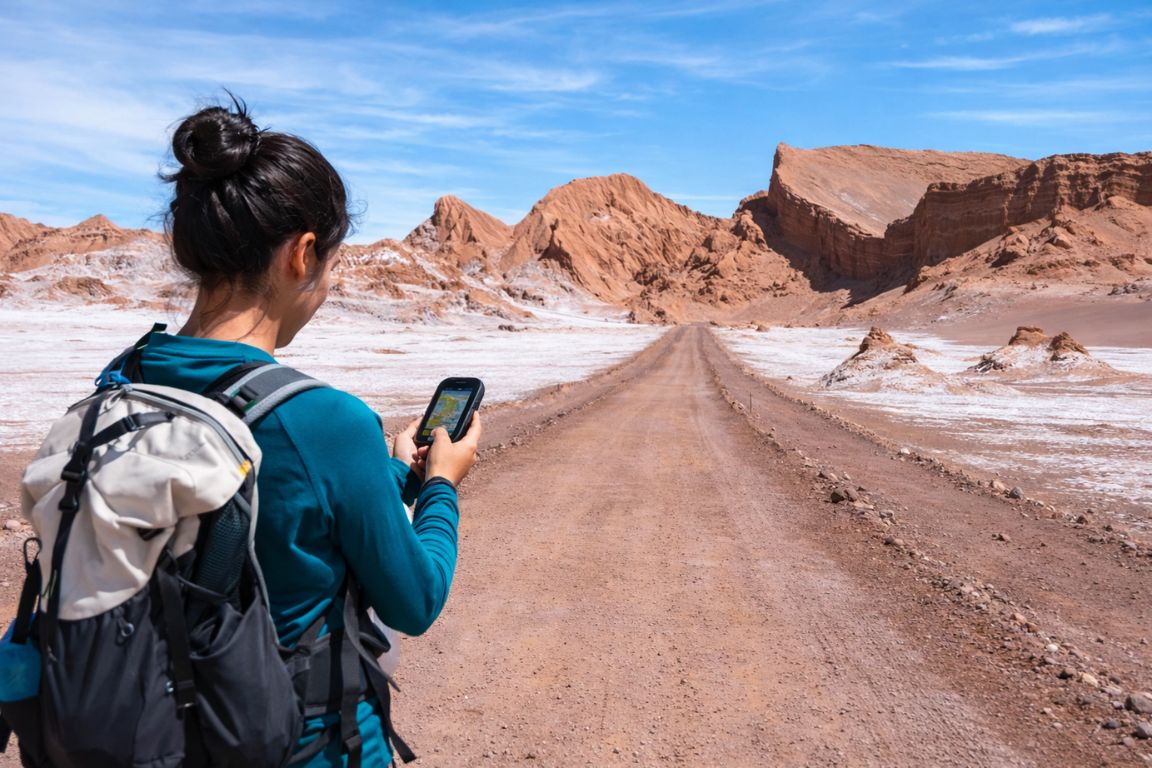
Solo travelers face accommodation premiums paying full hotel room rates ($70-150 versus $35-75 per person couples) though hostels eliminating penalty through per-bed pricing.
Couples benefit from sharing accommodation costs ($70-150 total = $35-75 each) though tour/food costs remaining per-person creating moderate combined budgets.
Families require larger accommodations ($100-180 family rooms or $150-300 two rooms) plus 3-4x tour costs, 3-4x meal costs creating substantial $500-800 daily combined budgets.
Groups of 4+ justify rental car economics ($50-100 daily = $12-25 each) and vacation rental accommodations ($120-250 houses = $30-62 each) delivering per-person savings.
Families traveling with kids in Atacama often assume rental cars solve the “bathroom anytime” problem, but they create bigger issues – try navigating confusing dirt roads while refereeing sibling arguments in the backseat.
Table: Cost Comparison by Travel Party Size
| Party Type | Daily Cost Per Person | 5-Day Trip Per Person | Accommodation Strategy | Tour Costs | Food Strategy | Major Advantages | Major Disadvantages |
|---|---|---|---|---|---|---|---|
| Solo Budget | $120-180 | $600-900 | Hostel dorms $15-40 (no penalty) | $45-60 per tour | Self-cater saves most | Hostel dorms fair pricing | Hotel rooms expensive solo |
| Solo Mid-Range | $200-300 | $1,000-1,500 | Hotels full rate $70-150 | $45-60 per tour | Mix dining | Flexibility, independence | Accommodation premium 100% |
| Couple Budget | $100-150 each ($200-300 combined) | $500-750 each ($1,000-1,500 combined) | Hostel private $40-70 or budget hotel $50-85 split | $45-60 each | Self-cater together saves | Share accommodation costs | Tour/food still per-person |
| Couple Mid-Range | $150-200 each ($300-400 combined) | $750-1,000 each ($1,500-2,000 combined) | Hotel $80-150 split | $45-60 each | Restaurant dining together | Romantic experience, split rooms | Tour/food still per-person |
| Family 4 (2 adults, 2 kids) | $125-200 each ($500-800 combined) | $625-1,000 each ($2,500-4,000 combined) | Family room $100-180 or 2 rooms | $45-60 each (kids sometimes discount) | Restaurant family meals | Kids experience, memories | Very high combined costs |
| Group 4-6 Friends | $100-180 each | $500-900 each | Vacation rental split $120-250 house | $45-60 each | Cook together saves | Social, rental economics | Coordination complexity |
Solo accommodation penalty shows hotels charging $70-150 single occupancy versus couples paying same total ($35-75 each) though hostels eliminating through $15-40 per-bed dorm pricing.
The couple efficiency demonstrates sharing accommodation cutting lodging costs 50% per person ($35-75 each vs $70-150 solo) though tours, food, transport remaining full per-person prices.
Family multiplication shows 4 people requiring accommodation $100-180 (family room or two rooms $150-300), tours $180-240 total (4x $45-60), meals $160-320 daily (4x $40-80) creating $440-740 combined daily.
Group advantage emerges 4+ people splitting vacation rental houses ($120-250 = $30-62 each), rental cars ($50-100 = $12-25 each), cooking communal meals ($20-30 each vs $40-80 individual restaurants).
The solo budget optimization involves hostels dorms ($15-40 no penalty), self-catering ($17-28 daily), walking everywhere, selective tours ($45-60 only essentials) achieving $100-150 daily.
Couple mid-range standard shows hotel room $80-150 split ($40-75 each), restaurant meals $30-50 each, all major tours, comfortable experience totaling $150-200 per person daily.
Family budget challenge requires finding family-friendly accommodation $100-180, feeding 4 people affordably (self-cater breakfast/lunch, modest dinners), and comprehensive tour costs $180-240 daily.
The group 4-6 economy shows vacation rental 3-bedroom house $150-250 splitting to $30-50 each, communal cooking saving $20-30 daily per person, maybe rental car economics justifying.
Solo luxury feasibility shows $400-700 daily all-inclusive lodges being same per-person as couples since pricing being individual versus shared rooms, though solo travel sometimes lonely luxury lodges.
For solo female travel in Atacama, guided tours offer built-in safety (never alone in remote areas), social connections with other travelers, and professional support – advantages that far outweigh any rental car flexibility.
Choose A Date For Your Outing
Stargazing From A San Pedro Meeting Point
Select your date and party on GetYourGuide for the current price and departure options.
Book My Telescope Evening ↗FAQs
How much does a trip to Atacama Desert cost?
5-day trip costs ultra-budget $400-600 (hostels, self-catering), budget $600-900 (hostel privates, mixed dining), mid-range $1,000-1,500 (hotels, restaurants, all tours), or luxury $2,000-3,500+ (all-inclusive lodges) per person including accommodation, tours, meals, transport.
Is Atacama Desert expensive to visit?
Moderately expensive with mid-range comfortable trip costing $200-300 daily ($1,000-1,500 for 5 days) though budget travelers managing $120-180 daily ($600-900 total) through hostels, self-catering, and selective tours. Chile being pricier than Bolivia/Peru neighbors.
What is the cheapest time to visit Atacama?
March-May and September-October shoulder seasons offer 20-30% savings (accommodation $60-100 vs $80-150 peak) with excellent weather, fewer crowds. Avoid peak summer December-February and Christmas week December 20-January 5 (50-80% premiums).
How much do Atacama tours cost?
Essential tours: Valle de la Luna $25-35, El Tatio Geysers $45-60, Altiplanic Lagoons $60-80, stargazing $50-70. Comprehensive 5-day itinerary requires $225-295 total for major attractions plus $50-100 optional tours (Rainbow Valley, Cejar, extras).
Can you visit Atacama on a budget?
Yes, ultra-budget $80-120 daily achievable through hostel dorms ($15-40), complete self-catering ($17-28 daily), walking everywhere, and 1 tour every 2-3 days. Budget $120-180 daily more comfortable with hostel privates and daily tours.
What’s NOT included in Atacama accommodation prices?
Tours (must book separately $25-80 each), meals except breakfast, airport transfers ($15-25 shuttles), laundry ($8-15), park entrance fees ($3-15 total), travel insurance ($50-100), tips ($25-80 trip optional), and personal expenses.
How to Budget Your Perfect Atacama Desert Trip
Determine budget level first calculating realistic daily spending (ultra-budget $80-120, budget $120-180, mid-range $200-300, luxury $400-700+) based on financial situation and comfort requirements.
Calculate 5-day total costs including accommodation ($75-750), tours ($225-295 comprehensive), meals ($85-440), transport ($30-100), extras/contingency ($50-200) totaling $465-1,785 across budget levels.
Add 20% contingency buffer accounting for park fees ($12-25), altitude issues ($10-50), forgotten items ($30-150), impulse add-ons ($35-100) preventing budget overruns.
Book 8-12 weeks advance peak summer, 4-8 weeks winter, or 2-4 weeks shoulder seasons securing standard rates versus last-minute 30-50% premiums.
Prioritize essential tours (Valle de la Luna, El Tati, Altiplanic Lagoons, stargazing $185-220) over optional (Rainbow Valley, Cejar, extras $70-150) if budget-constrained.
Choose shoulder seasons March-May or September-October saving 20-30% accommodation while maintaining excellent weather and smaller crowds versus peak summer premiums.
Pack all necessary warm clothing, sunscreen, sun hat, water bottle from home preventing emergency purchases at inflated local prices ($65-130 savings).
Mix accommodation types with hostels kitchens enabling self-catering breakfast/lunch (save $100-150 over 5 days) while enjoying restaurant dinners experiencing local dining.
For a 3- or 5-day plan that already counts hotels separately, start with the 3-day combo with 4 tours at $401.
Glossary
- Shoulder Season: March-May and September-November periods offering 20-30% lower costs, excellent weather, and fewer crowds versus peak December-February summer.
- All-Inclusive Lodge: Luxury accommodation ($250-800+ per person) including all meals, bar, premium tours, spa, and transfers eliminating separate expenses.
- Self-Catering: Preparing own meals using hostel kitchens and supermarket groceries saving 60-70% versus restaurant dining ($17-28 vs $55-88 daily).
- Park Entry Fee: Entrance charges $3-15 for protected areas (Valle de la Luna, Chaxa, ruins) typically separate from tour prices requiring extra cash.
- Tour Package: Multiple tours bundled together sometimes offering 10-15% discounts versus booking individually though reducing schedule flexibility.
Key Takeaways
- Atacama Desert trip costs range ultra-budget $80-120 daily ($400-600 for 5 days: dorms $15-40, self-cater $17-28, selective tours), budget $120-180 daily ($600-900 total: hostel privates $40-70, mixed dining $25-45, daily tours), mid-range $200-300 daily ($1,000-1,500 total: hotels $80-150, restaurants $40-80, all tours), luxury $400-700+ daily ($2,000-3,500+ total: all-inclusive lodges $250-800+ with meals/tours/bar/spa included).
- Major expenses: accommodation 35-45% budget, tours 30-40%, food 20-30%, transport 5-10%. Essential 5-day tours: Valle de la Luna $25-35, El Tati Geysers $45-60, Altiplanic Lagoons $60-80, stargazing $50-70, Rainbow Valley $35-50, extras $25-50 totaling $225-295 comprehensive.
- Accommodation: hostels dorms $15-40/$30-70 privates, mid-range hotels $70-150, luxury lodges $250-800+ per person. Meals: self-catering $17-28 daily saving 60-70% versus restaurant dining $55-88 daily ($85-140 vs $275-440 over 5 days).
- Transport: airport shuttle $30-50 roundtrip essential, San Pedro walking free, tours include transport, rental cars $250-500 unnecessary 90% tourists. Money-saving strategies: shoulder seasons March-May/September-October for 20-30% savings ($60-100 accommodation vs $80-150 peak), self-cater breakfast/lunch saving $100-150 per 5 days, book 8-12 weeks advance avoiding 30-50% last-minute premiums, skip optional tours saving $70-150, hostels with kitchens, bring warm gear from home preventing $65-130 emergency purchases.
- Hidden costs: park fees $12-25 total, travel insurance $50-100 essential, currency exchange 3-5% losses, laundry $8-15 per load, tips optional $25-80 trip. Seasonal pricing: shoulder $60-100 accommodation (20-30% savings), peak summer $80-150 (+30-40%), Christmas week December 20-January 5 $120-200 (+50-80% extreme). Solo penalty: hotel rooms full price $70-150 versus couples $35-75 each, though hostels eliminate through per-bed pricing.
- Duration: 3 days minimum $240-360 ultra/$600-900 mid (rushed), 5 days optimal $400-600 ultra/$1,000-1,500 mid (comprehensive), 7 days extended $560-840 ultra/$1,400-2,100 mid (relaxed).
- Common mistakes: underestimating tour costs (+$150-300 budget shock), Christmas week premiums ignorance (+$250-400), not bringing warm gear (+$65-130 emergency), restaurant-every-meal (+$190-300 waste), booking late (+$150-300 premiums), forgetting park fees (+$12-25), no travel insurance (risk $500-5,000). Best value: April-May and September-October shoulder offering excellent weather with 25-30% cost savings.
- Budget by party: solo $100-180 daily, couples $200-400 combined ($100-200 each), families 4 people $500-800 combined ($125-200 each), groups 4+ benefit vacation rentals/car splitting.
- NOT included tours: accommodation, meals except luxury lodges, equipment rental, personal gear, airport transfers, park fees. Compare dates on the all-inclusive 3-day Atacama tour if you want lodging, breakfast and three tours in one $700 total.
Written by experienced Atacama Desert budget specialist helping travelers maximize value and experiences across all spending levels from ultra-budget backpackers to luxury lodge guests. Date: December 29, 2025.
Make It Part Of Your Trip
A single session puts a defined paid experience alongside free or independent days.
Stargazing From A San Pedro Meeting Point
Meet in town for a guided night-sky outing with telescope use, photographs, blankets and hot drinks. Choose the English stargazing option for an English-led session.
Book My Telescope Evening ↗