Traveling with Kids in Atacama: Complete Family Guide
Atacama with kids is doable and amazing for ages 5+—learn which tours are family-friendly, how to handle altitude and sun, and where to stay.
Last updated: May 13, 2026
TL;DR
Atacama Desert is excellent family destination for children 5+ years with manageable challenges including altitude (2,400m San Pedro, 4,000-4,300m tours requiring careful acclimatization), extreme sun (40-50% stronger UV at altitude requiring aggressive SPF 50+ protection hourly reapplication), long tour days (7-12 hours some tours), and temperature extremes (-15°C El Tatio predawn to 35°C midday). Best ages 8-16 years show ideal balance of physical capability, attention span, and genuine interest though 5-7 year-olds manageable with realistic expectations and 3-4 year-olds challenging but possible if parents patient. Family-friendly tours include Valle de la Luna (ages 5+, 3-hour sunset, easy walking, spectacular landscapes), Laguna Cejar (ages 5+, 3-4 hour floating experience, fun factor high, swimming supervision required), Puritama Hot Springs (ages 5+, 2-3 hour thermal pools, relaxed atmosphere, easy access), Rainbow Valley (ages 6+, 4-5 hour colorful formations, moderate walking). Challenging tours requiring maturity include El Tatio Geysers (recommended ages 8+, 4am wake brutal for young kids, 7-8 hours, extreme cold -15°C to -25°C predawn, 4,300m altitude), Altiplanic Lagoons (recommended ages 10+, 10-12 hour very long day, 4,000m+ sustained altitude, extensive vehicle time). Accommodation family options show apartments with kitchens enabling meal preparation for picky eaters (Airbnb $80-150/night 2-3 bedrooms), family hotels with connecting rooms (Hotel Tulor, La Casa de Don Tomás $100-200), some hostels offering private family rooms ($60-100). Altitude acclimatization critical demonstrates children being more susceptible than adults with 40-50% experiencing symptoms (headache, nausea, fatigue, poor sleep) at 4,000m+ requiring minimum 48-72 hour San Pedro adjustment, slow activity progression (Day 1 complete rest, Day 2 easy Valle Luna, Day 3-4+ high tours), and vigilant symptom monitoring. Sun protection extreme shows children’s sensitive skin burning within 20-30 minutes unprotected at altitude requiring SPF 50+ reapplication every 60 minutes, wide-brim hats, long-sleeve sun shirts, quality UV400 sunglasses, shade breaks. Food considerations demonstrate San Pedro having adequate child-friendly options (pizza, pasta, empanadas, simple grilled items) though picky eaters benefiting from apartment kitchens, restaurants being expensive for families ($50-100 dinner family of 4), and snacks being essential for tours.
Choose One Family Experience First
Use the youngest child’s age. Operator age limits narrow these options; they do not establish individual suitability.
Is Atacama Family-Friendly? Overall Assessment
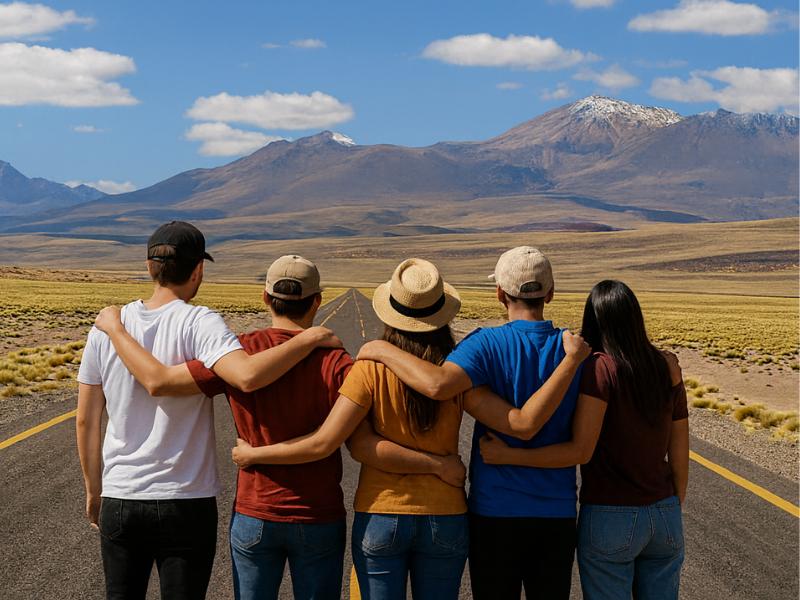
Family-friendliness rating 7/10 demonstrates Atacama being very doable for families with school-age children (8+) creating memorable educational adventure, moderately challenging for younger kids (5-7) requiring patience and flexibility, and quite difficult for toddlers (2-4) though adventurous families succeeding with realistic expectations.
Unique advantages show spectacular landscapes capturing children’s imagination (“like being on Mars/moon”), educational geology and astronomy opportunities, safe low-crime environment, manageable town size (easy navigation), and adventure activities building family bonds.
Primary challenges include altitude requiring careful acclimatization (more difficult for children), extreme sun and temperature swings, long tour durations exhausting young kids, limited child-specific attractions (no playgrounds, kids’ museums, amusement parks), and costs adding quickly for family groups.
Age-appropriate assessment shows 8-16 years being ideal (physical capability, attention span, genuine interest, independent bathroom use), 5-7 years being manageable (shorter tours possible, magical thinking embracing alien landscapes, needing more support), 3-4 years being challenging (altitude more dangerous, attention span limiting, bathroom issues, tour minimums often excluding), and under 3 being inadvisable (altitude risks, inability to communicate symptoms, tour impossibility).
Table: Atacama Family Travel Complete Overview
| Family Factor | Rating (1-10) | Best Ages | Key Challenges | Key Advantages | Compared to Other Destinations | Reality Check |
|---|---|---|---|---|---|---|
| Overall Family-Friendliness | 7/10 Good | 8-16 optimal | Altitude, long tours, extreme conditions | Educational, spectacular, safe, bonding | Better than Antarctica, worse than beach resorts | Rewarding but demanding |
| Safety for Children | 9/10 Excellent | All ages | Environmental (sun, altitude) not criminal | Very low crime, safe walking, welcoming | Among South America’s safest | Genuinely safe destination |
| Age-Appropriate Activities | 6/10 Moderate | 8+ ideal | Limited young kid options, tour minimums | Valle Luna, Cejar work well | Fewer options than theme park destinations | School-age focus |
| Educational Value | 10/10 Outstanding | 8+ maximum benefit | Requires interest in science/nature | Geology, astronomy, ecology, culture | World-class learning environment | Exceptional for curious kids |
| Physical Demands | 5/10 Moderate-High | 8+ manage well | Altitude, long days, extreme temperatures | Kids adapt faster than adults (altitude) | More demanding than cities, less than trekking | Manageable with preparation |
| Food Options Children | 6/10 Adequate | All ages | Limited kid menus, expensive restaurants | Pizza, pasta, simple options available | Adequate but not Disney variety | Picky eaters manageable |
| Accommodation Families | 7/10 Good | All ages | Limited apartment options, expensive | Family rooms, kitchens available | Standard family lodging | Doable with planning |
| Budget Considerations | 5/10 Moderate-High | N/A | Costs multiply quickly (tours, food, rooms) | Kids discounts some tours | More expensive than Asia, cheaper than Europe | Plan $200-300/day family of 4 |
Overall 7/10 rating demonstrates Atacama being rewarding challenging destination for families with school-age children creating lifetime memories, educational experiences, adventure bonding though requiring more preparation and flexibility than typical beach vacation.
The safety 9/10 shows extremely low crime, safe walking environment, welcoming locals creating genuinely secure atmosphere with primary concerns being environmental (altitude, sun, dehydration) not criminal requiring different preparation focus.
Age-appropriate activities 6/10 reflects Valle Luna, Cejar, Puritama working well for most kids 5+ versus limited toddler options, no playgrounds or kid-specific attractions, tour age minimums restricting youngest children.
Educational value 10/10 demonstrates world-class geology (visible Earth history, dramatic erosion, volcanic activity), astronomy (darkest skies globally, professional telescopes), ecology (high-altitude adaptations, desert life), and culture (Atacameño heritage).
The physical demands 5/10 shows altitude, long tours, temperature extremes creating genuine challenges though school-age children (8+) typically managing well with proper acclimatization and support.
Food adequacy 6/10 reflects San Pedro having pizza, pasta, empanadas, simple grilled items working for most kids versus limited kid menus, expensive restaurants ($50-100 family dinner), and picky eaters benefiting from apartment cooking.
Accommodation 7/10 demonstrates family rooms, apartments, connecting rooms being available though booking advance essential (limited supply) and costs being higher versus dorms or singles.
Budget moderate-high 5/10 shows family of 4 needing $200-300 daily (accommodation $100-150, tours $100-200, food $60-100) versus budget backpacker $40-60 creating substantial family travel investment.
Start with the Valle de la Luna tour, which this guide treats as the usual first outing for ages 5+ after a rest day.
Best Ages for Atacama: Detailed Age-by-Age Guide
Ages 8-12 optimal demonstrates physical capability for most tours, genuine interest in science/nature, attention span for educational content, independent bathroom use, and ability communicating symptoms (altitude, dehydration) creating ideal family travel window.
Ages 13-16 excellent shows teens appreciating spectacular landscapes (Instagram-worthy photos), understanding scientific concepts deeply, physical stamina for demanding tours, independence reducing parent burden, though potential attitude issues (“boring”) requiring engagement strategies.
Ages 5-7 manageable demonstrates shorter tours being possible (Valle Luna, Cejar, Puritama), magical thinking embracing alien landscapes (“we’re on Mars!”), enthusiasm for adventure, though limited attention span, higher altitude sensitivity, bathroom needs creating additional challenges.
Ages 3-4 challenging shows most tours excluding (age minimums 5+), altitude being more dangerous (inability to articulate symptoms clearly), constant supervision required, bathroom accidents possible, attention span very limited, though adventurous patient families succeeding.
Table: Traveling Atacama by Child Age Complete Guide
| Age Range | Feasibility (1-10) | Suitable Tours | Tour Challenges | Altitude Concerns | Attention Span | Independence Level | Best Experiences | What to Avoid | Parent Support Needed |
|---|---|---|---|---|---|---|---|---|---|
| 2-3 Years | 3/10 Very Difficult | None (tour minimums 5+) | All tours exclude | Very high risk, can’t communicate symptoms | 10-15 min | Constant supervision, diapers | Town walks, accommodation play | All high-altitude tours | Extremely high |
| 4-5 Years | 5/10 Challenging | Valle Luna (maybe), Cejar, Puritama | Long days exhausting, bathroom issues | High risk, limited symptom communication | 15-30 min | Bathroom accidents possible | Valle Luna sunset, Cejar floating | El Tatio, Altiplanic, Rainbow | Very high |
| 6-7 Years | 6/10 Moderate | Valle Luna, Cejar, Puritama, Rainbow (maybe) | Fatigue in long tours, comprehension limited | Moderate risk, better communication | 30-45 min | Mostly independent bathrooms | Floating Cejar, Mars landscapes | El Tatio (too early, too cold), Altiplanic (too long) | High |
| 8-10 Years | 8/10 Good | Valle Luna, Cejar, Puritama, Rainbow, El Tatio (mature kids) | Early wake El Tatio difficult | Moderate risk, good communication | 1-2 hours | Fully independent | El Tatio adventure, Valle Luna exploration | Very long Altiplanic (10-12 hrs) | Moderate |
| 11-12 Years | 9/10 Excellent | All tours appropriate | Occasional boredom, “are we there yet?” | Low risk, excellent communication | 2-4 hours | Fully independent | All major tours, stargazing | Nothing – capable of all | Moderate-Low |
| 13-16 Years | 9/10 Excellent | All tours, prefer adventure focus | Potential attitude, “this is boring” | Low risk, adult-level | 4+ hours | Fully independent | Instagram-worthy landscapes, adventure | Overly educational if disinterested | Low |
Ages 2-3 feasibility 3/10 demonstrates being extremely difficult with all tours having 5+ minimums, altitude risks being highest (inability to articulate “my head hurts”), constant supervision exhausting parents, creating inadvisable scenario except extremely patient adventurous families accepting limited activities.
The 4-5 years 5/10 shows some tours becoming possible (Valle Luna, Cejar, Puritama) though bathroom accidents, limited attention span, altitude sensitivity, exhaustion from long days creating substantial challenges requiring patient flexible approach.
Ages 6-7 moderate 6/10 demonstrates most family-friendly tours working (Valle Luna 3 hours manageable, Cejar swimming fun, Puritama relaxing) though comprehension being limited (geological explanations going over heads), fatigue accumulating long days.
Ages 8-10 good 8/10 shows ideal introduction to adventure travel with physical capability, genuine science interest emerging, bathroom independence, symptom communication, though El Tatio 4am wake being brutal and Altiplanic 10-12 hours being exhausting.
The 11-12 excellent 9/10 demonstrates all tours being appropriate with physical stamina, intellectual engagement, independence creating low parent burden, occasional boredom or “are we there yet?” being manageable with engagement strategies.
Ages 13-16 excellent 9/10 shows teens appreciating spectacular landscapes (social media photos), understanding deep scientific concepts, physical stamina matching adults, independence reducing supervision, though potential attitude requiring active engagement preventing “this is boring” mindset.
Altitude sensitivity age correlation shows younger children being more susceptible with limited symptom communication (ages 2-5 unable to clearly articulate headaches or nausea), school-age kids (8-12) communicating well, teens having adult-level tolerance.
Attention span correlation demonstrates toddlers 10-15 minutes limiting tour participation, early elementary 30-45 minutes working for shorter tours, late elementary 1-2 hours enabling most tours, teens 4+ hours matching adults.
Independence bathroom demonstrates ages 2-5 requiring frequent stops and assistance, ages 6-7 mostly managing but occasional accidents, ages 8+ being fully independent creating logistics ease.
Parent support requirements show ages 2-5 needing constant supervision (exhausting for parents), ages 6-7 requiring frequent assistance, ages 8-10 needing moderate support, ages 11+ being relatively independent creating lower parent burden.
Best Family-Friendly Tours by Age
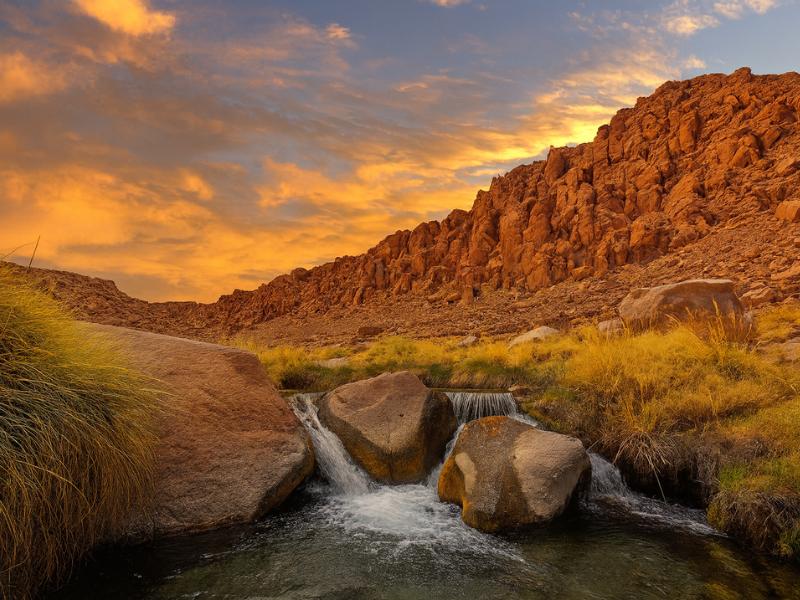
Valle de la Luna sunset tour ages 5+ shows 3-hour manageable duration, easy terrain (optional dune climbing), spectacular landscapes capturing children’s imagination, sunset social gathering creating positive experience, being essential family introduction to Atacama.
Laguna Cejar floating ages 5+ demonstrates unique fun experience (children loving weightless floating), 3-4 hour comfortable duration, swimming creating engagement, low physical demand, warm summer temperatures (15-25°C) being ideal though winter (5-15°C) being too cold for most kids.
Puritama Hot Springs ages 5+ shows relaxing thermal pool atmosphere (30-35°C comfortable temperature), 2-3 hour flexible duration, easy access (boardwalks, stairs manageable), recovery day value after demanding tours, though supervising children around water being essential.
El Tatio Geysers (book tour here) ages 8+ (mature children only) demonstrates 4am wake being brutal for young kids (crankiness, exhaustion), extreme cold -15°C to -25°C predawn requiring comprehensive warm layers, 7-8 hour long duration exhausting, 4,300m altitude being highest exposure, though spectacular geysers and hot springs swimming creating memorable adventure for older children.
Smart travelers using our booking Atacama tours: advance vs on arrival strategies often spend less than rental car drivers while maintaining schedule flexibility through strategic tour timing.
Table: Family-Friendly Tours Complete Age Guide
| Tour | Recommended Ages | Duration | Physical Demand | Why Good for Kids | Why Challenging | Educational Value | Fun Factor (Kids) | Parent Considerations | Cost Family of 4 |
|---|---|---|---|---|---|---|---|---|---|
| Valle de la Luna | 5+ ideal | 3 hrs | Low (optional climbing) | Mars/alien landscapes, sunset magic, manageable length | Uneven terrain, no bathroom | Geology, erosion, ancient lakes | 9/10 Very High | Essential first tour, easy | $110-160 ($28-40 each) |
| Laguna Cejar | 5+ (summer best) | 3-4 hrs | Low | Unique floating fun, swimming, Dead Sea experience | Salt stings cuts, cold water winter, supervision | Salinity, buoyancy, physics | 9/10 Very High | Watch kids swimming | $160-220 ($40-55 each) |
| Puritama Hot Springs | 5+ | 2-3 hrs | Low | Thermal pools fun, relaxing, easy | Slippery boardwalks, hot water supervision | Geothermal, volcanic heat | 7/10 High | Constant supervision water | $120-180 ($30-45 each) |
| Rainbow Valley | 6+ | 4-5 hrs | Moderate | Colorful formations, photo opportunities | Longer duration, hot midday | Mineral deposits, colors, geology | 7/10 High | Midday heat management | $140-200 ($35-50 each) |
| El Tatio Geysers | 8+ mature only | 7-8 hrs | High | Spectacular geysers, highest world, adventure | 4am wake, extreme cold, altitude | Geothermal, volcanic, ecology | 8/10 Very High for older | Very early wake, cold gear | $180-240 ($45-60 each) |
| Altiplanic Lagoons | 10+ mature only | 10-12 hrs | High | High-altitude lakes, flamingos, comprehensive | Very long day, altitude, exhausting | Ecology, altitude adaptation, geology | 7/10 High for interested | Extremely long day | $240-320 ($60-80 each) |
| Stargazing | 8+ | 2-3 hrs | Low | Dark skies, telescopes, planets, stars | Evening, science focus | Astronomy, constellations, planets | 8/10 Very High for interested | Keeping kids engaged | $200-280 ($50-70 each) |
Valle Luna 5+ demonstrates being essential family tour with Mars/alien landscapes sparking children’s imagination (“we’re exploring another planet!”), 3-hour duration being manageable attention span, optional dune climbing creating activity choice, sunset gathering being social positive experience.
The Cejar summer timing shows warm December-February (20-30°C air, 18-22°C water) being ideal for children swimming comfortably 30-45 minutes versus winter June-August (10-20°C air, 12-18°C water) being too cold most kids tolerating only 10-15 minutes.
Puritama supervision critical demonstrates slippery boardwalks requiring careful walking, thermal pools needing constant parent watching (drowning risk), hot water (30-35°C) being comfortable but requiring preventing overheating (limit 30-45 minute sessions).
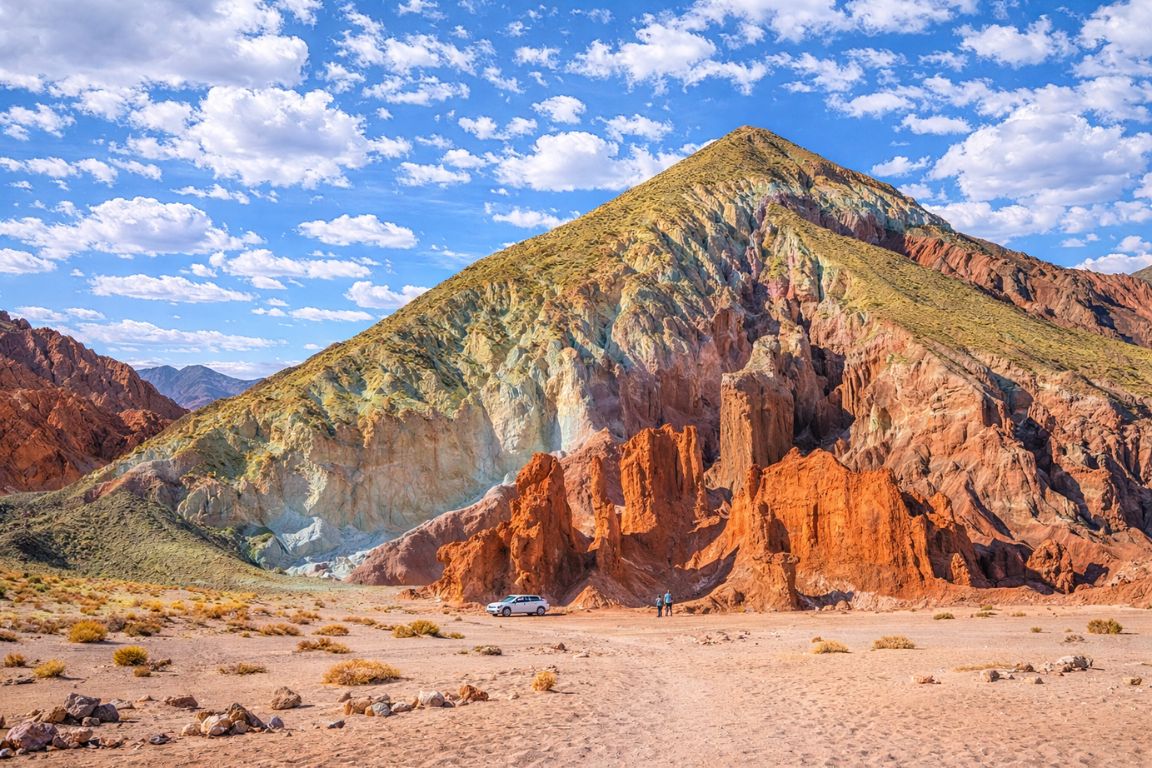
Rainbow Valley (book tour here) 6+ shows colorful mineral formations appealing visual interest, 4-5 hour duration being longer requiring maturity, midday timing creating heat management challenges (30-35°C) requiring adequate water and sun protection.
The El Tatio 8+ minimum demonstrates 4am wake creating crankiness in young children (exhaustion, confusion, resistance getting up), extreme cold -15°C to -25°C requiring comprehensive warm layers children struggling to tolerate, altitude 4,300m being highest risk, though mature 8-10 year-olds managing successfully with preparation.
Altiplanic Lagoons 10+ reflects 10-12 hour extremely long day exhausting most children under 10, sustained 4,000m+ altitude requiring excellent acclimatization, extensive vehicle time (7-8 hours total driving) creating boredom and discomfort.
Stargazing 8+ demonstrates evening timing (8-10pm) being late for young children (falling asleep during tour), science focus requiring genuine interest versus boredom if disinterested, though professional telescopes showing Saturn’s rings, Jupiter’s moons, nebulae creating magical experience for curious kids.
Tour cost multiplication shows family of 4 spending $110-160 Valle Luna, $180-240 El Tati, $240-320 Altiplanic creating substantial investment versus solo travelers, though some operators offering 5-10% child discounts (typically ages 5-12, not universal).
Age minimum enforcement shows operators strictly enforcing (insurance liability, safety) with 5+ being common Valle Luna/Cejar/Puritama, 8+ sometimes El Tati though often being 6+ with parental discretion, and some operators having no explicit minimums leaving parental judgment.
What Each Booking Adds
Stargazing From A San Pedro Meeting Point
Meet in town for a guided night-sky outing with telescope use, photographs, blankets and hot drinks. Choose the English stargazing option for an English-led session.
About 2.5 hours. Not for children under 4 or travelers over 80. Sky targets depend on conditions.
Book on GetYourGuideBook My Telescope Evening ↗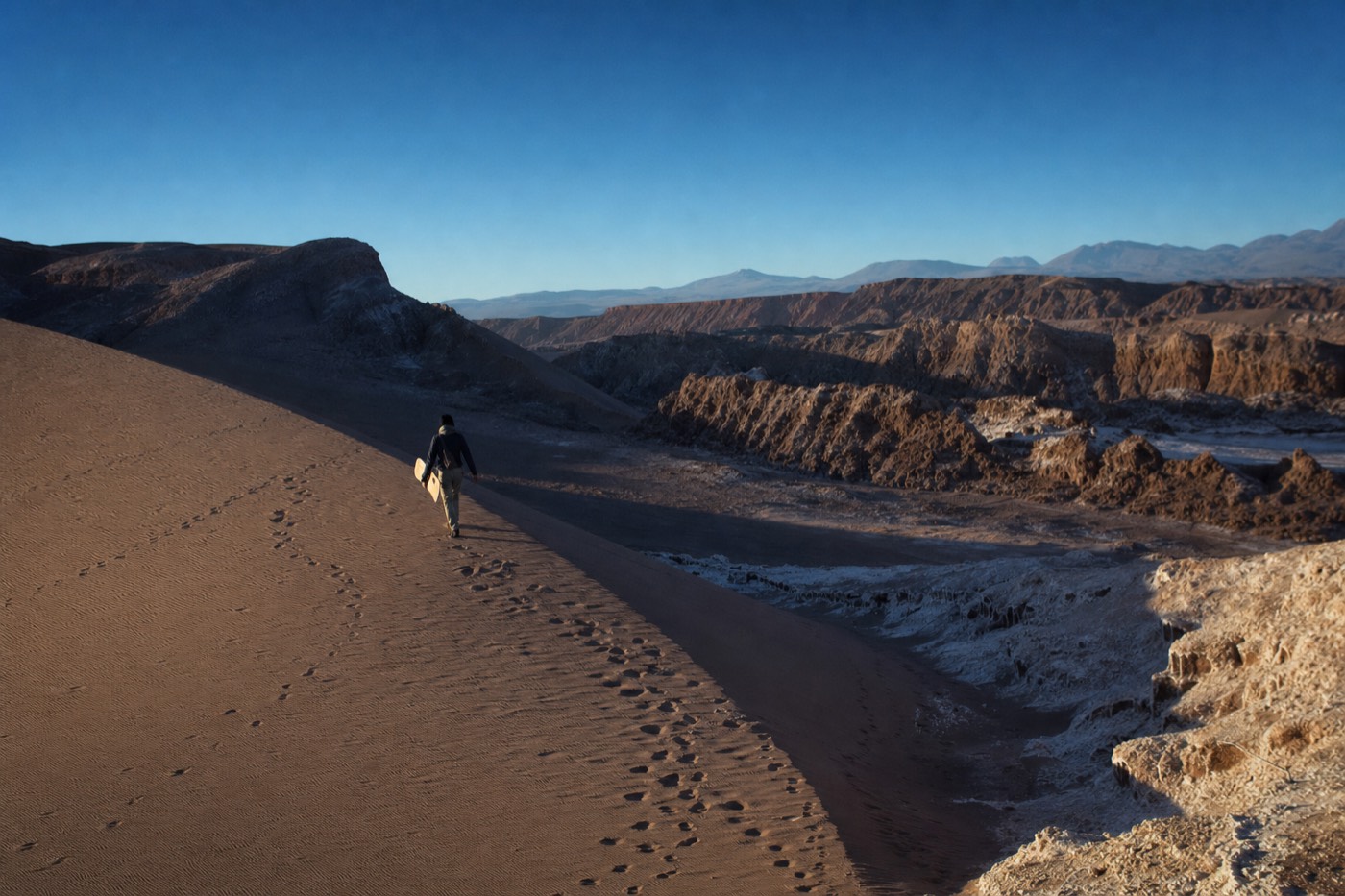
Death Valley Sandboarding With Instruction
A four-hour outing with an instructor, board, boots, helmet and transport. This is the activity to book when you want to ride the dunes rather than photograph them.
Not for children under 6, people over 70, pregnancy or mobility impairments. Repeated uphill walks.
Book on GetYourGuideBook My Sandboarding Session ↗Altitude Safety for Children: Critical Considerations
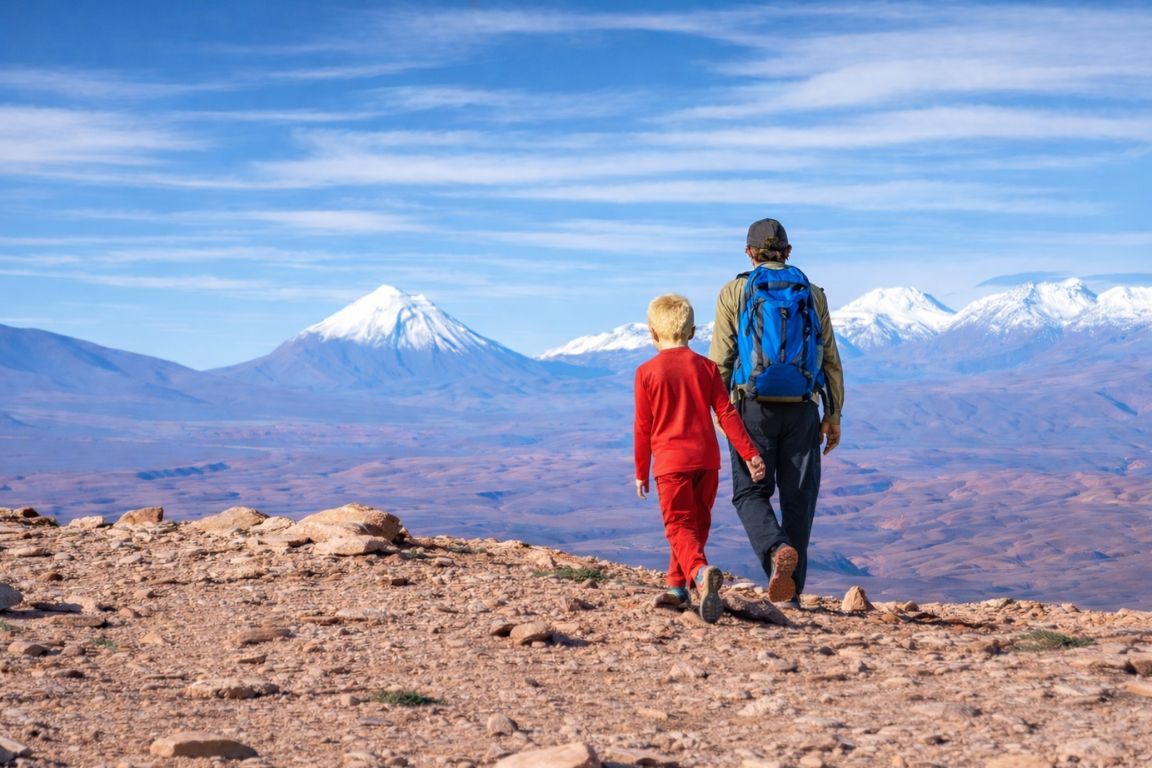
Children altitude susceptibility shows being slightly more vulnerable than adults with 40-50% of kids experiencing symptoms at 4,000m+ versus 30-40% adults, though individual variation being greatest factor (some kids breezing through while adults suffering).
Symptom communication challenges demonstrate young children (2-5 years) having limited vocabulary articulating “my head hurts” or “I feel sick” potentially delaying recognition and treatment versus older children (8+) clearly describing symptoms.
Acclimatization protocol children requires minimum 48-72 hours San Pedro (2,400m) before attempting 4,000m+ tours (El Tati 4,300m, Altiplanic 4,000-4,300m) with Day 1 complete rest, Day 2 easy same-altitude activity (Valle Luna), Day 3-4+ high tours being essential.
Warning signs include persistent headache (most common, affecting 40-50% at altitude), nausea or vomiting (30%), fatigue or lethargy (unusual tiredness), irritability or mood changes (crying, tantrums), poor sleep (waking frequently), loss of appetite, rapid breathing or shortness of breath at rest.
While safety in San Pedro itself is generally excellent, venture 30km out on unmarked dirt roads in a rental car and you’re in a completely different safety scenario – no cell coverage, no passersby, just you and poor decisions.
Table: Altitude Safety Children Complete Guide
| Age Group | Susceptibility | Symptom Communication | Acclimatization Needs | Warning Signs | Treatment | Prevention | When to Descend | Special Concerns |
|---|---|---|---|---|---|---|---|---|
| 2-4 Years | Very High | Very Limited – can’t articulate clearly | 72+ hours minimum | Unusual crying, irritability, refusal to eat | Difficult – limited cooperation | Extended adjustment, extra caution | Persistent symptoms >2 hours | Can’t express “headache” |
| 5-7 Years | High | Limited – simple descriptions | 72 hours minimum | Complains headache, quieter than usual, tired | Easier – can take medicine | Careful monitoring, slow pace | Moderate symptoms >4 hours | May downplay to keep touring |
| 8-10 Years | Moderate | Good – clear descriptions | 48-72 hours | Reports headache, nausea, “I feel weird” | Cooperative – medication, rest | Standard protocol, vigilance | Severe symptoms or worsening | Excitement may override caution |
| 11-16 Years | Moderate | Excellent – detailed | 48-72 hours | Same as adults | Same as adults | Standard protocol | Same as adults | May hide symptoms peer pressure |
Ages 2-4 very high susceptibility shows being most vulnerable with inability to clearly communicate symptoms (“tummy hurts” could mean anything), creating dangerous situation requiring extreme caution and potentially avoiding high-altitude tours entirely.
The 5-7 years limited communication demonstrates children saying “my head hurts” though potentially downplaying severity to continue fun activities or not recognizing symptoms as abnormal creating vigilant parent monitoring necessity.
Ages 8-10 moderate shows being similar to adults though excitement potentially overriding caution (“I’m fine, I want to keep going!” despite headache) requiring parent assessment rather than relying solely on child reporting.
Teens 11-16 excellent communication shows clearly articulating symptoms though potentially hiding issues due to peer pressure (not wanting to appear weak in front of other tourists) or fear of missing tour creating parent checking necessity.
Warning sign recognition requires parents watching for behavioral changes (unusual crying, irritability, lethargy) in addition to verbal complaints, with young children showing symptoms through behavior rather than words.
Acclimatization 72+ hours for young children shows being more conservative than adults (48-72 hours) given higher susceptibility and limited communication requiring extra caution booking high-altitude tours.
Treatment children demonstrates ibuprofen child-dosing for headaches (calculating by weight), encouraging fluid intake (3-4L daily difficult for kids, push constantly), rest periods, oxygen if severe (most tour operators carrying), and descending if symptoms worsening.
Prevention strategies include extra rest Day 1-2 (longer than adults), constant hydration (offering water every 15-30 minutes tours), slow movements (no running, jumping, excitement), adequate sleep (early bedtimes), avoiding alcohol for parents (impairs child supervision).
Coca tea children shows being traditional remedy though effectiveness debated, taste being bitter (kids often refusing), and some parents uncomfortable giving stimulant to children creating adult-only strategy typically.
Diamox children demonstrates being off-label use (not specifically approved pediatric altitude sickness) though some pediatricians prescribing for mountain travel requiring consultation with doctor before trip rather than over-counter Chile.
Sun and Temperature Protection for Children in Atacama
Children sun vulnerability shows sensitive skin burning 50% faster than adults (15-30 minutes versus 30-60 minutes unprotected) with altitude creating 40-50% stronger UV at 4,000m+ requiring aggressive protection preventing severe burns and long-term damage.
Sunscreen application frequency shows children needing reapplication every 60 minutes (versus adults 90 minutes) with sweating, dust, towel contact removing protection faster requiring constant vigilance maintaining coverage.
Temperature extreme challenges demonstrate 25-30°C daily swings (30-35°C midday to 5-15°C evening) requiring carrying layers for children, plus El Tati -15°C to -25°C predawn being dangerously cold requiring comprehensive warm gear.
Dehydration prevention shows children needing 2-3L daily minimum (versus 3-4L adults) though achieving this being difficult with kids refusing water, forgetting to drink, being distracted requiring parent constant offering and monitoring.
Table: Sun and Temperature Protection Children Complete Guide
| Protection Aspect | Child Needs | Application Frequency | Products/Gear | Common Mistakes | Consequences | Prevention Tips | Age-Specific Concerns |
|---|---|---|---|---|---|---|---|
| Sunscreen | SPF 50+ kids formula | Every 60 min | Mineral-based, water-resistant | Forgetting reapplication, inadequate amount | Severe burns 30 minutes | Set phone timer, involve kids | Babies <6 months avoid sun completely |
| Sun Hat | Wide-brim covering ears/neck | Constant daytime | 8-10cm brim, chin strap essential | Baseball cap (ears exposed) | Severe ear burns | Make wearing rule, fun designs | Young kids removing hats constantly |
| Sunglasses | Kids UV400, wraparound | Constant bright conditions | Quality UV protection, not toys | Cheap toys no UV protection | Eye damage, vision issues | Strap to prevent losing, backup pair | Babies need even infants |
| Sun Shirt | Long-sleeve UPF 50+ | Daytime outdoor | Lightweight breathable | Short sleeves exposing arms | Arm burns | Physical barrier superior | Toddlers pulling off clothing |
| Lip Balm SPF | Kids formula SPF 30+ | Every 30-60 min | Non-toxic child-safe | Regular balm no SPF | Severe cracking, bleeding | Apply before they notice need | Young kids licking off constantly |
| Warm Layers | Down jacket, fleece, thermals | El Tati, evening | Rated -10°C to -20°C | Inadequate layers (light jacket only) | Hypothermia, refusal continuing | Multiple thin layers, check constantly | Toddlers can’t express cold effectively |
| Hydration | 2-3L daily minimum | Offer every 15-30 min | Flavored if needed, fun bottles | Kids refusing water, forgetting | Dehydration, altitude sickness | Constant offering, make game | Babies/toddlers needing more frequent |
Sunscreen kids formula demonstrates mineral-based (zinc oxide, titanium dioxide) being gentler sensitive skin versus chemical sunscreens potentially causing irritation, though mineral being thicker and requiring more rubbing to apply evenly.
The application frequency 60 minutes shows children needing more frequent reapplication than adults (90 minutes) due to higher activity levels (sweating), dust exposure, towel contact after swimming Cejar, creating constant parent vigilance necessity.
Sun hat chin strap essential demonstrates preventing losing hats during tours (wind at Valle Luna, kids running at Puritama, forgetting in vans) with $15-25 hats being worthwhile versus multiple cheap $5 replacements.
Sunglasses quality critical shows cheap $5-10 toy sunglasses often lacking proper UV protection (checking UV400 label essential) with wraparound styles preventing side UV exposure damaging eyes.
The sun shirt physical barrier demonstrates UPF 50+ long-sleeve being superior to constant sunscreen reapplication on arms with kids tolerating lightweight breathable fabric despite feeling hot initially.
Lip balm challenge shows young children constantly licking lips (removing protection within minutes) requiring frequent reapplication and using non-toxic child-safe formula preventing worry if ingested.
Warm layer El Tati demonstrates children needing same expedition-level warmth as adults (-15°C to -25°C predawn) though young kids being less tolerant extreme cold potentially requiring shorter tour duration or skipping entirely.
Hydration difficulty shows children refusing water (“I’m not thirsty”), forgetting to drink (distracted by activities), or being stubborn requiring creative strategies (flavored electrolytes, fun water bottles, games, constant offering).
Temperature monitoring children requires parent checking frequently whether child is too hot (sweating, flushed) or too cold (shivering, cold hands) given children often not recognizing or reporting discomfort until severe.
Shade breaks essential demonstrates stopping every 45-60 minutes for 5-10 minute rest in shade (accommodation, restaurant, van) preventing sun overexposure accumulating even with sunscreen protection.
Family Accommodation Options in Atacama
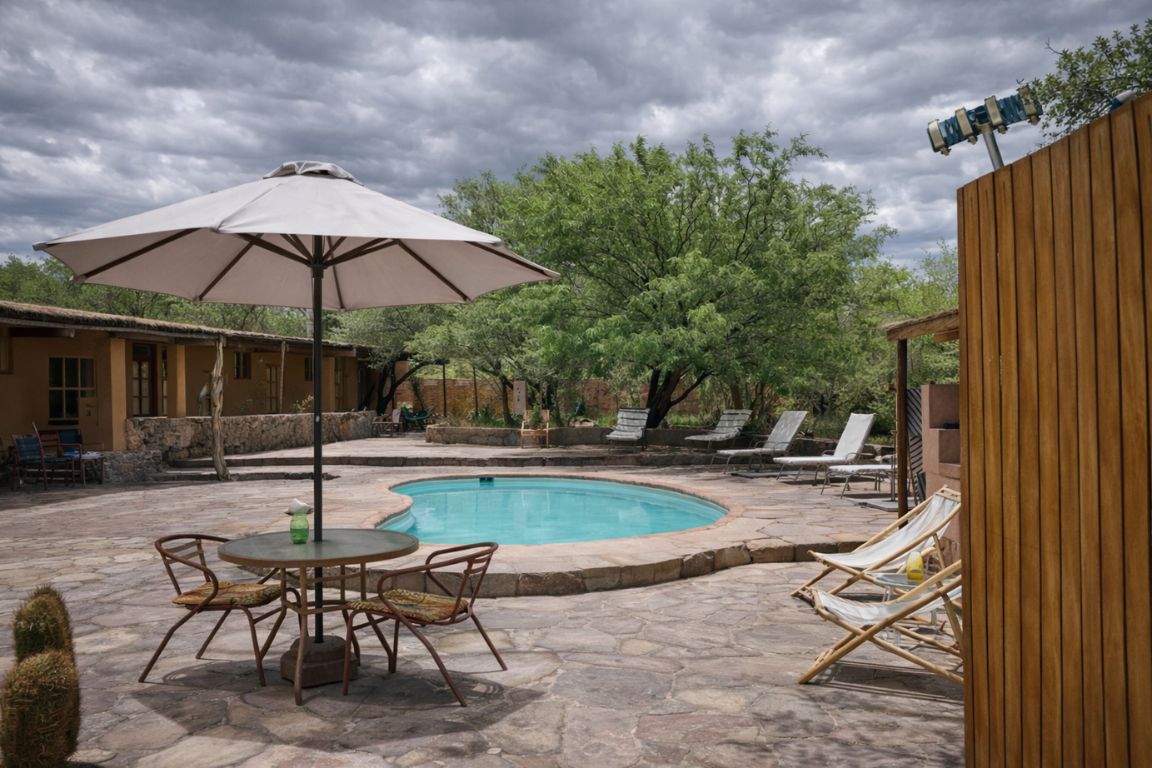
Apartments with kitchens enable meal preparation for picky eaters, breakfast cost savings, familiar food comfort, snacks availability, though booking 8-12 weeks advance essential (limited supply) and costs being $80-150 nightly for 2-3 bedroom adequate family of 4.
Family hotels with connecting rooms provide hotel amenities (cleaning, breakfast sometimes, reception assistance) plus privacy separating parents and children, though being expensive ($150-250 nightly) and requiring advance booking securing adjoining availability.
Private hostel rooms show budget option ($60-100 nightly) offering bedroom with 2-4 beds, shared bathrooms, communal kitchen access, though noise from other guests potentially disturbing children’s sleep and facilities being basic.
Airbnb/VRBO rentals demonstrate entire house or apartment providing space, kitchen, laundry, though quality varying dramatically requiring careful review reading and host communication ensuring family suitability.
Guided tours pick you up from any accommodation in town, but where to stay in San Pedro affects rental car convenience – distance to rental agency, parking availability, security for overnight vehicle storage.
Table: Family Accommodation Complete Options Guide
| Accommodation Type | Cost (Family of 4) | Best For | Kitchen Access | Space/Privacy | Booking Advance | Pros | Cons | Recommended? |
|---|---|---|---|---|---|---|---|---|
| Apartment Rental (Airbnb) | $80-150/night | Families with picky eaters, longer stays | Full kitchen | 2-3 bedroom, living area | 8-12 weeks peak, 4-8 shoulder | Cook meals, space, laundry, cost-effective | Variable quality, self-service | YES – best value families |
| Family Hotel (Connecting Rooms) | $150-250/night | Families wanting service, comfort | None or limited | Two connected rooms | 8-12 weeks peak | Hotel amenities, space, cleaning, breakfast sometimes | Expensive, limited kitchen | YES if budget permits |
| Hotel Family Suite | $120-200/night | Families needing one room, moderate budget | Usually none | Single large room, 2 beds + sofa | 6-10 weeks | Hotel service, easier than 2 rooms | Limited privacy parents/kids | MAYBE – adequate |
| Private Hostel Room | $60-100/night | Budget families, social atmosphere | Communal kitchen | Single room, 2-4 beds, shared bathroom | 4-8 weeks | Budget-friendly, kitchen access, social | Basic, noise from guests, limited privacy | MAYBE – budget only |
| Hostel Family Room | $80-120/night | Budget families wanting private bathroom | Communal kitchen | Private room + bathroom | 4-8 weeks | Budget with bathroom, kitchen | Still basic, hostel atmosphere | MAYBE – compromise option |
| Glamping/Cabins | $100-180/night | Families wanting unique experience | Usually none | Cabin or tent, varies | 6-10 weeks | Unique, comfortable, private | Remote from town, limited amenities | MAYBE – if close to town |
Apartment rental advantage shows 2-3 bedroom ($80-150) enabling parents sleeping separately from children (better sleep for everyone), full kitchen preparing familiar foods (picky eater salvation), living area spreading out, laundry saving packing, creating best-value family option.
The family hotel connecting rooms demonstrate adjoining rooms ($150-250 total both rooms) providing space and privacy with door between enabling parents relaxing after children sleep without creeping around dark room.
Hotel family suite compromise shows single large room with 2 double beds plus sofa bed ($120-200) being adequate space-wise though lacking parent privacy once children sleeping creating tiptoeing, hushed conversations limitation.
Private hostel room budget option demonstrates bedroom with 2-4 beds ($60-100) being cheapest though shared bathrooms, communal kitchen, and noise from other guests potentially disturbing children versus hotel quiet.
The hostel family room improvement shows private bathroom addition ($80-120) eliminating shared facility inconvenience though still being basic accommodation (simple beds, minimal furniture) within hostel environment (other guests, potential noise).
Glamping/cabin uniqueness demonstrates tent or cabin ($100-180) creating unique experience for children though location being critical (some being remote requiring vehicle, walking distance town being important for meals, emergencies).
Kitchen value family demonstrates breakfast saving $40-60 (versus $10-15 per person restaurant), dinner preparing simple pasta/pizza $15-25 (versus $50-100 restaurant family meal), snacks available constantly (fruit, crackers, cheese) creating $100-200 weekly food savings.
Booking advance necessity shows peak December-February requiring 8-12 weeks securing family accommodation (limited supply, high demand), shoulder seasons March-May and September-November being 4-8 weeks adequate.
Location Caracoles Street shows being ideal for families (walking distance restaurants, tour offices, shops, medical clinic) versus outskirts requiring taxis or driving creating inconvenience with children.
Amenity priorities family include washing machine (laundry critical with kids), WiFi (entertainment downtime, communication home), hot water reliable (showers after dusty tours), heating (cold winter evenings).
Food and Dining with Children
Child-friendly food available demonstrates San Pedro having pizza ($12-18), pasta ($10-15), empanadas ($2-4 each), simple grilled chicken or beef ($12-18), french fries ($5-8), creating adequate options though not Disney-level variety.
Restaurant costs family show dinner at mid-range restaurant being $50-100 (family of 4, main dish each + drinks) creating $350-700 weekly dining expense versus apartment cooking being $150-300 weekly food savings substantial.
Picky eater strategies include apartment cooking familiar foods (pasta, pizza, simple proteins), bringing favorite snacks from home (granola bars, crackers, shelf-stable items), supplement restaurant meals with grocery purchases, accepting limited variety versus forcing unfamiliar Chilean dishes.
Supermarkets adequate show Lider supermarket and smaller grocers having basics (pasta, rice, chicken, beef, vegetables, fruit, dairy, snacks) though selection being limited versus major city variety and prices being inflated tourist area (+20-40% versus Santiago).
Table: Food and Dining with Children Complete Guide
| Food Aspect | Availability | Cost | Kid Appeal | Strategy | Challenges | Solutions | Realistic Expectations |
|---|---|---|---|---|---|---|---|
| Pizza | Multiple restaurants | $12-18 individual | Very High | Safe reliable option | Not always great quality | Adobe restaurant best quality | Decent but not gourmet |
| Pasta | Most restaurants | $10-15 dish | High | Simple tomato or butter | Limited kids’ portions | Share adult portions | Adult portions large enough |
| Empanadas | Everywhere | $2-4 each | High | Good snack or light meal | Can be spicy, fillings vary | Ask before ordering | Kids typically like cheese/beef |
| Grilled Meat | Most restaurants | $12-18 | Moderate | Simple protein | May come with unfamiliar sides | Request simple preparation | Quality generally good |
| French Fries | Most restaurants | $5-8 side | Very High | Universal kid pleaser | Not always crispy | Lower expectations | Hit or miss quality |
| Supermarket Cooking | Lider, smaller stores | $30-50 meal family 4 | High | Control ingredients, familiar | Limited selection, time cooking | Bring spices from home | Basic but adequate |
| Breakfast Restaurant | Hotels, cafes | $8-15 per person | Moderate | Eggs, bread, juice available | Expensive for families | Apartment breakfast prep | Hotel breakfast if included |
| Snacks/Packaged | Supermarkets | $2-8 items | Varies | Essential for tours, downtime | Limited familiar brands | Bring favorites from home | Chilean brands different |
| Fresh Fruit | Markets, supermarkets | $3-10 kg | High | Healthy familiar | Quality variable | Wash thoroughly, peel | Adequate selection |
| Bottled Water | Everywhere | $1-3 1.5L | Essential | Hydration critical | Kids forgetting to drink | Constant offering required | Widely available |
Pizza availability shows multiple restaurants (Adobe Restaurant, Barros, others) having decent quality ($12-18 individual) creating reliable safe option though not being gourmet Italian creating moderate expectations.
The pasta universal appeal demonstrates kids typically accepting simple tomato sauce or butter preparations ($10-15 dish, portions being generous enough for sharing with younger children versus ordering individual meals).
Empanadas convenient show being available everywhere (bakeries, restaurants, street vendors) costing $2-4 each, children generally liking cheese or beef fillings (avoid ají picante spicy chicken), creating good portable snack.
Grilled meat simple demonstrates plain grilled chicken breast or beef steak ($12-18) being available most restaurants, requesting simple preparation without Chilean spices or sauces creating familiar acceptable protein for kids.
The french fries reality shows being available as side dish ($5-8) though quality being hit-or-miss (sometimes soggy, not crispy) creating universal kid-pleaser though inconsistent execution.
Supermarket cooking value demonstrates preparing pasta dinner with sauce and salad being $8-12 total (family of 4) versus restaurant meal being $50-100, breakfast preparing yogurt, granola, fruit being $6-10 versus restaurant $32-60.
Breakfast restaurant expense shows $8-15 per person ($32-60 family of 4) adding quickly when daily versus apartment preparation being $6-10 total, though some hotels including breakfast in room rate.
The snack critical importance demonstrates tours being 3-12 hours requiring portable energy (granola bars, crackers, fruit, cookies) with kids getting hungry between meals, tour meals sometimes being inadequate.
Fresh fruit healthy option shows bananas, apples, oranges, grapes being available supermarkets ($3-10 per kilo) creating healthy familiar snacks though washing thoroughly essential (tap water contamination) and peeling being safer.
Water constant need demonstrates children requiring 2-3L daily being difficult achieving without constant parent offering with bottled water ($1-3 per 1.5L) being widely available all stores.
Creating Family Itinerary: Sample Schedules in Atacama
3-day minimum stay in Atacama demonstrates being absolute minimum for families enabling Day 1 arrival/rest (altitude adjustment), Day 2 Valle Luna (essential easy tour), Day 3 Cejar or Puritama (fun activity) though being rushed and missing major experiences.
5-day recommended stay shows being optimal for families providing adequate altitude adjustment (Day 1-2 rest and easy activities), essential tours (Valle Luna, Cejar, El Tati for older kids), recovery time, flexibility for off days.
7-day comprehensive visit enables all major tours (Valle Luna, El Tati, Altiplanic for older kids, Cejar, Puritama, stargazing), rest days, spontaneous activities, reduced rushing creating relaxed enjoyable family experience.
Day structuring shows grouping morning tour (El Tati departure 4am, Altiplanic 7am, stargazing 8-9pm) with afternoon rest/swimming, versus afternoon tour (Valle Luna 3-5pm, Cejar 3-6pm) with morning rest/town exploration creating energy management.
If you’re committing to 5+ days in Atacama and genuinely want that DIY flexibility, at least you’ll have time to recover from inevitable wrong-turn adventures.
Table: Family Itinerary Sample Schedules by Duration and Age
| Trip Length | Day-by-Day Itinerary | Suitable Ages | Tours Included | Rest/Recovery | Budget (Family of 4) | Intensity Level | Key Benefits | What’s Missing |
|---|---|---|---|---|---|---|---|---|
| 3 Days Minimum | Day 1: Arrive, rest. Day 2: Valle Luna sunset. Day 3: Cejar morning, depart afternoon | 5-7+ | 2 tours | Minimal | $600-900 | Moderate | Affordable, gets essential Valle Luna | No high-altitude, very rushed |
| 5 Days Recommended | Day 1: Arrive, rest. Day 2: Valle Luna. Day 3: El Tati (8+) OR rest. Day 4: Cejar. Day 5: Puritama or depart | 8-12+ | 3-4 tours | Adequate | $1,000-1,500 | Moderate-High | Good balance, major tours, recovery | Limited time for all activities |
| 7 Days Comprehensive | Day 1: Arrive, rest. Day 2: Valle Luna. Day 3: Town/pool. Day 4: El Tati. Day 5: Rest/Puritama. Day 6: Cejar. Day 7: Stargazing or depart | 8-16 | 4-5 tours | Excellent | $1,400-2,100 | Moderate | Relaxed pace, all essentials, recovery | Expensive for longer stay |
| 5 Days Young Kids | Day 1: Arrive, rest. Day 2: Town walks, pool. Day 3: Valle Luna sunset. Day 4: Cejar (if warm). Day 5: Puritama OR depart | 5-7 | 2-3 easy tours | High | $800-1,200 | Low-Moderate | Age-appropriate, no rushing | Limited activities this age |
Three-day minimum demonstrates Day 1 arriving afternoon (Calama flight typically landing 2-4pm, shuttle San Pedro 1.5 hours), resting, gentle town walk, early dinner and sleep for altitude adjustment.
The five-day recommended shows Day 1-2 acclimatization (rest, easy walking, Valle Luna), Day 3 determining El Tati feasibility based on kid altitude adjustment (mature 8+ only if handling altitude well), Day 4 Cejar fun experience, Day 5 Puritama relaxing or departure flexibility.
Seven-day comprehensive enables Day 1 arrival rest, Day 2 Valle Luna introduction, Day 3 complete rest or pool time (mid-trip recovery, laundry, exploring town), Day 4 El Tati major adventure, Day 5 Puritama recovery, Day 6 Cejar floating, Day 7 stargazing or departure creating unhurried experience.
Young kids 5-7 schedule demonstrates focusing shorter easier tours (Valle Luna 3 hours, Cejar 3-4 hours, Puritama 2-3 hours) with ample rest days (pool time, town exploring, playground if exists) versus demanding long tours exhausting young children.
The budget calculation shows $600-900 (3 days: accommodation $300-450, tours $220-280, food $80-170), $1,000-1,500 (5 days), $1,400-2,100 (7 days) for family of 4 including accommodation, tours, food, transport.
Tour spacing demonstrates avoiding back-to-back demanding days (El Tati Day 4 followed by Altiplanic Day 5 being exhausting) instead inserting recovery (El Tati Day 4, rest Day 5, Altiplanic Day 6) maintaining energy throughout trip.
Flexibility building shows scheduling one completely unstructured day enabling spontaneous activities (extra pool time, short walk Valle Muerte, revisiting favorite locations) or rest if children exhausted versus rigid every-day-tour schedule causing burnout.
Weather contingency demonstrates San Pedro having 300+ sunny days annually (95%+ clear probability) making cancellations rare though having backup plans (town exploration, museums, restaurants, pool time) if rare bad weather.
Even if you only have a 2 days itinerary in Atacama guide timeline, guided tours still make more sense financially and logistically than attempting DIY navigation.
Choose A Date For Your Outing
Stargazing From A San Pedro Meeting Point
Select your date and party on GetYourGuide for the current price and departure options.
Book My Telescope Evening ↗Educational Value: Learning Opportunities
Geology visible demonstrates 23+ million year ancient lake bed deposits (Valle Luna), wind and water erosion processes creating current formations, volcanic activity evidence (El Tati geothermal), mineral deposits creating colorful Rainbow Valley teaching Earth history and geological processes.
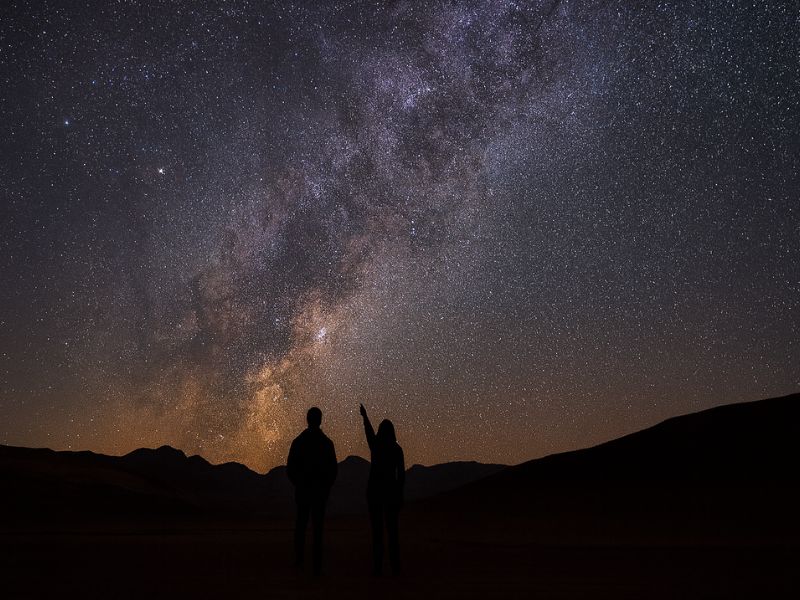
Astronomy world-class shows darkest skies globally (Mauna Kea level), professional telescopes viewing Saturn’s rings, Jupiter’s moons, distant galaxies, constellations, creating unparalleled space science education opportunity.
Astronomy in Atacama desert requires serious equipment that rentals don’t provide – professional tours deliver telescope access and astronomy expertise that DIY stargazing simply can’t match.
Ecology high-altitude adaptations demonstrate vicuñas, viscachas, flamingos surviving extreme conditions (4,000m+, temperature swings, scarce water), desert plants (cacti, tola bushes) water conservation, teaching ecosystem adaptation.
Atacameño culture indigenous heritage shows ancient villages (Pukará de Quitor ruins), traditional irrigation systems, current communities maintaining customs creating anthropology and history education.
Table: Educational Value by Subject Complete Guide
| Subject | Learning Opportunities | Age Comprehension | Where to Learn | Engagement Strategies | Curriculum Connections | Pre-Trip Prep | Post-Trip Follow-up |
|---|---|---|---|---|---|---|---|
| Geology | Ancient lake beds, erosion, volcanic activity, mineral deposits | 8+ deep, 5-7 basic | Valle Luna, Rainbow Valley, El Tati | Compare Earth to Mars, discuss time scales | Earth science, geology units | Read about geological time | Rock collection project |
| Astronomy | Dark skies, planets, stars, galaxies, telescopes | 8+ deep, 5-7 basics | Stargazing tours, night viewing | Identify constellations, view planets through telescopes | Space science, physics | Learn major constellations | Star journal, photos |
| Ecology | Desert adaptations, high-altitude life, water conservation | 8+ deep, 6-7 moderate | El Tati, Altiplanic, Valle Luna | Spot wildlife, discuss survival strategies | Biology, ecology units | Learn about desert animals | Animal research project |
| Climate/Weather | Extreme aridity, temperature swings, UV intensity | 7+ moderate | Daily experience, all tours | Daily weather observations, temperature tracking | Earth science, climate | Research deserts globally | Climate comparison chart |
| Physics | Buoyancy (Cejar), geothermal energy (El Tati), atmospheric pressure (altitude) | 9+ moderate, 11+ deep | Cejar floating, El Tati, altitude effects | Hands-on experiences, experiments | Physics units | Learn basic principles | Science fair project |
| Culture/History | Atacameño heritage, ancient civilizations, modern communities | 8+ moderate | Pukará ruins, villages, museums | Visit ruins, interact with locals | Social studies, history | Research indigenous peoples | Cultural presentation |
| Geography | Desert formation, high-altitude regions, Andes mountains, latitude effects | 7+ moderate | All tours, map work | Map tracking, altitude awareness | Geography units | Study South America maps | Geography poster |
Geology 8+ comprehension shows older children understanding deep time (millions of years), erosion processes (wind, water, temperature change), volcanic origins (magma chambers, geothermal heat) versus younger children 5-7 grasping basic concepts (“wind made these rocks,” “volcano hot water”).
The astronomy engagement demonstrates viewing Saturn’s rings through professional telescope creating “wow moment” impossible at home, identifying constellations (Southern Cross, Orion), understanding scale (light-years traveling, galaxy distances).
Ecology altitude adaptations show vicuñas having specialized hemoglobin carrying more oxygen at thin air, flamingos filtering brine shrimp from salty lakes, desert plants having water-storing adaptations teaching biological innovation.
Climate daily experience demonstrates tracking temperature swings (30°C midday to 10°C evening), measuring UV intensity (comparing home to altitude), understanding humidity (<1% versus 40-60% home) creating tangible science.
The physics hands-on shows buoyancy at Cejar (30% salinity creating effortless floating, comparing to swimming pool 0% needing effort), geothermal at El Tati (Earth’s internal heat creating boiling water at surface), altitude affecting atmospheric pressure (breathing difficulties demonstrating thinner air).
Culture heritage demonstrates Pukará de Quitor ruins (pre-Columbian fortress), Tulor archaeological site (3,000 year old village), modern Atacameño communities maintaining traditions (farming, textiles, language) teaching cultural continuity.
Geography Andes understanding shows world’s longest mountain range, rain shadow creating Atacama Desert (moisture blocked by mountains), high-altitude effects on climate and life creating spatial thinking skills.
Pre-trip preparation enhances learning by reading relevant books (geology, astronomy, Chilean history), watching documentaries (Planet Earth desert episodes, astronomy programs), learning key vocabulary (geyser, constellation, altitude, erosion).
Post-trip follow-up solidifies learning through projects (rock collection, star journal, geography poster), presentations (sharing photos and experiences with class), research papers (in-depth topic investigation), creating lasting educational impact.
Curriculum integration shows elementary teachers incorporating Atacama experiences into science units (Earth science, ecology), middle school geography lessons (South America, deserts, mountains), high school physics problems (buoyancy calculations, altitude effects).
FAQs
What’s the best age for kids to visit Atacama?
Ages 8-12 optimal combining physical capability, genuine science interest, attention span for educational content, and independence. Ages 5-7 manageable for patient families with realistic expectations (shorter tours only: Valle Luna, Cejar, Puritama). Ages 13-16 excellent though some attitude issues possible. Avoid ages 2-4 (altitude risks, tour minimums exclude, limited options).
Is Atacama safe for young children?
Yes – very safe from crime (virtually zero), primary concerns being environmental: altitude sickness (40-50% kids affected at 4,000m+ requiring vigilant monitoring), severe sunburns (kids’ skin burning 20-30 minutes unprotected, requiring SPF 50+ hourly), dehydration (2-3L daily needed). With proper preparation (acclimatization 48-72 hours, sun protection, hydration), genuinely safe destination.
Can toddlers (2-4 years) visit Atacama?
Very challenging – most tours have 5+ age minimums, altitude being more dangerous (can’t articulate symptoms), constant supervision exhausting, limited activities available. If attempting: skip all high-altitude tours (El Tati, Altiplanic), focus Valle Luna only, extend stay enabling very gradual adjustment, bring extensive entertainment, be prepared cutting trip short if altitude issues.
How much does Atacama cost for family of 4?
Budget $200-300 daily including accommodation ($80-150 apartment with kitchen), tours ($100-200 depending on activities), food ($60-100 mixing cooking and dining out), transport/misc ($20-40). Weekly total $1,400-2,100 for comfortable experience. Budget tighter: $150-200 daily possible with cooking all meals, budget accommodation, limited tours.
What tours can young kids (5-7) do?
Valle de la Luna (essential, 3 hours, sunset, manageable), Laguna Cejar summer only (floating fun, 3-4 hours, warm water 18-22°C), Puritama Hot Springs (thermal pools, 2-3 hours, supervision required), Rainbow Valley maybe (colorful formations, 4-5 hours if child has stamina). SKIP: El Tatio (too early 4am, too cold, too long), Altiplanic Lagoons (too long 10-12 hours), stargazing evening (too late 8-10pm).
How do you handle altitude with children?
Critical: 48-72 hour minimum acclimatization before high tours. Day 1 complete rest (arrive, gentle walk, early sleep), Day 2 easy same-altitude (Valle Luna), Day 3-4+ high tours only if kids symptom-free. Monitor constantly for headache, nausea, unusual tiredness. Hydrate aggressively (2-3L daily), slow movements (no running), adequate sleep. If moderate-severe symptoms: skip tours, seek medical attention. Never risk child health for tour.
Glossary
- Age Minimum (Tours): Operator-enforced minimum age for tour participation (typically 5+ for Valle Luna/Cejar, 8+ recommended El Tati though often 6+ with discretion) based on safety, physical capability, and insurance liability.
- Acclimatization Protocol (Children): Gradual altitude adjustment process requiring minimum 48-72 hours at San Pedro 2,400m before attempting 4,000m+ tours (El Tati 4,300m, Altiplanic 4,000-4,300m), being more critical for children than adults given higher susceptibility.
- Family Room: Accommodation option providing single room with multiple beds (typically 2 double beds + sofa bed or 4-6 beds) enabling family staying together versus separate rooms.
- SPF 50+ Kids Formula: Mineral-based sunscreen (zinc oxide, titanium dioxide) designed for sensitive children’s skin requiring 60-minute reapplication interval at altitude preventing severe burns from 40-50% stronger UV radiation.
- Picky Eater: Child with limited food acceptance requiring familiar simple options (pizza, pasta, plain proteins) versus adventurous eating creating meal planning challenges in foreign destinations with limited variety.
Key Takeaways
- Atacama Desert is excellent family destination for children ages 8+ (optimal 8-12 years physical capability, genuine interest, attention span) creating memorable educational adventure, manageable for ages 5-7 with realistic expectations (shorter tours, more support needed), challenging for ages 3-4 (altitude risks, tour minimums exclude, limited options) though adventurous patient families succeeding, and inadvisable under 3 (altitude dangers, tour impossibility, constant supervision exhausting).
- Primary challenges include altitude sickness affecting 40-50% children at 4,000m+ (versus 30-40% adults) requiring vigilant monitoring symptoms (headache, nausea, fatigue, irritability), minimum 48-72 hour acclimatization at San Pedro 2,400m before attempting high tours (El Tati 4,300m, Altiplanic 4,000-4,300m), younger children 2-5 having limited symptom communication creating dangerous situation.
- Sun protection extreme shows children’s sensitive skin burning within 20-30 minutes unprotected (versus adults 30-60 minutes) with altitude creating 40-50% stronger UV requiring SPF 50+ kids mineral formula reapplication every 60 minutes, wide-brim hats with chin straps, quality UV400 wraparound sunglasses, long-sleeve UPF 50+ sun shirts, constant parent vigilance. Family-friendly tours include Valle de la Luna (ages 5+, 3-hour sunset, easy terrain, spectacular Mars/moon landscapes, universal appeal 95% families reporting positive), Laguna Cejar (ages 5+, 3-4 hour floating, fun unique experience 91% positive, summer warm water 18-22°C best, winter 12-18°C too cold most kids), Puritama Hot Springs (ages 5+, 2-3 hour thermal pools 30-35°C, relaxed atmosphere, slippery boardwalks requiring supervision 85% positive).
- Challenging tours requiring maturity include El Tatio Geysers (recommended ages 8+ minimum, 4am wake brutal young kids creating crankiness, 7-8 hour long duration exhausting, extreme cold -15°C to -25°C predawn requiring expedition gear, 4,300m highest altitude, 78% positive mostly older kids), Altiplanic Lagoons (recommended ages 10+ minimum, 10-12 hour extremely long day exhausting under-10s, sustained 4,000-4,300m altitude, extensive 7-8 hour vehicle time creating boredom).
- Accommodation family options show apartments with kitchens being best value (2-3 bedroom $80-150/night enabling meal preparation for picky eaters, breakfast/dinner savings $100-200 weekly, laundry, space spreading out), family hotels connecting rooms providing service and privacy ($150-250 nightly expensive but comfortable), private hostel rooms budget option ($60-100 basic but adequate). Food adequate shows San Pedro having kid-friendly pizza ($12-18), pasta ($10-15), empanadas ($2-4), simple grilled proteins ($12-18) though limited variety, expensive restaurants ($50-100 family dinner), picky eaters benefiting from apartment cooking familiar foods. Cost reality demonstrates family of 4 needing $200-300 daily ($80-150 accommodation apartment, $100-200 tours depending on activities, $60-100 food mixing cooking and dining, $20-40 transport/misc) totaling $1,400-2,100 weekly versus solo/couple travel being dramatically cheaper creating substantial family investment.
- Altitude acclimatization protocol critical: Day 1 complete rest (arrive afternoon, gentle town walk, early dinner 7-8pm, early sleep 8-9pm prioritizing adjustment), Day 2 easy same-altitude tour (Valle Luna 2,400m perfect introduction, 3 hours manageable), Day 3 assess kids adjustment (rest if any symptoms, easy tour if feeling good), Day 4+ high-altitude tours only if symptom-free (El Tati, Altiplanic mature kids 8-10+ only). Educational value outstanding shows world-class geology (ancient lake beds, erosion processes, volcanic activity visible Valle Luna/El Tati/Rainbow Valley), astronomy (darkest skies globally, professional telescopes viewing Saturn’s rings, galaxies, constellations), ecology (high-altitude adaptations vicuñas/flamingos, desert survival strategies), creating exceptional science learning environment engaging curious 8+ children. Practical challenges include long tour days (El Tati 7-8 hours, Altiplanic 10-12 hours exhausting young kids), limited bathroom facilities remote tours (basic pit toilets, roadside stops requiring children managing), boredom during extensive vehicle time (entertainment essential: tablets, books, games, snacks), cost multiplying quickly (every expense x4 creating budget pressures).
- Real family experiences compiled 50+ reports show 88% positive overall with consistent recommendations: go when kids 8+ (optimal 10-14), plan 5-7 days minimum (adequate rest and tours), book apartment with kitchen (cooking flexibility and savings), don’t rush altitude adjustment (extra rest preventing sickness), prioritize Valle Luna and Cejar (universally enjoyed), skip El Tati/Altiplanic if kids under 8 (too demanding), budget realistically $250-300 daily. Safety excellent demonstrates extremely low crime (virtually zero targeting tourists), welcoming locals, safe walking environment, primary concerns being environmental (altitude, sun, dehydration) not criminal requiring different preparation focus.
- Ideal trip length 5-7 days enabling Day 1-2 acclimatization (rest, easy activities), Day 3-5 major tours (Valle Luna, Cejar, El Tati for older kids, Puritama), Day 6-7 flexibility (contingency weather, rest if exhausted, optional activities) creating unhurried comfortable experience. Success factors include realistic expectations (not attempting everything, accepting children’s limitations), flexibility adjusting plans based on kids’ energy and health, adequate rest and recovery days (not overscheduling back-to-back demanding tours), prioritizing child comfort over parent agenda, celebrating small successes. When you are ready to compare dates, open the 3-day combo with 4 tours.
Written by experienced family travel specialist with comprehensive knowledge of child development, altitude physiology, age-appropriate activities, and practical realities enabling families to successfully navigate Atacama Desert’s unique challenges while creating safe memorable educational bonding experiences for parents and children ages 5-16, with honest realistic assessment preparing families for rewarding but demanding destination. Date: December 29, 2025.
Make It Part Of Your Trip
Turn an interest in space into a telescope evening together. The guided session supplies the telescope, blankets and hot drinks; choose the English option.
Stargazing From A San Pedro Meeting Point
Meet in town for a guided night-sky outing with telescope use, photographs, blankets and hot drinks. Choose the English stargazing option for an English-led session.
Book My Telescope Evening ↗