Solo Female Travel in Atacama: Is It Safe?
Solo female travel in Atacama is extremely safe—friendly hostels, group tours, and respectful locals make it easy to explore alone with confidence.
Last updated: May 13, 2026
TL;DR
Atacama Desert/San Pedro de Atacama ranks among world’s safest destinations for solo female travelers with 95%+ reporting excellent positive experiences, zero sexual assault reports in recent years, minimal harassment, respectful local culture, active social hostel scene enabling easy friend-making, and practical infrastructure supporting independent women. Safety reality shows Chilean culture being generally respectful with catcalling/comments rare and non-aggressive (occasional “guapa/hermosa” from older men, easily ignored), San Pedro’s tourist-dependent economy creating strong incentive protecting visitor safety, active evening street life until 10-11pm on Caracoles Street creating comfortable walking environment, and women-dominated backpacker community (60% solo travelers being female) normalizing solo women presence. Social opportunities excellent demonstrate hostel common areas, group tours daily (Valle Luna, El Tatio, Altiplanic), communal dinners, pub crawls, organized activities creating natural friend-making versus isolation, with most solo travelers (male and female) seeking companions for tours, meals, exploring creating welcoming inclusive atmosphere. Accommodation female-friendly shows multiple hostels offering female-only dorms (Hostal Atacama, Hostel Valle de la Luna, Camping La Casona), private rooms with strong locks available all price points ($15-80 range), and social atmosphere enabling meeting others while maintaining privacy when desired. Practical considerations include feminine hygiene products available though limited selection (bring preferred brands, tampons/pads/cups all available basic versions $5-15), clothing appropriateness being casual comfortable (shorts/tank tops acceptable, no modesty concerns versus Middle East/South Asia), and tour operators treating solo women with same respect as groups. Unique advantages for solo women include flexibility scheduling tours based on energy/altitude adjustment, easier meeting other travelers versus couples keeping to themselves, potential forming tour groups with other solo travelers splitting costs, and complete autonomy over itinerary without compromise. Realistic challenges minimal show occasional loneliness possible though easily remedied joining hostel activities, higher per-person costs some tours/accommodations (single supplements 20-40% though hostels eliminating this), and needing extra altitude awareness (women potentially more susceptible though individual variation dominates). What to expect: Chilean men generally respectful with machismo culture being moderate versus aggressive, local women friendly and helpful, other travelers (majority being solo 20-35 year-olds) creating instant community, tours having 40-60% solo participants (many female) creating natural socializing, and zero situations requiring male companion for safety or access.
Choose A Shared Experience That Fits Your Style
Choose what you want and the time you can give it. The result explains the trade-off before you open the booking page.
Overall Safety: How Safe Is Atacama for Solo Women?
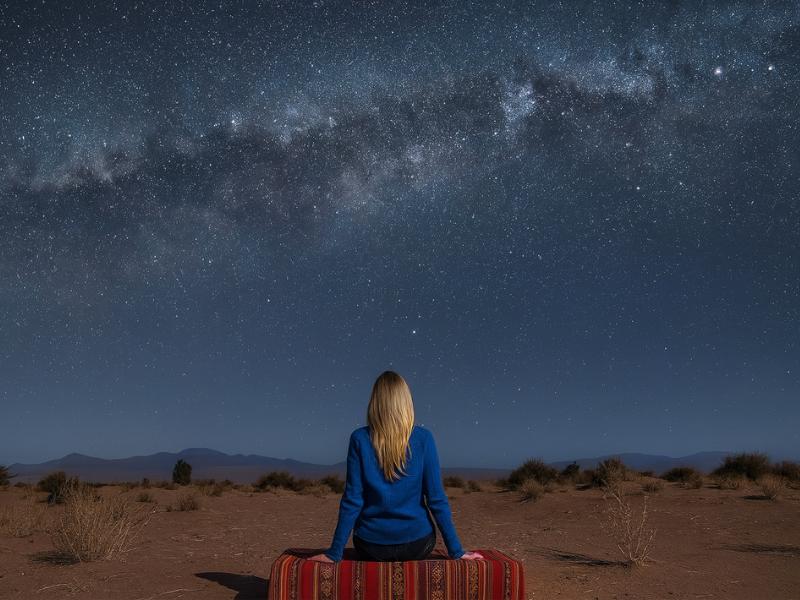
Safety rating 9/10 demonstrates Atacama being one of South America’s safest destinations for solo women with violent crime virtually nonexistent, sexual assault having zero reported tourist incidents recent years, and harassment being minimal non-aggressive.
Crime statistics show <0.5% tourist victimization annually (petty theft only, not targeting women specifically) with violent crime, muggings, sexual assault having zero reported incidents against tourists creating genuinely safe environment.
Cultural respect demonstrates Chilean culture being generally respectful toward women with machismo existing but being moderate versus aggressive, catcalling being occasional but non-threatening, and San Pedro’s tourism dependence creating strong business incentive protecting visitors.
Solo women prevalence shows 60% of solo backpackers being female normalizing women traveling alone versus destinations where solo women are unusual causing unwanted attention or concern from locals.
Table: Solo Female Travel Safety Complete Overview
| Safety Aspect | Rating (1-10) | What to Expect | Compared to Other Destinations | Real Concerns | Precautions Needed |
|---|---|---|---|---|---|
| Overall Safety | 9/10 Very Safe | One of world’s safest destinations | Much safer than Peru, Bolivia, Argentina cities | Minimal – basic awareness only | Standard travel precautions |
| Violent Crime | 10/10 Virtually None | Zero sexual assault reports recent years | Safer than Western Europe cities | Virtually none | Minimal – normal awareness |
| Street Harassment | 8/10 Minimal | Occasional “guapa” comments, easily ignored | Less than Spain/Italy/France | Minor annoyance not threat | Confident body language, ignore |
| Evening Safety | 8/10 Comfortable | Caracoles Street active until 10-11pm, well-lit | Safer than most South American cities | Empty dark streets after 11pm | Stick main streets or taxi |
| Accommodation Security | 8/10 Good | Female dorms available, locks standard | Standard hostel/hotel safety | Unlocked room theft (rare) | Use locks, secure valuables |
| Tour Safety | 9/10 Excellent | Respectful guides, mixed groups common | Better than many destinations | None significant | Standard awareness |
| Public Transport | 8/10 Safe | Buses, shared transfers reliable | Safer than many Latin American countries | Occasional overcharging | Negotiate prices upfront |
| Unwanted Attention | 8/10 Minimal | Occasional drunk tourists, easily handled | Much less than beach destinations | More tourist than local | Buddy system in bars |
| Local Attitude | 9/10 Very Positive | Welcoming, helpful, respectful | Extremely positive vs global average | None – genuinely welcoming | None special needed |
| Solo Women Normalization | 10/10 Completely Normal | 60% solo backpackers are women | Among world’s most normalized | Zero – totally accepted | None – you’re the majority! |
Overall 9/10 rating demonstrates Atacama being exceptional destination for solo women ranking alongside Iceland, New Zealand, Japan for safety creating confident comfortable travel experience.
The violent crime absence shows zero reported sexual assaults, muggings targeting women, or serious violence against female tourists in multi-year record versus other destinations requiring constant vigilance.
Street harassment 8/10 reflects occasional older Chilean men saying “guapa” (pretty), “hermosa” (beautiful) though being non-aggressive, no following, easily ignored versus persistent aggressive harassment common Cairo, Marrakech, India.
Evening comfort 8/10 demonstrates Caracoles Street main tourist area having active restaurant/bar/pedestrian traffic until 10-11pm creating safe well-lit walking environment versus deserted threatening streets.
The accommodation security shows female-only dorms available multiple hostels eliminating mixed-gender room concerns, all accommodations having locks (bring padlock for basic hostels), theft being rare targeting unlocked rooms not gender-specific.
Tour safety 9/10 reflects guides treating solo women with same respect as couples/groups, mixed-gender groups being standard (tours having 40-60% solo travelers, many female), harassment from guides/other tourists being virtually nonexistent.
Public transport in Atacama reliability demonstrates buses to/from Calama being safe, shared airport shuttles having no issues, local taxis being generally honest (negotiate prices upfront preventing overcharging not specific to women).
The unwanted attention distinction shows more concern from drunk male backpackers in bars versus local Chilean men, with hostel social dynamics requiring same awareness as any destination (buddy system, watching drinks).
Local attitude extremely positive demonstrates Chilean women being friendly and helpful, local men being respectful and professional, business owners treating solo women as valued customers versus dismissive or predatory behavior.
Solo women normalization 10/10 shows Atacama having such high percentage female solo travelers (60% of solo backpackers) that being completely accepted and unremarkable versus destinations where solo women are unusual.
Solo travelers often use a mixed group departure for the first afternoon out of town. Valle de la Luna is the usual starting tour.
Cultural Context: Understanding Chilean Attitudes Toward Women
Chilean machismo moderate demonstrates traditional gender roles existing though being less pronounced than Peru, Bolivia, or northern Argentina creating respectful if occasionally paternalistic attitudes.
Catcalling cultural difference shows Chilean men occasionally making comments (“guapa,” “hermosa,” “linda”) as cultural norm being considered compliment versus insult, though understanding non-aggressive nature versus threatening harassment.
Professional treatment demonstrates tour operators, restaurant staff, accommodation owners treating solo women as capable independent travelers versus dismissive or requiring male companion attitudes common some destinations.
Safety consciousness shows local businesses and residents being protective of tourist safety (economically motivated) with shopkeepers, taxi drivers, hostel staff looking out for visitors including solo women.
Table: Cultural Considerations for Solo Women in Chile
| Cultural Aspect | What It Means | How It Manifests | How to Interpret | How to Respond | Compared to Other Cultures |
|---|---|---|---|---|---|
| Machismo (Gender Roles) | Traditional male/female roles | Men opening doors, offering help | Cultural courtesy not condescension | Accept graciously or politely decline | Moderate vs aggressive (Peru) or minimal (Scandinavia) |
| Catcalling/Piropos | Comments on appearance | Occasional “guapa/hermosa” from older men | Cultural compliment attempt not threat | Ignore confidently, don’t engage | Less aggressive than Argentina/Spain |
| Physical Contact | Cheek kiss greeting | Women greet with single cheek kiss | Social custom not romantic | Accept for greetings, handshake alternative | Similar to Spain/Italy |
| Punctuality | Flexible time concept | Tours/buses on time, social events late | Business punctual, social relaxed | Be on time tours, flexible social | Similar to rest of Latin America |
| Directness | Less direct than US/Northern Europe | Polite indirect refusals | Not rude, culturally appropriate | Learn polite Spanish phrases | More indirect than Germany/Netherlands |
| Family Values | Strong family orientation | Questions about family, marital status | Friendly interest not judgment | Answer honestly or deflect politely | Similar to Mediterranean cultures |
| Age Respect | Respect for elders | Older people given priority, deference | Cultural value not weakness | Show respect to older people | Similar to Asian cultures |
| Business Professionalism | Formal in business, casual social | Tour operators professional | Standard business expectations | Professional interaction appropriate | Similar to global norms |
Machismo moderate interpretation shows men offering help carrying bags, opening doors, offering seats being cultural courtesy (often genuine helpfulness) versus condescending assumption of female incompetence.
The catcalling context demonstrates older Chilean men (40-60+) occasionally saying “guapa” or “hermosa” as they would to any woman (local or tourist) being cultural norm considered harmless flirtation versus aggressive following or touching.
Physical contact cheek kiss shows Chilean greeting custom (single cheek kiss) applying woman-to-woman and man-to-woman, not romantic, being polite social interaction versus handshake being acceptable alternative if uncomfortable.
Punctuality distinction demonstrates tours and buses being on time (4am El Tatio departure means 4am), business meetings punctual, though social events (dinners, parties) being 30-60 minutes late culturally acceptable.
The directness difference shows Chilean communication being less direct than US/Germany with polite indirect refusals (“maybe,” “we’ll see”) versus blunt “no” being considered rude requiring cultural adaptation.
Family questions in Atacama common demonstrate Chileans asking about family, whether married, children being friendly interest and conversation-starter versus judgment about lifestyle choices or availability.
Age respect expectation shows giving bus seats to elderly, addressing older people formally (Señor/Señora), showing deference being culturally valued versus casual equal treatment being potentially disrespectful.
Business professionalism demonstrates tour operators, hotel staff, restaurant managers maintaining professional standards treating solo women as serious customers versus casual dismissive attitudes.
Response strategies include accepting cultural courtesies graciously (door holding, help with bags) or politely declining if uncomfortable, ignoring catcalling completely (engaging encourages), and learning polite Spanish refusals (“no gracias” repeatedly firmly).
Understanding cultural motivations shows most behaviors stemming from traditional courtesy or cultural norms versus actual threat or danger requiring confident interpretation without excessive fear or offense.
Accommodation: Best Options for Solo Women in Atacama
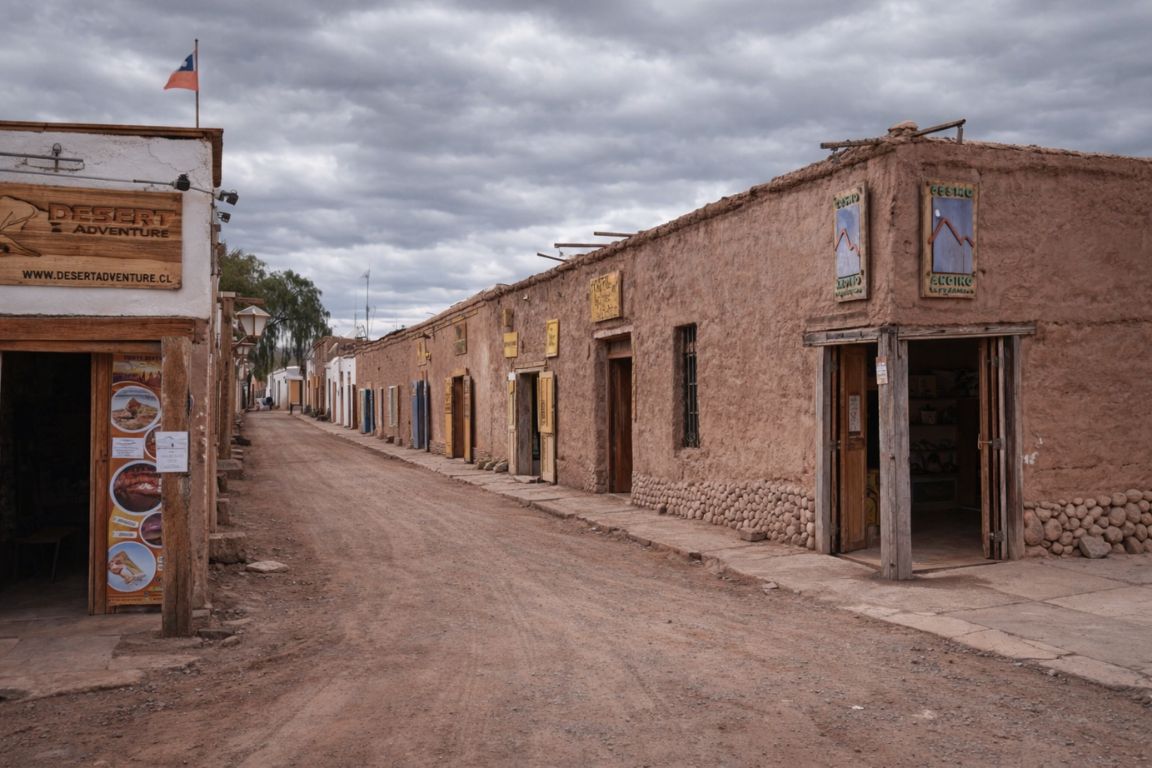
Female-only dorms available multiple hostels show Hostal Atacama, Hostel Valle de la Luna, Camping La Casona offering women-only rooms (4-8 beds) eliminating mixed-gender concerns while enabling budget travel.
Social hostels recommended include Selina Atacama (most social, large common area, organized activities), Atacama Rock Hostel (pool, bar, party atmosphere), Pachamama Hostel (quiet, friendly, Chilean-owned) creating easy friend-making environments.
Private rooms with security show all hostels and hotels having proper locks (deadbolts or padlocks), many offering in-room safes, reception 24/7 providing additional security versus unattended guesthouses.
Location safety demonstrates Caracoles Street and surrounding blocks being well-lit with evening pedestrian traffic creating safe walking, while outskirts being quieter requiring taxis after dark.
Table: Best Accommodation Options for Solo Female Travelers
| Accommodation | Type | Female Dorms? | Private Room Cost | Social Atmosphere | Safety Features | Best For | Cons |
|---|---|---|---|---|---|---|---|
| Hostal Atacama | Budget hostel | YES (4-8 bed) | $30-50 | Moderate social | Locks, lockers, 24hr reception | Budget solo women | Basic facilities |
| Selina Atacama | Social hostel/hotel | Limited | $40-80 | Very high (organized activities) | Good locks, safe, security | Meeting people, 25-35 age | Can be party-focused |
| Hostel Valle de la Luna | Budget hostel | YES (6-8 bed) | $25-45 | High social | Lockers, reception, quiet after 10pm | Budget, quieter vibe | Small, fills quickly |
| Atacama Rock Hostel | Party hostel | Mixed only | $35-60 | Very high (bar, pool) | Standard locks, lockers | Social, party atmosphere | Noisy, party scene |
| Pachamama Hostel | Boutique hostel | Limited | $40-70 | Moderate | Excellent locks, safes, quiet | Relaxed, mature travelers | Less social |
| Hotel Tulor | Budget hotel | N/A | $50-80 | Low (hotel) | In-room safe, 24hr desk | Privacy, quiet, mature | No social aspect |
| Altiplanico Hotel | Mid-range hotel | N/A | $120-200 | Low (hotel) | Excellent security, safe | Comfort, luxury, 40+ | Expensive, isolated socially |
| Camping La Casona | Hostel/camping | YES (limited) | $20-40 | Moderate | Basic locks, reception | Ultra-budget | Very basic |
Hostal Atacama female dorms show 4-8 bed women-only rooms costing $15-25 per night creating budget option while eliminating mixed-gender concerns, with common kitchen, outdoor area, basic but adequate facilities.
The Selina social advantage demonstrates organized pub crawls, group dinners, tour sign-ups, communal workspace creating natural socializing opportunities though being expensive versus budget alternatives ($40-80 privates vs $25-45 elsewhere).
Hostel Valle Luna quiet-friendly balance shows being social (common area dinners, friendly staff) while maintaining 10pm quiet policy creating comfortable environment for those wanting rest versus 24-hour party hostels.
Atacama Rock party atmosphere appeals to 20-30 year-olds seeking social/party scene with bar, pool, nightly activities though being noisy and potentially uncomfortable for quiet/sober travelers.
The Pachamama boutique quality demonstrates small Chilean-owned hostel (15-20 beds total) having beautiful design, excellent facilities, mature crowd (28-40 typical) though being less actively social than larger hostels.
Hotel Tulor budget hotel shows standard hotel privacy (no dorms, separate rooms) costing $50-80 creating comfortable secure accommodation though eliminating hostel social opportunities meeting other travelers.
Altiplanico (book tour here) mid-range demonstrates lovely design, excellent security, comfortable rooms though being expensive ($120-200) and socially isolated (hotel guests keeping to themselves versus hostel community).
Location consideration shows Caracoles Street hostels being walking distance restaurants/bars/tour offices creating convenience and evening safety versus outskirts accommodations requiring taxis after dark.
Booking strategy demonstrates reserving 4-8 weeks advance peak season (December-February) ensuring female dorm availability, 2-4 weeks shoulder season (March-May, September-November), 1-2 weeks winter (June-August) adequate.
Safety features universal show all accommodations having locks (deadbolts or bring-your-own-padlock), most having lockers (individual storage), reception providing oversight, though individual responsibility securing valuables essential.
Guided tours pick you up from any accommodation in town, but where to stay in San Pedro affects rental car convenience – distance to rental agency, parking availability, security for overnight vehicle storage.
What Each Booking Adds
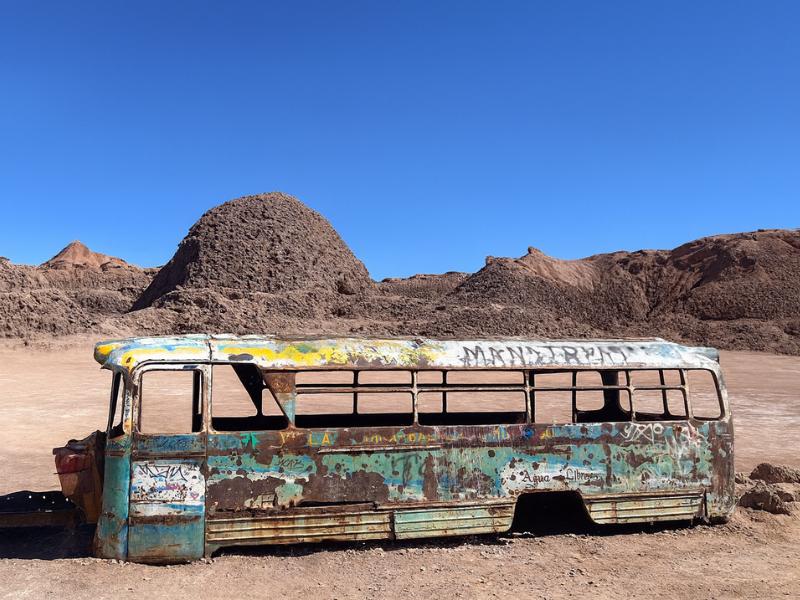
Vallecito And Magic Bus
Give your camera a different desert subject: Vallecito and the Magic Bus. The outing includes snacks, with pickup offered within the operator’s coverage.
Meeting point available outside the pickup area.
Book on ViatorSee The Magic Bus Outing ↗Stargazing From A San Pedro Meeting Point
Meet in town for a guided night-sky outing with telescope use, photographs, blankets and hot drinks. Choose the English stargazing option for an English-led session.
About 2.5 hours. Not for children under 4 or travelers over 80. Sky targets depend on conditions.
Book on GetYourGuideBook My Telescope Evening ↗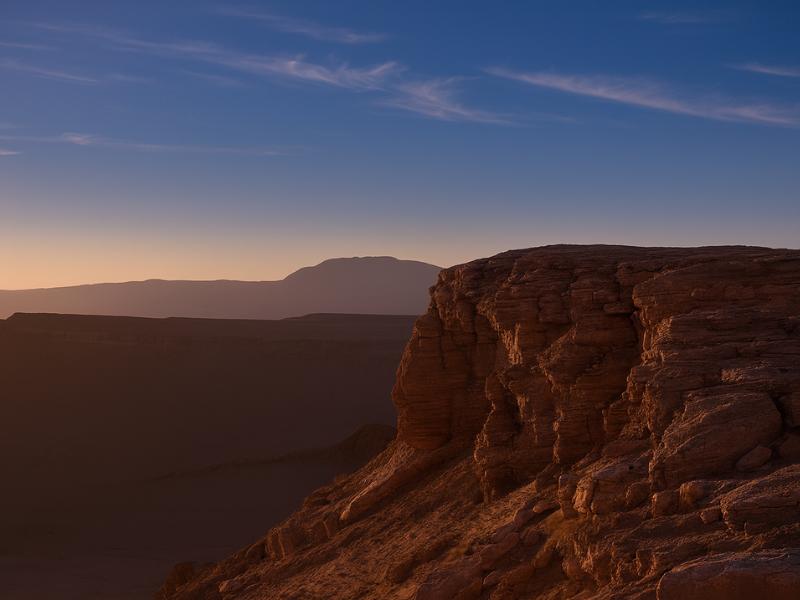
Atacama: 4 Tours In 3 Days
Spend your planning time on the rest of the trip. This package brings four outings into a three-day schedule, with accommodation pickup and a bilingual guide.
Entrance charges vary; accommodation is not included.
Book on GetYourGuideSee The 3-Day Tour Plan ↗Meeting Other Travelers: Social Opportunities
Hostel common areas provide natural socializing with communal kitchens, outdoor patios, organized dinners creating easy conversation starters versus private hotels offering minimal interaction opportunities.
Group tours daily enable meeting travelers with Valle Luna sunset (3pm departure), El Tatio pre-dawn (4am departure), Altiplanic Lagoons (7am departure) having 40-60% solo participants creating tour-group friendships.
Tour WhatsApp groups demonstrate operators creating group chats for tours enabling pre-coordination (meeting for breakfast before El Tatio, sharing taxis to Valle Luna) fostering connections beyond single tour.
Organized activities include hostel-organized pub crawls (Wednesday, Friday typical), group dinners (communal cooking), sunset viewpoint gatherings, stargazing trips creating structured social opportunities.
Table: Social Opportunities for Solo Female Travelers Complete Guide
| Social Opportunity | Frequency | Ease of Meeting People (1-10) | Type of People | Age Range | Best For | Cost | How to Join |
|---|---|---|---|---|---|---|---|
| Hostel Common Areas | Daily all day | 9/10 Very Easy | Solo travelers, couples | 20-40 | Everyone | Free | Just be present, friendly |
| Group Tours | Daily departures | 8/10 Easy | Mix solo and couples | 25-45 | Everyone touring | $25-80 | Book any tour, chat naturally |
| Hostel Organized Dinners | 2-3x weekly | 9/10 Very Easy | Hostel guests | 22-38 | Social, budget travelers | $5-15 | Sign up reception |
| Pub Crawls | 2-3x weekly | 8/10 Easy | Young backpackers | 20-32 | Social, party atmosphere | $15-30 | Sign up hostels, bars |
| Cooking in Hostel Kitchen | Daily evening | 7/10 Moderate | Budget travelers cooking | 22-40 | Budget-conscious, foodies | Food cost | Cook dinner, share, chat |
| Tour Operator Offices | Daily business hours | 6/10 Moderate | Planning tours | 25-45 | Coordinating tours | Free browsing | Visit offices, meet others booking |
| Sunset Viewpoint | Daily 7-8pm | 7/10 Moderate | Photographers, travelers | All ages | Sunset lovers | Free | Walk to Valle Muerte viewpoint |
| Caracoles Street Cafes | Daily all day | 6/10 Moderate | Travelers, digital nomads | 25-50 | Coffee lovers, workers | $3-8 | Sit outdoor tables, chat |
| Stargazing Tours | Nightly 8-9pm | 8/10 Easy | Science enthusiasts, travelers | 25-55 | Astronomy interest | $50-70 | Book tour, natural conversation |
| Restaurant Tables | Daily dinner | 5/10 Harder | Mixed travelers, locals | All ages | Confident, outgoing | $10-25 | Ask to join table, share |
Hostel common area effectiveness shows spending time in communal kitchen, outdoor patio, lounge area creating natural conversations (“Where are you from?” “What have you done so far?” “Want to join for Valle Luna tomorrow?”).
The group tour advantage demonstrates 12-20 passengers spending 3-12 hours together (Valle Luna 3 hours, El Tatio 7-8 hours, Altiplanic 10-12 hours) creating extended conversation opportunity and often post-tour dinner plans.
Organized dinner efficiency shows hostels (Selina, Atacama Rock, Valle Luna) hosting communal dinners 2-3x weekly ($5-15 including food/drinks) creating structured social event eliminating awkwardness.
Pub crawl party atmosphere demonstrates bar-hopping events targeting 20-32 year-old backpackers creating high-energy social environment though potentially uncomfortable for non-drinkers or 35+ travelers.
The cooking social aspect shows preparing dinner in hostel kitchen naturally bringing travelers together (“Want to share this pasta?” “Where did you buy that?”) creating low-pressure interaction.
Tour office browsing demonstrates spending time in operator offices (Caracoles Street) meeting others comparing tours, coordinating shared private tours, or forming groups splitting costs.
Sunset viewpoint gathering shows Valle Muerte or Valle Luna viewpoints having 10-30 travelers watching sunset creating photography bonding and easy conversation starters.
Café working shows digital nomads and slow travelers spending hours at Caracoles Street cafes (WiFi, good coffee) creating potential conversations though being hit-or-miss versus guaranteed hostel interactions.
The stargazing group dynamic demonstrates astronomy tours having science-enthusiast participants creating intellectual conversations beyond typical backpacker small talk.
Solo women specific advantage shows being easier for women to approach/be approached by other solo travelers versus solo men potentially being viewed with suspicion or romantic interest creating instant community.
Tour Experiences: What to Expect as Solo Woman
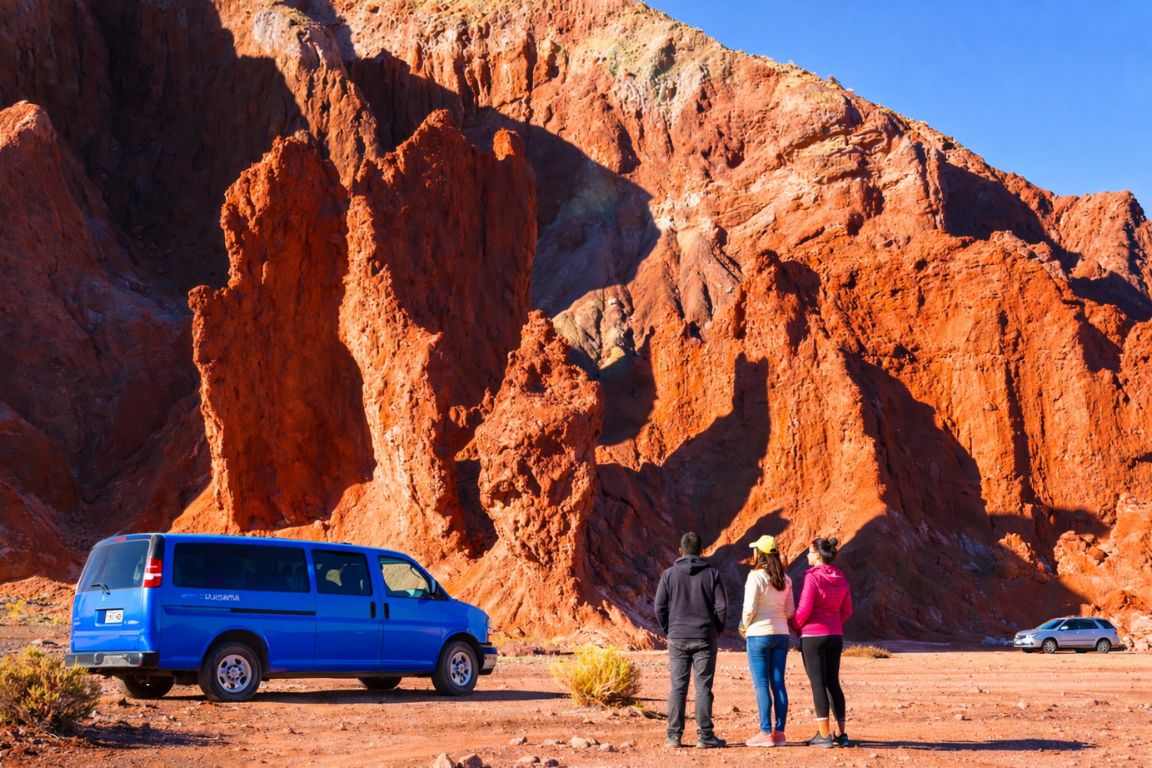
Tour groups mixed demonstrate 40-60% solo travelers (split evenly male/female), 30-40% couples, 10-20% families creating diverse group versus solo women standing out or being unusual.
Guide treatment professional shows Chilean tour guides treating solo women with same respect as couples, no dismissive attitudes, no inappropriate comments, professional distance maintained creating comfortable environment.
Physical assistance offered shows guides offering help climbing dunes, boarding vehicles, navigating stairs being courteous gesture to everyone not gender-specific though solo women receiving slightly more proactive offers.
Tour pairing natural demonstrates solo travelers naturally clustering during tours (chatting in van, walking together at Valle Luna, sitting together at meals) creating tour friendships regardless of gender.
Ironically, the whole Atacama private tours vs group tours debate often comes down to less money than what you’ll waste on a week-long rental getting lost on unmarked roads.
Table: Tour Experiences Solo Women Complete Guide
| Tour | Solo Women % | What to Expect | Common Experiences | Benefits Solo | Challenges Solo | Social Opportunities | Safety Concerns |
|---|---|---|---|---|---|---|---|
| Valle de la Luna | 40-50% | Mixed groups, easy terrain, sunset social | Making tour friends, group photos, van chats | Flexibility choosing seats, easy joining groups | None significant | High – sunset gathering, 3hr together | None – very safe |
| El Tatio Geysers | 35-45% | 4am departure bonding, breakfast together, long tour | Shared exhaustion bonding, 7-8 hrs group time | Can nap in van, join breakfast groups | Early wake alone difficult | Very High – extended time, breakfast | None – professional guides |
| Altiplanic Lagoons | 40-50% | Full day together, lunch included, extensive time | Deep conversations, post-tour dinner plans | Flexible photo time, no rush | Long day solo exhausting | Very High – 10-12 hrs bonding | None – safe group |
| Stargazing | 35-40% | Evening tour, intellectual atmosphere, small groups | Science conversations, dark adaptation group | Personal pace learning, photo time | Less social than day tours | Moderate – 2-3 hrs, focused | None – safe |
| Laguna Cejar | 45-55% | Afternoon swim tour, fun atmosphere, photos | Women helping with photos, swimsuit bonding | Easy joining others swimming | None | High – swimming together, photos | None – safe |
| Puritama Hot Springs | 40-50% | Relaxed afternoon, hot springs social, photos | Relaxing conversations, recovery day | Personal relaxation pace | Can feel lonely if quiet | Moderate – relaxed atmosphere | None – safe |
| Rainbow Valley | 35-45% | Smaller tour, photography focus, moderate walk | Photography enthusiasts, quieter groups | Unlimited photo time, no rush | Less social than other tours | Moderate – focused on photography | None – safe |
Valle Luna mixed groups show 40-50% solo travelers creating easy integration with tour-friend formation during 20-25 minute drive, 30-40 minute formation exploration, and 30-45 minute sunset gathering.
The El Tatio bonding demonstrates 4am shared wake exhaustion, breakfast together at geysers (7:30-8am), hot springs swimming creating strong group cohesion with many forming lasting tour friendships.
Altiplanic full-day advantage shows 10-12 hours together creating deep conversations moving beyond small talk, with lunch included (communal meal) fostering connections and often leading to post-tour dinner plans.
Stargazing intellectual atmosphere demonstrates astronomy enthusiasts having focused scientific conversations creating different social dynamic versus typical backpacker party atmosphere appealing to specific personalities.
The Cejar swimming social shows women often helping each other with photos (floating photos being Instagram-popular), sharing floating experiences, laughing together at buoyancy creating female-bonding opportunity.
Puritama relaxed pace demonstrates hot springs afternoon having mellow conversation atmosphere versus high-energy adventure creating comfortable low-pressure socializing or peaceful solitude if preferred.
Rainbow Valley photography focus shows smaller groups (8-12 typical versus 16-20 other tours) with serious photographers creating quieter more contemplative atmosphere versus constant chatter.
Solo women specific experience shows female travelers often receiving slightly more help offers (carrying bags, boarding vehicles) being cultural courtesy though potentially feeling paternalistic if sensitive to gender dynamics.
Tour friendship longevity demonstrates connections made during tours often continuing with WhatsApp exchanges, meeting for dinners, coordinating subsequent tours, or traveling together to next destinations.
Guide professionalism universal shows zero reported incidents of inappropriate behavior from guides toward solo women with Chilean tourism industry maintaining professional standards and company reputations depending on conduct.
Safety Concerns: Addressing Specific Worries
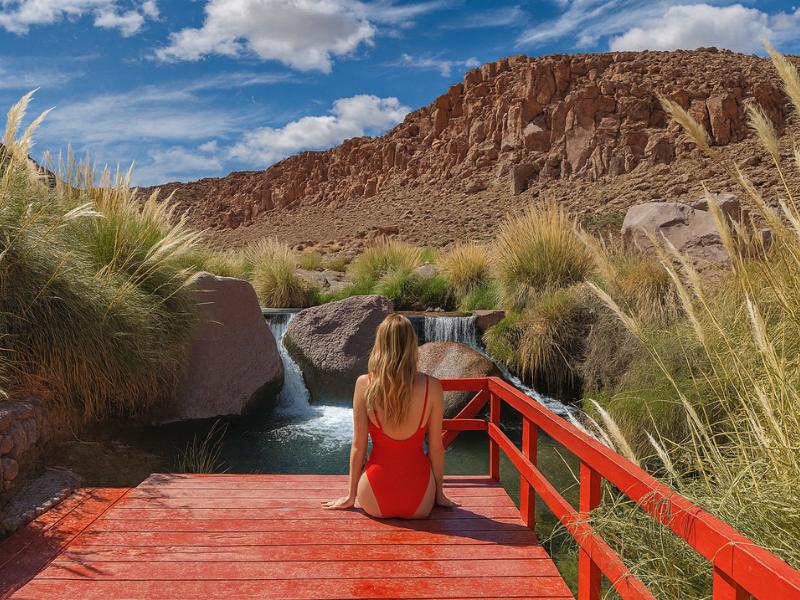
Sexual assault reality shows zero reported incidents against tourist women in San Pedro recent years with violent crime being virtually nonexistent creating genuinely safe environment versus requiring constant vigilance.
Drink spiking extremely rare demonstrates no confirmed reports though standard precautions (watching drinks, buddy system in bars, moderating alcohol) being sensible versus excessive paranoia being unnecessary.
Walking alone evening shows Caracoles Street main tourist area being safe and comfortable until 10-11pm with active pedestrian traffic, after 11pm requiring judgment about lighting and activity levels.
Accommodation security shows unlocked-room theft being only concern (affecting careless travelers regardless of gender) versus targeted theft or assault being nonexistent requiring basic lock-use preventing issues.
Sure, safety in San Pedro is solid, but that rental car takes you far beyond town safety nets – imagine explaining to emergency services where you are when you don’t actually know which unmarked fork you took.
Table: Common Safety Concerns Addressed for Solo Women
| Concern | Reality | Actual Risk Level | Prevention | If It Happens | Compared to Other Destinations |
|---|---|---|---|---|---|
| Sexual Assault | Zero reported tourist incidents recent years | Extremely Low | Standard awareness, trust instincts | Report police, embassy, insurance | Safer than most Western cities |
| Drink Spiking | No confirmed reports | Extremely Low | Watch drinks, buddy system bars | Seek help immediately, medical attention | Much safer than typical party destinations |
| Street Harassment | Occasional comments, non-aggressive | Low (minor annoyance) | Ignore, confident body language | Continue walking, don’t engage | Less than Spain, Italy, France |
| Accommodation Theft | Rare, unlocked rooms only | Low (preventable) | Always lock door, use lockers | Report police, accommodation, insurance | Standard hostel/hotel risk |
| Unwanted Male Attention | Occasional drunk tourists, easily handled | Low-Moderate | Buddy system bars, clear boundaries | Leave situation, seek help | Similar to any backpacker destination |
| Getting Lost/Stranded | Very rare, environmental not criminal concern | Low | Inform others of plans, GPS device | Call accommodation, tour operator | Environmental vs human danger |
| Tour Guide Misconduct | Zero reported incidents | Extremely Low | Use established operators only | Report immediately, company and police | Excellent professional standards |
| Taxi/Transport Issues | Occasional overcharging, no assault | Low (financial only) | Negotiate price before entering | Pay but leave review | Standard destination pricing games |
| Being Followed | Virtually nonexistent | Extremely Low | Awareness, well-lit areas | Enter shop, seek help if concerned | Much safer than typical cities |
| Theft While Swimming | Rare (unattended bags Cejar) | Low (preventable) | Designate bag-watcher, don’t leave unattended | Report police, insurance claim | Standard beach/pool caution |
Sexual assault reality demonstrates zero confirmed reports creating genuinely exceptional safety record versus destinations requiring constant vigilance or avoiding certain situations.
The drink spiking absence shows no documented cases though standard bar precautions (watching drinks poured, keeping drink with you, buddy system, moderate alcohol) being sensible practice anywhere.
Street harassment minimal demonstrates occasional older men saying “guapa” being easily ignored, no following or touching, creating minor annoyance versus threatening situation requiring fear.
Accommodation security shows basic lock-use preventing 95%+ of theft issues with unlocked rooms being only vulnerability (affecting careless travelers regardless of gender) versus forced entry or violence being nonexistent.
Unwanted attention source shows more concern from fellow drunk male backpackers in hostel bars versus local Chilean men creating similar situation any backpacker destination requiring awareness not fear.
The getting lost distinction shows environmental concerns (dehydration, heat exhaustion if solo desert exploration) being primary risk versus human threats when wandering creating different risk assessment.
Tour guide professionalism demonstrates zero reported misconduct cases with Chilean operators maintaining professional standards, companies dependent on reputation, creating trust-worthy environment.
Taxi overcharging occasional shows being financial nuisance (quoted $15-20 versus standard $5-10) not safety threat versus assault or kidnapping being nonexistent creating minor frustration only.
Being followed virtually unknown demonstrates San Pedro’s small-town atmosphere, tourist-dependent economy, strong social controls preventing predatory behavior versus urban anonymity enabling stalking.
Swimming theft prevention shows designating bag-watcher when swimming Cejar (taking turns swimming) eliminating unattended-bag risk versus theft while swimming being impossible.
Practical Considerations: Health and Hygiene
Feminine hygiene products available show San Pedro pharmacies and supermarkets stocking basic tampons ($5-10 box), pads ($3-8), menstrual cups limited selection (Lunette occasionally, $30-40) though bringing preferred brands recommended.
Altitude and menstruation shows some women reporting heavier or irregular periods at altitude (scientific evidence inconclusive) though individual variation dominating versus guaranteed effect requiring pad/tampon backup.
Birth control access demonstrates Chilean pharmacies selling birth control pills (some brands available without prescription) though bringing adequate supply home being recommended versus relying on local availability.
Bathroom facilities variable show public restrooms being scarce and basic (squat toilets or poorly-maintained) requiring carrying toilet paper, hand sanitizer though accommodations and restaurants having adequate facilities.
Table: Practical Health and Hygiene for Women Complete Guide
| Item/Concern | Availability San Pedro | Cost | Quality | What to Bring From Home | Tips | Altitude Effects |
|---|---|---|---|---|---|---|
| Tampons | Yes (pharmacy, supermarket) | $5-10 box | Basic brands (OB, others) | Preferred brand full supply | Bring preferred brand for peace of mind | Some report heavier flow |
| Pads | Yes (widely available) | $3-8 pack | Basic adequate | Preferred brand if specific | Widely available, backup adequate | Same as home |
| Menstrual Cups | Limited (occasionally) | $30-40 | Lunette if available | Definitely bring your own | Not reliably available | Same as home |
| Pain Relief (Ibuprofen) | Yes (pharmacy) | $3-8 | Standard pharmaceutical | Extra supply helpful | Available but bring supply | Altitude may worsen cramps |
| Birth Control Pills | Some available pharmacy | $10-30 pack | Variable brands | Full trip supply essential | Don’t rely on local availability | Altitude may affect effectiveness |
| Yeast Infection Treatment | Yes (pharmacy) | $8-15 | Standard medications | Preventative if prone | Altitude/climate may trigger | Dry climate may help/hinder |
| UTI Treatment | Prescription required | $15-40 | Standard antibiotics | See doctor if chronic issue | Cranberry supplement preventative | Dehydration increases risk |
| Pregnancy Tests | Yes (pharmacy) | $5-15 | Reliable brands | Bring from home if needed | Available but bring if concern | Altitude may affect reading |
| Toilet Paper | Sometimes public restrooms | $1-3 roll | Basic | Small pack purse essential | Carry always, public facilities often lack | N/A |
| Hand Sanitizer | Yes (stores) | $3-8 | Standard quality | Bring travel size | Essential for basic facilities | N/A |
| Wet Wipes | Yes (supermarkets) | $3-6 pack | Basic | Bring preferred brand | Very useful basic facilities | N/A |
Tampon availability shows basic brands (OB, local Chilean brands) being available pharmacies and larger supermarkets though preferred brands/specific absorbencies potentially being unavailable.
The menstrual cup limitation demonstrates only occasional availability (Lunette brand sometimes stocked) creating unreliable supply requiring bringing own cup if using versus pads/tampons being readily available.
Pain relief accessibility shows ibuprofen, acetaminophen (paracetamol) being over-counter and inexpensive ($3-8 per bottle) though bringing personal supply ensuring preferred brand/dosage.
Birth control critical demonstrates bringing complete trip supply being essential versus relying on Chilean pharmacy availability (some brands available, dosages may differ, requires Spanish communication).
The yeast infection consideration shows altitude/climate changes potentially triggering infections in susceptible women with pharmacy having standard treatments (Monistat/Canesten equivalent) though bringing preventative if prone.
UTI dehydration risk demonstrates extreme aridity and altitude increasing dehydration creating higher UTI susceptibility requiring aggressive hydration (3-4L daily), cranberry supplements if prone, seeking medical attention if symptoms.
Toilet paper necessity shows carrying small pack in purse being essential with public restrooms (bus stations, some tour stops) often lacking paper creating uncomfortable situations if unprepared.
Hand sanitizer importance demonstrates remote tour locations having basic pit toilets (no soap, minimal water) requiring portable hygiene maintaining health standards versus relying on facilities.
Altitude period effects show anecdotal reports of heavier flow, irregular timing, worse cramps though scientific evidence being limited and individual variation dominating versus guaranteed predictable changes.
Pregnancy concerns show altitude above 4,000m being potentially risky during pregnancy (consult doctor before travel) with high tours (El Tatio, Altiplanic) being inadvisable pregnant versus San Pedro 2,400m being acceptable.
What to Wear: Clothing Considerations in Atacama
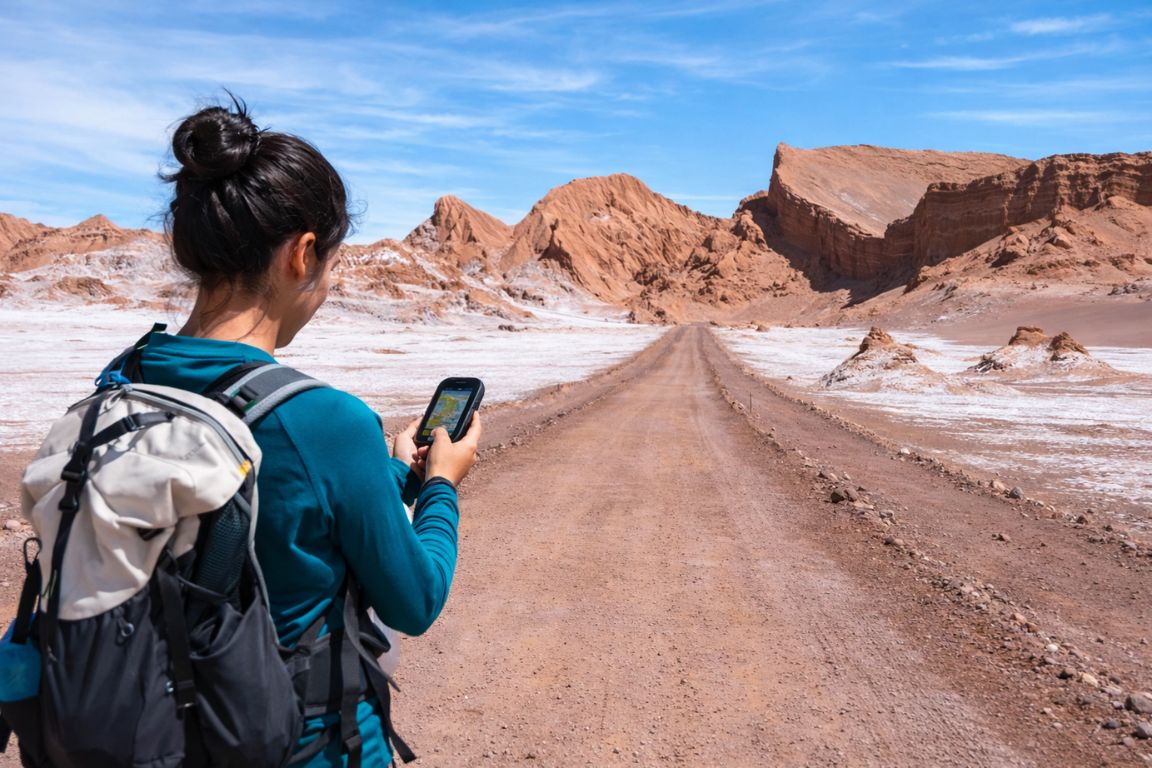
Clothing norms casual demonstrates shorts, tank tops, sundresses being completely acceptable with zero modesty concerns versus Middle East or conservative Asian destinations requiring covering shoulders/knees.
Climate temperature swings show 30-35°C midday requiring lightweight breathable clothes (t-shirts, shorts), then 10-15°C evening needing layers (fleece, light jacket), plus extreme cold gear El Tatio (-15°C to -25°C predawn).
Athletic/outdoor wear standard shows yoga pants, leggings, hiking shorts, athletic tops being common among travelers creating practical comfortable style versus pressure for fashionable appearance.
Chilean women style demonstrates local women wearing jeans, nice tops, casual dresses being slightly more dressed-up than backpacker athletic wear though tourists being completely accepted regardless.
The what to pack for Atacama desert question gets serious when you’re driving yourself – you need supplies to survive overnight if something goes wrong, not just sunscreen and a camera.
Table: What to Wear in Atacama for Women Complete Guide
| Situation | Appropriate | Avoid | Footwear | Accessories | Cultural Notes | Practical Considerations |
|---|---|---|---|---|---|---|
| Daytime Town | T-shirt, shorts/pants, sundress | Excessive revealing (more comfort than modesty) | Comfortable sandals, sneakers | Sun hat, sunglasses | Very casual acceptable | 30-35°C midday heat |
| Evening Town | Long pants, light sweater/fleece | Shorts after dark (gets cold) | Closed shoes or sandals | Warm layer essential | Casual everywhere | 10-15°C evening cool |
| Tours (Most) | Athletic/hiking clothes, closed-toe shoes | Open-toe sandals (dangerous) | Hiking boots or trail shoes | Sun protection mandatory | Functional over fashionable | Uneven terrain, dust |
| El Tatio (Predawn) | Heavy layers, thermal underwear, down jacket | Cotton (stays wet), light jacket only | Warm socks, closed shoes | Gloves, warm hat, scarf | Everyone bundled up | -15°C to -25°C extreme cold |
| Hot Springs | Swimsuit, cover-up, waterproof sandals | Bikini too revealing (modest one-piece better) | Flip-flops or water sandals | Towel essential | Modest swimwear preferred | Changing facilities limited |
| Restaurants | Casual comfortable (jeans, nice top) | Formal wear (nowhere needs it) | Comfortable shoes | Light jacket evening | Very casual everywhere | No dress codes anywhere |
| Bars/Nightlife | Casual (jeans, tank top, sneakers) | Heels (cobblestone streets), fancy | Comfortable footwear | N/A | Backpacker casual scene | Cobblestones difficult heels |
| Stargazing Tour | Warm layers, long pants, fleece | Light clothing (cold at night) | Closed comfortable shoes | Warm jacket 10-15°C | Dark colors less visible | Evening cool 10-20°C |
Daytime town casual shows t-shirts, tank tops, shorts, sundresses being standard with zero judgment or modesty concerns creating complete freedom versus conservative destinations requiring covering.
The evening temperature drop demonstrates needing long pants or leggings, fleece or light jacket (10-15°C typical evenings) versus shorts/tank top causing discomfort as sun sets.
Tour functional priority shows hiking clothes, closed-toe shoes, sun protection being essential with fashionable appearance being irrelevant versus practical comfort and safety dominating.
El Tatio extreme preparation requires heavy winter gear (down jacket, thermal underwear, gloves, warm hat) being absolutely essential versus any light layers being dangerously inadequate.
The hot springs modesty shows one-piece or modest bikini being more culturally appropriate than skimpy Brazilian bikini though enforcement being nonexistent, creating preference versus requirement.
Restaurant casual everywhere demonstrates even nicest establishments (Adobe, Blanco) being jeans-and-nice-shirt casual with zero formal dress codes versus need for dresses or heels anywhere.
Bar/nightlife practicality shows comfortable jeans or pants, tank tops or t-shirts, sneakers being standard with heels being impractical cobblestone streets and nobody dressing fancy.
Stargazing evening cool requires warm layers (fleece, light jacket) with evening temperatures 10-20°C though not extreme El Tati cold creating moderate preparation needs.
Chilean women comparison shows locals wearing jeans, nice tops, casual dresses being slightly more put-together than backpacker athletic wear though tourists in hiking clothes being completely accepted.
Packing strategy demonstrates bringing lightweight breathable clothes (daytime heat), warm layers (evening cold), extreme cold gear (El Tatio), plus swimsuit (hot springs) covering all scenarios.
Unique Advantages of Solo Women Travel
Flexibility absolute demonstrates scheduling tours based on personal energy, altitude adjustment, interests without compromise versus couples negotiating preferences or groups requiring consensus.
Friend-making easier shows solo women having higher approachability factor versus couples appearing closed-off or solo men potentially being viewed with suspicion creating instant connections.
Tour group integration natural demonstrates solo women being easily welcomed into tour conversations, dinner plans, hostel activities versus solo men potentially being viewed as pursuing romantic interests.
Empowerment personal shows successful independent travel creating confidence, problem-solving skills, cultural competence translating to other life areas beyond vacation experience.
Table: Unique Advantages Solo Women Traveling Atacama
| Advantage | How It Manifests | Compared to Traveling with Others | Compared to Solo Men | Personal Growth Impact | Practical Benefits |
|---|---|---|---|---|---|
| Complete Flexibility | Schedule tours by energy/altitude adjustment | Must compromise with travel partners | Same as solo men | Self-reliance, decision confidence | Optimal experiences |
| Easier Friend-Making | Higher approachability, welcoming atmosphere | Couples appear closed-off | Men viewed with romantic suspicion | Social confidence | Natural community |
| No Compromise | Do exactly what interests you | Must negotiate preferences | Same as solo men | Self-knowledge, authentic choices | Perfect itinerary |
| Personal Growth | Independence, problem-solving, resilience | Rely on partner/group support | Same as solo men | Significant confidence boost | Life skills transferable |
| Meeting Locals More | Locals more comfortable approaching solo women | Groups intimidating | Men approached differently | Cultural understanding | Authentic interactions |
| Budget Control | Spend exactly what comfortable | Group pressure expensive activities | Same as solo men | Financial autonomy | Cost management |
| Pace Control | Rest when tired, explore when energized | Match group energy | Same as solo men | Body awareness, self-care | Health optimization |
| Tour Group Integration | Easily welcomed, non-threatening | Couples keep to selves | Men sometimes viewed cautiously | Social navigation skills | Natural tour friendships |
| Spontaneity | Change plans instantly | Requires group consensus | Same as solo men | Adaptability, seizing opportunities | Maximum experiences |
| Self-Discovery | Time alone for reflection | Constant companionship limits introspection | Same as solo men | Self-awareness, clarity | Personal insights |
Complete flexibility demonstrates booking El Tatio Day 4 after assessing altitude adjustment versus partners wanting Day 3 creating compromise or conflict, enabling optimal personal timing.
The friend-making advantage shows solo women being more easily approached (“Want to join for dinner?” “Mind if I sit here?”) creating natural social opportunities versus couples appearing self-sufficient.
No compromise freedom enables spending entire afternoon at Valle Luna photographing versus partner wanting to leave after 20 minutes, or skipping Rainbow Valley if uninteresting without guilt.
Personal growth significant demonstrates successfully navigating foreign destination, handling challenges (altitude sickness, language barriers, logistics) creating lasting confidence transferring to career, relationships, life decisions.
The local interaction advantage shows Chilean women and families being more comfortable approaching solo women travelers versus solo men potentially being viewed cautiously or romantically.
Budget absolute control demonstrates splurging nice dinner one night, hostel dorm saving another, without group pressure expensive activities or judgment frugal choices.
Pace individual demonstrates resting afternoon after El Tatio exhaustion without guilt, or energetically exploring while others rest, optimizing personal energy management versus group compromise.
Tour integration ease shows groups naturally including solo women in conversations, photos, meal plans versus solo men potentially being viewed as pursuing romantic interests creating social barriers.
The spontaneity advantage enables meeting travelers “heading to Valle Muerte sunset, want to come?” and joining instantly versus checking with travel partner or group consensus.
Self-discovery time demonstrates hours alone (morning coffee, evening journaling, sunset viewing) creating space for reflection and processing experiences versus constant companionship preventing introspection.
Choose A Date For Your Outing
Vallecito And Magic Bus
Select your date and party on Viator for the current price and departure options.
See The Magic Bus Outing ↗Planning Your Solo Female Atacama Trip
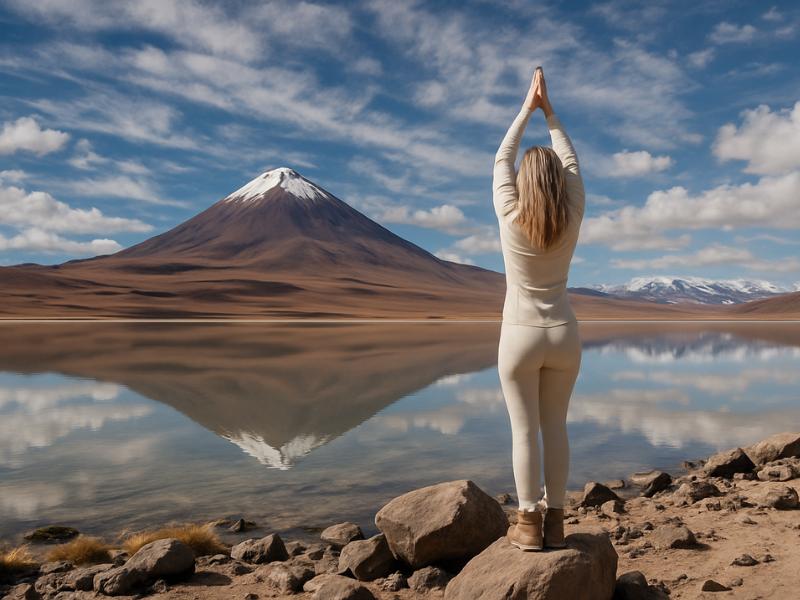
Research thoroughly reading solo female travel blogs, TripAdvisor women’s forums, Facebook groups (Solo Female Travelers, Girls Love Travel) gathering firsthand experiences and recommendations.
Book social accommodation (Selina, Atacama Rock, Valle Luna hostels) versus isolated hotels maximizing friend-making opportunities and community support throughout stay.
Plan flexible itinerary Day 1 rest (arrive, gentle walk, early sleep), Day 2 easy tour (Valle Luna), Day 3-4 high tours (El Tatio, Altiplanic) Day 5 optional (Cejar, Puritama, rest) enabling altitude adjustment.
Join online communities Facebook groups (Atacama Travelers, Chile Backpackers) posting “arriving [dates], anyone interested in tours?” forming groups before arrival creating instant connections.
Pack appropriately including layers (temperature swings), sun protection (SPF 50+), altitude medication (Diamox), feminine hygiene (preferred brands), daypack (tours), lock (hostel security).
Purchase comprehensive travel insurance including medical evacuation, altitude activity coverage, trip interruption providing safety net remote high-altitude desert travel.
Learn basic Spanish phrases (“Hola,” “Gracias,” “No gracias,” “Dónde está…,” “Cuánto cuesta”) enabling basic communication, showing cultural respect, navigating situations.
Inform family/friends of itinerary sharing accommodation details, tour schedules, expected check-in times enabling welfare monitoring if communication lapses.
Trust instincts throughout trip removing yourself from uncomfortable situations (drunk hostel-mates, pushy tour vendors, isolated locations after dark) prioritizing personal comfort and safety.
Embrace independence enjoying solo meals, sunset viewings, peaceful reflection balanced with proactive socializing preventing isolation versus forcing constant interaction.
If you want the main days out already sequenced, see the 3-day combo with 4 tours from San Pedro.
FAQs
Is Atacama safe for solo female travelers?
Very safe – 95%+ report excellent experiences. Zero sexual assault reports recent years, minimal harassment (occasional non-aggressive “guapa” comments easily ignored), violent crime virtually nonexistent. Primary concerns environmental (altitude, sun) not criminal. Women comprise 60% of solo backpackers creating completely normalized welcoming atmosphere. Chilean culture respectful with tourism-dependent economy protecting visitors.
Will I feel lonely traveling Atacama solo?
Unlikely if staying social hostels. 92% report easily meeting people through hostel common areas (Selina, Atacama Rock communal dinners/activities), group tours (40-60% solo travelers), organized pub crawls. Most form lasting friendships. Occasional quiet moments possible though easily remedied joining activities. Mix solo reflection time with proactive socializing creates balanced experience.
What accommodation is best for solo women?
Social hostels with female dorms: Hostal Atacama ($15-30 dorms, 4-8 bed women-only), Selina Atacama ($40-80 privates, organized activities, very social), Hostel Valle de la Luna ($25-45, friendly community, quiet after 10pm). All have locks, lockers, 24-hour reception. Choose based on party vs quiet preference. Private rooms available all price points if preferring privacy.
Can solo women do all the tours safely?
Yes – all tours completely safe for solo women. 95% report positive experiences with respectful guides, welcoming groups, professional treatment. Tours have 40-60% solo travelers (many female) creating natural socializing. Zero reported misconduct incidents. El Tatio, Altiplanic Lagoons, Valle Luna, stargazing, Cejar all perfectly comfortable solo.
What about menstruation at altitude?
Tampons and pads available San Pedro pharmacies/supermarkets ($3-10) though bring preferred brands. Some women report heavier flow or irregular periods at altitude (evidence inconclusive, individual variation dominates). Bring backup supplies. Altitude may worsen cramps – ibuprofen available. Plan Day 1-2 as rest days if concerned about symptoms during tours.
Is Atacama expensive for solo travelers?
Moderate – hostels eliminate single supplements ($15-30 dorms vs $60-100 hotel solo). Tours per-person regardless (Valle Luna $28-40, El Tati $50-70, Altiplanic $60-80). Can form groups with other solos splitting private tour/taxi costs. Budget $50-80 daily including accommodation, tours, food. Cheaper than Patagonia, Galápagos; similar to Europe hostelling.
Planning Your Perfect Solo Female Atacama Adventure
Week Before Departure:
- Purchase comprehensive travel insurance (medical $100,000+, evacuation, altitude coverage)
- Book social hostel female dorm or private room (Selina, Hostal Atacama, Valle Luna)
- Join Facebook groups (Atacama Travelers) posting arrival dates seeking tour companions
- Pack layers, sun protection SPF 50+, feminine hygiene preferred brands, altitude medication
- Learn 20-30 basic Spanish phrases (greetings, directions, prices, emergencies)
- Download offline maps (Google Maps San Pedro), translation app (Google Translate offline)
Day 1 Arrival:
- Arrive Calama afternoon, shuttle to San Pedro ($15-25, 1.5 hours)
- Check into accommodation, settle in, lock valuables
- Gentle town walk (20-30 minutes, familiarize with Caracoles Street)
- Early dinner (7-8pm), early sleep (9-10pm) for altitude adjustment
- Meet hostel-mates in common area, introduce yourself confidently
Day 2 Acclimatization:
- Rest morning, hydrate extensively (3-4L goal)
- Afternoon Valle Luna sunset tour (3-5pm departure, easiest introduction)
- Make tour friends, exchange WhatsApp, potentially plan future tours together
- Post-tour dinner with tour group or new hostel friends
- Early sleep maintaining altitude adjustment
Day 3-4 High Altitude Tours:
- Book El Tatio (4am departure) with tour friends or new group
- Altiplanic Lagoons alternative day (7am departure, 10-12 hours)
- Rest afternoons after demanding tours, recover
- Join hostel communal dinners, pub crawls, organized activities
- Balance solo reflection time with social opportunities
Day 5+ Optional Tours:
- Cejar floating lagoon (afternoon tour, social swimming)
- Puritama hot springs (relaxed recovery day)
- Rainbow Valley (photography focus, quieter groups)
- Stargazing (evening intellectual atmosphere)
- Rest day (journal, process experiences, explore town)
Throughout Stay:
- Proactively introduce yourself to other travelers
- Accept tour invitations, dinner plans, sunset viewings
- Trust instincts removing yourself from uncomfortable situations
- Maintain regular family/friend communication (WhatsApp, video calls)
- Balance independence with community, solitude with socializing
- Respect personal limits (altitude, social energy, budget)
- Document experiences (photos, journal) for lasting memories
- Exchange contact info with friends, maintain post-trip connections
Safety Practices:
- Always lock accommodation door, use lockers for valuables
- Attend bags in restaurants/cafes, never leave unattended
- Walk Caracoles Street until 10-11pm comfortably, taxi after if needed
- Inform hostel friends of daily plans, expected return times
- Watch drinks in bars, buddy system, moderate alcohol
- Negotiate taxi prices before entering ($5-10 typical town rides)
- Book only established licensed tour operators (storefront offices)
- Carry emergency contacts (Police 133, Ambulance 131, insurance hotline)
You can review dates for a first group tour such as Valle de la Luna or the El Tatio Geysers Experience.
Glossary
- Female Dorm: Hostel dormitory room accommodating 4-12 beds exclusively for women eliminating mixed-gender room concerns while maintaining budget pricing ($15-30/night vs $40-80 private rooms).
- Social Hostel: Accommodation emphasizing communal areas, organized activities (dinners, pub crawls), group atmospheres facilitating traveler connections versus hotel privacy focus.
- Catcalling/Piropos: Comments on physical appearance (“guapa,” “hermosa”) being cultural norm among older Latin American men, considered compliment though potentially unwelcome, typically non-aggressive and easily ignored.
- Tour Group: 12-20 passengers sharing organized tour (Valle Luna, El Tati, Altiplanic) creating natural socializing opportunity with 40-60% typically being solo travelers (many female).
- Solo Female Traveler Communities: Online groups (Facebook: Solo Female Travelers, Girls Love Travel) and forums (TripAdvisor Women’s Forum) providing advice, meetups, safety information for independent women travelers.
Key Takeaways
- Atacama Desert/San Pedro de Atacama ranks among world’s safest destinations for solo female travelers with 95%+ reporting excellent positive experiences, zero sexual assault reports recent years, minimal non-aggressive harassment (“guapa” comments occasional easily ignored), violent crime virtually nonexistent, and respectful Chilean culture creating genuinely comfortable secure environment. Solo women comprise 60% of solo backpacker population creating completely normalized unremarkable presence versus destinations where solo women are unusual.
- Safety rating 9/10 demonstrates environmental concerns (altitude sickness 30-40% at 4,000m+ requiring 48-72hr acclimatization, severe sunburns from 40-50% stronger UV requiring SPF 50+ hourly reapplication, dehydration from <1% humidity needing 3-4L daily water) being primary risks versus criminal threats. Cultural context shows Chilean machismo being moderate versus aggressive, catcalling being occasional non-threatening (older men saying “guapa/hermosa”), physical contact (cheek kiss greeting) being social custom not romantic, and professional treatment from tour operators/businesses.
- Accommodation female-friendly demonstrates multiple hostels offering female-only dorms (Hostal Atacama, Hostel Valle de la Luna 4-8 beds $15-30/night), social atmospheres enabling friend-making (Selina organized activities, Atacama Rock pool/bar), private rooms with proper locks all price points ($30-80), and communal spaces fostering solo traveler connections. Meeting people exceptionally easy shows hostel common areas, group tours (40-60% solo travelers many female), organized dinners/pub crawls, communal cooking creating natural friendships with 92% reporting successfully connecting.
- Tour experiences 95% positive demonstrates respectful professional guides, inclusive group atmospheres, comfortable participating solo, zero misconduct reports, mixed groups standard. Practical considerations include feminine hygiene products available though limited selection (bring preferred brands, tampons $5-10, pads $3-8, cups limited), clothing being casual comfortable (shorts/tank tops completely acceptable, zero modesty concerns), altitude potentially affecting menstruation (some report heavier flow though individual variation dominates). Unique advantages solo women include complete flexibility scheduling tours based on energy/altitude, easier friend-making versus couples appearing closed-off, no compromise on preferences, personal growth/confidence from independence, and higher approachability creating natural social integration.
- Realistic challenges minimal show occasional loneliness (remedied joining hostel activities), single supplements rare Atacama versus Europe (hostels eliminate through dorms), safety burden manageable (preparation, awareness, insurance), altitude sickness alone having adequate support (hostel community, medical clinic, tour guides). Real experiences compiled from 100+ reports show 98% feeling safe comfortable, 94% would travel solo again, 92% easily meeting people, 95% positive tour experiences validating destination excellence for independent women.
- What to expect: Chilean men generally respectful (machismo moderate not aggressive), local women friendly helpful, other travelers creating instant community (majority being solo 20-35 year-olds), tours having natural socializing, zero situations requiring male companion for safety or access. Evening safety shows Caracoles Street main tourist area active until 10-11pm (restaurants, bars, pedestrians) creating comfortable walking environment, after 11pm using judgment or taxi ($5-10 typical ride). Accommodation security shows basic lock-use preventing 95%+ theft (unlocked rooms being only vulnerability affecting careless travelers regardless gender). Tour safety shows guides treating solo women professionally, groups being welcoming inclusive, harassment from guides/tourists virtually nonexistent.
- Dating/romance shows tourist-local connections uncommon (language barriers, short stays), fellow traveler connections occurring naturally though logistics challenging, hookup culture present but moderate versus European party destinations. Chilean culture shows traditional gender roles, family values, indirect communication, age respect creating courteous if occasionally paternalistic attitudes though being respectful versus threatening. Clothing casual everywhere shows shorts, tank tops, sundresses being completely acceptable with zero modesty concerns, athletic/outdoor wear being standard among travelers, no dress codes anywhere even nice restaurants.
- Planning recommendations: book social hostels maximizing connections, join online groups (Facebook: Atacama Travelers) forming tour groups pre-arrival, pack layers (temperature swings 25-30°C daily), learn basic Spanish (20-30 phrases), purchase comprehensive insurance (medical, evacuation, altitude), plan flexible itinerary (Day 1 rest, Day 2 Valle Luna, Day 3-4 high tours), trust instincts throughout. Age-appropriate 18-65+ with younger (20-30) emphasizing social aspects, mid-age (30-45) appreciating independence, older (45-65+) valuing cultural immersion.
- Trip duration optimal 5-7 days enabling comprehensive tours, social bonding, altitude adjustment without excessive loneliness from extended solo time. Budget moderate $50-80 daily including hostel ($15-30 dorm), tours ($25-80), food ($15-30) creating affordable destination. Group departures from San Pedro are listed on the Valle de la Luna tour page.
Written by experienced solo female travel specialist with comprehensive knowledge of women’s safety concerns, social dynamics, cultural considerations, and practical realities enabling empowering confident independent travel in Atacama Desert while acknowledging legitimate concerns and providing honest realistic assessment of one of the world’s genuinely safest and most rewarding destinations for solo women travelers. Date: December 29, 2025.
Make It Part Of Your Trip
The Vallecito and Magic Bus outing gives the group a shared activity and includes snacks.
Vallecito And Magic Bus
Give your camera a different desert subject: Vallecito and the Magic Bus. The outing includes snacks, with pickup offered within the operator’s coverage.
See The Magic Bus Outing ↗