What to Pack for Atacama Desert?
Atacama Desert packing list for extreme heat, cold, and altitude. See must-have layers, sun protection, and what not to bring so you’re ready for every tour.
Your packing list depends on the experiences you choose. Warm layers for stargazing; swimwear and a towel for Puritama. Find The Experience To Pack For ↓
Last updated: May 13, 2026
TL;DR
Atacama Desert packing requires preparation for extreme conditions: 30-35°C daytime heat versus 0-10°C nighttime cold (temperature swings 20-30°C), intense UV radiation at 2,400m+ altitude (40% stronger than sea level), extreme aridity <1% humidity, and multiple climate zones from desert valley to 4,300m alpine geysers. Essential items: layered clothing system (lightweight daytime, warm layers evening/high-altitude), sun protection SPF 50+ (sunscreen, hat, quality sunglasses UV400, lip balm), closed-toe walking shoes or light hiking boots (uneven terrain all tours), warm jacket for cold tours (down or synthetic rated -10°C minimum for El Tatio), headlamp for pre-dawn departures (El Tatio 4am), swimsuit and towel for hot springs (Puritama, El Tatio), altitude medication (Diamox or coca tea for 4,000m+ tours), high-capacity water bottles 2-3L (extreme dehydration risk), camera equipment with extra batteries (cold drains capacity 40-60%). Pack light targeting 60-70% carry-on capacity enabling flexibility. San Pedro shopping limited expensive: bring essentials from home (sunscreen $6 home vs $12-18 there, down jacket $80-200 home vs limited selection $100-250 there). Seasonal variations: summer December-February needs less extreme cold gear but more sun protection/hydration, winter June-August requires heavy warmth for -15°C to -25°C El Tatio predawn. What NOT to bring: excessive clothing (laundry available), heavy toiletries (basics available), cotton base layers (stays wet from sweat), single-use plastics (environmental concern), valuable jewelry (salt/dust damage), formal clothes (casual environment). Critical items often forgotten: warm hat and gloves (even summer for altitude tours), extra camera batteries (cold kills them fast), power adapter (Chile uses Type C/L), small daypack (essential all tours), cash US dollars (ATMs limited, cards occasionally fail).
Why Atacama Desert Requires Unique Packing
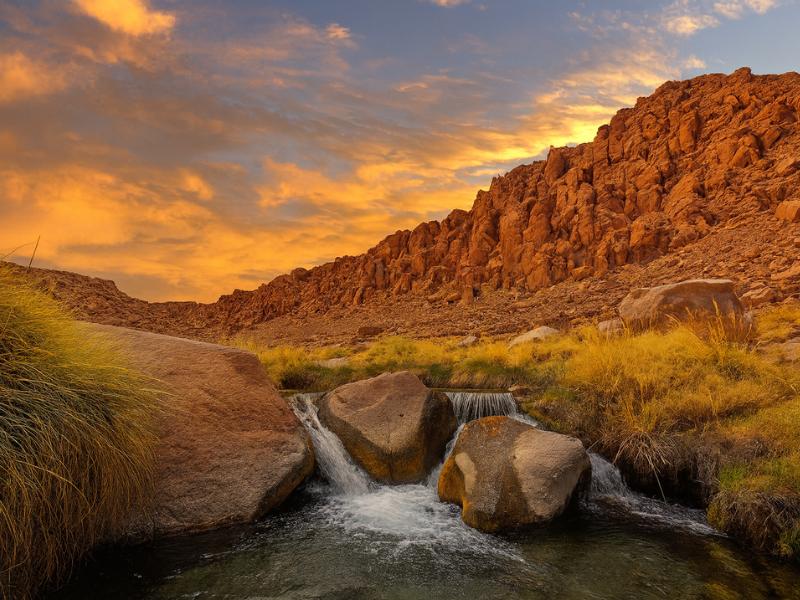
Extreme temperature swings show 30-35°C midday dropping to 0-10°C nighttime creating 20-30°C daily variation requiring both hot-weather and cold-weather gear in single luggage.
Multiple altitude zones demand different clothing with San Pedro 2,400m being moderate, El Tatio 4,300m being alpine extreme cold, and Altiplanic Lagoons 4,000-4,300m requiring sustained cold-weather preparation.
Intense UV radiation at altitude demonstrates 2,400m creating 25-30% stronger sun versus sea level, 4,300m being 40-50% stronger requiring industrial-strength protection preventing severe burns.
Extreme aridity <1% humidity causes rapid dehydration, skin cracking, lips splitting, electronics static damage requiring specialized moisture protection and hydration strategies.
Table: Why Atacama Desert Packing Is Different from Typical Travel
| Unique Condition | Atacama Reality | Typical Destination | Packing Impact | If You Pack Wrong |
|---|---|---|---|---|
| Temperature Swings | 30-35°C day → 0-10°C night (25-30°C range) | 10-15°C variation typical | Need both summer + winter clothes | Freezing at night or overheating day |
| Altitude Range | 2,400m town → 4,300m tours | Sea level to 1,000m typical | Multiple climate zones single trip | Altitude sickness, hypothermia risk |
| UV Intensity | 40-50% stronger at 4,300m altitude | Sea level standard | Military-grade sun protection | Severe burns even 30 minutes |
| Humidity | <1% extreme aridity | 30-60% typical | Aggressive moisturizing, hydration | Cracked lips, bloody noses, dehydration |
| Dust Exposure | Constant fine desert/salt dust | Minimal | Protective bags, lens cleaning | Damaged electronics, ruined camera |
| Pre-Dawn Tours | 4am El Tatio departure in darkness | Daytime activities | Headlamp, warm layers worn sleeping | Miss tour, dangerous stumbling |
| Hot Springs | Thermal pools available multiple sites | Rare | Swimsuit, towel essential | Miss experiences, no rentals |
| Limited Shopping | Small town, expensive, limited selection | Major city access | Bring everything critical | Pay 2-3x price, limited options |
| Altitude Tours | Sustained 4,000-4,300m exposure | Brief mountain passes | Altitude medication, warm gear | Altitude sickness ruins $60-80 tour |
Temperature swing magnitude shows 25-30°C daily variation being extreme versus typical travel destinations experiencing 10-15°C requiring packing both lightweight breathable clothes and heavy insulation.
The altitude layering demonstrates San Pedro 2,400m base needing moderate layers, El Tatio 4,300m requiring expedition-level warmth (-15°C to -25°C predawn), creating multiple wardrobe needs single trip.
UV intensity multiplication shows 4,300m altitude creating 40-50% stronger radiation versus sea level, with desert lack of shade and high-altitude thin atmosphere amplifying exposure requiring SPF 50+ reapplication every 60-90 minutes.
Extreme aridity impact demonstrates <1% humidity (versus typical 30-60%) causing rapid moisture loss from skin, lips, nasal passages creating cracking, bleeding, discomfort requiring aggressive lip balm, moisturizer, saline spray.
The dust omnipresence shows gravel roads, salt flats, wind creating constant fine particulate exposure requiring waterproof bags protecting electronics, frequent lens cleaning, dust-proof luggage.
Pre-dawn timing necessity shows El Tatio 4am departure, some stargazing 8-9pm, creating darkness navigation needs versus typical daytime tourism requiring headlamp, phone light backup.
Hot springs frequency demonstrates Puritama, El Tatio, occasional others providing thermal bathing requiring swimsuit and towel (tours don’t provide) versus typical travel rarely needing swim gear.
The shopping limitation shows San Pedro being small town (2,000 residents) with limited stores charging inflated tourist prices (sunscreen $12-18 vs $6-8 major cities) creating bring-from-home necessity.
Altitude sustained exposure shows 7-12 hour tours at 4,000-4,300m (El Tatio, Altiplanic Lagoons) requiring preventative altitude medication versus brief mountain passes requiring no preparation.
Once the bag is planned, compare dates for the 3-day San Pedro combo with 4 tours if you want several of the outings this list is built around on one booking.
Essential Clothing by Season
Summer December-February requires lightweight breathable daytime clothes (t-shirts, shorts/pants, sun hat) plus moderate evening layers (fleece, light jacket for 10-15°C nights) with heavy warmth only for altitude tours.
Winter June-August demands heavy insulation with down jacket essential even San Pedro evenings (5-10°C), extreme cold gear for El Tatio (-15°C to -25°C predawn), and comprehensive layering all tours.
Shoulder seasons March-May and September-November provide moderate conditions requiring versatile mid-weight layers, fleece for evenings (10-20°C), and standard cold-weather gear for altitude tours.
Year-round essentials include sun protection clothing (long-sleeve sun shirt, wide-brim hat), closed-toe walking shoes, warm layers for altitude regardless of season, and layering flexibility.
Depending on whether you’re visiting Atacama in winter / summer / spring & fall, road conditions change dramatically – winter can bring flash floods to dry riverbeds, and you won’t know about closures until you’re already there.
Table: Atacama Clothing by Season Complete Guide
| Season | Daytime Temp | Nighttime Temp | San Pedro Evening | El Tatio Sunrise | Clothing Strategy | Pack Priority |
|---|---|---|---|---|---|---|
| Summer (Dec-Feb) | 30-35°C | 10-15°C | Light jacket, long pants | Down jacket, thermals, gloves | Lightweight focus + altitude cold gear | 60% light, 40% warm |
| Autumn (Mar-May) | 20-28°C | 5-15°C | Fleece, jacket | Down jacket, thermals, gloves | Versatile mid-weight layers | 50% medium, 50% warm |
| Winter (Jun-Aug) | 15-25°C | 0-10°C | Heavy jacket, warm layers | Expedition down, heavy thermals, balaclava | Cold-weather focus | 30% medium, 70% heavy warm |
| Spring (Sep-Nov) | 20-28°C | 5-15°C | Fleece, light jacket | Down jacket, thermals, gloves | Versatile transitional | 50% medium, 50% warm |
Summer lightweight emphasis shows t-shirts, shorts, sun shirts, light long pants being primary with single fleece and light jacket handling evenings versus heavy down only for El Tatio altitude.
The winter heavy focus demonstrates warm jacket needed San Pedro evenings (0-10°C), expedition-grade down for El Tatio (-15°C to -25°C), thermal underwear mandatory versus summer optional creating pack-space dominance.
Shoulder season versatility requires mid-weight layers (long-sleeve shirts, light fleece, convertible pants) handling moderate 20-28°C days and 5-15°C evenings while maintaining altitude tour preparation.
Altitude tour consistency shows regardless of season, El Tatio (book tour here) requiring extreme cold gear (-10°C to -25°C depending on month) and Altiplanic Lagoons needing warm layers (midday 5-15°C at 4,000m+).
The packing proportion shift demonstrates summer focusing 60% lightweight breathable clothes, 40% cold-weather gear versus winter inverting to 30% moderate daytime, 70% heavy insulation for cold tours/evenings.
Evening temperature drop shows San Pedro cooling 15-25°C from midday peak creating jacket necessity even summer (10-15°C evenings) versus winter requiring heavy coat (0-10°C).
Layering system universal applies all seasons with base layer (t-shirt or thermal) + mid-layer (long-sleeve or fleece) + outer layer (light jacket or down) enabling adjustment throughout day.
Tour-specific needs demonstrate Valle Luna sunset requiring light evening layers, El Tatio needing expedition warmth, Altiplanic sustained moderate cold, Puritama hot springs needing swimsuit creating variety.
The best time to visit Atacama desert affects more than just weather – winter can bring occasional flash floods to dry riverbeds, and rental car drivers won’t have guides’ local knowledge about which roads to avoid.
What Footwear Should You Bring in Atacama?
Closed-toe walking shoes or light hiking boots essential for all tours show uneven terrain (gravel, rocks, stairs) making sandals/flip-flops dangerous except accommodation/shower use only.
Primary footwear features demonstrate closed-toe protection, ankle support optional but helpful, broken-in comfort (not brand new causing blisters), dust resistance, and breathable mesh versus waterproof unnecessary.
Secondary sandals useful show waterproof sandals or flip-flops for accommodation, hot springs, evening casual wear, and post-tour comfort though not for actual touring.
Sock strategy requires 5-7 pairs (one per day plus extras) with moisture-wicking synthetic or wool (never cotton staying wet) preventing blisters from day-long walking and altitude tours.
Table: Footwear Complete Guide for Atacama Desert
| Footwear Type | When to Use | Why Essential | Features Needed | Don’t Use For | Pack How Many |
|---|---|---|---|---|---|
| Primary: Hiking Boots or Trail Shoes | All tours (Valle Luna, El Tatio, Altiplanic, etc) | Uneven terrain, gravel, stairs, ankle support | Closed-toe, broken-in, breathable, supportive | Accommodation only | 1 pair (wear throughout) |
| Alternative: Athletic Sneakers | All tours if comfortable walking | Lighter than boots, adequate most terrain | Closed-toe, good tread, supportive | Very rocky terrain | 1 pair |
| Secondary: Waterproof Sandals | Hot springs, accommodation, evening casual | Hot springs pools, shower shoes, relaxing | Water-resistant, secure straps | Never actual tours | 1 pair |
| Winter Addition: Warm Socks | El Tatio predawn, evening cold | Feet freeze first at altitude/cold | Thick wool or synthetic, not cotton | Summer tours (too hot) | 2-3 pairs winter |
| NOT Recommended: Flip-Flops | Accommodation shower ONLY | Unsafe all tours, twisted ankle risk | N/A – bring but don’t tour | Any walking tours | 1 pair shower only |
Hiking boots vs trail shoes shows boots providing more ankle support and durability for rocky terrain though trail shoes being lighter and faster-drying working well for most visitors.
The athletic sneakers alternative demonstrates comfortable broken-in running or walking shoes being adequate for Valle Luna, Cejar, Puritama though hiking boots preferable for Altiplanic‘s extended rocky terrain.
Closed-toe universality shows 100% of tours requiring substantial footwear with flip-flops/sandals being dangerous on Valle Luna gravel, El Tatio boardwalks (slippery), Altiplanic Lagoons rocks.
Waterproof sandals dual-purpose provides hot springs pools (Puritama, El Tatio) requiring footwear plus accommodation comfort and evening casual wear creating worthwhile pack space despite not touring.
The broken-in necessity demonstrates new shoes causing blisters on multi-hour tours (Valle Luna 2-3km walking, Altiplanic 3-4km) requiring wearing primary shoes minimum 2-3 times before trip.
Sock moisture-wicking importance shows cotton absorbing sweat staying wet creating blisters and cold feet versus synthetic or merino wool wicking moisture away maintaining comfort and warmth.
Winter foot warmth demonstrates thick wool or synthetic socks being essential El Tatio predawn (-15°C to -25°C) with feet freezing first at altitude versus summer needing only standard athletic socks.
The dust exposure reality shows desert fine particulate entering shoes requiring evening shoe-shaking and accepting dust inevitability versus attempting to stay pristine being futile.
Pack quantity shows single primary pair (worn throughout trip) plus secondary sandals (hot springs, casual) being adequate with daily sock changes (5-7 pairs) maintaining hygiene.
Elevation gain consideration demonstrates most tours being relatively flat (Valle Luna gentle slopes, El Tatio boardwalks level) though Altiplanic (book tour here) including optional short hikes benefiting from hiking boot support.
Sun Protection Essentials You Cannot Skip
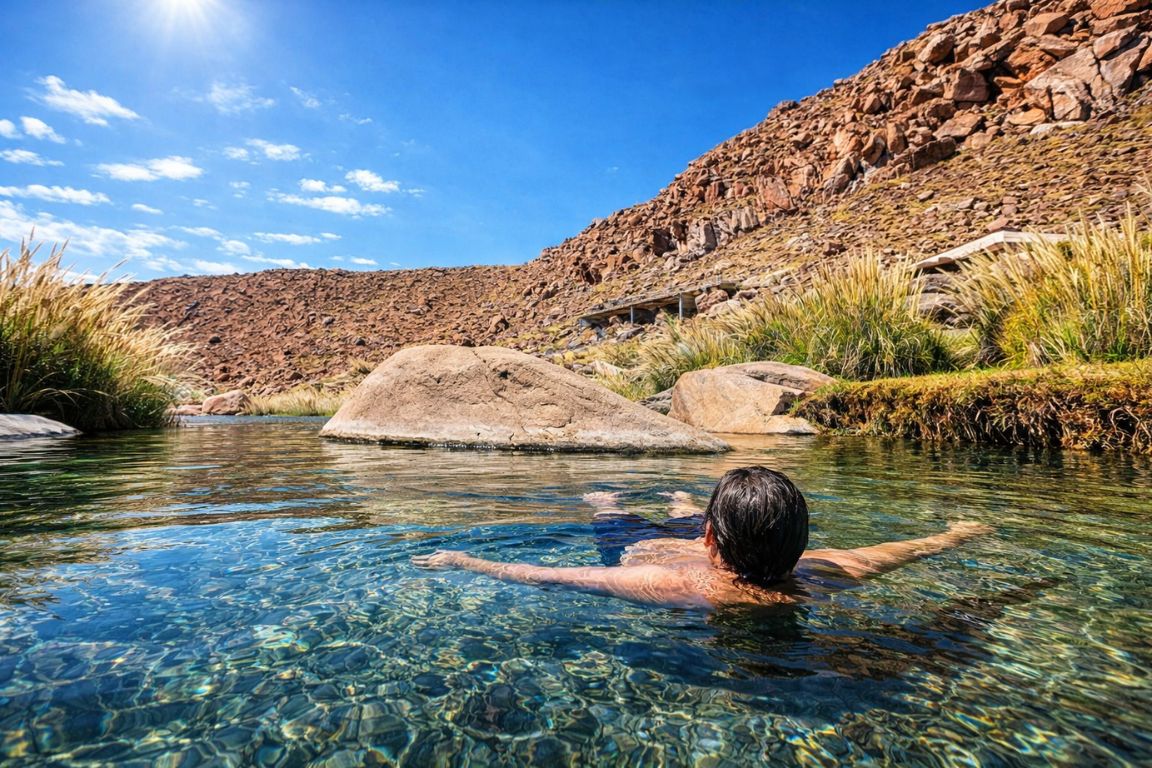
Sunscreen SPF 50+ absolutely critical shows 2,400m altitude creating 25-30% stronger UV, 4,300m being 40-50% stronger requiring highest protection reapplied every 60-90 minutes preventing severe burns.
Quality sunglasses UV400-rated essential demonstrates intense bright desert light plus high-altitude radiation damaging eyes with cheap $5-10 sunglasses lacking proper UV protection being dangerous false security.
Sun hat wide-brim necessary provides face, ears, neck protection with baseball caps leaving ears/neck exposed causing burns versus wide-brim (8-10cm minimum) blocking all angles.
Lip balm SPF-rated prevents painful splitting from extreme <1% humidity and intense UV with regular lip balm being inadequate versus SPF 30+ formulations protecting and moisturizing.
Table: Complete Sun Protection Packing Guide
| Item | Priority | SPF/Rating Needed | Why Critical Atacama | Quantity | Cost if Buying There | Usage Frequency |
|---|---|---|---|---|---|---|
| Sunscreen SPF 50+ | CRITICAL | SPF 50 or higher | 40% stronger UV at 4,000m+, zero shade | 200-250ml bottle | $12-18 (2x home price) | Reapply every 60-90 min |
| Sunglasses UV400 | CRITICAL | UV400 or 100% UV protection | Intense desert glare, altitude amplifies | 1 pair + backup | $20-80 (limited selection) | Wear all daylight hours |
| Wide-Brim Sun Hat | CRITICAL | N/A (physical barrier) | Protects face/ears/neck, no shade anywhere | 1 hat | $15-35 | Wear all outdoor time |
| Lip Balm SPF 30+ | Very Important | SPF 30 minimum | Extreme aridity <1% humidity, UV intense | 2-3 sticks | $5-10 | Reapply hourly |
| Sun Shirt Long-Sleeve | Recommended | UPF 50 fabric ideal | Physical barrier better than constant reapplication | 1-2 shirts | $30-60 | Midday peak sun |
| Buff/Neck Gaiter | Recommended | N/A | Protects neck, versatile dust protection | 1 | $10-20 | Windy/dusty conditions |
| Sun Gloves | Optional | N/A | Hands burn during driving/tours | 1 pair | $10-25 | Long exposure days |
Sunscreen quantity shows 200-250ml bottle being adequate 7-10 day trip with frequent reapplication (every 60-90 minutes outdoor) versus single small 50ml travel bottle being grossly insufficient.
The SPF 50+ requirement demonstrates anything lower being inadequate at altitude with SPF 30 providing insufficient protection at 4,300m creating burns within 60 minutes versus SPF 50 extending to 2+ hours.
Sunglasses quality critical shows UV400 rating (blocking 99-100% UVA/UVB) being essential versus cheap $5-10 sunglasses often blocking only 70-80% UV providing false security while eye damage occurring.
Wide-brim dimension shows 8-10cm brim minimum (3-4 inches) providing adequate coverage versus 5cm baseball cap leaving ears and neck exposed receiving severe burns.
The lip balm SPF necessity demonstrates altitude and aridity creating cracking within days with regular non-SPF balm providing moisture but zero UV protection versus SPF 30+ preventing burns and splitting.
Physical barrier advantage shows long-sleeve sun shirts (UPF 50 fabric) blocking UV completely versus constant sunscreen reapplication being tedious and incomplete coverage creating burn spots.
Buff versatility provides neck protection (sun or dust), dust mask (gravel road travel), headband (sweat management), scarf (evening warmth) creating multi-purpose utility justifying pack space.
The cost differential demonstrates San Pedro sunscreen being $12-18 (versus $6-8 home), sunglasses limited selection expensive, making bring-from-home strategy saving $30-80 over buying locally.
Reapplication reality shows 60-90 minute intervals being necessary versus typical 2-3 hour land application due to intense UV, sweating from exertion, and towel contact (hot springs) removing protection.
Water reflection amplification demonstrates salt flats (Cejar, Tebinquinche) and water features doubling UV exposure bouncing rays from below requiring facial sunscreen under-chin and neck-underside application.
Altitude and Health Essentials
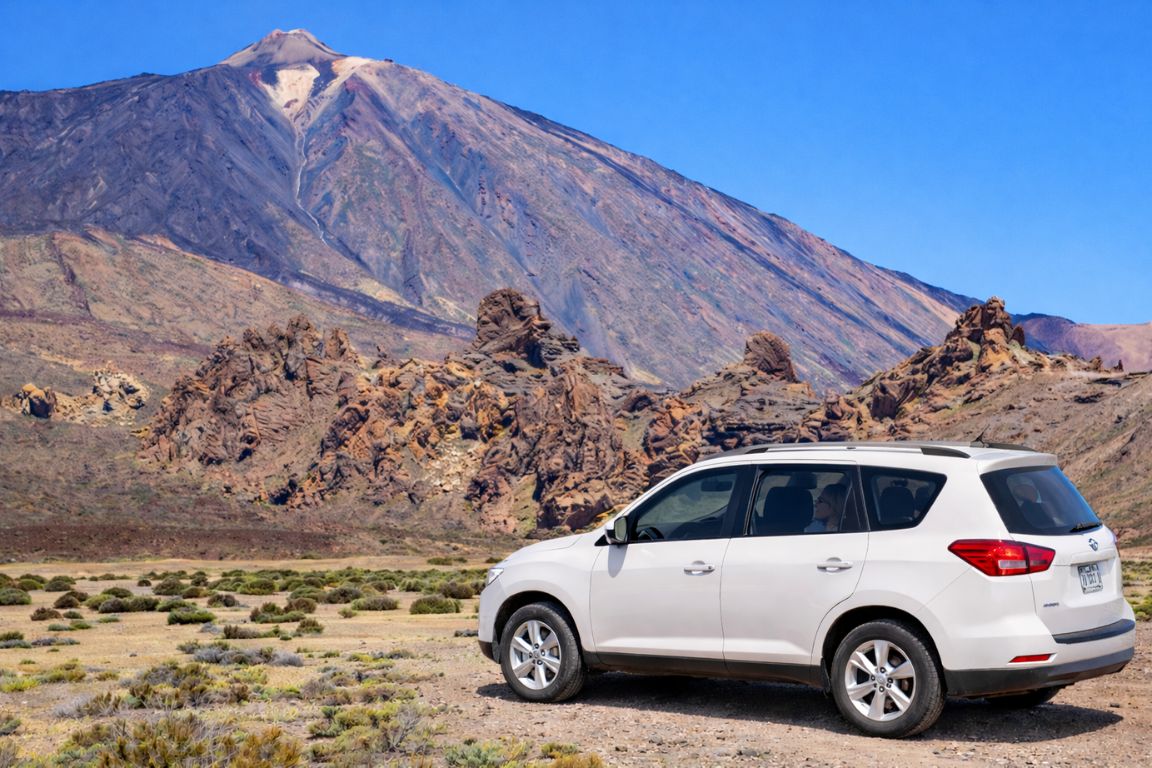
Altitude medication (Diamox) prescription recommended shows preventative use 1-2 days before high-altitude tours (El Tatio 4,300m, Altiplanic 4,000m+) reducing altitude sickness risk from 30-40% to 10-15%.
Coca tea alternative demonstrates over-counter option (legal in Chile, banned most other countries) helping mild symptoms though less effective than prescription Diamox for serious prevention.
High-capacity water bottles 2-3L total show extreme dehydration risk from altitude (increased breathing), aridity (<1% humidity), and physical exertion requiring double typical hydration versus 1L being grossly inadequate.
Basic first aid supplies include altitude sickness medication, headache relief (ibuprofen, acetaminophen), anti-nausea (Dramamine for altitude or motion sickness), antihistamine (dust allergies), band-aids (blisters).
Beyond the general safety in San Pedro considerations, rental car drivers face unique risks – breakdowns in remote areas, altitude emergencies without support, getting stranded overnight in freezing temperatures.
Table: Altitude and Health Packing Essentials
| Item | Priority | Why Needed | When to Use | Quantity | Can Buy San Pedro? | Alternative |
|---|---|---|---|---|---|---|
| Altitude Medication (Diamox) | Highly Recommended | Prevents altitude sickness 4,000m+ tours | Start 1-2 days before El Tatio/Altiplanic | 3-5 tablets | Yes (pharmacy, expensive) | Coca tea (less effective) |
| Water Bottles 2-3L Total | CRITICAL | Extreme dehydration at altitude + aridity | All tours, throughout day | 2-3 bottles | Yes ($5-15) | Hydration bladder |
| Ibuprofen/Acetaminophen | Important | Altitude headaches, general pain relief | As needed altitude tours | 10-20 tablets | Yes | N/A |
| Anti-Nausea (Dramamine) | Recommended | Altitude sickness, motion sickness gravel roads | If symptoms appear | 5-10 tablets | Yes | Ginger tablets |
| Antihistamine | Recommended | Dust allergies common, dry air irritation | If allergic reactions | 5-10 tablets | Yes | N/A |
| Saline Nasal Spray | Recommended | Extreme aridity causes bloody noses | Daily preventative | 1 bottle | Yes | Vaseline nostrils |
| Moisturizer/Lotion | Important | Skin cracks from <1% humidity | Daily application | 100ml bottle | Yes | Body oil |
| Hand Sanitizer | Recommended | Limited facilities remote tours | Before eating, post-bathroom | 60ml bottle | Yes | Wet wipes |
| Electrolyte Powder | Recommended | Replace minerals from extreme sweating | Add to water daily | 10-15 packets | Limited | Sports drinks |
Diamox preventative timing shows starting 1-2 days before high-altitude exposure enabling body adjustment versus taking only when symptoms appear being less effective preventing rather than treating.
The water quantity 2-3L demonstrates minimum hydration needs with altitude increasing respiration (water loss through breathing), extreme aridity, walking exertion requiring triple sea-level consumption.
Headache relief necessity shows altitude headaches affecting 40-60% of visitors at 4,000m+ with ibuprofen or acetaminophen providing symptomatic relief while body acclimatizes over 24-48 hours.
Anti-nausea dual-purpose covers altitude sickness nausea (affecting 20-30% at 4,000m+) plus motion sickness from rough gravel roads (2+ hour drives to El Tatio, Altiplanic) creating worthwhile inclusion.
The antihistamine value shows desert dust exposure triggering allergies in 15-25% visitors with constant fine particulate from gravel roads, salt flats, wind creating irritation requiring medication.
Saline nasal spray prevention demonstrates extreme <1% humidity causing nasal membrane drying, cracking, bleeding (affecting 30-40% visitors) with spray maintaining moisture preventing painful bloody noses.
Moisturizer aggressive use shows daily full-body application being necessary versus home occasional-use with <1% humidity extracting skin moisture creating cracking, tightness, discomfort within 2-3 days.
The hand sanitizer importance demonstrates remote tour locations having limited or basic bathroom facilities (pit toilets, no soap) requiring portable hygiene maintaining health standards.
Electrolyte replacement shows extreme sweating from dry heat plus altitude exertion depleting sodium, potassium, magnesium requiring supplementation beyond water alone preventing weakness and cramping.
Hydration bladder alternative demonstrates CamelBak-style systems enabling hands-free sipping during tours though bottles being simpler, easier to refill, and adequate for most visitors.
Photography Equipment and Electronics
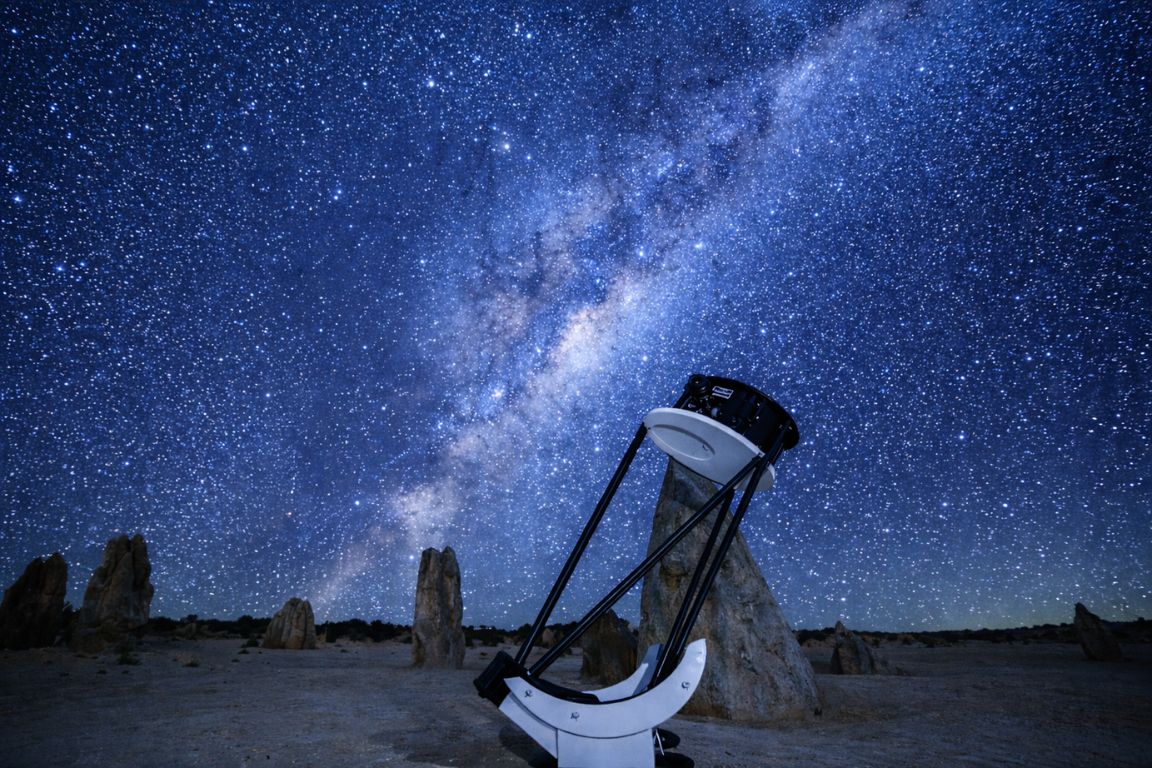
Camera body and lenses bring weather-sealed if possible show dust infiltration being constant from gravel roads, salt exposure requiring protective measures versus pristine environment allowing casual gear.
Extra batteries 4-6 total demonstrate cold draining capacity 40-60% (El Tatio predawn -15°C to -25°C) requiring triple normal backup versus warm environments needing single spare.
Memory cards multiple show 64GB+ per card with extensive photography opportunities (Valle Luna sunset 50-100 shots, El Tatio 100-200 shots) requiring adequate storage versus running full mid-tour.
Lens cleaning supplies essential include microfiber cloth, rocket blower, lens cleaning solution for constant dust exposure requiring multiple daily cleanings maintaining image quality.
Table: Photography and Electronics Complete Packing Guide
| Item | Priority | Why Atacama-Specific | Quantity | Protection Needed | Common Mistake |
|---|---|---|---|---|---|
| Camera Body | Primary gear | World-class landscapes, astrophotography | 1-2 bodies | Dust-proof bag, silica gel packets | Assuming dust-free environment |
| Extra Batteries | CRITICAL | Cold drains 40-60%, El Tatio predawn -20°C | 4-6 total | Keep warm in inner jacket pocket | Bringing only 1-2 spares |
| Memory Cards 64GB+ | Important | 100-300 photos per tour typical | 2-3 cards | Waterproof case | Single 32GB insufficient |
| Lens Cleaning Kit | CRITICAL | Constant dust/salt requiring daily cleaning | 1 complete kit | N/A | Thinking won’t need it |
| Tripod | Recommended | Astrophotography, sunset long exposures | 1 lightweight | Padded bag | Bringing heavy studio tripod |
| Weatherproof Camera Bag | Important | Dust and salt infiltration constant | 1 bag | Built-in rain cover | Regular backpack |
| Phone Power Bank | Recommended | Long tour days, extensive photography | 10,000mAh+ | Dustproof case | Small 5,000mAh capacity |
| Universal Power Adapter | CRITICAL | Chile uses Type C/L plugs | 1-2 adapters | N/A | Assuming USB charging only |
| Headlamp | Important | 4am El Tatio, evening darkness | 1 lamp | Red light mode | Phone flashlight only |
| GoPro/Action Camera | Optional | Hot springs, salt cave, adventure | 1 camera | Waterproof housing | Regular camera at water |
Camera weather-sealing value shows dust and salt being corrosive with fine particles infiltrating lens mechanisms requiring weather-sealed gear (Olympus OM-D, Pentax K-series, higher-end Canon/Nikon) or protective rain cover.
The battery quantity 4-6 demonstrates El Tatio requiring 2-3 batteries (cold drain plus 3-hour shooting), regular tours 1-2, with charging overnight meaning rotating stock versus running completely dry.
Memory card capacity shows 100-300 photos per major tour (Valle Luna sunset 50-100, El Tatio 100-200, Altiplanic 100-200, stargazing 50-150) requiring 64GB minimum versus 32GB filling mid-trip.
Lens cleaning frequency demonstrates dust exposure requiring 3-5 cleanings daily (morning, post-gravel-road-travel, mid-tour, post-tour, evening) maintaining optical quality versus assuming clean environment.
The tripod necessity shows astrophotography requiring stable platform (multi-second exposures), sunset long exposures (dramatic sky movement), though lightweight travel tripod (<1kg) adequate versus heavy studio version.
Camera bag weatherproofing importance demonstrates dust infiltration through zippers, seams requiring rain cover or built-in weather protection versus standard backpack allowing particulate entry damaging gear.
Power bank capacity shows 10,000mAh minimum supporting 2-3 full phone charges enabling all-day photography, GPS, flashlight without anxiety versus small 5,000mAh single charge being inadequate.
The power adapter necessity demonstrates Chile using Type C and Type L outlets (European two-prong and three-prong Italian) requiring adapter versus relying only on USB charging (wall adapters needed).
Headlamp red light mode shows preserving night vision for stargazing, astrophotography, 4am El Tatio (book tour here) predawn navigation versus white light destroying dark adaptation requiring 20-30 minute recovery.
Astronomy in Atacama desert requires serious equipment that rentals don’t provide – professional tours deliver telescope access and astronomy expertise that DIY stargazing simply can’t match.
GoPro waterproof advantage enables hot springs photography (Puritama, El Tatio), salt cave cramped spaces, sandboarding, creating adventure documentation impossible with standard camera.
Toiletries and Personal Items
Moisturizer heavy-duty show extreme <1% humidity requiring aggressive hydration with thick cream (CeraVe, Eucerin, Cetaphil) versus light lotion being inadequate preventing skin cracking within days.
Lip balm multiple sticks demonstrate constant reapplication need from aridity and UV with single stick being inadequate versus 2-3 sticks rotating use throughout day.
Shampoo and soap minimal quantities sufficient show San Pedro accommodations providing basic toiletries with small travel-size bottles being adequate supplementing versus packing full-size products wasting space.
Toothpaste and toothbrush standard show bringing own preferred brands versus relying on accommodation provision creating comfort and consistency.
Table: Toiletries and Personal Items Packing Guide
| Item | Priority | Atacama-Specific Need | Quantity | Can Buy There? | Pack Size |
|---|---|---|---|---|---|
| Heavy Moisturizer/Body Cream | CRITICAL | <1% humidity causes severe cracking | 100-200ml | Yes | Travel bottle adequate |
| Lip Balm SPF 30+ | CRITICAL | Lips split/bleed from aridity + UV | 2-3 sticks | Yes | Standard size |
| Shampoo/Conditioner | Low Priority | Most accommodations provide | 50ml travel | Yes | Small bottles only |
| Body Soap | Low Priority | Accommodations provide | Bar or 50ml | Yes | Minimal |
| Toothpaste/Toothbrush | Important | Standard hygiene | Standard size | Yes | Normal quantity |
| Deodorant | Important | Extreme dry heat, exertion | 1 stick/spray | Yes | Standard size |
| Razor/Shaving | Optional | Don’t shave 24hr before Cejar (salt stings) | As needed | Yes | Standard |
| Feminine Hygiene | As Needed | Limited selection San Pedro | Full trip supply | Yes (limited) | Bring from home |
| Prescription Medications | CRITICAL | Limited pharmacy San Pedro | Full trip + extra | Some | Bring all from home |
| Contact Lens Solution | Important | Extreme aridity challenging for contacts | 100ml per week | Yes | Consider glasses instead |
| Nail Clippers/Tweezers | Recommended | Basic grooming | 1 set | Yes | Small travel set |
| Insect Repellent | Not Needed | Zero mosquitos in desert | N/A | N/A | Skip this |
Moisturizer quantity 100-200ml shows daily full-body application being necessary extreme aridity with travel-size bottle adequate 7-10 days though larger quantities (250ml+) beneficial longer trips.
The lip balm multiple sticks demonstrates carrying one in daypack (constant use during tours), one accommodation (morning/evening application), one backup preventing emergency purchase at inflated prices.
Shampoo minimalism shows most hostels/hotels providing basic shampoo and soap with small 50ml travel bottles supplementing personal preference versus packing full 250ml bottles wasting luggage space.
Deodorant necessity demonstrates extreme dry heat (30-35°C midday) plus tour walking exertion creating sweat despite low humidity requiring standard hygiene versus assuming dry climate prevents odor.
The shaving timing shows avoiding razors 24 hours before Laguna Cejar tour preventing salt-sting severe burning on recently-shaved skin (legs, armpits, face) creating painful experience.
Feminine hygiene supply demonstrates San Pedro having limited selection (basic options only) making bring-from-home strategy ensuring preferred brands adequate quantity versus local emergency purchase.
Prescription medication necessity shows bringing complete trip supply plus 3-5 day extra buffer accounting for delays versus assuming pharmacy availability (limited San Pedro, language barriers).
Contact lens challenge demonstrates extreme <1% humidity causing dryness, irritation, discomfort with many users switching to glasses during trip versus fighting continuous rewetting drops.
The insect repellent skip shows zero mosquitos in desert (too arid for breeding) making repellent unnecessary versus tropical destinations requiring DEET creating luggage space savings.
Nail care utility shows desert hiking causing nail damage, hangnails, requiring clippers/tweezers for basic grooming preventing discomfort versus assuming won’t need during week-long trip.
What NOT to Bring to Atacama Desert
Cotton clothing base layers stay wet from sweat remaining damp uncomfortable versus synthetic or merino wool wicking moisture maintaining comfort despite exertion.
Excessive clothing beyond 5-7 days shows laundry services available San Pedro ($5-15 full load) enabling clothing rotation versus packing 10-14 day supply wasting space.
Heavy toiletries full-size show accommodations providing basics with travel-size bottles or purchasing locally being adequate versus packing full shampoo bottles, large moisturizer containers.
Valuable jewelry gets damaged by salt exposure, dust, potential loss during active tours versus leaving expensive items home preventing damage or theft stress.
Table: What NOT to Pack for Atacama Desert
| Item to Skip | Why Leave Home | Common Assumption | Reality | What to Bring Instead |
|---|---|---|---|---|
| Cotton Base Layers | Stays wet from sweat, uncomfortable | “Comfortable soft fabric” | Synthetic or merino wool wicks | Moisture-wicking base layers |
| More Than 5-7 Days Clothing | Laundry available $5-15 | “Need fresh outfit daily” | Rewear clothes, laundry midweek | 5-7 days, use laundry |
| Full-Size Toiletries | Accommodations provide, buy local | “Need my products” | Travel sizes adequate | 50ml bottles or buy there |
| Valuable Jewelry | Salt/dust damage, loss risk | “Want to look nice” | Casual environment, damage risk | Minimal simple pieces |
| Formal Clothing | 100% casual environment | “Might need dinner clothes” | Never needed anywhere | Casual comfortable only |
| Hair Dryer | Most accommodations provide | “Need for styling” | Usually provided, low priority | Check accommodation, usually have |
| Heavy Books | Dead weight, e-reader better | “Reading material” | E-reader 1,000 books vs 1kg | E-reader or 1 paperback |
| Umbrella | Zero rain during dry season | “Weather protection” | Never rains May-November | Sun hat, light rain jacket |
| Multiple Pairs Shoes | 1 primary + 1 sandal sufficient | “Need variety” | Same tours, same footwear | 1 hiking shoe + 1 sandal |
| Camping Gear | Tours provide all equipment | “Need outdoor gear” | All tours include equipment | Tours fully equipped |
| Snorkel/Dive Gear | No snorkeling/diving opportunities | “Water activities” | Only hot springs (no gear needed) | Swimsuit sufficient |
| Winter Coat (Summer Trips) | Down jacket adequate all seasons | “Extreme cold prep” | Summer needs moderate down only | Light down rated -10°C |
Cotton base layer problem shows absorbing sweat staying damp against skin creating discomfort especially altitude tours (increased sweating from exertion) versus synthetic polyester or merino wool wicking away.
The clothing excess shows 5-7 days being adequate with midpoint laundry ($5-15 full load, same-day service common San Pedro) enabling clean clothes versus packing 10-14 outfits filling entire luggage.
Full toiletries waste demonstrates travel-size 50ml shampoo, conditioner, soap being adequate 7-10 days with local purchase option ($5-15 products) versus 250ml bottles wasting 200-400ml luggage capacity.
Jewelry damage reality shows salt exposure (Cejar, Tebinquinche), dust, active tours (climbing dunes, walking rocks) tarnishing silver, damaging gold, losing pieces versus leaving valuables home.
The formal clothing futility demonstrates 100% casual environment with nicest restaurant in San Pedro (Adobe) being smart-casual at most (jeans, collared shirt acceptable) versus packing dress shoes, suits, formal dresses.
Hair dryer inclusion shows most hostels and all hotels providing dryers (though voltage requiring adapter) making personal dryer unnecessary versus assuming need bringing heavy appliance.
Book weight disadvantage demonstrates 500g paperback versus e-reader storing 1,000 books same weight creating obvious efficiency though single paperback being reasonable alternative.
The umbrella irrelevance shows May-November dry season having zero rain (0-3mm monthly precipitation) making umbrellas useless weight versus sun hat providing necessary protection.
Multiple shoe waste demonstrates single primary hiking shoe/sneaker plus one sandal being adequate entire trip versus packing 3-4 shoe pairs creating luggage bulk and weight.
Camping gear assumption shows stargazing tours, overnight experiences being fully-equipped (tents, sleeping bags provided) versus assuming need bringing personal gear creating 5kg unnecessary weight.
Packing by Specific Tour Requirements in Atacama
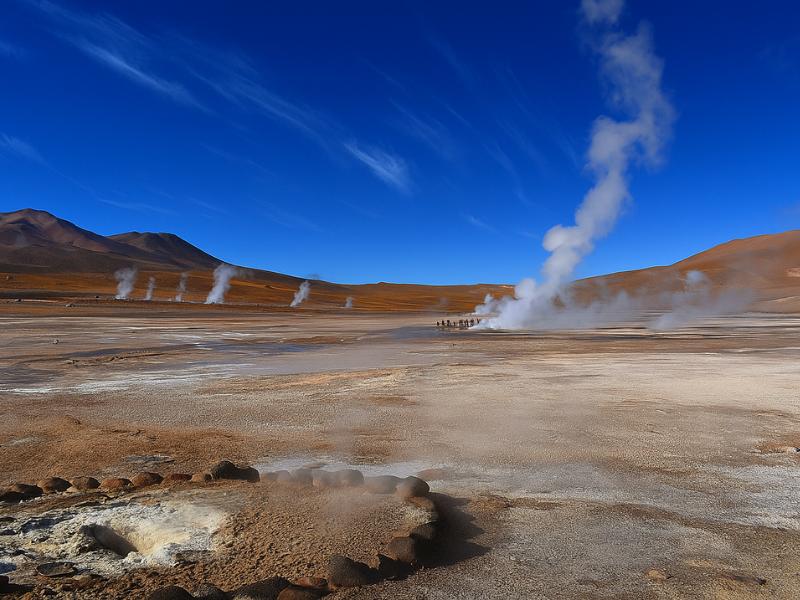
Valle de la Luna sunset requires comfortable closed-toe shoes, warm layer (15-20°C temperature drop post-sunset), headlamp (return after dark), camera, sun protection during 3-hour tour.
El Tatio geysers demands extreme cold gear (down jacket, thermals, gloves, warm hat for -10°C to -25°C), headlamp (4am predawn), swimsuit and towel (hot springs), extra camera batteries (cold drains).
Altiplanic Lagoons needs warm layers (sustained 4,000m altitude, midday 5-15°C), sun protection (intense altitude UV), altitude medication (preventative), snacks (lunch sometimes not included), camera gear.
Puritama hot springs (book tour here) requires swimsuit (worn under clothes), towel (tours don’t provide), waterproof sandals (slippery boardwalks), change of clothes, sun protection for outdoor pools.
Smart travelers using our booking Atacama tours: advance vs on arrival strategies often spend less than rental car drivers while maintaining schedule flexibility through strategic tour timing.
Table: Tour-Specific Packing Requirements Complete Guide
| Tour | Duration | Altitude | Key Items MUST Bring | Optional But Helpful | Don’t Need | Critical Mistake to Avoid |
|---|---|---|---|---|---|---|
| Valle de la Luna | 3 hrs | 2,400m | Closed-toe shoes, warm layer, headlamp, camera | Snacks, extra water | Heavy jacket (unless winter) | Flip-flops (dangerous terrain) |
| El Tatio Geysers | 7-8 hrs | 4,300m | Down jacket, thermals, gloves, hat, headlamp, swimsuit, towel, extra batteries | Hand warmers, balaclava | Umbrella, light jacket only | Inadequate warm layers |
| Altiplanic Lagoons | 10-12 hrs | 4,000-4,300m | Warm layers, altitude medication, sun protection, snacks, water 2-3L | Dramamine (motion sickness), extra camera batteries | Swimsuit (no swimming) | Booking Day 1-2 (altitude risk) |
| Stargazing | 2-3 hrs | 2,500-2,700m | Warm jacket (evening cool), red-light headlamp | Binoculars, camera + tripod | White flashlight (ruins vision) | White phone light |
| Laguna Cejar | 3-4 hrs | 2,300m | Swimsuit, towel, waterproof sandals, sunscreen, water 1-2L | Waterproof bag, change clothes | Heavy jacket (unless winter) | Not shaving 24hr before (salt sting) |
| Puritama Hot Springs | 3-4 hrs | 2,900m | Swimsuit, towel, warm layers (temp drop), sun protection | Waterproof phone case, book | Multiple towels (1 sufficient) | Forgetting towel entirely |
| Rainbow Valley | 4-5 hrs | 2,600-3,000m | Comfortable shoes, sun protection, warm layer, water | Camera, snacks | Heavy jacket (moderate altitude) | Inadequate sun protection |
Valle Luna evening cooling shows post-sunset temperature dropping 15-20°C within 30 minutes requiring fleece or light jacket versus relying on daytime t-shirt creating cold discomfort during drive home.
The El Tatio extreme preparation demonstrates heaviest packing needs any tour with expedition-level warmth (-15°C to -25°C predawn), pre-dawn darkness gear, hot springs bathing, altitude medication creating comprehensive list.
Altiplanic sustained altitude shows 10-12 hours at 4,000-4,300m requiring preventative altitude medication (Diamox 1-2 days before), warm layers (midday temperatures 5-15°C), extensive hydration (2-3L minimum).
Stargazing red light necessity demonstrates preserving dark-adapted night vision requiring headlamp red-light mode versus white phone flashlight destroying night vision needing 20-30 minute recovery.
The Cejar shaving timing shows avoiding razors 24 hours before visit preventing salt-sting burning on freshly-shaved skin (legs, armpits, face men) creating painful swimming versus smooth unshaved skin.
Puritama towel critical shows tours NOT providing towels despite hot springs being featured attraction with 70-80% of unprepared visitors suffering wet cold exit versus bringing compact quick-dry towel.
Tour duration correlation shows longer tours (Altiplanic 10-12 hours, El Tatio 7-8 hours) requiring more comprehensive packing (snacks, extra water, altitude medication) versus short tours (Valle Luna 3 hours) being minimal.
The altitude progression demonstrates 2,300-2,400m (Valle Luna, Cejar) requiring minimal special gear, 2,900m (Puritama) moderate preparation, 4,000-4,300m (El Tatio, Altiplanic) demanding maximum preparation.
Multiple tour day shows bringing all gear all days versus selective packing each tour with daypack carrying day-specific items (swimsuit Puritama day, extra batteries El Tatio day).
Our guide Atacama trip costs and budgeting shows realistic daily costs across categories – and rental cars consistently emerge as the worst value proposition compared to every other expense.
FAQs
What are the essential items for Atacama Desert?
Critical essentials: sunscreen SPF 50+ (200ml), quality UV400 sunglasses, wide-brim sun hat, down jacket (-10°C rated minimum), closed-toe hiking shoes, warm layers (fleece, thermal underwear), water bottles 2-3L total, altitude medication (Diamox or coca tea), headlamp, camera extra batteries, power adapter Type C/L. Temperature swings 25-30°C daily and altitude tours requiring comprehensive preparation.
How cold does Atacama get at night?
San Pedro 2,400m nighttime: summer 10-15°C, winter 0-10°C. El Tatio 4,300m predawn: summer -5°C to -15°C, winter -15°C to -25°C. Requires down jacket rated -10°C minimum year-round for altitude tours plus fleece and thermal layers. Daytime 25-35°C creating extreme 20-30°C temperature swings single day.
Can you buy sunscreen and supplies in San Pedro?
Yes but expensive and limited. Sunscreen $12-18 (vs $6-8 home), down jackets $150-250 limited selection (vs $80-150 home), outdoor gear premium prices. Better strategy: bring critical items from home. Exceptions: altitude medication cheaper San Pedro ($10-20 pharmacy vs $30-50 prescription home), coca tea only available locally.
What should I wear for El Tatio Geysers?
Extreme cold gear essential: down jacket rated -10°C to -20°C minimum, thermal underwear top/bottom, fleece mid-layer, warm hat covering ears, insulated gloves, warm socks. Plus: swimsuit worn under clothes (hot springs), towel, headlamp (4am predawn), sun protection (4,300m intense UV despite cold). Temperature -10°C to -25°C sunrise requiring expedition-level warmth.
Do I need hiking boots for Atacama tours?
Closed-toe walking shoes or light hiking boots mandatory. All tours have uneven terrain (gravel, rocks, stairs) making flip-flops/sandals dangerous. Hiking boots preferable (ankle support, durability) though comfortable broken-in sneakers adequate. Bring secondary waterproof sandals for hot springs and accommodation only. Never tour in open-toe footwear.
What type of luggage works best for Atacama?
Soft-sided backpack 60-70L or wheeled suitcase medium size (26″). San Pedro has cobblestone streets making wheels sometimes difficult though manageable. Backpack advantages: easier buses, fits overhead, hiking-friendly. Suitcase advantages: organized compartments, easier packing, familiar. Either works – choose based on overall travel style (multi-destination backpackers vs single-base visitors).
Complete Final Master Packing Checklist to Atacama Desert
CLOTHING:
- Base layers: 3-4 t-shirts, 2-3 long-sleeve shirts, 1-2 thermal underwear sets
- Mid-layers: 2 fleece or light jackets
- Outer layers: 1 down jacket (-10°C rated minimum), 1 light jacket/rain shell
- Bottoms: 2-3 long pants, 1-2 shorts (summer), 7 underwear, 2 sports bras
- Socks: 5-7 pairs moisture-wicking, 2-3 pairs warm (winter)
- Sleepwear: 1 set comfortable
- Swimsuit: 1 (hot springs – Puritama, El Tatio)
FOOTWEAR:
- Primary: Hiking boots or trail shoes (closed-toe, broken-in)
- Secondary: Waterproof sandals or flip-flops (accommodation, hot springs)
ACCESSORIES:
- Wide-brim sun hat (8-10cm brim minimum)
- Warm hat (covers ears)
- Gloves (insulated for altitude tours)
- Buff or neck gaiter
- Sunglasses UV400 (primary + backup)
- Watch or fitness tracker
SUN PROTECTION:
- Sunscreen SPF 50+ (200-250ml bottle)
- Lip balm SPF 30+ (2-3 sticks)
- After-sun moisturizer or aloe
TOILETRIES:
- Heavy moisturizer/body cream (100-200ml)
- Shampoo/conditioner (50ml travel size)
- Body soap or shower gel (50ml)
- Toothpaste and toothbrush
- Deodorant
- Razor and shaving supplies (avoid 24hr before Cejar)
- Feminine hygiene products (full supply)
- Contact lens solution (100ml per week) or glasses
- Nail clippers and tweezers
- Prescription medications (full supply + extra)
HEALTH & ALTITUDE:
- Altitude medication (Diamox prescription or coca tea)
- Ibuprofen or acetaminophen (pain relief)
- Anti-nausea medication (Dramamine)
- Antihistamine (allergies)
- Saline nasal spray (prevents bloody nose from aridity)
- Hand sanitizer (60ml)
- Basic first aid supplies (band-aids, antiseptic)
- Electrolyte powder or tablets (10-15 packets)
- Water bottles 2-3L total capacity
- Reusable water bottle or hydration bladder
ELECTRONICS & PHOTOGRAPHY:
- Camera body (weather-sealed if possible)
- Extra camera batteries (4-6 total for cold weather)
- Memory cards 64GB+ (2-3 cards)
- Lens cleaning kit (cloth, blower, solution)
- Tripod (lightweight for astrophotography)
- Weatherproof camera bag
- Phone and charger
- Power bank 10,000mAh+ (2 if winter)
- Universal power adapter Type C/L for Chile
- Headlamp with red light mode
- Extra charging cables (USB-C, Lightning)
- GoPro or action camera (optional – hot springs, adventure)
DAYPACK ESSENTIALS:
- Small backpack 15-25L
- Towel (compact quick-dry for hot springs)
- Plastic bags or dry bags (protection from dust)
- Snacks and energy bars
- Small flashlight or backup headlamp
- Multi-tool or pocketknife (checked luggage only)
- Notebook and pen
- Tissues and/or toilet paper
- Wet wipes
DOCUMENTS & MONEY:
- Passport (valid 6+ months)
- Travel insurance documents
- Tour confirmations (digital and printed)
- Accommodation confirmations
- Flight tickets
- Emergency contacts list
- Photocopies of all documents
- Credit cards (2 different cards)
- Cash US dollars $200-500 (ATMs limited, backup)
- Chilean pesos (for arrival, or exchange at airport)
- Money belt or hidden pouch
OPTIONAL BUT HELPFUL:
- E-reader or 1 paperback book
- Playing cards or travel games
- Binoculars (wildlife, stargazing)
- Travel pillow
- Earplugs and eye mask (for sleep)
- Dry bag or waterproof pouches
- Duct tape (small roll, repairs)
- Zip ties or paracord
- Carabiners (attach items to backpack)
- Spanish phrasebook or translation app downloaded offline
- Hand warmers (winter, chemical heat packs)
- Balaclava (winter El Tatio extreme cold)
Glossary
- Type C/L Plug: Chile electrical outlets using European two-prong (Type C) or Italian three-prong (Type L) requiring adapter for North American/British devices.
- UV400: Sunglasses rating indicating 99-100% UVA and UVB ray blocking essential for high-altitude sun protection preventing eye damage.
- Diamox (Acetazolamide): Prescription altitude sickness prevention medication reducing symptoms 50-70% when taken 1-2 days before high-altitude exposure (El Tatio 4,300m, Altiplanic 4,000m+).
- Moisture-Wicking Fabric: Synthetic (polyester) or natural (merino wool) materials pulling sweat away from skin maintaining comfort versus cotton absorbing moisture staying wet uncomfortable.
- SPF 50+: Sun Protection Factor rating blocking 98%+ UVB rays essential for extreme Atacama UV at 2,400-4,300m altitude where radiation 25-50% stronger than sea level.
Key Takeaways
- Atacama Desert packing requires preparation for extreme conditions including 25-30°C daily temperature swings (30-35°C midday dropping to 0-15°C nighttime), multiple altitude zones (2,400m San Pedro to 4,300m El Tati requiring different gear), intense UV radiation (40-50% stronger at altitude), and extreme <1% humidity causing rapid dehydration.
- Essential universal items: layered clothing system (lightweight breathable daytime, warm layers evening/altitude), sun protection SPF 50+ (200ml sunscreen, quality UV400 sunglasses, wide-brim hat, lip balm), closed-toe walking shoes or hiking boots (all tours have uneven terrain), down jacket (-10°C rated minimum for El Tatio/altitude tours even summer), headlamp (4am El Tatio predawn departure), swimsuit and towel (hot springs at Puritama and El Tatio, tours don’t provide), altitude medication (Diamox prescription or coca tea for 4,000m+ tours reducing sickness risk 30-40% to 10-15%), water bottles 2-3L total capacity (extreme dehydration risk altitude + aridity), camera extra batteries 4-6 (cold drains 40-60% capacity), power adapter Type C/L (Chile outlets European/Italian style).
- Seasonal variations: summer December-February needs 60% lightweight clothes, 40% warm gear with down jacket for altitude tours, winter June-August requires 70% heavy insulation for 0-10°C San Pedro evenings and -15°C to -25°C El Tatio predawn. Tour-specific packing: Valle Luna needs warm layer (15-20°C post-sunset drop) + headlamp (return after dark), El Tatio requires extreme cold gear (down jacket, thermals, gloves, hat) + swimsuit/towel + headlamp + extra batteries, Altiplanic needs warm layers (sustained 4,000m) + altitude medication + snacks (lunch sometimes not included), Puritama requires swimsuit + towel + sun protection.
- Buy at home strategy saves money: sunscreen $6-8 home vs $12-18 San Pedro, down jacket $80-150 home vs $150-250 limited selection there, hiking boots $60-120 home vs $100-180 there, quality sunglasses $20-60 home vs $40-100 limited there. Exceptions buy San Pedro: altitude medication Diamox $10-20 over-counter pharmacy (vs $30-50 prescription home), coca tea $3-8 (illegal export most countries).
- Common mistakes: overpacking clothing (50%, bring 5-7 days use laundry vs 10-14 days), inadequate warm layers (35-40%, forgetting El Tatio extreme cold), cheap sunglasses (30%, inadequate UV protection), no swimsuit/towel (60-70% bathers unprepared), single 1L water bottle (40%, need 2-3L), insufficient sunscreen (35%, need 200ml not 50ml), cotton base layers (25%, stays wet uncomfortable), no altitude medication (30-35%, preventable sickness).
- What NOT to bring: cotton base layers (stays wet), more than 7 days clothing (laundry available $5-15), full-size toiletries (travel sizes adequate), valuable jewelry (salt/dust damage), formal clothing (100% casual), umbrella (zero rain May-November), multiple shoe pairs (1 primary + 1 sandal sufficient). Luggage sizing: 3-5 days carry-on 40L (minimal streamlined), 6-10 days checked 60-70L (standard comprehensive), 11+ days large 70-80L (extended specialized). Pack 60-70% full departure leaving space for souvenirs return.
- Weight targets: carry-on 7-10kg, checked 15-20kg maximum avoiding overweight fees. Organization: packing cubes clothing, padded bag camera, waterproof bags toiletries, daypack 15-25L tour essentials. Preparation timeline: start list 2-3 weeks before, buy altitude medication 1-2 weeks advance, break in hiking shoes minimum 2-3 wears, test camera equipment including cold battery performance.
- Digital document copies: scan passport, insurance, confirmations email to self backup. Critical carry-on items: altitude medication, prescriptions, pain relief, camera (if valuable), single change clothes, essential toiletries (if checked bag delayed). Book at Atacama Chile Tours.
Written by experienced Atacama Desert travel specialist with expertise in extreme environment preparation, multi-altitude packing strategies, and optimizing luggage for Chile’s most challenging tourism destination ensuring visitors arrive properly equipped for 20-30°C temperature swings, sustained 4,000m+ altitude exposure, and comprehensive tour requirements. Date: December 29, 2025.
Choose The Experience To Pack For
Start with stargazing for an evening experience, or choose a daytime outing below. These are general recommendations; confirm the operator’s requirements for your party.
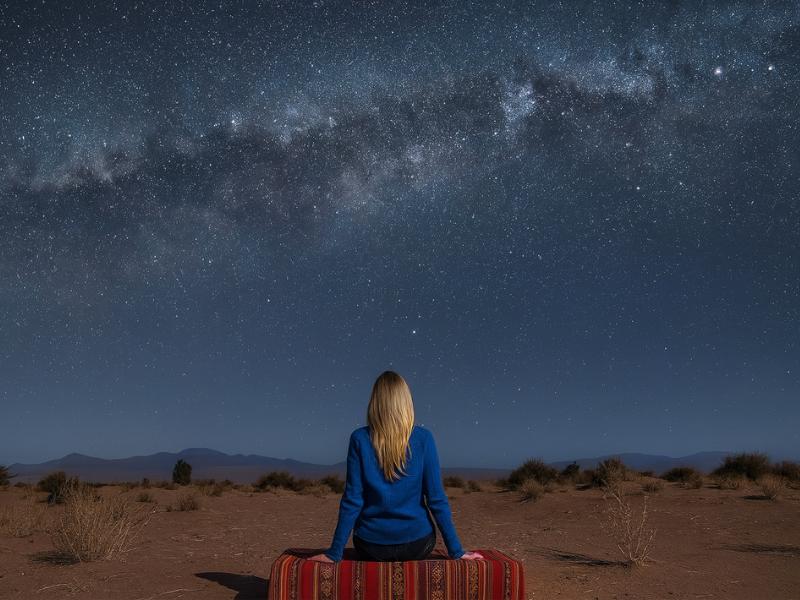
The Roofless Stargazing Experience
2–3 hours · Viator
Look through powerful telescopes, hear the stories behind the stars and take home a professional photo. Your warm layers have a night worth packing for.
Pack: Warm layers · Covered legs and feet
Inclusions & Participation
Telescope observation, astronomy talk, hot drinks and one professional photo per person. English offered; pickup excludes outlying accommodation.
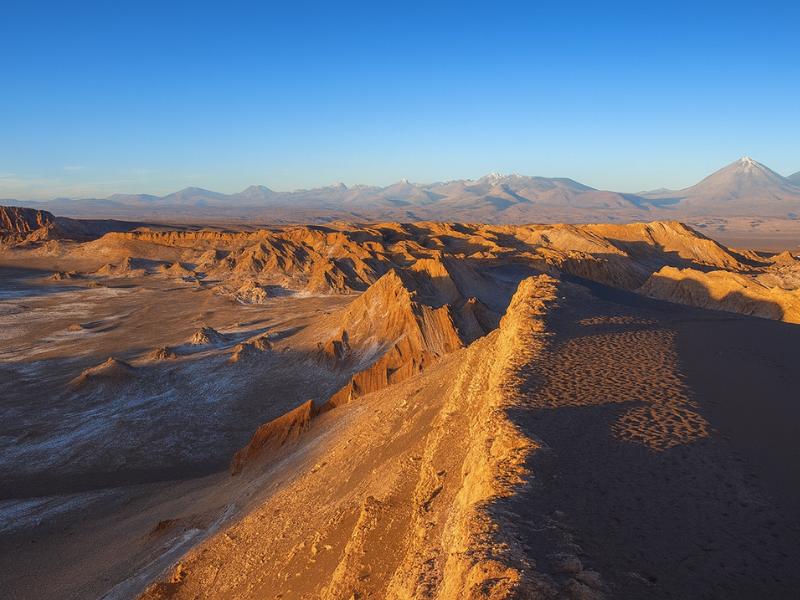
Valley Of The Moon
About 4 hours · Viator
Give your walking shoes an afternoon among salt formations, dunes and desert viewpoints, with a guide to explain what you are seeing.
Pack: Walking shoes · Sun protection · A warm layer
Inclusions & Participation
Shared transport and Spanish/English driver-guide. Meet at the operator’s office; admission is extra. Minimum age 7; moderate fitness required.
Puritama Hot Springs: AM Or PM
4.5 hours · GetYourGuide
Make room for warm-water pools in a desert canyon. Choose a morning or afternoon outing and leave the drive to the transfer service.
Pack: Swimwear · Towel · Water
Inclusions & Participation
Hotel pickup and return to central San Pedro. Bring swimwear and a towel; confirm the park admission charge for your selected option.
Bring Your Layers. Leave The Telescope To Them.
Choose your night before filling every evening. Telescope viewing and a photo are included.
Choose My Stargazing NightCheck What Is Left In Your Activity Budget
Use your own quotes, in the same currency. This calculates a budget balance, not a claimed tour saving.
Give Your Warm Layers A Stargazing Night
Choose your evening before arranging the rest of your nights. Telescope viewing, an astronomy talk and a photo give it a plan worth packing for.
Choose My Stargazing Date