Visiting Atacama in Winter / Summer / Spring & Fall: Complete Seasonal Guide
Best time to visit Atacama Desert—compare summer, winter, and shoulder seasons by weather, prices, and crowds to pick the perfect month for your trip.
Last updated: May 13, 2026
TL;DR
Atacama Desert is year-round destination with 300+ sunny days annually (95%+ clear weather probability regardless of season) though each season offering distinct advantages and challenges. Shoulder seasons (March-May spring, September-November fall) are optimal for most travelers showing 20-30% lower costs versus summer peak, comfortable temperatures (20-28°C days, 5-15°C nights), moderate crowds, excellent weather reliability (98% clear days), best availability and negotiation leverage creating ideal value-comfort balance. Summer (December-February) is peak season with highest costs (+30-40% typical, +50-80% Christmas week December 20-January 5), warmest temperatures (30-35°C days, 10-20°C nights), highest crowds (advance booking 8-12 weeks essential, Christmas 12-20 weeks critical), latest sunsets (Valle Luna 7:30-8:30pm spectacular), warmest Cejar water (18-22°C comfortable swimming 30-45 minutes) creating premium experience at premium price. Winter (June-August) is coldest season with lowest costs (20-30% below summer), coldest temperatures (20-28°C days, 0-10°C nights San Pedro, El Tati -20°C to -30°C predawn brutal), smallest crowds, earliest sunsets (Valle Luna 6-6:30pm), best stargazing (longest nights, clearest skies, Milky Way core visible), though Cejar water too cold (10-15°C, most tourists tolerating only 10-15 minutes) and extreme cold gear essential. Best time overall: April-May and September-October showing optimal weather (warm comfortable days, cool not freezing nights), 25-30% cost savings versus December-February, moderate crowds, excellent touring conditions, all activities accessible. Worst time: Christmas week December 20-January 5 showing extreme premiums (+50-80% costs), genuine sellouts requiring 12-20 weeks advance booking, massive crowds, though spectacular weather and festive atmosphere if budget permits. Second-best time: November and March showing transition seasons with good weather, moderate pricing (15-20% below peak), lower crowds than mid-summer. Acceptable compromise: January-February showing high costs and crowds though reliable weather, warm comfortable conditions, all tours operating normally. Challenging but manageable: June-July showing coldest conditions requiring comprehensive warm gear, though dramatically lower costs, minimal crowds, world-class stargazing creating value for hardy travelers.
Let The Month Shape The Outing
Choose what you want and the time you can give it. The result explains the trade-off before you open the booking page.
Year-Round Atacama Reality: What Never Changes
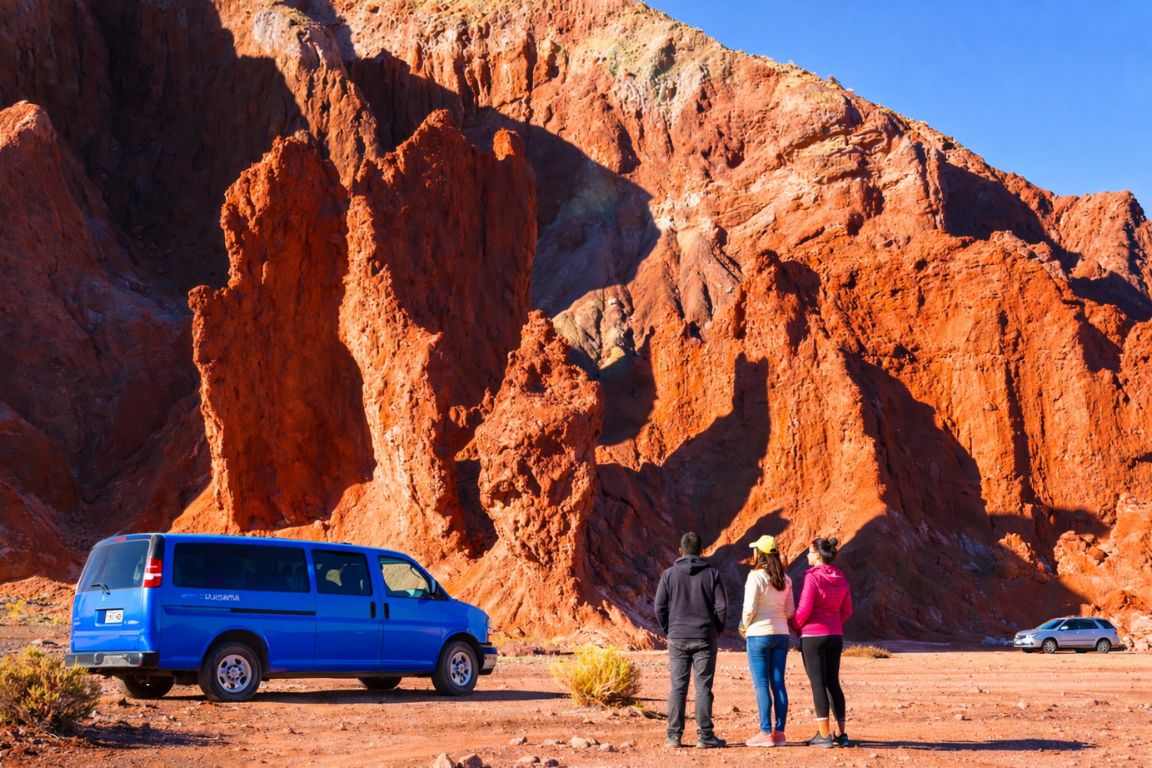
Weather reliability 300+ sunny days annually demonstrates 95%+ clear sky probability regardless of season with rain being virtually nonexistent May-November dry season (0-5mm total rainfall entire period) and minimal December-April wet season (10-50mm total, 2-8 rainy days maximum entire summer).
Altitude constant shows San Pedro at 2,400m, Valle Luna at 2,400m, El Tatio at 4,300m, Altiplanic Lagoons at 4,000-4,300m requiring acclimatization (minimum 48-72 hours) regardless of visiting month creating universal health consideration.
Tour availability year-round demonstrates all major tours (Valle Luna, El Tatio, Altiplanic, Cejar, Puritama, stargazing, Rainbow Valley) operating 365 days annually with daily departures, no seasonal closures, creating complete flexibility visiting any month.
UV intensity extreme shows altitude creating 25-30% stronger radiation at San Pedro 2,400m, 40-50% stronger at 4,000m+ tours year-round requiring aggressive sun protection (SPF 50+ hourly reapplication, quality sunglasses, wide-brim hats) regardless of season including winter when temperatures being cold but UV remaining intense.
Table: Atacama Year-Round Constants vs Seasonal Variables
| Factor | Year-Round Reality | Seasonal Variation | Impact on Visit | Planning Consideration |
|---|---|---|---|---|
| Weather Reliability | 300+ sunny days (95%+ clear) | Minimal – always reliable | Excellent touring conditions guaranteed | Any month safe bet |
| Altitude | 2,400m San Pedro, 4,000-4,300m tours | None | Acclimatization always essential | Universal 48-72 hour requirement |
| UV Radiation | 25-50% stronger than sea level | None – intense year-round | Aggressive sun protection mandatory | SPF 50+ every season including winter |
| Tour Availability | All tours operate daily 365 days | None – no seasonal closures | Complete flexibility | Choose season based on preference not access |
| Temperature Swings | 20-30°C daily variation | Shifts up/down seasonally but swing constant | Layering essential all seasons | Multiple clothing layers always needed |
| Aridity | <1% humidity extreme dryness | Minimal variation | Dehydration risk, moisturizing need constant | 3-4L water daily year-round |
| Costs | Accommodation, tours, meals | HIGH variation (+80% peak vs low) | Budget dramatically affected | Season choice major cost factor |
| Crowds | International destination | HIGH variation (10x winter vs Xmas) | Experience quality, availability affected | Advance booking critical peak seasons |
| Sunset Timing | Daily 6pm-8:30pm depending on season | 2.5 hour annual shift | Valle Luna departure time changes | Check seasonal sunset time |
| Stargazing Quality | World’s darkest skies | Better winter (longer nights, galaxy position) | Astronomy tours excellent year-round | Winter optimal but summer excellent too |
Weather reliability 95%+ demonstrates being exceptional globally with Atacama’s extreme aridity creating virtually guaranteed clear skies enabling confident trip planning any month versus destinations requiring weather contingencies.
The altitude universal requirement shows 2,400m San Pedro requiring minimum 48-72 hour acclimatization before 4,000m+ tours (El Tatio 4,300m, Altiplanic 4,000-4,300m) being non-negotiable regardless of visiting summer (warm) or winter (cold) creating consistent health priority.
UV intensity year-round demonstrates cold winter temperatures (20-25°C days) not reducing radiation strength with altitude effect being constant requiring SPF 50+ protection even July coldest month versus assuming winter sun being weak.
Tour availability 365 days shows all major tours operating daily year-round (Valle Luna, El Tatio, Altiplanic, Cejar, Puritama, stargazing, Rainbow Valley) with no seasonal closures creating complete flexibility versus some destinations having summer-only or winter-only activities.
Temperature swing constant demonstrates 20-30°C daily variation occurring year-round with summer showing 30-35°C days dropping to 10-20°C nights (20°C swing) and winter showing 20-28°C days dropping to 0-10°C nights (20°C swing) requiring layering strategy all seasons.
Cost variation massive shows Christmas week December 20-January 5 being 50-80% more expensive than June-July winter with shoulder seasons March-May and September-November being 20-30% below summer peak creating budget planning importance.
Crowd variation extreme demonstrates Christmas week having 10x more tourists than June-July winter with summer December-February having 5-7x winter crowds affecting accommodation availability, tour group sizes, restaurant waits, town atmosphere.
Sunset timing 2.5 hour shift shows summer December-February having 7:30-8:30pm sunsets (Valle Luna departing 5-6pm) versus winter June-August having 6-6:30pm sunsets (Valle Luna departing 3-4pm) affecting tour schedules and daylight duration.
Stargazing seasonal advantage demonstrates winter June-August having longest nights (11-12 hours darkness), Milky Way galactic core visible prominently, coldest clearest air creating optimal conditions though summer December-February being excellent too (9-10 hour nights, spectacular views).
Daily departures run all year on the main San Pedro itineraries. Compare dates on the Valley of the Moon Tour once you have a month in mind.
Summer Season (December-February): Peak Travel Period
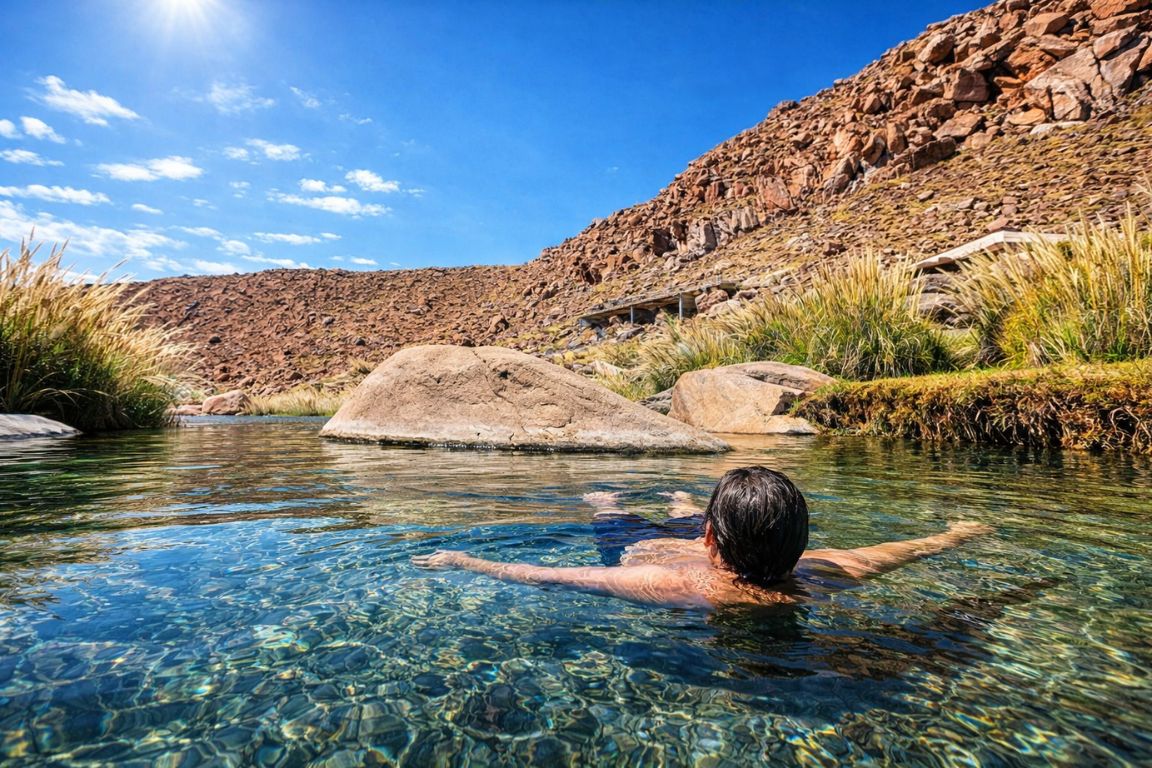
Summer December-February is peak season showing highest costs (+30-40% typical accommodation/tours versus shoulder seasons, +50-80% Christmas week), largest crowds (advance booking 8-12 weeks essential, 12-20 weeks Christmas), warmest temperatures (30-35°C days, 10-20°C nights), latest sunsets (7:30-8:30pm), warmest water Cejar (18-22°C comfortable).
Christmas/New Year extreme demonstrates December 20-January 5 being most expensive, crowded, difficult-to-book period annually requiring 12-20 weeks advance booking accommodation and tours, prices being 50-80% above shoulder seasons, genuine sellouts occurring, though spectacular weather and festive atmosphere.
Temperature comfort shows 30-35°C midday being hot but manageable with adequate hydration and sun protection, 10-20°C evening being pleasant requiring light fleece only, creating comfortable conditions versus extreme heat (40°C+) or cold (sub-zero) requiring minimal layering.
Cejar water warm demonstrates 18-22°C December-February enabling comfortable 30-45 minute swimming (versus winter 10-15°C tolerating only 10-15 minutes) creating ideal season for floating experience maximizing enjoyment.
The best time to visit Atacama desert affects more than just weather – winter can bring occasional flash floods to dry riverbeds, and rental car drivers won’t have guides’ local knowledge about which roads to avoid.
Table: Summer (December-February) Complete Seasonal Analysis
| Summer Aspect | Details | Advantages | Disadvantages | Who Should Visit | Cost Impact | Booking Timeline | Temperature Specifics |
|---|---|---|---|---|---|---|---|
| Overall Character | Peak season, busy, expensive, excellent weather | Reliable weather, warm comfortable, all tours optimal | Highest costs, crowds, advance booking essential | Peak experience seekers, families on school holidays, budget flexible | +30-40% typical, +50-80% Christmas week | 8-12 weeks typical, 12-20 Christmas | 30-35°C days, 10-20°C nights |
| Weather Reliability | 98% clear days, 10-50mm rain entire summer (2-8 days total) | Virtually guaranteed sunshine, rare cancellations | Minimal – occasional afternoon cloud | Everyone | N/A | N/A | Consistent warm reliable |
| Costs | Accommodation +30-40%, tours +20-30%, Christmas +50-80% | N/A – no cost advantages | Significantly more expensive than shoulder/winter | Budget-flexible travelers | Tours: Valle Luna $32-40 vs $25-32 shoulder | Early booking secures lower rates | N/A |
| Crowds | High throughout, extreme Christmas week | Social atmosphere, tour groups full | Busy restaurants, accommodation limited, larger groups | Social travelers, festival atmosphere | N/A | Essential advance planning | N/A |
| Valle de la Luna | Sunset 7:30-8:30pm, departure 5-6pm | Late evening tours (more daytime free), spectacular light | Hot midday if exploring independently | Everyone – excellent | $32-40 vs $25-32 shoulder | 4-8 weeks Christmas, 2-4 weeks Jan-Feb | 32-35°C tour time cooling to 15-20°C sunset |
| El Tatio | Coldest -10°C to -20°C predawn (vs -20°C to -30°C winter) | Less brutally cold than winter, manageable | Still very cold requiring warm gear | Everyone – optimal season | $50-60 vs $45-55 shoulder | 6-8 weeks Christmas, 2-4 weeks Jan-Feb | -10°C to -20°C predawn (warmest year) |
| Laguna Cejar | Water 18-22°C, air 25-30°C | Ideal swimming temperature, comfortable 30-45 min | High demand, crowded | Essential summer activity | $45-55 vs $40-50 shoulder | 6-8 weeks Christmas, 2-4 weeks Jan-Feb | Perfect floating conditions |
| Stargazing | Excellent, Milky Way visible, shorter nights 9-10 hours | Still world-class dark skies | Winter better (longer nights, galaxy core higher) | Everyone – excellent quality | $60-70 vs $50-60 shoulder | Moderate demand | Comfortable evening temps 10-15°C |
| Puritama Hot Springs | Thermal pools 30-35°C, air 25-30°C | Comfortable temperature differential | Less therapeutic contrast vs winter cold air | Everyone – pleasant | $35-45 vs $30-40 shoulder | 4-6 weeks Christmas | Relaxing not extreme contrast |
Overall character peak demonstrates being busiest most expensive period creating premium experience requiring advance planning and higher budget though offering excellent reliable weather, comfortable temperatures, warm Cejar water, latest sunsets maximizing daylight.
The weather reliability 98% shows being virtually guaranteed clear sunny days with 10-50mm total summer rainfall (December-February combined) occurring as 2-8 brief afternoon showers entire season creating minimal disruption versus reliable touring.
Cost increase significant demonstrates accommodation rising 30-40% versus shoulder seasons (April-May, September-November) with $80-100 shoulder season hotel becoming $110-140 summer, $150-200 becoming $200-280, creating $30-80/night premiums multiplying quickly for longer stays.
Christmas week extreme shows December 20-January 5 being 50-80% above shoulder seasons with $100 shoulder accommodation becoming $150-180 Christmas, $40 shoulder tour becoming $60-72, creating $100-200 daily additional cost for family of 4 versus shoulder timing.
The crowd reality demonstrates restaurants being full 7-9pm (reservations recommended), tours having 16-20 passengers versus 8-12 shoulder seasons, accommodation booking 8-12 weeks advance securing good options, town feeling busy versus quiet winter atmosphere.
Valle Luna summer advantage shows 7:30-8:30pm sunsets creating spectacular late golden hour light with tour departing 5-6pm enabling free 9am-5pm daytime for other activities, rest, or exploration versus winter 3-4pm departure occupying more afternoon.
El Tatio summer warmest demonstrates predawn temperatures being -10°C to -20°C (versus winter -20°C to -30°C) creating “only” very cold versus brutally extremely cold though still requiring comprehensive warm gear (down jacket, thermals, gloves, hat).
Cejar water temperature optimal shows 18-22°C enabling comfortable 30-45 minute floating (versus winter 10-15°C tolerating only 10-15 minutes) creating ideal summer activity with warm water maximizing enjoyment and photo time.
Stargazing summer excellent demonstrates still being world-class quality (darkest skies globally) with 9-10 hour nights, Milky Way visible prominently, professional telescopes showing spectacular views though winter having slight edge (11-12 hour nights, galactic core higher position).
Booking timeline summer shows Christmas week requiring 12-20 weeks advance (accommodation, tours, shuttles), January-February requiring 6-8 weeks for best selection, 2-4 weeks being minimum though limiting options and increasing costs.
School holiday factor demonstrates families with children being constrained to December-February (Northern Hemisphere summer vacation, Southern Hemisphere December-March) creating inherent demand increasing prices and crowds versus flexible travelers choosing shoulder seasons.
Weather risk minimal shows summer having highest rain probability year (10-50mm total, 2-8 days) though this being trivial compared to typical destinations, with afternoon showers lasting 15-60 minutes occasionally occurring January-February versus May-November receiving virtually zero rain.
Winter Season (June-August): Cold Budget Adventure
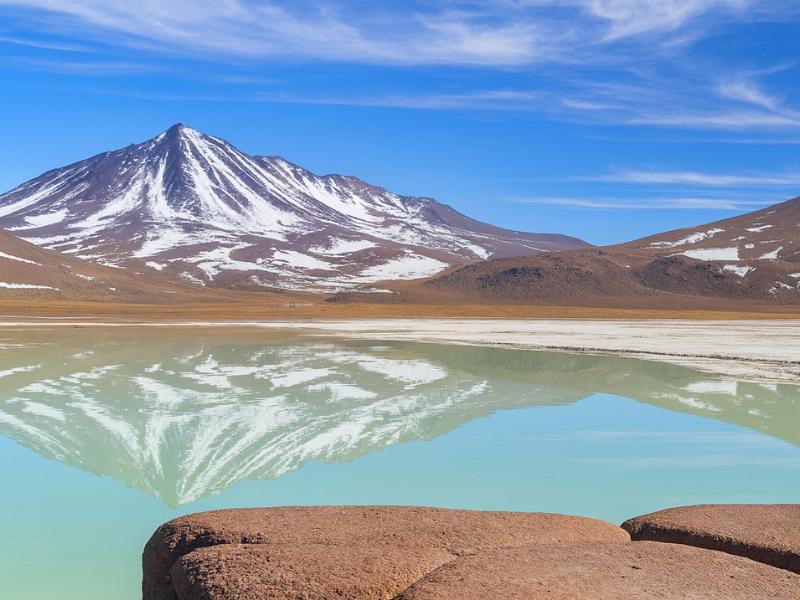
Winter June-August is coldest season showing lowest costs (20-30% below summer peak), smallest crowds (accommodation easily available 1-2 weeks advance), coldest temperatures (20-28°C days San Pedro, 0-10°C nights, El Tatio -20°C to -30°C predawn brutal), earliest sunsets (6-6:30pm), best stargazing (longest nights 11-12 hours, clearest air, Milky Way core prominent), Cejar water cold (10-15°C, most tolerating only 10-15 minutes).
Budget advantage significant demonstrates accommodation being 20-30% cheaper than summer ($80-100 mid-range winter versus $110-140 summer), tours sometimes offering low-season discounts (Valle Luna $25-32 versus $32-40 summer), creating substantial savings for budget-conscious travelers or extended stays.
Stargazing optimal shows winter having absolute best conditions with longest nights (sunset 6-6:30pm, sunrise 7-7:30am creating 11-12 hour darkness), coldest clearest air (minimal atmospheric distortion), Milky Way galactic core being prominently visible, creating ultimate astronomy experience.
Extreme cold reality demonstrates San Pedro evening/night temperatures 0-10°C requiring heating (hotels adequate, budget places sometimes inadequate), El Tatio predawn -20°C to -30°C being brutally cold requiring expedition-level gear (heavy down jacket rated -20°C minimum, multiple thermal layers, heavy gloves, balaclava), Altiplanic midday being 5-15°C requiring significant warmth.
Table: Winter (June-August) Complete Seasonal Analysis
| Winter Aspect | Details | Advantages | Disadvantages | Who Should Visit | Cost Impact | Booking Timeline | Temperature Specifics |
|---|---|---|---|---|---|---|---|
| Overall Character | Coldest, quietest, cheapest, excellent weather | Lowest costs, minimal crowds, best stargazing | Extreme cold especially high altitude, Cejar too cold | Budget travelers, astronomy enthusiasts, cold-tolerant, crowd-avoiders | -20-30% vs summer | 1-2 weeks adequate, 2-4 weeks preferred | 20-28°C days, 0-10°C nights San Pedro |
| Weather Reliability | 99% clear days, 0-2mm rain entire winter (0-1 days total) | Absolute best weather reliability, zero rain | None – perfect conditions | Everyone weather-wise | N/A | N/A | Dry season absolute peak |
| Costs | Accommodation -20-30%, tours -10-20% (sometimes) | Significant savings for budget travelers | None – pure advantage | Budget-conscious, extended stays | Valle Luna $25-32 vs $32-40 summer | Negotiate possible | N/A |
| Crowds | Minimal, quietest season | Peaceful atmosphere, small tour groups (6-12), easy booking | Less social, fewer travelers to meet | Solitude seekers, intimate experience | N/A | Easy booking, negotiation leverage | N/A |
| Valle de la Luna | Sunset 6-6:30pm, departure 3-4pm | Early return (7-8pm), rest of evening free | Earlier departure occupies afternoon | Everyone – excellent anytime | $25-32 vs $32-40 summer | Easy availability | 22-28°C tour time cooling to 8-12°C sunset |
| El Tatio | Coldest -20°C to -30°C predawn | Best steam contrast (maximum temperature differential) | Brutally cold, dangerous inadequate gear | Hardy travelers only, comprehensive warmth essential | $45-55 vs $50-60 summer | Easy availability | -20°C to -30°C predawn (coldest year) |
| Laguna Cejar | Water 10-15°C, air 15-25°C | Unique experience, less crowded | Too cold for most (10-15 min tolerance max) | Skip or very brief only | $40-50 vs $45-55 summer | Easy availability | Not recommended winter |
| Stargazing | OPTIMAL – longest nights 11-12 hours, Milky Way core high | Absolute best stargazing globally | Cold evening 5-10°C (manageable) | Astronomy enthusiasts essential visit | $50-60 vs $60-70 summer | Easy availability | Perfect conditions, warm layers needed |
| Puritama Hot Springs | Thermal pools 30-35°C, air 10-20°C | Dramatic temperature contrast (most therapeutic) | Cold exit requires rapid dry/dress | Excellent winter activity | $30-40 vs $35-45 summer | Easy availability | Therapeutic contrast experience |
Overall character budget adventure demonstrates being ideal for travelers prioritizing savings, solitude, stargazing, and tolerating cold conditions creating winter being absolute best season for specific demographics (astronomy enthusiasts, budget backpackers, crowd-avoiders).
The weather reliability 99% shows winter being driest period with 0-2mm total rainfall entire June-August (0-1 days maximum) creating virtually perfect guaranteed clear sunny days every single day enabling confident planning.
Cost savings significant demonstrates accommodation $80-100 mid-range winter versus $110-140 summer (saving $30-40/night, $210-280/week), tours occasionally offering discounts (Valle Luna $25-32 versus $32-40, save $7-8 per person, $28-32 family of 4), creating $250-400 total savings for week-long family trip.
Crowd advantage peaceful shows tour groups having 6-12 passengers winter versus 14-20 summer creating intimate atmosphere, easier guide communication, better photo opportunities without crowds, though fewer fellow travelers reducing social opportunities.
The Valle Luna winter timing demonstrates 6-6:30pm sunsets creating 3-4pm tour departures (versus 5-6pm summer) with return being 7-8pm enabling rest of evening free for dinner and early sleep versus summer 9-10pm returns leaving less evening time.
El Tatio extreme cold shows -20°C to -30°C predawn temperatures being dangerously cold requiring expedition-level preparation with heavy down jacket rated -20°C minimum (versus standard -10°C jacket being inadequate), multiple thermal layers, heavy gloves or mittens, balaclava covering face, creating genuine survival gear necessity.
El Tatio steam advantage demonstrates maximum temperature differential (-25°C air versus 85°C boiling water) creating most spectacular steam plumes reaching 15-20m height visible kilometers away versus summer -15°C differential creating 10-15m plumes still impressive but less dramatic.
Cejar winter challenge shows 10-15°C water being genuinely cold with most tourists tolerating only 10-15 minutes versus 30-45 minutes comfortable summer creating diminished experience or skip-worthiness for many cold-sensitive travelers.
The stargazing optimal demonstrates winter having absolute best conditions globally with longest nights (11-12 hours darkness versus 9-10 summer), Milky Way galactic core being highest visibility, coldest clearest air (minimal atmospheric moisture distortion), creating once-in-lifetime astronomy opportunity.
Puritama (book tour here) winter advantage shows dramatic therapeutic contrast with 30-35°C thermal pools versus 10-20°C air temperature creating maximum physiological benefit (circulation, muscle relaxation, endorphin release) versus summer’s milder contrast being pleasant but less therapeutic.
Heating accommodation demonstrates mid-range and above hotels having reliable heating systems (0-10°C San Pedro nights being cold) though budget hostels sometimes having inadequate heating creating nighttime discomfort requiring extra blankets or sleeping bag.
Booking ease shows 1-2 weeks advance being adequate securing good accommodation and tours versus summer 8-12 weeks necessity, with same-day or next-day booking often possible winter creating maximum spontaneity and negotiation leverage.
Winter day length shows sunrise 7-7:30am, sunset 6-6:30pm creating 11-11.5 hour daylight (versus 13-14 hours summer) being adequate for touring though shorter creating more compressed schedule if attempting multiple activities daily.
What Each Booking Adds
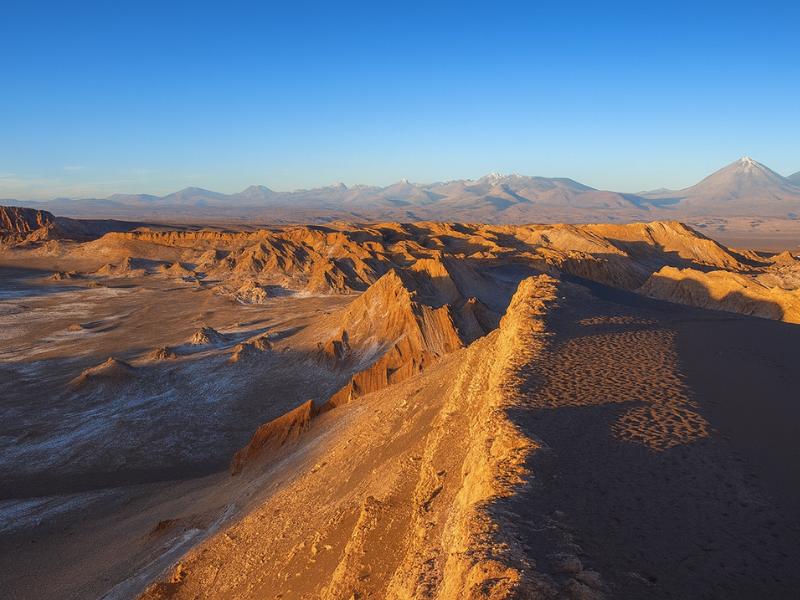
Valley Of The Moon
Make room for a desert landscape outing without committing several days. A guided Moon Valley excursion gives your afternoon a clear destination.
About four hours. Walking is involved; read the participation requirements.
Book on ViatorSee Moon Valley Departures ↗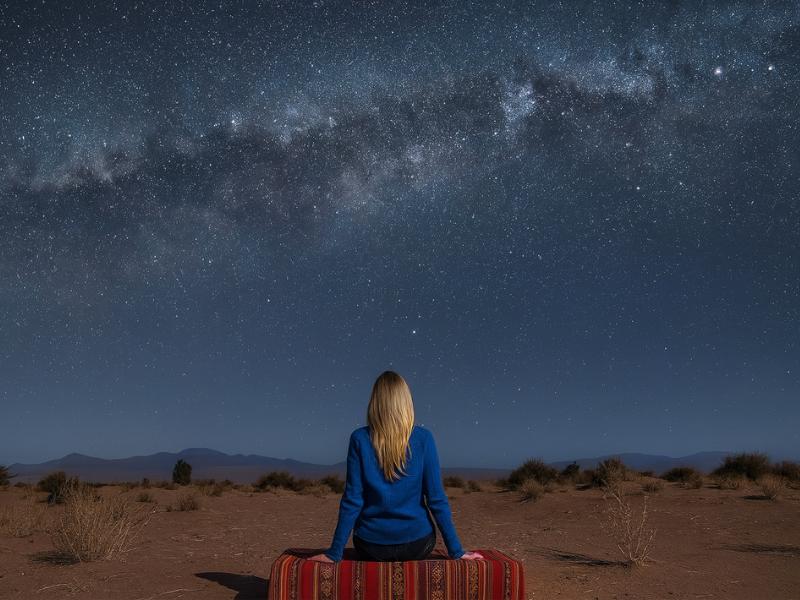
The Roofless Stargazing Experience
Make the sky part of your trip: telescope observation, an astronomy talk and a professional photo to take home.
Hot drinks and blankets provided. Dress warmly; pickup coverage is limited.
Book on ViatorChoose My Stargazing Night ↗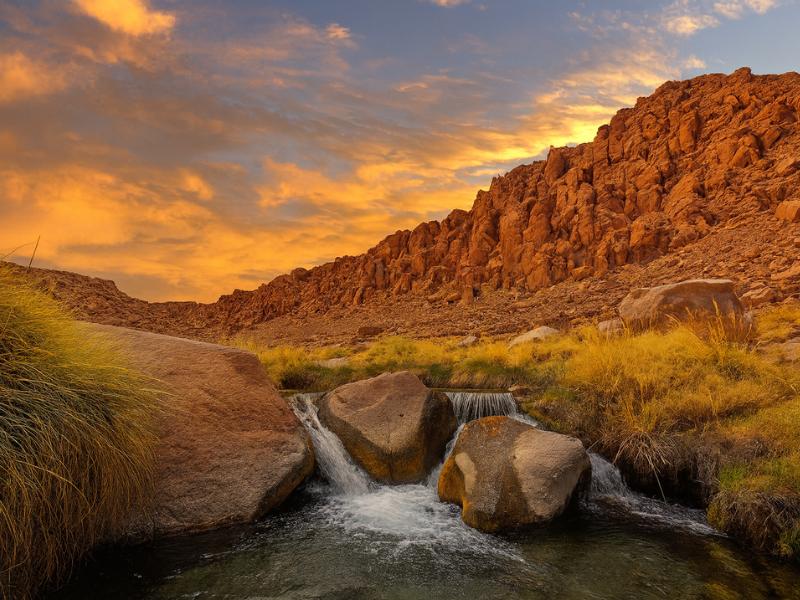
Puritama Hot Springs: AM Or PM
A hot-springs visit with transport lets you leave the driving out of your relaxation plans. Choose a morning or afternoon option.
About 4.5 hours. Bring towel and swimwear. Hotel pickup; return to central San Pedro. Confirm entrance arrangements.
Book on GetYourGuideChoose My Hot-Springs Time ↗Spring (March-May) and Fall (September-November): Optimal Shoulder Seasons
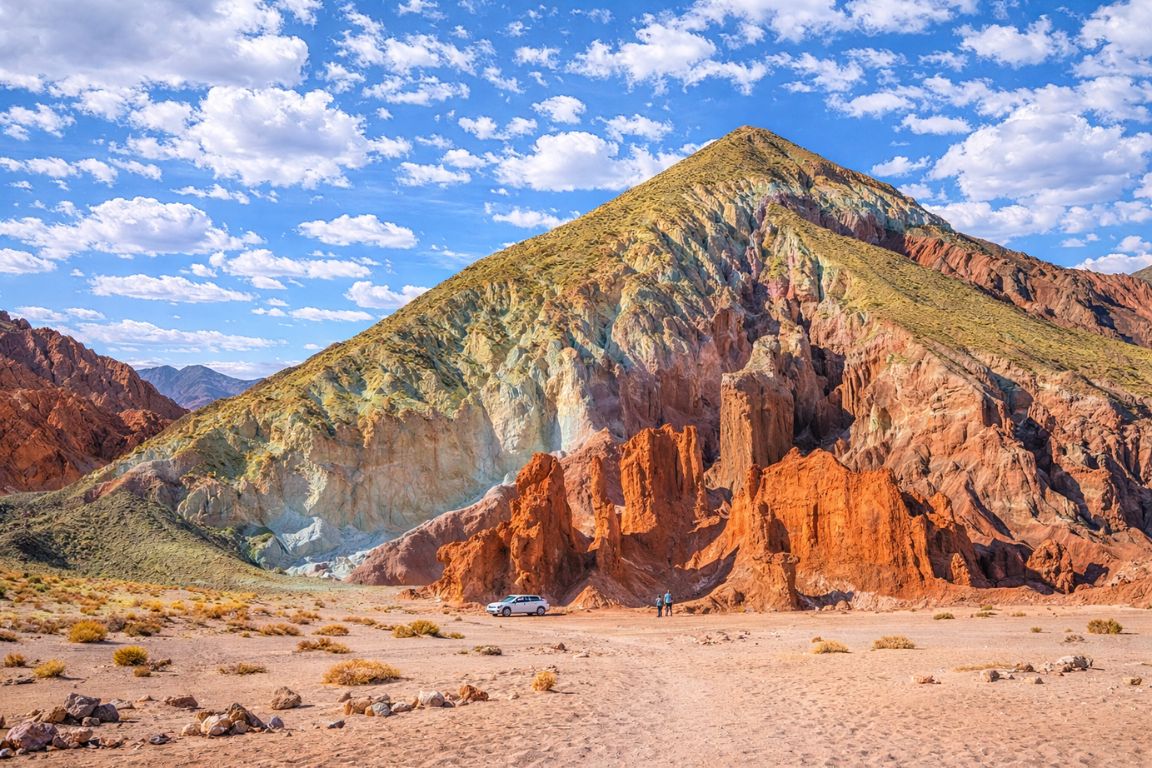
Shoulder seasons March-May spring and September-November fall are optimal for most travelers showing 20-30% lower costs versus summer peak, comfortable temperatures (22-30°C days, 5-15°C nights), moderate crowds, excellent weather reliability (98% clear), best accommodation availability and negotiation leverage, all tours operating optimally.
April-May and September-October represent absolute best months combining warm comfortable days (25-30°C), cool pleasant evenings (8-15°C), 25-30% cost savings, moderate manageable crowds, perfect touring conditions for all activities, creating ideal value-quality balance.
March and November transition months show good conditions being 15-20% below summer peak costs, comfortable weather (March 25-32°C, November 20-28°C), moderate crowds, though being slightly warmer (March) or cooler (November) than optimal mid-shoulder seasons.
Temperature goldilocks demonstrates shoulder season days being warm pleasant touring (22-30°C requiring sunscreen but not oppressive heat) with nights being cool comfortable sleeping (5-15°C requiring fleece or light jacket but not freezing) creating perfect balance.
Table: Spring (March-May) and Fall (September-November) Complete Analysis
| Shoulder Season Aspect | Details | Advantages | Disadvantages | Who Should Visit | Cost Impact | Booking Timeline | Temperature Specifics |
|---|---|---|---|---|---|---|---|
| Overall Character | Optimal balance cost-weather-crowds | Best value, comfortable conditions, moderate crowds | None significant – ideal compromise | Most travelers, optimal choice | -20-30% vs summer | 3-6 weeks preferred, 2-4 adequate | 22-30°C days, 5-15°C nights |
| Weather Reliability | 98% clear days, 0-5mm rain entire period (0-2 days) | Virtually guaranteed sunshine, excellent conditions | Minimal – occasional March shower | Everyone – excellent | N/A | N/A | Dry season, very reliable |
| Costs | Accommodation -20-30%, tours -15-25% vs summer | Significant savings while maintaining quality | None – pure advantage | Value seekers, budget-conscious, optimal | Valle Luna $25-32 vs $32-40 summer | Advance booking secures best rates | N/A |
| Crowds | Moderate – comfortable not overwhelming | Social but not overwhelming, tour groups 10-14 | Less bustling than summer peak | Most travelers – ideal balance | N/A | Flexibility, good availability | N/A |
| Valle de la Luna | Sunset 6:30-7:30pm, departure 4-5pm | Ideal timing, comfortable temperatures | None | Everyone – perfect conditions | $25-32 vs $32-40 summer | 2-4 weeks adequate | 25-30°C tour time cooling to 10-15°C |
| El Tatio | Cold -12°C to -22°C predawn (between summer/winter) | Manageable cold with proper gear | Still very cold requiring warmth | Everyone with preparation | $45-55 vs $50-60 summer | 3-5 weeks preferred | -12°C to -22°C predawn (moderate) |
| Laguna Cejar | Water 14-20°C depending on month, air 20-28°C | Comfortable swimming esp April-May, Sept-Oct | Cooler than summer, warmer than winter | Everyone – good compromise | $40-50 vs $45-55 summer | 3-5 weeks preferred | Adequate floating conditions |
| Stargazing | Excellent, moderate nights 9-11 hours | World-class quality, comfortable temps | Winter slightly better (longer nights) | Everyone – excellent quality | $50-60 vs $60-70 summer | 2-4 weeks adequate | Comfortable viewing 8-15°C |
| Puritama Hot Springs | Thermal pools 30-35°C, air 15-25°C | Comfortable temperature differential | Less dramatic contrast than winter | Everyone – pleasant experience | $30-40 vs $35-45 summer | 2-4 weeks adequate | Relaxing comfortable |
Overall optimal balance demonstrates shoulder seasons being recommended default choice for travelers with flexible schedules combining 70-80% of summer comfort and reliability at 70-75% of summer cost creating best value proposition.
The weather reliability 98% shows being virtually as reliable as summer (98% versus 98%) with 0-5mm total rainfall entire March-May or September-November (0-2 days maximum) creating confident weather planning capability.
Cost savings 20-30% demonstrates $100 summer accommodation becoming $70-85 shoulder (saving $15-30/night, $105-210/week for couple), Valle Luna $40 becoming $28-32 (save $8-12 per person, $32-48 family of 4 per tour), creating substantial budge savings enabling longer stays or upgraded accommodation.
Crowd balance demonstrates tour groups being 10-14 passengers (versus 16-20 summer, 6-10 winter) creating social atmosphere without overwhelming busy chaos, restaurants being available without extensive waits, accommodation available 3-6 weeks advance versus summer 8-12 weeks.
Temperature goldilocks shows 22-30°C days being comfortably warm for touring (sunscreen and hydration essential but not oppressive heat), 5-15°C nights being cool pleasant sleeping (light fleece or jacket adequate, not freezing winter cold) creating perfect balance year-round climate extremes.
The Valle Luna ideal demonstrates sunset timing 6:30-7:30pm (depending on March-May versus September-November) creating comfortable 4-5pm tour departures with return 8-9pm leaving evening time for dinner while not being excessively late like summer 10pm returns.
El Tatio moderate cold shows -12°C to -22°C predawn (varying by month within shoulder season) being significantly warmer than winter -20°C to -30°C while cooler than summer -10°C to -20°C creating manageable cold with proper preparation (standard down jacket -10°C rated usually adequate with layering).
Cejar water compromise demonstrates 14-20°C depending on specific month (April warmest shoulder ~18-20°C, November coolest ~14-16°C, May and September ~15-18°C, March ~16-18°C) creating adequate comfortable floating 20-30 minutes versus 10-15 winter or 30-45 summer.
Stargazing excellent shows 9-11 hour nights (varying by month) providing world-class dark sky viewing with Milky Way prominently visible, professional telescopes showing spectacular detail, comfortable evening temperatures 8-15°C enabling extended viewing without extreme cold discomfort.
Astronomy in Atacama desert is spectacular, but driving unmarked desert roads at night trying to find dark spots is genuinely dangerous – guided stargazing tours eliminate navigation risks while delivering far better equipment.
Booking timeline 3-6 weeks demonstrates being optimal window securing best selection and prices versus 8-12 weeks summer necessity, with 2-4 weeks being minimum adequate though potentially limiting accommodation choices and increasing costs slightly.
Specific month advantages show April and October being warmest shoulder months (28-30°C days, 12-15°C nights, Cejar 18-20°C) creating near-summer comfort at shoulder pricing, while March and November being transitional (March 25-32°C warming, November 20-28°C cooling) still being excellent conditions.
Negotiation leverage shows accommodation sometimes offering discounts for longer stays (7-14 nights), last-minute deals (booking 1-2 weeks out), or direct booking discounts versus summer fixed high pricing creating opportunities for savvy budget travelers.
Holiday avoidance demonstrates shoulder seasons avoiding major Northern Hemisphere holidays (summer vacation, Christmas) and Southern Hemisphere holidays (December-February) creating lower demand and better pricing versus holiday-driven summer peak.
Month-by-Month Detailed Breakdown in Atacama
January peak summer shows continuation Christmas crowds into first 2-3 weeks, costs remaining elevated +30-40%, weather being hot reliable (30-35°C days), Cejar water warm (20-22°C), Valle Luna late sunsets (8-8:30pm), requiring 6-8 weeks advance booking securing accommodation.
February late summer demonstrates crowds beginning to diminish late month, costs remaining elevated but slightly lower than January, weather continuing hot (30-35°C), occasional afternoon showers possible (1-3 days entire month), transition toward shoulder season beginning.
March early shoulder shows significant cost reduction beginning mid-month (-15-20% versus January-February), crowds diminishing substantially, weather remaining warm (25-32°C days), comfortable transition conditions, Southern Hemisphere autumn beginning creating pleasant touring.
April optimal shoulder demonstrates ideal conditions with warm comfortable days (25-30°C), cool pleasant nights (10-15°C), 25-30% cost savings versus summer, moderate crowds, Cejar water adequate (18-20°C), being single best month for most travelers combining value and comfort.
May late shoulder shows continued excellent conditions with warm days (22-28°C), cool nights (8-12°C), best negotiation leverage, minimal crowds, transition toward winter beginning, Southern Hemisphere late autumn creating beautiful clear conditions.
Table: Month-by-Month Complete Atacama Guide
| Month | Season | Costs vs Summer | Crowds | Day Temp | Night Temp | Cejar Water | Valle Luna Sunset | El Tati Predawn | Best For | Booking Advance | Key Notes |
|---|---|---|---|---|---|---|---|---|---|---|---|
| January | Peak Summer | +30-40% | Very High | 30-35°C | 10-20°C | 20-22°C (warm) | 8-8:30pm | -10° to -20°C | Peak experience, warm water | 6-8 weeks | Post-Christmas crowds continue |
| February | Late Summer | +25-35% | High | 30-35°C | 10-20°C | 18-22°C (warm) | 7:30-8pm | -10° to -20°C | Still peak season, fewer than Jan | 4-6 weeks | Crowds diminishing late month |
| March | Early Shoulder | +15-20% → -10-15% | Moderate-High → Moderate | 25-32°C | 8-15°C | 16-20°C (adequate) | 7-7:30pm | -12° to -20°C | Transition, becoming ideal | 3-4 weeks | Costs drop mid-month significantly |
| April | Optimal Shoulder | -25-30% | Moderate | 25-30°C | 10-15°C | 18-20°C (good) | 6:30-7pm | -12° to -22°C | Best overall month – value + comfort | 3-5 weeks | Single best month for most |
| May | Late Shoulder | -25-30% | Low-Moderate | 22-28°C | 8-12°C | 15-18°C (cool) | 6-6:30pm | -15° to -25°C | Excellent value, transitioning winter | 2-4 weeks | Negotiation leverage, minimal crowds |
| June | Early Winter | -20-30% | Low | 20-25°C | 5-10°C | 12-15°C (cold) | 6-6:15pm | -18° to -28°C | Budget, hardy travelers, stargazing | 2-3 weeks | Winter beginning, cold increasing |
| July | Deep Winter | -20-30% | Minimal | 20-24°C | 0-8°C | 10-14°C (very cold) | 6-6:15pm | -20° to -30°C | Absolute cheapest, extreme cold, best stars | 1-2 weeks | Coldest month, skip Cejar |
| August | Late Winter | -20-30% | Minimal | 22-26°C | 2-10°C | 12-15°C (cold) | 6:15-6:30pm | -18° to -28°C | Budget, improving weather, still quiet | 1-2 weeks | Winter ending, warming beginning |
| September | Early Shoulder | -20-25% | Low-Moderate | 24-28°C | 5-12°C | 14-16°C (cool) | 6:30-7pm | -15° to -25°C | Excellent value, spring beginning | 2-4 weeks | Warming trend, costs still low |
| October | Optimal Shoulder | -20-25% | Moderate | 26-30°C | 8-15°C | 16-18°C (adequate) | 7-7:30pm | -12° to -22°C | Best shoulder month – warm + value | 3-5 weeks | Near-summer warmth at shoulder prices |
| November | Late Shoulder | -15-20% | Moderate-High | 28-32°C | 10-18°C | 16-20°C (good) | 7:30-8pm | -10° to -20°C | Last chance shoulder pricing | 4-6 weeks | Transition summer, costs rising |
| December 1-19 | Early Peak | +20-30% | High | 30-35°C | 10-20°C | 18-22°C (warm) | 8-8:30pm | -10° to -20°C | Peak season beginning | 6-10 weeks | Pre-Christmas building up |
| December 20-Jan 5 | Christmas Week | +50-80% | Extreme | 32-35°C | 12-20°C | 20-22°C (warm) | 8-8:30pm | -10° to -18°C | Festive atmosphere, extreme costs | 12-20 weeks | Most expensive period annually |
January peak continuation shows December 20-January 5 Christmas extremes continuing into first 2-3 weeks January with costs remaining +30-40% above shoulder, accommodation requiring 6-8 weeks booking, crowds remaining high though diminishing slightly mid-late month.
The February late summer demonstrates weather continuing hot reliable (30-35°C, 98% clear) with costs remaining elevated +25-35% though beginning to soften late month, crowds diminishing substantially after mid-February, occasional afternoon showers possible (1-3 days entire month minor inconvenience).
March transition month shows costs dropping significantly mid-month (first two weeks remaining +15-20% then dropping to -10-15% last two weeks) creating optimal late-March timing, weather remaining warm comfortable (25-32°C days), crowds reducing substantially, Southern Hemisphere autumn beginning creating beautiful conditions.
April optimal demonstrates being single best month for most travelers combining warm comfortable days (25-30°C perfect touring), cool pleasant nights (10-15°C comfortable sleeping), 25-30% cost savings versus summer, moderate manageable crowds (not deserted, not overwhelming), Cejar water being adequate 18-20°C enabling 25-30 minute floating.
May late shoulder shows continued excellent conditions 22-28°C days, best negotiation leverage (accommodation sometimes offering discounts, last-minute deals available), minimal crowds creating peaceful atmosphere, transition toward winter beginning with cooling trend though still being very comfortable.
June early winter demonstrates winter conditions beginning with cold nights 5-10°C (heating essential accommodation), El Tati becoming brutally cold -18°C to -28°C predawn, Cejar water too cold most 12-15°C, though costs dropping substantially -20-30% and crowds being minimal.
July deep winter shows coldest month annually with San Pedro nights 0-8°C (heating essential), El Tati predawn -20°C to -30°C being dangerous inadequate gear, Cejar water 10-14°C being skip-worthy for most, though being absolute cheapest period (-20-30% savings), minimal crowds, and best stargazing globally creating niche appeal.
The August late winter demonstrates winter ending with gradual warming beginning 22-26°C days (versus 20-24°C July), still cold nights 2-10°C, El Tati remaining very cold -18°C to -28°C predawn, costs remaining low -20-30%, crowds still minimal, creating budget opportunity with slightly improving conditions versus July.
September early shoulder shows spring beginning with warming trend 24-28°C days, costs remaining low -20-25% (best value beginning better weather), crowds increasing slightly from winter but remaining comfortable, Cejar water still cool 14-16°C though becoming tolerable 15-20 minutes versus winter 10-15 minutes.
October optimal shoulder demonstrates near-summer warmth 26-30°C at shoulder pricing -20-25% creating exceptional value, comfortable conditions (warm days, cool nights 8-15°C), Cejar water becoming comfortable 16-18°C enabling 20-30 minute floating, moderate crowds, representing best shoulder month for those prioritizing warmth.
November late shoulder shows transition summer with warm-hot days 28-32°C approaching summer heat, costs rising -15-20% though still below peak, crowds increasing anticipating December peak, Cejar water warming 16-20°C, being last opportunity shoulder pricing before Christmas premium.
December 1-19 early peak demonstrates summer peak season beginning with costs rising +20-30%, crowds building (6-10 weeks advance booking recommended), weather being excellent 30-35°C reliable, Cejar warm 18-22°C, creating peak experience at elevated but not extreme pricing (versus Christmas week).
December 20-January 5 Christmas week shows absolute annual extreme with costs +50-80% above shoulder seasons (accommodation doubling, tours increasing 40-60%), genuine sellouts requiring 12-20 weeks advance booking, massive crowds, festive international atmosphere, though spectacular weather and late sunsets (8-8:30pm) creating premium experience justifying premium pricing for those able.
Tour-Specific Seasonal Considerations in Atacama
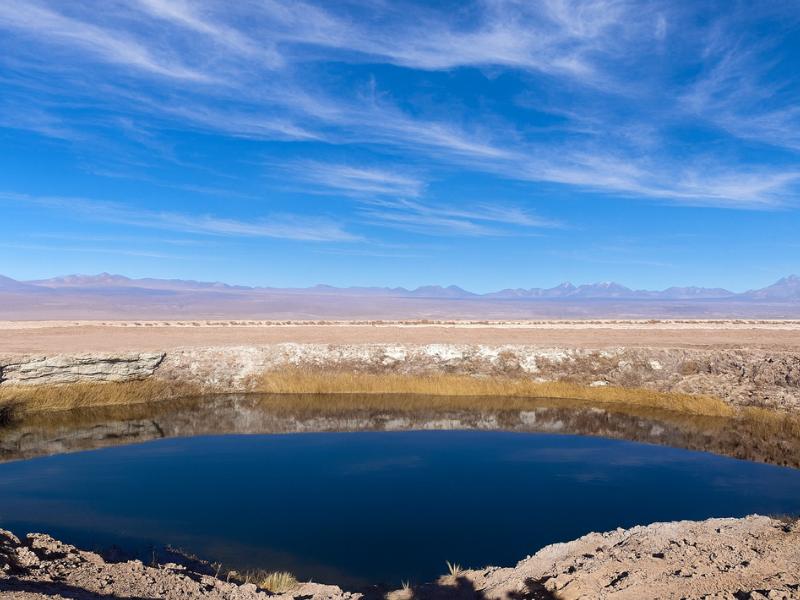
Valle de la Luna year-round excellent demonstrates being suitable all seasons with main variable being sunset timing (3-4pm departure winter versus 5-6pm summer) and temperature (cooling from 32-35°C summer to 8-12°C winter sunset) requiring appropriate layering but maintaining spectacular landscapes.
El Tatio extreme seasonal variation shows predawn cold ranging from -10°C to -20°C summer (manageable with standard cold weather gear) to -20°C to -30°C winter (requiring expedition-level warmth) creating genuine seasonal difficulty difference with steam plumes being most dramatic winter (maximum temperature differential) but comfort being best summer.
Laguna Cejar (book tour here) highly seasonal demonstrates water temperature being critical factor with summer 18-22°C enabling comfortable 30-45 minute swimming creating optimal experience, shoulder 14-20°C enabling adequate 20-30 minutes, winter 10-15°C being tolerable only 10-15 minutes creating diminished experience or skip-worthiness for cold-sensitive travelers.
Puritama therapeutic contrast shows winter providing maximum benefit with dramatic temperature differential (30-35°C pools versus 10-20°C air) creating physiological benefits (circulation, muscle relaxation) versus summer’s milder contrast (30-35°C pools versus 25-30°C air) being pleasant relaxing but less therapeutic.
Smart travelers using our booking Atacama tours: advance vs on arrival strategies often spend less than rental car drivers while maintaining schedule flexibility through strategic tour timing.
Table: Tour-by-Tour Seasonal Optimization Complete Guide
| Tour | Best Season | Why Best | Acceptable Seasons | Why Acceptable | Challenging Seasons | Why Challenging | Skip Seasons | Cost Range by Season | Seasonal Booking Priority |
|---|---|---|---|---|---|---|---|---|---|
| Valle de la Luna | Year-round excellent | Spectacular all seasons, main difference sunset timing | All months | Always spectacular, just temperature/timing varies | None | N/A | None | $25-40 depending on season | Low-Moderate (always available) |
| El Tatio Geysers | December-February (summer) | Warmest predawn (-10° to -20°C) manageable cold | March-May, Sept-Nov (shoulder) | Moderate cold (-12° to -22°C) manageable with prep | June-August (winter) | Brutal cold (-20° to -30°C) dangerous inadequate gear | None (hardy travelers manage) | $45-60 depending on season | High winter (need proper gear assessment) |
| Laguna Cejar | December-February (summer) | Warm water (18-22°C) comfortable 30-45 min | March-May, Sept-Nov (shoulder) | Adequate water (14-20°C) tolerable 20-30 min | June-August (winter) | Cold water (10-15°C) tolerable only 10-15 min | None but winter diminished | $40-55 depending on season | Moderate summer (high demand) |
| Altiplanic Lagoons | March-May, Sept-Nov (shoulder) | Moderate temps, moderate costs, beautiful | Dec-Feb (summer), Jun-Aug (winter) | Summer warm but crowded/expensive, winter cold but quiet | None particularly | N/A | None | $60-80 depending on season | Moderate all seasons |
| Puritama Hot Springs | June-August (winter) | Maximum therapeutic contrast (cold air + hot pools) | March-May, Sept-Nov (shoulder) | Moderate contrast, comfortable | December-February (summer) | Minimal contrast (hot air + hot pools), less therapeutic | None | $30-45 depending on season | Low (always available) |
| Stargazing | June-August (winter) | Longest nights (11-12 hrs), Milky Way core highest, clearest | Sept-Nov, March-May (shoulder) | Excellent quality, moderate nights (9-11 hrs) | December-February (summer) | Still excellent, shorter nights (9-10 hrs) | None | $50-70 depending on season | Low-Moderate all seasons |
| Rainbow Valley | March-May, Sept-Nov (shoulder) | Comfortable temps, good light, moderate costs | Dec-Feb (summer), Jun-Aug (winter) | Summer hot but OK, winter cold but manageable | None particularly | N/A | None | $35-50 depending on season | Low all seasons |
Valle Luna year-round demonstrates being consistently spectacular regardless of season with primary difference being sunset timing (winter 6-6:30pm requiring 3-4pm departure versus summer 7:30-8:30pm requiring 5-6pm departure) and cooling temperature (all seasons cooling 15-20°C from day to post-sunset) requiring light fleece or jacket always.
The El Tatio summer optimal shows -10°C to -20°C predawn being warmest annual range (though still very cold requiring down jacket, thermals, gloves) creating most manageable comfort enabling focus on spectacular geysers and hot springs versus winter -20°C to -30°C requiring survival-level gear and constant cold management.
Cejar summer essential demonstrates 18-22°C water enabling comfortable extended floating (30-45 minutes taking photos, experiencing buoyancy, relaxing) creating full experience versus shoulder 14-20°C being adequate though shortened (20-30 minutes) or winter 10-15°C being brief tolerance only (10-15 minutes) limiting enjoyment.
Altiplanic shoulder advantage shows moderate comfortable temperatures (daytime 10-20°C at 4,000m+ versus summer 15-25°C or winter 5-15°C) with 20-30% cost savings and moderate crowds creating optimal value-comfort balance for 10-12 hour long demanding tour.
Puritama winter therapeutic demonstrates maximum temperature differential (30-35°C pools versus 10-20°C air, 15-25°C differential) creating physiological benefits (vasodilation/vasoconstriction cycling improving circulation, cold shock proteins, endorphin release) versus summer’s minimal differential (30-35°C pools versus 25-30°C air, 5-10°C only) being pleasant but not therapeutic.
Stargazing winter optimal shows absolute best conditions globally with longest nights (11-12 hour darkness sunset 6-6:30pm to sunrise 7-7:30am), Milky Way galactic core being highest sky position, coldest clearest air reducing atmospheric distortion, though requiring warm layers (5-10°C evening temperatures) versus summer excellent but slightly compromised (9-10 hour nights, Milky Way lower but still visible prominently).
Rainbow Valley shoulder compromise demonstrates comfortable touring temperatures (22-30°C days not oppressive heat) with good light quality for photography (not harsh midday summer sun) and moderate costs versus summer being hot (30-35°C midday) though manageable and winter being cold (20-25°C) though still acceptable.
Seasonal booking priority demonstrates some tours requiring advance planning peak seasons (El Tatio summer 6-8 weeks ensuring availability and gear rental if needed, Cejar summer 6-8 weeks for warm water demand) while others being easily available last-minute year-round (Valle Luna, Puritama, Rainbow Valley) creating flexibility.
Tour timing strategic demonstrates combining seasonal optimal tours (summer doing Cejar, El Tatio; winter doing stargazing, Puritama therapeutic; shoulder doing Altiplanic value) versus fighting seasonal challenges (winter Cejar cold water, summer El Tati crowds/costs) creating experience optimization.
Private tour seasonal advantage shows being more worthwhile peak summer (controlling pace, avoiding 20-person group sizes, flexible timing) versus shoulder/winter having smaller standard groups (10-12 people shoulder, 6-10 winter) reducing private tour necessity though pace control benefit remaining.
Here’s the thing: the Atacama private tours vs group tours question is actually more relevant than ‘should I rent a car’ for most travelers – at least both tour options actually get you where you’re trying to go.
What to Pack by Season
Summer packing (December-February) requires lightweight breathable clothing (t-shirts, shorts, sun shirts), light fleece for evenings (10-20°C nights requiring minimal warmth), sun protection aggressive (SPF 50+ sunscreen, wide-brim hat, quality sunglasses), swimsuit essential Cejar, standard cold weather gear El Tati (down jacket -10°C rated, thermal base layer, gloves, warm hat), hydration equipment (3-4L water bottle capacity).
Winter packing (June-August) requires moderate warm daytime clothing (long-sleeve shirts, long pants for 20-28°C days), substantial warm evening/night clothing (fleece, warm jacket for 0-10°C nights), expedition-level cold gear El Tati (heavy down jacket -20°C rated, multiple thermal layers, heavy gloves or mittens, balaclava, hand/toe warmers), sun protection (UV remains intense despite cold), limited swimsuit use (Puritama only, Cejar too cold), maximum hydration (aridity despite cold temperatures).
Shoulder packing (March-May, September-November) requires versatile mid-weight clothing (long-sleeve shirts, convertible pants, light jacket), layering system (t-shirt, long-sleeve, fleece for 22-30°C days cooling to 5-15°C nights), standard cold weather gear El Tatio (down jacket -10°C rated adequate with layering, thermal base layer, gloves, warm hat), sun protection universal, swimsuit for Cejar (adequate water temperature), comprehensive hydration.
The what to pack for Atacama desert question gets serious when you’re driving yourself – you need supplies to survive overnight if something goes wrong, not just sunscreen and a camera.
Table: Seasonal Packing Guide Complete Checklist
| Season | Base Clothing | Warm Layers | El Tatio Specific | Sun Protection | Water/Swimming | Footwear | Accessories | Key Differences vs Other Seasons |
|---|---|---|---|---|---|---|---|---|
| Summer (Dec-Feb) | Lightweight: 3-4 t-shirts, 2 shorts, 1-2 long-sleeve, 1-2 long pants | Minimal: 1 light fleece, 1 light jacket (10-20°C nights) | Standard: Down jacket -10°C rated, 1 thermal layer, gloves, warm hat | CRITICAL: SPF 50+ 200ml, wide-brim hat, UV400 glasses, long-sleeve sun shirt | Essential: Swimsuit, towel, water shoes for Cejar | Hiking boots/trail shoes, sandals | Hydration 3-4L critical heat | Minimal warm layers, swimsuit essential, lightest overall |
| Winter (Jun-Aug) | Mid-weight: 3-4 long-sleeve, 3 long pants, 2 base layers | Substantial: Fleece, warm jacket, thermal leggings (0-10°C nights) | Expedition: Heavy down -20°C rated, 2-3 thermal layers, heavy gloves/mittens, balaclava, warmers | CRITICAL: SPF 50+ even winter, hat, glasses (UV intense despite cold) | Limited: Puritama only (Cejar too cold), quick-dry towel | Hiking boots essential, warm socks 3-4 pairs | Hydration 3-4L (aridity despite cold) | Maximum warm layers, expedition El Tati gear, limited swimming |
| Shoulder (Mar-May, Sep-Nov) | Versatile: 3-4 shirts mix short/long, 2 convertible pants, 2 base layers | Moderate: Fleece, light-medium jacket (5-15°C nights) | Standard: Down jacket -10°C rated, 1-2 thermal layers, gloves, warm hat | CRITICAL: SPF 50+ 200ml, wide-brim hat, UV400 glasses | Recommended: Swimsuit for Cejar (adequate water), towel | Hiking boots/trail shoes, comfortable sandals | Hydration 3-4L, layering key | Versatile mid-weight, layering system, balanced approach |
Summer lightweight emphasis demonstrates being hottest season (30-35°C days) requiring breathable fabrics (synthetic or merino wool wicking sweat), shorts for comfort, though long-sleeve sun shirt and pants being important sun protection options versus excessive skin exposure creating burns.
The winter maximum warmth shows 0-10°C San Pedro nights requiring substantial warm clothing (fleece, warm jacket, thermal leggings sleeping) beyond typical summer warm-weather destination expectations despite “desert” label creating surprise for unprepared travelers.
El Tatio seasonal extreme demonstrates summer requiring standard cold weather gear (-10°C rated down jacket being adequate with thermal base layer) versus winter requiring expedition-level gear (heavy down -20°C+ rated, multiple thermal layers, heavy gloves or mittens, balaclava covering face, hand/toe warmer packets) creating significant packing difference.
Sun protection year-round critical shows UV intensity being extreme all seasons (altitude creating 25-50% stronger radiation year-round) requiring SPF 50+ sunscreen 200ml bottle minimum (frequent reapplication), wide-brim hat 8-10cm, quality UV400 sunglasses even winter when temperatures being cold but radiation remaining intense.
Swimming seasonal demonstrates summer requiring swimsuit essential (Cejar being highlight activity, Puritama optional), shoulder being recommended (Cejar adequate water temperature though cooler than summer), winter being limited Puritama only (Cejar too cold most travelers) creating packing decision.
Footwear universal shows hiking boots or supportive trail shoes being essential all seasons (uneven gravel terrain Valle Luna, rocky paths other tours) with sandals or water shoes being supplementary for accommodation, Cejar entry, Puritama pools.
Hydration equipment year-round demonstrates 3-4L daily water needs regardless of season (extreme aridity <1% humidity year-round, altitude breathing increasing fluid loss, touring exertion) requiring adequate bottle capacity (two 1.5-2L bottles or hydration bladder system) versus assuming winter requiring less hydration.
Layering strategy seasonal shows summer requiring minimal layers (t-shirt plus light fleece evening), winter requiring substantial layers (base layer, mid-layer fleece, warm jacket, potentially all worn simultaneously 0-10°C nights), shoulder requiring versatile mid-weight layering (able to add/remove as temperatures change 20-30°C days to 5-15°C nights).
Electronics protection universal includes camera extra batteries (cold draining power 30-60% all seasons, especially El Tatio), phone power bank, memory cards adequate storage (stunning landscapes creating 100+ photos daily), lens cleaning kit (constant dust all seasons), headlamp red light mode (4am El Tati departure year-round, stargazing tours).
Toiletries seasonal shows moisturizer being critical year-round (extreme aridity cracking skin regardless of temperature), lip balm SPF 30+ essential (intense sun plus aridity), hand sanitizer (limited facilities remote tours), saline nasal spray (preventing bloody nose from aridity), sunscreen being largest volume item (200-250ml bottle minimum week-long trip).
Choose A Date For Your Outing
Valley Of The Moon
Select your date and party on Viator for the current price and departure options.
See Moon Valley Departures ↗Seasonal Pricing Complete Breakdown in Atacama
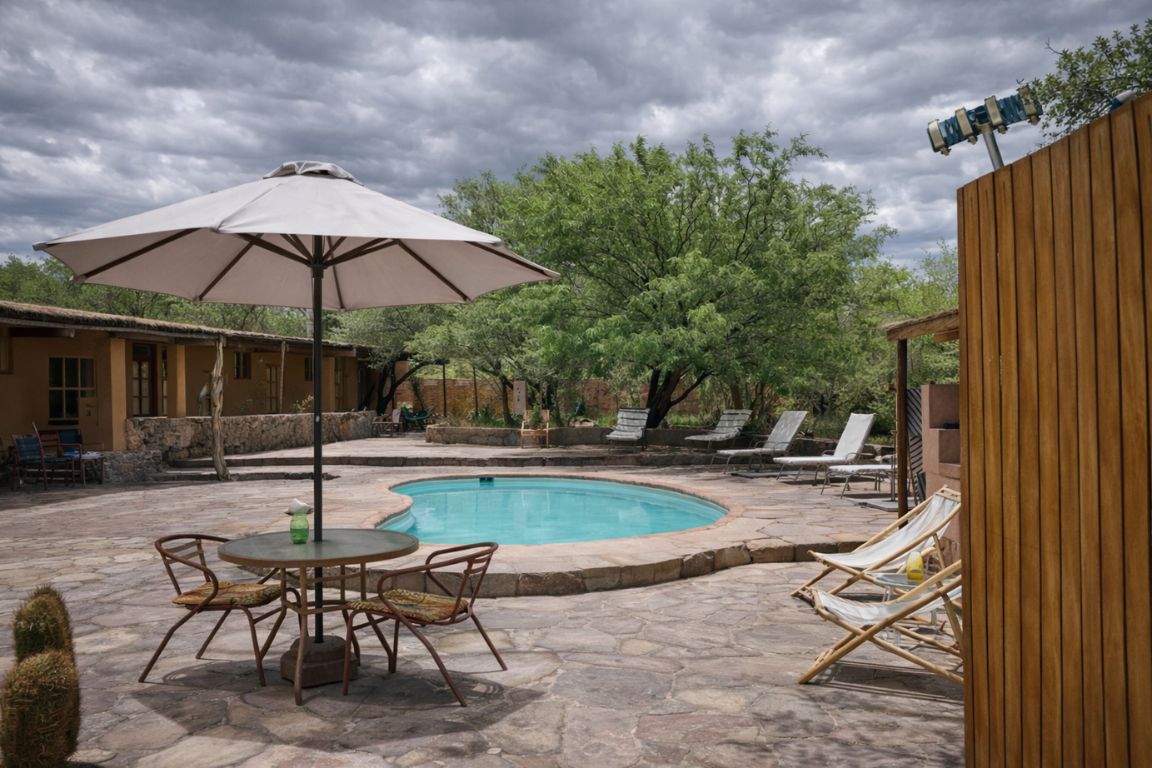
Accommodation seasonal variation shows mid-range hotel ($100-140 range typically) costing $140 summer peak, $180 Christmas week (+50% versus shoulder), $100-120 shoulder seasons (-10-20% versus summer), $80-100 winter (-30% versus summer) creating $50-100/night difference (couple) or $350-700/week multiplying significantly for families or extended stays.
Tour pricing seasonal shows Valle Luna $32-40 summer, $40-48 Christmas week, $25-32 shoulder, $25-30 winter demonstrating smaller percentage variation versus accommodation though still adding up (family of 4 saving $20-40 per tour, $80-160 across essential four tours: Valle Luna, El Tati, Altiplanic, Cejar).
Food costs seasonal remain relatively stable year-round (restaurants being $10-25 per meal regardless of season) with occasional Christmas week premiums (popular restaurants charging 10-20% more) though being minor factor versus accommodation and tour cost variations.
Airport shuttle seasonal shows being $15-25 per person year-round (minimal seasonal variation) with shared shuttles being standard pricing and private shuttles being $80-120 vehicle (2-4 passengers) regardless of season.
Our Atacama trip costs and budgeting guide shows realistic daily costs across categories – and rental cars consistently emerge as the worst value proposition compared to every other expense.
Table: Complete Seasonal Pricing Comparison (Family of 4, 7 Days)
| Cost Category | Christmas Week (Dec 20-Jan 5) | Summer Peak (Jan-Feb) | Shoulder (Apr-May, Sep-Oct) | Winter (Jun-Aug) | Savings Shoulder vs Christmas | Savings Winter vs Summer |
|---|---|---|---|---|---|---|
| Accommodation (mid-range, 7 nights) | $1,260-1,400 ($180-200/night) | $980-1,120 ($140-160/night) | $700-840 ($100-120/night) | $560-700 ($80-100/night) | $560-560 (44% cheaper) | $420-420 (43% cheaper) |
| Essential Tours (Valle Luna, El Tati, Cejar, Stars per person x4) | $760-880 | $660-760 | $520-640 | $480-600 | $240-240 (32% cheaper) | $180-160 (27% cheaper) |
| Meals (3 meals/day, mix cooking/dining) | $560-700 (+10-20% Xmas premium) | $490-630 | $490-630 | $490-630 | $70-70 (11% cheaper) | $0-0 (same) |
| Airport Shuttle (4 people roundtrip) | $60-100 | $60-100 | $60-100 | $60-100 | $0 (same) | $0 (same) |
| Miscellaneous (snacks, supplies, taxis) | $200-280 | $160-240 | $140-200 | $140-200 | $60-80 (30% cheaper) | $20-40 (13% cheaper) |
| TOTAL 7-Day Trip Family of 4 | $2,840-3,360 | $2,350-2,850 | $1,910-2,410 | $1,730-2,230 | $930-950 (33% cheaper) | $620-620 (26% cheaper) |
| Per Person Per Day | $102-120 | $84-102 | $68-86 | $62-80 | $33-34 cheaper daily | $22-22 cheaper daily |
Christmas week extreme demonstrates $2,840-3,360 total family of 4 being 33% more expensive than shoulder $1,910-2,410 and 60% more expensive than winter $1,730-2,230 creating substantial $930-1,630 difference justifying flexible travelers choosing alternative timing.
The summer peak $2,350-2,850 shows being 23% more expensive than shoulder $1,910-2,410 though this gap being acceptable for many travelers prioritizing warmest Cejar water, latest Valle Luna sunsets, festive international atmosphere, reliable weather (though shoulder being 98% reliable too).
Shoulder optimal value demonstrates $1,910-2,410 providing 70-80% of summer comfort and experience at 70-80% of summer cost creating best value proposition, with savings enabling longer stays (7 days versus 5 days same budget), upgraded accommodation (mid-range versus budget), or additional tours (adding Rainbow Valley, Piedras Rojas).
Winter budget advantage shows $1,730-2,230 being absolute cheapest annually enabling extended stays (10-14 days versus 7 days same budget), though requiring cold tolerance and accepting diminished Cejar experience creating trade-offs versus pure cost savings.
Per-person daily calculation demonstrates Christmas week being $102-120 per person daily versus shoulder $68-86 (saving $34/day, $238/week per person) and winter $62-80 (saving $40/day, $280/week per person) multiplying dramatically for families or couples.
Accommodation dominance shows representing 40-50% of total trip cost (mid-range $560-1,400 for week depending on season) creating largest saving opportunity, with booking shoulder/winter seasons or choosing budget accommodation being two primary cost reduction strategies.
Tour cost multiplication shows four essential tours (Valle Luna, El Tati, Cejar, stargazing) costing $660-880 family of 4 depending on season being second largest expense category (25-30% of total) with shoulder/winter timing or selective tour choices (skipping optional Rainbow Valley, Piedras Rojas) reducing costs.
Food cost stability demonstrates being relatively constant year-round ($490-630 week for family of 4 mixing restaurant meals and apartment/hostel cooking) with seasonal variation being minimal except Christmas week 10-20% premiums at popular restaurants.
Hidden cost seasonal shows winter requiring cold weather gear if inadequate (down jacket $100-250, thermal layers $40-80, gloves $20-40, warm hat $15-30) potentially offsetting accommodation savings for unprepared travelers versus summer requiring minimal specialized gear.
Budget optimization strategies include shoulder season timing (20-30% savings), apartment with kitchen cooking (saving $200-400/week versus all restaurant meals), selective tours (essential Valle Luna, El Tati, Cejar, Stars; skipping optional Rainbow, Piedras Rojas saving $140-200 family of 4), budget accommodation (saving $280-560/week versus mid-range though sacrificing comfort), direct operator booking (avoiding GetYourGuide/Viator +15-25% markups).
FAQs
What’s the best month to visit Atacama?
April and October are optimal combining warm comfortable weather (25-30°C days), 25-30% cost savings versus summer, moderate crowds, Cejar water adequate 18-20°C, all tours excellent conditions. September-May shoulder months (March, May, September, November) are also excellent. Avoid December 20-January 5 Christmas week (extreme costs, crowds) unless budget permits. Summer January-February acceptable if school-constrained though expensive. Winter June-August best for budget/stargazing but cold.
Is Atacama good to visit in winter?
Yes if cold-tolerant and budget-conscious. Advantages: 20-30% cheaper, minimal crowds, best stargazing globally (longest nights, Milky Way core prominent), excellent weather 99% clear. Challenges: cold nights 0-10°C San Pedro, El Tatio brutal -20°C to -30°C predawn requiring expedition gear, Cejar water too cold most 10-15°C (tolerate only 10-15 minutes). Ideal for hardy travelers, astronomy enthusiasts, budget backpackers. Skip if cold-sensitive or prioritizing Cejar floating experience.
When is peak season and should I avoid it?
Peak season December-February (especially December 20-January 5 Christmas week). Christmas week: +50-80% costs, 12-20 weeks advance booking essential, genuine sellouts, massive crowds. Regular summer January-February: +30-40% costs, high crowds, 6-10 weeks advance booking. Should you avoid? Depends: families with school-age kids often constrained to this period (worth premium for many), flexible travelers better choosing shoulder April-May or September-October (25-30% savings, 70-80% same experience).
What’s the weather like year-round?
Excellent and reliable. 300+ sunny days annually (95%+ clear weather any month). Temperature ranges: summer 30-35°C days/10-20°C nights, shoulder 22-30°C days/5-15°C nights, winter 20-28°C days/0-10°C nights. Minimal rain: May-November dry season 0-5mm total, December-April wet season 10-50mm total (2-8 days brief showers). Extreme aridity <1% humidity year-round requiring 3-4L daily water. UV intensity extreme all seasons (altitude effect) requiring SPF 50+ even winter.
Can I swim in Laguna Cejar year-round?
Technically yes, practically seasonal. Summer December-February: ideal 18-22°C water, comfortable 30-45 minute floating. Shoulder March-May/September-November: adequate 14-20°C water, tolerable 20-30 minutes (cooler than ideal but OK). Winter June-August: cold 10-15°C water, most tolerate only 10-15 minutes (many skip entirely). Recommendation: visit summer or shoulder for full Cejar experience, winter consider skipping or accept brief tolerance only.
How far in advance should I book?
Depends on season. Christmas week (Dec 20-Jan 5): 12-20 weeks essential (accommodation, tours sell out). Summer (Jan-Feb): 6-10 weeks recommended. Shoulder (Apr-May, Sep-Oct): 3-6 weeks adequate, 2-4 weeks minimum. Winter (Jun-Aug): 2-4 weeks sufficient, 1-2 weeks often OK. Last-minute booking feasible winter/shoulder though limiting selection and potentially increasing costs. Peak seasons require substantial advance planning preventing disappointment.
Glossary
- Shoulder Season: March-May spring and September-November fall periods between peak summer and winter showing moderate costs (-20-30% versus summer), comfortable temperatures (22-30°C days, 5-15°C nights), moderate crowds, optimal touring conditions creating best value-comfort balance for flexible travelers.
- Christmas Week Premium: December 20-January 5 annual extreme showing costs +50-80% above shoulder seasons, genuine sellouts requiring 12-20 weeks advance booking, massive international crowds, though spectacular weather and festive atmosphere justifying premium for those planning far ahead.
- Dry Season: May-November period receiving virtually zero rainfall (0-5mm total, 0-2 rainy days entire period) with 99% clear sky probability creating perfect guaranteed touring conditions versus wet season December-April receiving minimal precipitation (10-50mm, 2-8 days).
- Sunset Timing Seasonal: Valle de la Luna sunset tour departure times varying by season with summer 5-6pm departures (7:30-8:30pm sunsets), shoulder 4-5pm departures (6:30-7:30pm sunsets), winter 3-4pm departures (6-6:30pm sunsets) creating 2-2.5 hour annual shift affecting tour schedules.
- Cejar Water Temperature: Laguna Cejar (floating salt lagoon) water temperature varying seasonally from summer optimal 18-22°C (comfortable 30-45 minute swimming) to shoulder adequate 14-20°C (tolerable 20-30 minutes) to winter cold 10-15°C (brief 10-15 minute tolerance) creating strong seasonal activity recommendation.
Key Takeaways
- Atacama Desert is year-round destination with 300+ sunny days annually (95%+ clear weather probability any month) though each season offering distinct advantages and challenges requiring personal priority assessment.
- Shoulder seasons (March-May spring, September-November fall) are optimal for most travelers showing 20-30% lower costs versus summer peak (mid-range accommodation $70-85 vs $110-140, Valle Luna $25-32 vs $32-40), comfortable temperatures (22-30°C days requiring sunscreen but not oppressive, 5-15°C nights requiring fleece but not freezing), moderate crowds (10-14 person tour groups vs 16-20 summer), excellent weather reliability (98% clear days, 0-5mm rainfall entire period), all tours operating optimally (Cejar water 14-20°C adequate floating 20-30 minutes, El Tatio -12°C to -22°C predawn manageable with proper gear, Valle Luna 6:30-7:30pm sunsets ideal timing), creating best value-comfort balance. April-May and September-October represent absolute optimal months combining warmest shoulder temperatures (25-30°C days, 10-15°C nights, Cejar 18-20°C approaching summer comfort), 25-30% cost savings, perfect touring conditions.
- Summer (December-February) is peak season with highest costs (+30-40% typical, Christmas week December 20-January 5 extreme +50-80%), largest crowds (advance booking 8-12 weeks essential, Christmas 12-20 weeks critical preventing sellouts), warmest temperatures (30-35°C days comfortable with hydration/sun protection, 10-20°C nights requiring only light fleece), latest sunsets (Valle Luna 7:30-8:30pm creating spectacular late golden hour), warmest Cejar water (18-22°C enabling comfortable 30-45 minute floating maximizing enjoyment), least cold El Tatio (-10°C to -20°C predawn versus -20°C to -30°C winter though still requiring comprehensive warm gear), creating premium experience at premium price for families constrained to school holidays or travelers prioritizing maximum warmth and comfort.
- Christmas week December 20-January 5 shows absolute annual extreme requiring 12-20 weeks advance booking (accommodation selling out completely, tours potentially unavailable peak days), costs being 50-80% above shoulder seasons (mid-range hotel $180-200/night vs $100-120 shoulder, tours +40-60%), massive international crowds, bustling festive atmosphere, though spectacular weather and latest sunsets justifying premium for those planning far ahead with flexible budgets.
- Winter (June-August) is coldest season with lowest costs (20-30% below summer creating substantial savings: mid-range $80-100/night vs $110-140 summer, tours $45-55 vs $50-60), smallest crowds (minimal tourists creating peaceful atmosphere, intimate 6-10 person tour groups, easy 1-2 week advance booking with negotiation leverage), coldest temperatures (20-28°C days pleasant sunny though cooler, 0-10°C nights requiring substantial heating and warm sleeping layers, El Tatio -20°C to -30°C predawn brutally cold requiring expedition-level gear: heavy down jacket -20°C+ rated, multiple thermal layers, heavy gloves/mittens, balaclava, hand warmers), earliest sunsets (Valle Luna 6-6:30pm creating 3-4pm departures), best stargazing (absolute optimal conditions: longest nights 11-12 hours darkness, Milky Way galactic core highest visibility, coldest clearest air), Cejar water cold (10-15°C most tourists tolerating only 10-15 minutes creating diminished experience or skip-worthiness versus summer 30-45 minutes), creating excellent value for hardy travelers, astronomy enthusiasts, budget backpackers, crowd-avoiders accepting cold tolerance trade-offs.
- All tours operate 365 days year-round (Valle Luna, El Tatio, Altiplanic, Cejar, Puritama, stargazing, Rainbow Valley) with no seasonal closures creating complete flexibility though seasonal optimization varying by activity: Cejar best summer (warm water), El Tati best summer (least cold predawn), Puritama best winter (maximum therapeutic temperature contrast 30-35°C pools vs 10-20°C air), stargazing best winter (longest nights, optimal Milky Way position), Valle Luna excellent year-round (main difference being sunset timing and temperatures).
- Temperature daily swings 20-30°C remain constant year-round requiring layering strategy all seasons (summer 30-35°C days cooling to 10-20°C nights, winter 20-28°C days cooling to 0-10°C nights) versus single-weight clothing. Altitude acclimatization requirement (minimum 48-72 hours at San Pedro 2,400m before 4,000m+ tours) remains universal regardless of season.
- UV radiation intensity extreme year-round (altitude creating 25-50% stronger than sea level) requiring aggressive sun protection (SPF 50+ hourly reapplication, wide-brim hat, quality UV400 sunglasses) all seasons including winter when temperatures being cold but radiation remaining intense. Extreme aridity <1% humidity year-round creates dehydration risk (3-4L daily water essential regardless of season), skin cracking (aggressive moisturizing necessary), lips splitting (SPF lip balm multiple applications) all months.
- Best time overall verdict: April-May and September-October for flexible travelers prioritizing value-comfort balance, December-February for families constrained by school holidays accepting premium costs, June-August for budget travelers and astronomy enthusiasts tolerating cold, avoiding December 20-January 5 unless budget permits extreme premium and planning 12-20 weeks ahead.
- Booking timeline varies dramatically: Christmas requiring 12-20 weeks, summer 6-10 weeks, shoulder 3-6 weeks, winter 1-4 weeks with consequences being sold-out accommodation, limited tour availability, higher last-minute costs.
- Budget impact substantial: family of 4 spending $2,840-3,360 Christmas week vs $1,910-2,410 shoulder (saving $930-950, 33% cheaper) vs $1,730-2,230 winter (saving $1,110-1,130, 39% cheaper Christmas) multiplying dramatically for extended stays.
- Weather reliability exceptional 95%+ clear days any month with minimal rain (May-November dry season 0-5mm total, December-April wet season 10-50mm total being trivial) enabling confident planning year-round. Start with the Valley of the Moon Tour to see dates for your month.
Written by experienced Atacama travel specialist with comprehensive knowledge of seasonal weather patterns, cost variations, crowd dynamics, tour optimization, and practical planning considerations enabling travelers to make informed timing decisions matching personal priorities (budget, weather preferences, crowd tolerance, specific activities) to optimal visiting season creating best possible desert experience. Date: December 29, 2025.
Make It Part Of Your Trip
Choose the valley landscape when a shorter day is the priority.
Valley Of The Moon
Make room for a desert landscape outing without committing several days. A guided Moon Valley excursion gives your afternoon a clear destination.
See Moon Valley Departures ↗