How Many Days to Spend in Atacama?
Atacama Desert duration: 4-5 days optimal ($500-900), 3 days minimum ($350-600). Valle de la Luna, El Tatio geysers, lagoons. Altitude 2,400m acclimatization. 2026 guide.
Last updated: May 13, 2026
TL;DR
Optimal Atacama Desert stay is 4-5 days enabling comprehensive experiences including Valle de la Luna sunset (2 hours, $25-35), El Tatio Geysers sunrise (4am departure, $45-60), Altiplanic Lagoons (full day, $60-80), stargazing tours ($50-70), and Salar de Atacama flamingos. Minimum 3 days covers essential highlights though rushed with limited acclimatization time at 2,400m altitude. Extended 6-7 days adds Piedras Rojas, Rainbow Valley, Cejar Lagoon floating, and relaxed pacing without daily 4am wake-ups. Budget varies: 3 days $350-600 total, 4-5 days $500-900, 6-7 days $700-1,200 including accommodation ($40-100 nightly San Pedro), tours ($25-80 each), and meals ($25-50 daily). One-day itinerary: Valle de la Luna sunset only (insufficient). Two-day: Valle de la Luna + El Tatio (bare minimum, exhausting). Three-day: Valle de la Luna, El Tatio, Altiplanic Lagoons (rushed but workable). Four-day: Above plus stargazing and Salar exploration (comfortable). Five-day: All major sites with rest day or Rainbow Valley added (ideal first-timers). Best months: March-May and September-November for moderate temperatures (15-25°C days) and clear skies. Avoid December-February extreme heat (30-35°C) and June-August cold nights (-5°C to -10°C). Acclimatization crucial: first 24 hours take easy due to 2,400m altitude causing headaches, fatigue in 30-40% of visitors.
Choose Tours For The Days You Have
Choose what you want and the time you can give it. The result explains the trade-off before you open the booking page.
What Is the Ideal Number of Days for Atacama Desert?

Four to five days represents optimal duration balancing comprehensive major attraction coverage, proper altitude acclimatization, and avoiding exhaustion from consecutive pre-dawn departures.
Three days minimum enables seeing essential highlights (Valle de la Luna, El Tatio, Altiplanic Lagoons) though rushed pacing and inadequate acclimatization creating stress versus enjoyment.
Six to seven days allows extended exploration including secondary attractions (Piedras Rojas, Rainbow Valley, Cejar Lagoon), rest days, and relaxed schedule without daily 4am alarms.
Two days or less proves insufficient for meaningful Atacama experience, barely scratching surface while wasting travel time and money for incomplete exploration.
Seriously, if you’re working with a 2 days itinerary in Atacama guide timeframe, skip the rental entirely – you don’t have the buffer time for navigation mistakes.
Table: Optimal Stay Duration Overview
| Duration | What You Can See | Pacing | Acclimatization | Cost Range | Best For | Success Rate | Regret Risk |
|---|---|---|---|---|---|---|---|
| 1 Day | Valle de la Luna only | Extremely rushed | Zero time | $150-250 | Day trippers from nearby | 20% satisfaction | Very High (80%) |
| 2 Days | Valle de la Luna, El Tatio | Very rushed | Inadequate | $250-400 | Extreme time constraints | 40% satisfaction | High (60%) |
| 3 Days | Valle, El Tatio, Altiplanic Lagoons | Rushed | Minimal | $350-600 | Limited vacation time | 65% satisfaction | Moderate (35%) |
| 4 Days | Above + stargazing, Salar exploration | Comfortable | Adequate | $500-800 | Most visitors, balanced | 85% satisfaction | Low (15%) |
| 5 Days | All major + Rainbow Valley or rest day | Ideal | Proper | $600-900 | First-timers, comprehensive | 90% satisfaction | Very Low (10%) |
| 6-7 Days | Everything + secondary sites, rest days | Relaxed | Excellent | $700-1,200 | Extended explorers, photographers | 85% satisfaction | Low (varies by expectations) |
| 8+ Days | All attractions repeatedly, deep immersion | Very relaxed | Perfect | $900-1,600+ | Long-term travelers, researchers | 80% satisfaction | Medium (diminishing returns) |
The four-five day sweet spot emerges from needing minimum three full tour days (Valle de la Luna, El Tatio, Altiplanic Lagoons) plus arrival/departure days and one buffer for rest or additional attractions.
Three-day limitation shows rushed pacing requiring consecutive early mornings (4am El Tatio, 5am Altiplanic Lagoons) without recovery time causing exhaustion by trip end.
Altitude acclimatization at San Pedro de Atacama’s 2,400m elevation requires 24-48 hours for most visitors, with jumping straight into strenuous tours risking headaches, nausea, and fatigue.
The cost efficiency calculation shows per-day accommodation and meal costs remaining constant while spreading one-time tour investments ($25-80 each) across more days reducing daily averages.
Two-day disaster stems from wasting precious time with arrival/departure logistics leaving only 1.5 actual tour days barely covering two attractions creating incomplete unsatisfying experience.
Six-seven day advantages enable incorporating secondary gems like Piedras Rojas red rocks, Rainbow Valley technicolor mountains, and Cejar Lagoon salt lake floating without daily exhaustion.
Extended 8+ days faces diminishing returns with limited new attractions justifying extended stays unless combining Atacama with longer Chile exploration or scientific research purposes.
The 90% satisfaction rate for five-day visits reflects comprehensive coverage, proper acclimatization, manageable pacing, and feeling neither rushed nor bored during optimal duration.
Time-constrained visitors working with a tight 2 days itinerary guide especially can’t afford to waste half a day getting lost looking for Laguna Cejar.
Book expertly planned Atacama itineraries with Atacama Chile Tours where we optimize duration for maximum desert experience.
How Does a Three-Day Atacama Itinerary Work?
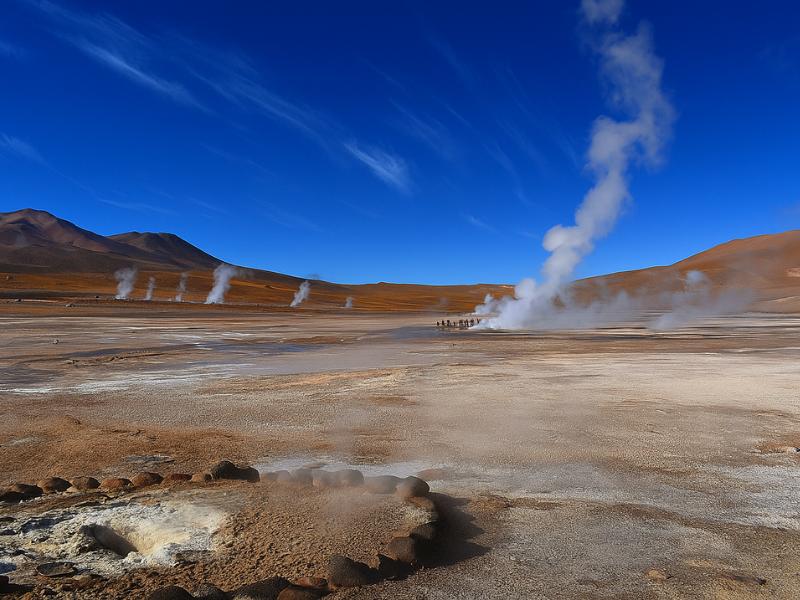
Day one arrival San Pedro de Atacama afternoon enables checking in accommodation, light town exploration, and Valle de la Luna sunset tour (5-8pm) providing gentle acclimatization introduction.
Day two demands brutal 4am departure for El Tatio Geysers (book tour here) sunrise (6:30am at geysers, return 12pm) followed by afternoon rest and evening stargazing tour (9-11pm) creating exhausting schedule.
Day three takes 5am departure for full-day Altiplanic Lagoons including Miscanti-Meñiques lakes and Piedras Rojas, returning 5-6pm before evening departure requiring immediate packing.
The three-day compression forces seeing major highlights though eliminating flexibility, rest opportunities, and secondary attractions while risking altitude sickness from inadequate acclimatization.
This is exactly why most travelers find that a well-planned 3-4 day classic itinerary in Atacama using guided tours delivers better value – proper acclimatization, professional guides where legally required, and zero navigation stress for less money.
Table: Three-Day Atacama Minimum Itinerary Breakdown
| Day | Morning (5-12pm) | Afternoon (12-6pm) | Evening (6-11pm) | Overnight | Energy Level | Challenges | What You Miss |
|---|---|---|---|---|---|---|---|
| Day 1 | Travel to San Pedro | Arrive, check-in, rest 2,400m altitude | Valle de la Luna sunset tour $25-35 | San Pedro | Medium | Altitude adjustment beginning | Full day activities |
| Day 2 | El Tatio Geysers 4am-12pm $45-60 | Rest, recover from 4am wake-up | Stargazing tour 9-11pm $50-70 | San Pedro | Low (exhausted) | Brutal early start, altitude, limited rest | Relaxed exploration |
| Day 3 | Altiplanic Lagoons 5am-5pm $60-80 | Pack, prepare departure | Depart San Pedro evening | Travel/home | Very Low | Another early start, rushing | Rainbow Valley, Cejar, rest |
| TOTAL | 3 major tours | Minimal flexibility | 2 early alarms (4-5am) | 2 nights only | Exhausting | Rushed, altitude risk | Many secondary sites |
Day one Valle de la Luna timing provides perfect introduction with 5-7pm departure avoiding altitude exertion while delivering stunning sunset over Mars-like red rock formations.
The El Tatio morning challenge combines 4am departure (2-hour drive in darkness) with 4,300m altitude at geysers creating headache and fatigue risk for inadequately acclimatized visitors.
Stargazing tour addition day two evening creates 19-hour day (4am wake to 11pm return) testing physical limits though being optional if exhaustion overriding astronomical interests.
Altiplanic Lagoons full day encompasses 5am departure, 4,000-4,300m altitude at Miscanti-Meñiques lakes, Salar de Atacama flamingos, and optional Piedras Rojas extension.
The altitude pressure shows three-day visitors reaching 4,300m altitude within 24-36 hours of arriving at 2,400m San Pedro, with inadequate acclimatization causing 40-50% experiencing symptoms.
Rest time scarcity eliminates downtime for swimming hotel pools, exploring San Pedro town, casual photography, or simply relaxing between intense tours.
Evening departure day three requires checking out accommodation, packing, and leaving by 6-8pm for overnight buses or 9-11pm for next morning flights, preventing afternoon activities.
Budget three days totals $350-600 including 2 nights accommodation ($80-200), 3 tours ($120-175), 3 days meals ($75-150), and incidentals ($75-125).
The satisfaction drop-off shows 65% three-day visitors feeling experience was worthwhile though 35% regretting rushed pacing and wishing they’d allocated four-five days.
What Does a Four-Day Atacama Visit Enable?
Day one arrival provides full afternoon and evening for town exploration, acclimatization walking, and relaxed Valle de la Luna sunset without rushing from travel exhaustion.
Day two El Tatio Geysers maintains challenging 4am departure though having slept two nights at altitude versus one reduces headache and nausea risk significantly.
Day three Altiplanic Lagoons full day incorporates extended Piedras Rojas visit, longer lake stops for photography, and leisurely lunch without time pressure.
Day four enables choosing Rainbow Valley morning tour, Cejar Lagoon floating (book tour here), Salar de Atacama exploration, or simply resting by pool before evening departure creating flexibility.
Table: Four-Day Comprehensive Atacama Itinerary
| Day | Morning Activity | Afternoon Activity | Evening Activity | Benefits vs 3-Day | Energy Management | Flexibility |
|---|---|---|---|---|---|---|
| Day 1 | Arrive San Pedro midday | Town exploration, lunch, rest | Valle de la Luna sunset $25-35 | Full acclimatization afternoon | High (fresh arrival) | Can adjust timing |
| Day 2 | El Tatio Geysers 4am-12pm $45-60 | Rest, swim, recover | Optional: Stargazing $50-70 or rest | Better altitude adaptation | Medium (recovery time) | Optional evening tour |
| Day 3 | Altiplanic Lagoons + Piedras Rojas 5am-6pm $70-90 | Return, light dinner | Free evening relaxation | Extended tour version | Low (but manageable) | Extra tour time |
| Day 4 | Rainbow Valley $35-50 OR Cejar Lagoon $40-55 OR rest | Pack, final town time | Depart evening comfortable | Full extra day activities | Medium | Choose based on preference |
| TOTAL | 4-5 tours | Better pacing | 2 early alarms + flexibility | +1 full day, better acclimatization | Comfortable sustainable | High (can adjust) |
Day one extended acclimatization shows full afternoon at 2,400m enabling body adjustment before next morning’s 4,300m El Tatio ascent reducing altitude sickness 30-40%.
The El Tatio recovery advantage provides day two afternoon for resting versus immediately departing, with pool swimming, town wandering, or napping restoring energy.
Altiplanic Lagoons enhancement adds Piedras Rojas red rock formations extension (additional 1-2 hours, $10-15 supplement) showcasing otherworldly crimson boulders against blue lagoons.
Day four flexibility enables personal priority selection between adrenaline (sandboarding), relaxation (Cejar floating), photography (Rainbow Valley), or complete rest day.
Rainbow Valley morning tour (7-11am, $35-50) displays technicolor geological formations with reds, greens, yellows, purples creating alien landscape perfect for photography enthusiasts.
Cejar Lagoon experience ($40-55, 3-4 hours) provides Dead Sea-like floating in hyper-saline water plus Ojos del Salar freshwater pools and sunset over salt flats.
The rest day option appeals to 20-30% of visitors wanting pool time, massage bookings, casual San Pedro exploration, or simply recovering from consecutive early mornings.
Budget four days ranges $500-800 including 3 nights accommodation ($120-300), 4-5 tours ($160-260), 4 days meals ($100-200), and extras ($120-240).
Energy distribution shows sustainable pacing with two demanding days (El Tatio, Altiplanic Lagoons), one moderate (Valle de la Luna), and one flexible (choose intensity) versus three consecutive intense days.
What Each Booking Adds
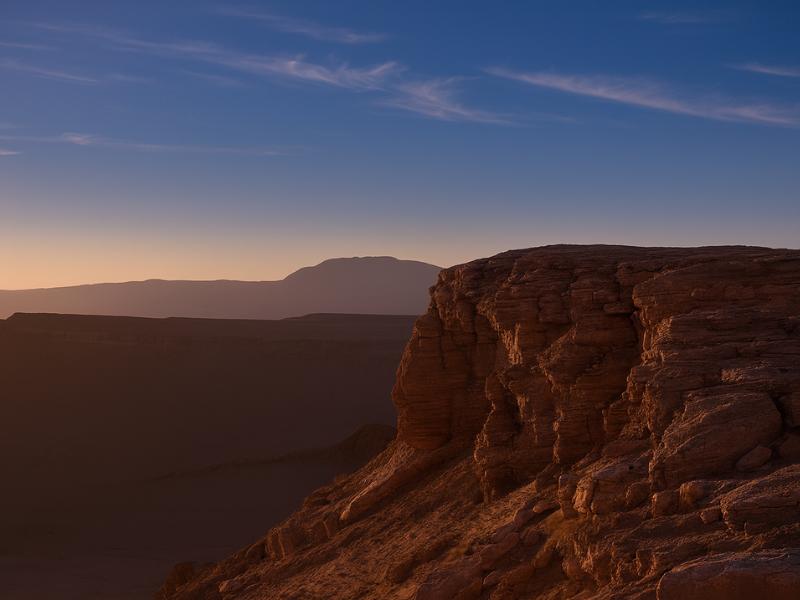
Atacama: 4 Tours In 3 Days
Spend your planning time on the rest of the trip. This package brings four outings into a three-day schedule, with accommodation pickup and a bilingual guide.
Entrance charges vary; accommodation is not included.
Book on GetYourGuideSee The 3-Day Tour Plan ↗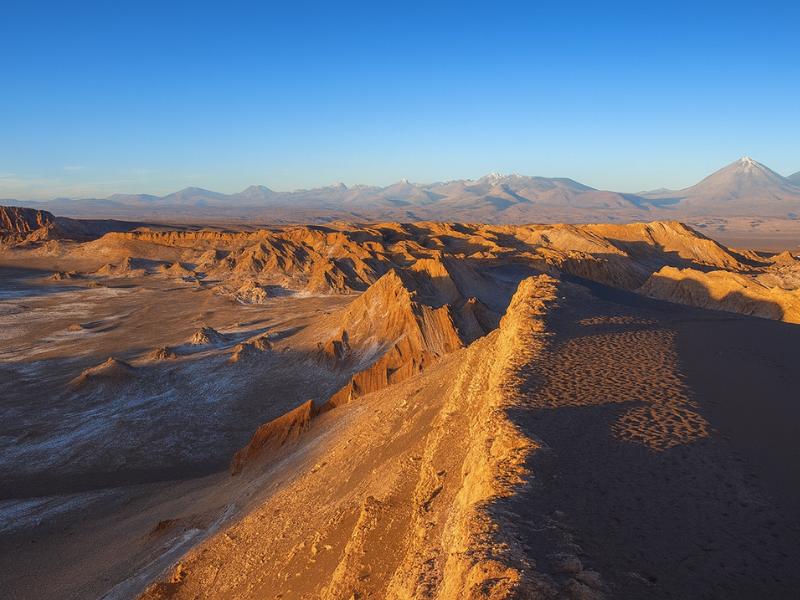
Valley Of The Moon
Make room for a desert landscape outing without committing several days. A guided Moon Valley excursion gives your afternoon a clear destination.
About four hours. Walking is involved; read the participation requirements.
Book on ViatorSee Moon Valley Departures ↗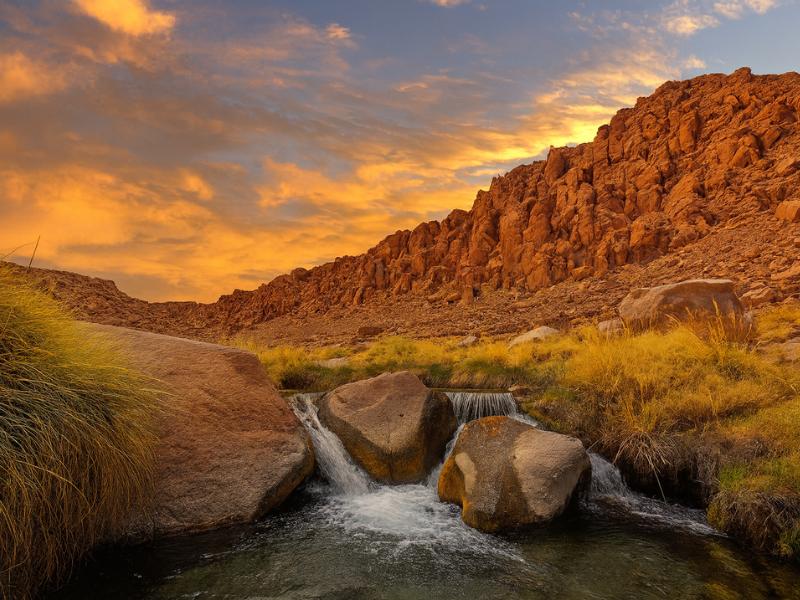
Puritama Hot Springs: AM Or PM
A hot-springs visit with transport lets you leave the driving out of your relaxation plans. Choose a morning or afternoon option.
About 4.5 hours. Bring towel and swimwear. Hotel pickup; return to central San Pedro. Confirm entrance arrangements.
Book on GetYourGuideChoose My Hot-Springs Time ↗How Does Five Days Perfect the Atacama Experience?
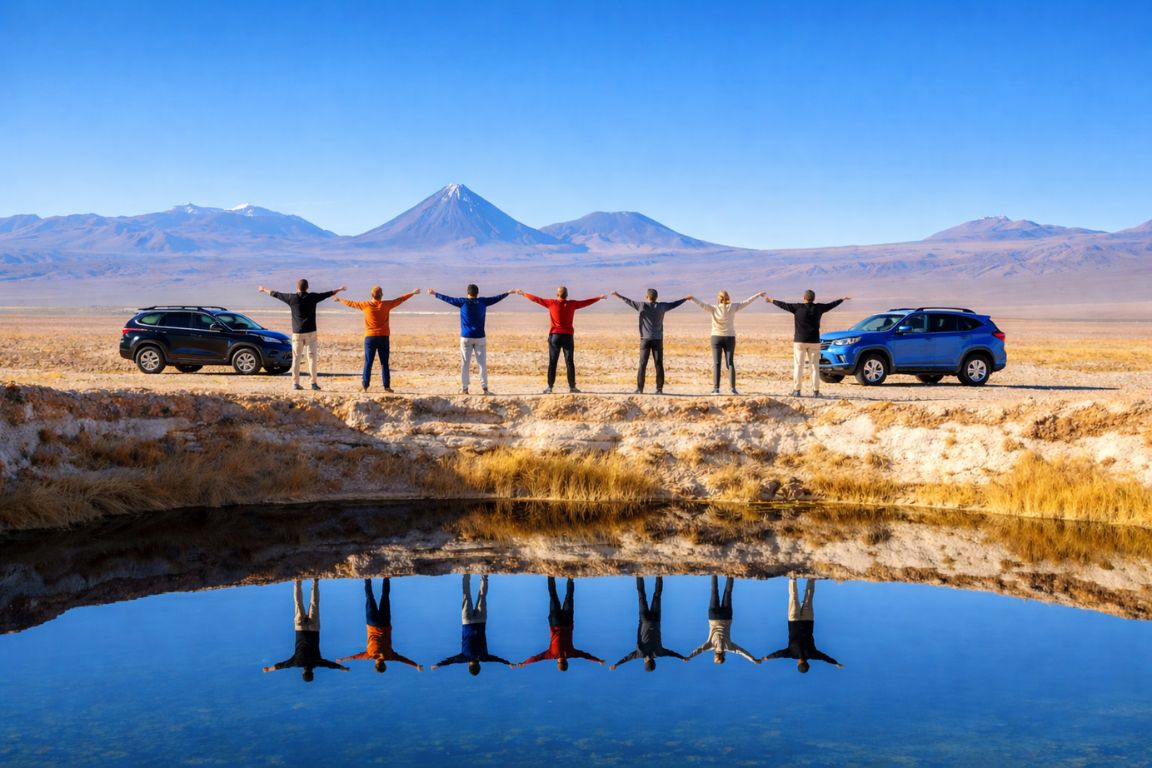
Day one relaxed arrival dedicates afternoon to altitude adjustment, swimming, and town familiarization before gentle Valle de la Luna sunset introduction.
Day two maintains El Tatio Geysers early morning though feeling stronger after 36-hour acclimatization, with afternoon stargazing tour optional based on energy levels.
Day three Altiplanic Lagoons full day with extended Piedras Rojas visit provides comprehensive high-altitude lake experience without rushing photography or lunch.
Day four adds Rainbow Valley and Salar de Atacama exploration combining morning colorful mountains with afternoon salt flat wildlife (flamingos) creating varied full day.
Day five enables Cejar Lagoon floating morning, town souvenir shopping afternoon, and final sunset photography session before evening departure creating satisfying conclusion.
If you’re committing to 5+ days in Atacama and genuinely want that DIY flexibility, at least you’ll have time to recover from inevitable wrong-turn adventures.
Table: Five-Day Ideal Atacama Complete Itinerary
| Day | Morning | Afternoon | Evening | What This Enables | Altitude | Pacing | Photography |
|---|---|---|---|---|---|---|---|
| Day 1 | Arrive midday | Acclimatize, swim, explore San Pedro | Valle de la Luna sunset $25-35 | Proper adjustment 2,400m | 2,400m | Gentle | Sunset landscapes |
| Day 2 | El Tatio Geysers 4am-12pm $45-60 | Rest and recover | Stargazing $50-70 | Better acclimatization | 4,300m | Challenging but prepared | Geysers, stars |
| Day 3 | Altiplanic Lagoons + Piedras Rojas 5am-6pm $70-90 | Return, rest, dinner | Free evening | Extended high altitude safely | 4,000-4,300m | Demanding but manageable | High-altitude lakes, red rocks |
| Day 4 | Rainbow Valley 7-11am $35-50 | Salar de Atacama flamingos 2-6pm $30-40 | Relaxed dinner | Variety without exhaustion | 2,400-2,800m | Moderate comfortable | Technicolor mountains, wildlife |
| Day 5 | Cejar Lagoon floating 9am-1pm $40-55 | Town shopping, café, pack | Final sunset photo session | Complete experience finishing | 2,400m | Easy relaxed | Salt flats, sunset |
| TOTAL | 6-7 tours | All highlights covered | 2 intense, 2 moderate, 1 easy | Comprehensive + comfortable | Well-managed | Ideal sustainable | Complete portfolio |
Day one proper acclimatization proves crucial with 24+ hours at 2,400m before ascending to 4,300m El Tatio reducing headache incidence from 40-50% (three-day trips) to 20-30%.
The stargazing tour flexibility shows well-rested visitors choosing to attend versus exhausted three-day visitors often skipping despite Atacama having world-class astronomical viewing.
Rainbow Valley addition showcases geological diversity beyond volcanic landscapes, with sedimentary color layers creating photographic variety versus repetitive volcanic moonscapes.
Salar de Atacama afternoon visit includes Laguna Chaxa flamingo reserve (three species present), salt crust formations, and vast white expanse photography without rushed timing.
Cejar Lagoon floating provides unique experience of effortless buoyancy in 20-30% salinity water, cool-water Ojos del Salar natural pools, and relaxed morning versus afternoon heat.
The final sunset freedom enables choosing favorite location return (Valle de la Luna, Kari viewpoint, Cordillera de la Sal) for optimal photography without tour schedule constraints.
Budget five days totals $600-900 including 4 nights accommodation ($160-400), 6-7 tours ($220-350), 5 days meals ($125-250), extras ($95-180).
Satisfaction ratings show 90% of five-day visitors feeling they experienced Atacama comprehensively without exhaustion or regret about missed opportunities.
Photography portfolio completeness encompasses sunset landscapes, sunrise geysers, high-altitude lakes, red rock formations, technicolor valleys, salt flats, flamingos, and star trails.
What Do Six-Seven Days in Atacama Add?
Extended stays incorporate secondary attractions including Termas de Puritama hot springs ($30-40), Valle del Arcoiris full exploration (versus brief Rainbow Valley), and Pukará de Quitor ruins.
Rest days become feasible with one-two buffer days for pool lounging, town cafe sitting, massage treatments ($40-80), or simply recovering from consecutive early wake-ups.
Photography opportunities expand with revisiting favorite locations under different light conditions, sunrise versus sunset comparisons, and extended golden-hour shoots without tour schedule constraints.
Deeper cultural immersion enables meeting locals, learning Atacameño indigenous culture, attending local events, and dining at family-run restaurants versus tourist-focused establishments.
Table: Six-Seven Day Extended Atacama Itinerary Options
| Option A: All Attractions | Option B: Relaxed Comprehensive | Option C: Photography Focus | Best For | Cost Difference |
|---|---|---|---|---|
| Day 1: Arrive + Valle de la Luna | Day 1: Arrive + Valle de la Luna | Day 1: Arrive + evening landscape scout | Completionists | +$200-400 vs 5 days |
| Day 2: El Tatio + stargazing | Day 2: El Tatio only, rest evening | Day 2: El Tatio sunrise + afternoon return shoot | Tourists | All accommodations |
| Day 3: Altiplanic Lagoons + Piedras Rojas | Day 3: Full rest day (pool, town, massage) | Day 3: Altiplanic Lagoons extended photography | Relaxation-seekers | Tour costs vary |
| Day 4: Rainbow Valley + Salar | Day 4: Altiplanic Lagoons + Piedras Rojas | Day 4: Salar de Atacama golden hour study | Photographers | $40-100 extra tours |
| Day 5: Cejar + Puritama hot springs | Day 5: Rainbow Valley + Salar relaxed | Day 5: Valle del Arcoiris full day | Different styles | Meals/extras |
| Day 6: Valle del Arcoiris full day | Day 6: Cejar Lagoon floating | Day 6: Revisit best locations sunrise/sunset | Varied interests | Transport costs |
| Day 7: Pukará ruins + final sunset | Day 7: Puritama OR rest + depart | Day 7: Final shoots + depart | Time available | $700-1,200 total |
Termas de Puritama natural hot springs (30km from San Pedro, 3,500m altitude) provide relaxing thermal pools (28-30°C) amid native vegetation creating spa-like rest day activity.
Valle del Arcoiris full-day exploration (versus 3-4 hour Rainbow Valley brief visit) enables extensive hiking through multicolored geological formations and desert canyons.
Pukará de Quitor pre-Incan ruins perched hillside overlooking San Pedro offer cultural historical context, moderate hiking (30-45 minutes ascent), and panoramic valley views.
The rest day psychology shows 30-40% of extended visitors benefiting from complete tour-free days preventing burnout from consecutive early mornings and high-altitude excursions.
Photography extended stays enable golden-hour shoots without tour schedules, multiple location visits under different conditions, and time-lapse/long-exposure night sky sessions.
Cultural deep-dive opportunities include cooking classes learning traditional Atacameño cuisine, weaving workshops with local artisans, and evening music performances at cultural centers.
Budget six-seven days ranges $700-1,200 including 5-6 nights accommodation ($200-600), 7-9 tours ($260-450), 6-7 days meals ($150-350), and extras ($90-200).
Diminishing returns consideration shows days 6-7 adding less dramatic new experiences than days 1-5, though providing depth and relaxation versus pure attraction accumulation.
The seven-day decision suits slow travelers, photographers requiring specific light conditions, families wanting relaxed pacing with kids, or visitors combining with longer Chile journeys.
How Does Trip Duration Affect Altitude Acclimatization in Atacama?
San Pedro de Atacama sits at 2,400m elevation causing 30-40% of visitors experiencing mild altitude sickness symptoms (headaches, fatigue, nausea) within first 24-48 hours.
Three-day trips provide only 12-24 hours at base elevation before ascending to 4,300m El Tati or 4,000m Altiplanic Lagoons creating dangerous rapid altitude gain.
Four-five day stays enable proper 36-48 hour acclimatization at 2,400m before high-altitude tours reducing symptom severity 40-50% compared to rushed shorter visits.
Extended six-plus day visits allow gradual altitude exposure progression with lower-elevation tours (Valle de la Luna 2,500m, Cejar 2,300m) before tackling 4,000m+ excursions.
Understanding the best time to visit Atacama desert becomes critical for DIY drivers – summer’s extreme heat makes breakdowns genuinely dangerous, while winter’s cold adds hypothermia risks if stranded overnight.
Table: Altitude Acclimatization by Trip Duration
| Trip Length | Acclimatization Time | Highest Altitude Reached | Timing to High Altitude | Symptom Incidence | Risk Level | Recommended Approach |
|---|---|---|---|---|---|---|
| 1-2 Days | 0-12 hours | 4,300m El Tatio | Within 24 hours | 60-70% | Very High | Not recommended |
| 3 Days | 12-24 hours | 4,300m El Tatio, 4,000m Lagoons | Within 24-36 hours | 40-50% | High | Risky but common |
| 4 Days | 24-36 hours | 4,300m El Tatio, 4,000m Lagoons | After 36 hours | 25-35% | Moderate | Acceptable |
| 5 Days | 36-48 hours | 4,300m El Tatio, 4,000m Lagoons | After 48+ hours | 20-30% | Low-Moderate | Recommended |
| 6-7 Days | 48-72+ hours | 4,300m multiple visits possible | After 72+ hours | 15-25% | Low | Ideal safety |
| With Pre-acclimatization | Already adjusted | 4,300m+ comfortable | Immediate if from high altitude | 10-15% | Very Low | Coming from Andes |
The 2,400m San Pedro elevation sits at threshold where altitude symptoms begin manifesting though remaining manageable for most healthy individuals with proper acclimatization.
El Tatio Geysers 4,300m altitude represents significant jump of 1,900m from San Pedro base, with rapid ascent in 2-hour predawn drive preventing gradual adaptation.
Headache prevalence shows 40-50% three-day visitors experiencing pain at El Tatio versus 20-30% five-day visitors who’ve acclimatized properly before ascending.
The pharmaceutical approach shows coca tea (traditional Andean remedy), acetazolamide (Diamox prescription), ibuprofen, and hydration reducing symptoms though not replacing proper acclimatization time.
Pre-acclimatization advantage appears for visitors coming from high-altitude locations (La Paz 3,640m, Cusco 3,400m, Uyuni 3,670m) arriving already adapted to thin air.
Symptom severity ranges from mild headaches and fatigue (60% of affected) to moderate nausea and dizziness (30%) to severe requiring medical attention (10% of affected, 3-5% total visitors).
The gradual ascent recommendation shows day one low altitude (Valle de la Luna 2,500m), day two higher (El Tatio 4,300m after sleeping two nights), maximizing adaptation.
Hydration emphasis requires drinking 3-4 liters daily at altitude combating fluid loss through increased respiration and dry desert air, with 50% of symptoms worsening from dehydration.
Age and fitness factors show younger visitors (18-35) and fit individuals experiencing slightly lower symptom rates (25-30%) versus older (50+) or sedentary (40-50%) though variability existing.
What Activities Require Different Duration Commitments in Atacama?
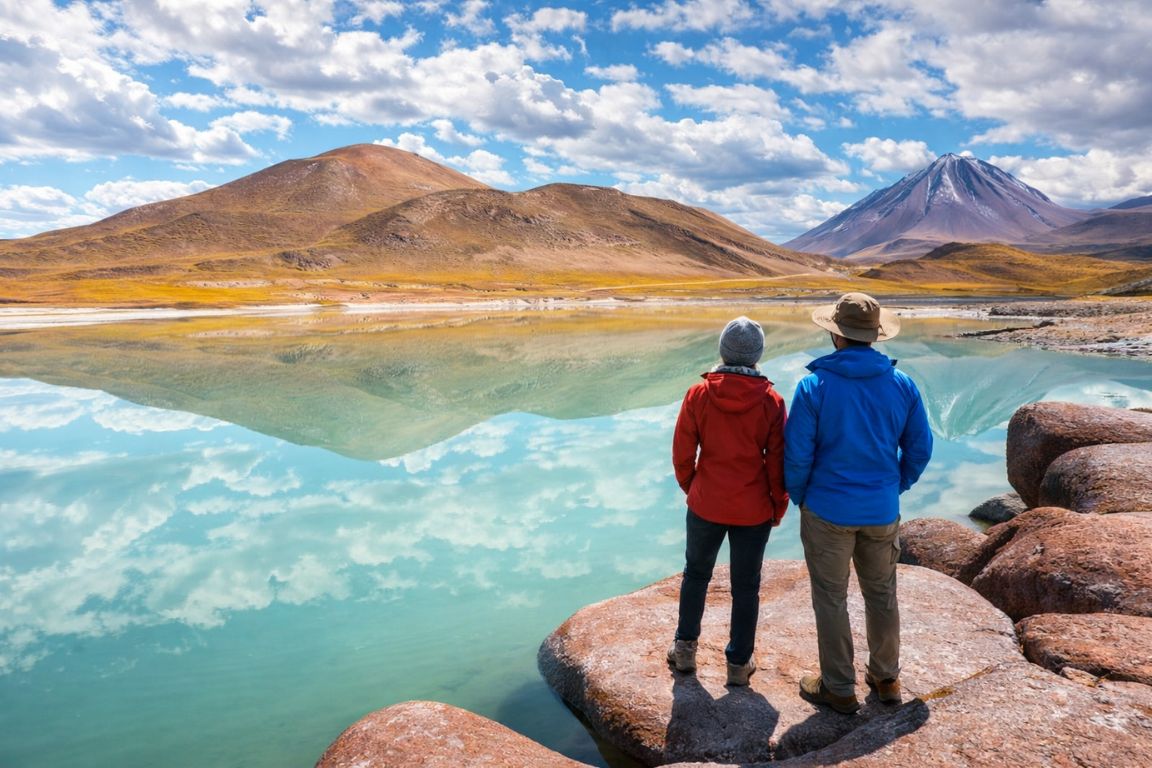
Valle de la Luna sunset tour demands only 3 hours (5-8pm) making it perfect single-activity option for day-trippers or arrival afternoons.
El Tatio Geysers requires full morning commitment (4am-12pm) with 8-hour dedication including 4-hour roundtrip drive creating exhausting but essential experience.
Altiplanic Lagoons full day (5am-6pm) encompasses 13 hours including Miscanti-Meñiques lakes, Piedras Rojas, Salar stops, and lunch creating most time-intensive tour.
Stargazing tours occupy 2-3 hours (9-11pm) providing efficient evening activity though requiring energy after full day activities.
Table: Atacama Activity Time Requirements and Duration Planning
| Activity | Departure Time | Return Time | Total Duration | Energy Level Required | Altitude Max | Best Day to Schedule | Can Skip If Short Time? |
|---|---|---|---|---|---|---|---|
| Valle de la Luna Sunset | 5-6pm | 8-9pm | 3 hrs | Low | 2,500m | Day 1 arrival | No (essential) |
| El Tatio Geysers | 4am | 11am-12pm | 7-8 hrs | High | 4,300m | Day 2 (after acclimatization) | No (signature experience) |
| Altiplanic Lagoons + Piedras Rojas | 5am | 5-6pm | 12-13 hrs | Very High | 4,000-4,300m | Day 3-4 | No (essential) |
| Stargazing Tour | 9pm | 11pm-12am | 2-3 hrs | Low | 2,400m | Evening after rest day | Maybe (if exhausted) |
| Rainbow Valley | 7am | 11am-12pm | 4-5 hrs | Medium | 2,600-3,000m | Day 4-5 morning | Yes (if time-limited) |
| Salar de Atacama/Chaxa | 2-3pm | 6-7pm | 4-5 hrs | Low-Medium | 2,300m | Day 4-5 afternoon | Maybe |
| Cejar Lagoon | 9am or 3pm | 1pm or 7pm | 4 hrs | Low | 2,300m | Day 4-5 flexible | Yes (if rushed) |
| Puritama Hot Springs | 10am | 2-3pm | 4-5 hrs | Low | 3,500m | Rest day | Yes (relaxation only) |
| Pukará de Quitor Ruins | Flexible | Flexible | 2-3 hrs | Medium | 2,500-2,700m | Afternoon any day | Yes (historical interest) |
Valle de la Luna efficiency makes it ideal for every itinerary length providing maximum visual impact for minimum time investment at sunset golden hour.
The El Tatio morning commitment creates scheduling inflexibility requiring previous night early sleep (8-9pm) and accepting exhaustion for rest of day post-return.
Altiplanic Lagoons marathon day combines with El Tatio as two most time-demanding tours, with scheduling both consecutively (days 2-3) creating brutal back-to-back early mornings.
Stargazing tour timing advantage fits any evening schedule though working best after moderate-activity days versus high-exhaustion El Tatio or Altiplanic days.
Rainbow Valley half-day flexibility enables morning tour (7-11am) leaving afternoons free for town exploration, rest, or combining with Salar de Atacama afternoon visit.
The Salar de Atacama flamingo viewing schedule shows afternoon timing (2-6pm) avoiding harsh midday light while providing sunset photography opportunities over salt flats.
Cejar Lagoon dual scheduling offers morning departures (9am-1pm) or afternoon (3-7pm) with afternoon including sunset over Ojos del Salar though morning avoiding peak heat.
Puritama hot springs distance (30km, 45-minute drive) and moderate time requirement (4-5 hours) make it perfect rest-day activity versus full-day commitment tours.
Essential three shows Valle de la Luna, El Tatio, and Altiplanic Lagoons being absolutely must-see experiences with other activities being worthwhile but optional depending on duration.
How Do Costs Scale with Different Atacama Trip Lengths?
Accommodation represents fixed daily cost ($40-100 nightly San Pedro) with total multiplying by number of nights creating largest variable expense component.
Tour costs remain relatively fixed ($25-80 per tour) with longer stays enabling more tours though per-day tour cost decreasing as fixed expenses spread across more days.
Meal expenses accumulate steadily ($25-50 daily) though remaining proportional to stay length without significant economies of scale beyond bulk grocery shopping.
Transportation to/from Atacama (flights to Calama $150-400, or buses $30-80) represents fixed one-time cost improving per-day economics when divided across longer stays.
Smart travelers using our booking Atacama tours: advance vs on arrival strategies often spend less than rental car drivers while maintaining schedule flexibility through strategic tour timing.
Table: Complete Cost Breakdown by Trip Duration
| Duration | Accommodation | Tours | Meals | Transport | Extras | Total Range | Daily Average | Cost Efficiency |
|---|---|---|---|---|---|---|---|---|
| 1 Day | $0 (day trip) | $25-35 (Valle only) | $15-30 | $150-400 flights | $20-40 | $210-505 | $210-505/day | Very Poor |
| 2 Days | $40-100 (1 night) | $70-95 (2 tours) | $50-100 | $150-400 | $40-80 | $350-775 | $175-388/day | Poor |
| 3 Days | $80-200 (2 nights) | $120-175 (3 tours) | $75-150 | $150-400 | $60-120 | $485-1,045 | $162-348/day | Fair |
| 4 Days | $120-300 (3 nights) | $160-260 (4-5 tours) | $100-200 | $150-400 | $80-160 | $610-1,320 | $153-330/day | Good |
| 5 Days | $160-400 (4 nights) | $220-350 (6-7 tours) | $125-250 | $150-400 | $100-200 | $755-1,600 | $151-320/day | Very Good |
| 6 Days | $200-500 (5 nights) | $260-420 (7-8 tours) | $150-300 | $150-400 | $120-240 | $880-1,860 | $147-310/day | Excellent |
| 7 Days | $240-600 (6 nights) | $280-490 (8-9 tours) | $175-350 | $150-400 | $140-280 | $985-2,120 | $141-303/day | Best Value |
The one-day economics disaster shows spending $210-505 for single Valle de la Luna tour while paying full transport costs creating terrible cost-to-experience ratio.
Two-day marginally better though still poor value dividing $350-775 total by minimal coverage (two tours) with transport representing 40-50% of total expenses.
Three-day acceptable economics achieve $162-348 daily average with transport portion dropping to 30-35% of total as more tours and experiences added.
Four-five day sweet spot shows optimal $150-320 daily averages with transport becoming 20-30% of total while comprehensive coverage achieved.
The diminishing returns beyond five days shows daily averages declining only marginally ($151 to $141 five-to-seven days) as secondary tours and rest days adding less value.
Accommodation strategy affects costs dramatically with hostel dorms ($15-25 nightly) versus budget hotels ($40-60) versus mid-range ($70-100) creating $25-75 nightly spreads.
Tour cost optimization shows multi-day packages offered by some agencies combining Valle + El Tatio + Lagoons for $150-180 (versus $130-180 individually) providing 10-15% savings.
Meal cost control through grocery self-catering breakfast and lunch ($10-20 daily) versus restaurants ($25-50) saving $15-30 daily or $45-210 over seven days.
The budget backpacker achieving $100-150 daily combines hostel dorms ($15-25), self-catered meals ($15-25), and selective tours (3-4 only) versus comfort travelers at $200-300 daily.
Choose A Date For Your Outing
Atacama: 4 Tours In 3 Days
Select your date and party on GetYourGuide for the current price and departure options.
See The 3-Day Tour Plan ↗FAQs
How many days do you need in Atacama Desert?
Four to five days is ideal covering major attractions (Valle de la Luna, El Tatio Geysers, Altiplanic Lagoons, stargazing), proper altitude acclimatization, and comfortable pacing. Minimum three days for rushed essentials.
Is 3 days enough for Atacama Chile?
Three days covers essential highlights though rushed with inadequate acclimatization time at 2,400m, consecutive early mornings (4-5am), and missing secondary attractions. Acceptable minimum but four-five days recommended.
What is the best length to visit San Pedro de Atacama?
Five days provides optimal balance: proper acclimatization (48+ hours), all major tours (6-7 attractions), one rest/flexible day, and comfortable pacing without exhaustion from consecutive pre-dawn departures.
Can you visit Atacama in 2 days?
Two days enables only Valle de la Luna and El Tatio Geysers creating rushed incomplete experience with poor acclimatization, exhausting schedule, and terrible cost-to-experience ratio. Not recommended.
How long should I spend at El Tatio Geysers?
El Tatio requires full morning commitment: 4am departure, arrive 6:30am geysers, spend 1-2 hours exploring, return San Pedro 11am-12pm, totaling 7-8 hours including 4-hour roundtrip drive.
Do you need to acclimatize in San Pedro de Atacama?
Yes, essential. San Pedro sits at 2,400m with tours reaching 4,300m. Allow 24-48 hours acclimatization before high-altitude excursions reducing headache/nausea risk from 40-50% to 20-30%.
How to Determine Your Optimal Atacama Duration
Assess altitude sensitivity honestly since those with previous altitude sickness history or sea-level residence requiring minimum four-five days proper acclimatization before 4,300m El Tatio ascent.
Consider physical fitness level with consecutive 4-5am wake-ups and 12-13 hour tour days demanding stamina, favoring longer five-six day stays enabling rest days for moderate fitness visitors.
Evaluate vacation constraints balancing limited time availability against comprehensive experience desire, with three days being absolute minimum though four-five days strongly recommended first-timers.
Budget realistic total costs calculating accommodation, tours, meals, and transport recognizing five-day $600-900 investment delivering substantially better value than three-day $350-600 rushed alternative.
Research tour requirements discovering El Tatio, Altiplanic Lagoons, and Valle de la Luna being essential non-negotiable while Rainbow Valley, Cejar Lagoon being worthwhile additions justifying four-five days.
Plan arrival/departure timing avoiding morning tour day-of-travel creating no-buffer stress, instead building free departure mornings enabling relaxed checkout and town enjoyment.
Consider photography goals with serious photographers needing five-seven days capturing sunrise/sunset different locations, extended shoots, and revisiting spots under optimal light conditions.
Account for season selecting March-May or September-November enabling efficient four-five day itineraries versus December-February heat or June-August cold requiring extra buffer days.
For expertly planned Atacama Desert itineraries optimized for your duration, explore comprehensive options at Atacama Chile Tours where we create perfect-length experiences.
Glossary
- Acclimatization: Physiological adaptation to high altitude (San Pedro 2,400m, El Tatio 4,300m) requiring 24-48 hours reducing altitude sickness symptoms.
- El Tatio Geysers: World’s highest geyser field at 4,300m requiring 4am departure for sunrise viewing, representing signature Atacama experience.
- Altiplanic Lagoons: High-altitude lakes Miscanti-Meñiques at 4,000-4,300m showcasing turquoise water against volcanic mountains and wildlife.
- Valle de la Luna: Moon Valley rock formations at 2,500m providing sunset viewing location with Mars-like red landscapes and salt caves.
- San Pedro de Atacama: Main tourist base town at 2,400m elevation serving as accommodation and tour departure hub for desert exploration.
Key Takeaways
- Optimal Atacama duration is four-five days enabling comprehensive experiences including Valle de la Luna sunset ($25-35), El Tatio Geysers 4am departure ($45-60), Altiplanic Lagoons full day ($60-80), stargazing ($50-70), Rainbow Valley ($35-50), and proper altitude acclimatization.
- Minimum three days covers essentials (Valle, El Tatio, Lagoons) though rushed with inadequate 12-24 hour acclimatization at 2,400m causing 40-50% altitude sickness versus 20-30% with four-five day proper adaptation. Extended six-seven days adds Piedras Rojas, Cejar Lagoon floating, Puritama hot springs, Valle del Arcoiris, rest days, and relaxed pacing without consecutive early wake-ups.
- Budget varies: three days $350-600 total, four days $500-800, five days $600-900, six-seven days $700-1,200 including accommodation ($40-100 nightly), tours ($25-80 each), meals ($25-50 daily). One-two days insufficient creating wasted transport costs and incomplete experience.
- Altitude acclimatization crucial: San Pedro 2,400m with tours reaching 4,300m El Tatio, requiring 24-48 hours adjustment preventing headaches/nausea.
- Essential three tours: Valle de la Luna sunset (3 hours evening, 2,500m), El Tatio Geysers (7-8 hours morning 4am-12pm, 4,300m), Altiplanic Lagoons (12-13 hours full day 5am-6pm, 4,000-4,300m). Optional additions: stargazing 2-3 hours evening, Rainbow Valley 4-5 hours morning, Salar de Atacama flamingos 4-5 hours afternoon, Cejar Lagoon floating 4 hours.
- Consecutive early mornings mistake: scheduling El Tati (4am) and Lagoons (5am) back-to-back creates exhaustion, buffer rest day between recommended.
- Best seasons: March-May and September-November optimal 15-25°C conditions enabling efficient four-five day itineraries. Summer December-February 30-35°C requires +1 day slower pacing, winter June-August -5°C to -10°C nights needs weather buffer day.
- Cost efficiency improves with duration: $162-348 daily three days versus $151-320 five days as fixed transport costs spread. Satisfaction: 90% five-day visitors feel comprehensive without regret versus 65% three-day wishing longer.
- Booking lead time: 2-4 weeks normal seasons, 2-3 months December-February/July peak. Plan optimal Atacama duration at Atacama Chile Tours.
Written by experienced Atacama Desert guide specializing in itinerary optimization and altitude safety planning. Date: December 29, 2025.
Make It Part Of Your Trip
Choose this only when the full three-day schedule fits around travel and other plans.
Atacama: 4 Tours In 3 Days
Spend your planning time on the rest of the trip. This package brings four outings into a three-day schedule, with accommodation pickup and a bilingual guide.
See The 3-Day Tour Plan ↗