Senior Travelers in Atacama: Is It Suitable Travel Destination?
Atacama for seniors 60–75+—learn which tours are easy, how to handle altitude, and where to stay for comfort while enjoying epic desert landscapes.
Last updated: May 14, 2026
TL;DR
Atacama Desert is excellent destination for active healthy seniors 60-75+ with appropriate tour selection and realistic pacing, offering spectacular landscapes, educational value, comfortable infrastructure, and manageable physical demands when choosing suitable activities. Age alone doesn’t determine suitability – fitness level, health status, altitude tolerance, and realistic self-assessment being critical factors with active 70-year-olds successfully completing all tours while sedentary 60-year-olds struggling with basics. Best senior-friendly tours include Valle de la Luna sunset (ages 60+, 3-hour easy walking, spectacular landscapes, minimal exertion), Laguna Cejar floating (60+, 3-4 hour unique experience, low physical demand, buoyancy eliminating swimming effort), Puritama Hot Springs (60+, 2-3 hour thermal pools, relaxed atmosphere, easy boardwalk access), and stargazing (60+, evening intellectual engagement, minimal physical demand). Challenging tours requiring assessment include El Tatio Geysers (demanding 4am wake brutal for seniors with sleep issues, extreme cold -15°C to -25°C predawn, 4,300m altitude highest exposure, 7-8 hour long duration though spectacular if capable) and Altiplanic Lagoons (10-12 hour extremely long day exhausting, sustained 4,000-4,300m altitude, extensive sitting creating stiffness). Altitude considerations critical show seniors being potentially more susceptible to altitude sickness (cardiovascular stress, medication interactions, reduced oxygen delivery) requiring minimum 72 hours acclimatization at San Pedro 2,400m before attempting 4,000m+ tours, pre-trip physician consultation for pre-existing heart/lung conditions, and vigilant symptom monitoring (headache, breathlessness, chest pressure, confusion). Medical preparation essential includes bringing complete medication supply plus 7-day backup, medication list with generic names, comprehensive travel insurance covering medical evacuation ($3,000-8,000 helicopter), pre-existing condition coverage, doctor consultation confirming tour fitness. Accommodation priorities show comfortable mid-range hotels ($80-150/night) with reliable hot water, heating, quality mattresses, ground floor or elevator access, being preferable to basic hostels or high-end remote lodges. Physical demands manageable demonstrate most tours involving 2-4 km gentle walking on relatively flat terrain with frequent stops, optional strenuous elements (dune climbing can be skipped), vehicle-based sightseeing reducing exertion, though uneven gravel surfaces and occasional stairs requiring mobility and balance. Health advantages show Atacama’s extreme aridity (<1% humidity) benefiting respiratory conditions (asthma, COPD), warm dry climate easing joint pain (arthritis), spectacular views reducing stress, and educational engagement providing cognitive stimulation. Best age ranges 60-70 show excellent capability for all tours with proper fitness, 70-75 being very capable most tours with minor adjustments, 75-80 requiring selective tour choices and extra rest, 80+ being possible for exceptional individuals though requiring very careful assessment.
Choose The Pace, Then The Tour
Choose the outing you want to review. This is an itinerary tool, not a health or accessibility assessment.
Is Atacama Suitable for Senior Travelers? Overall Assessment
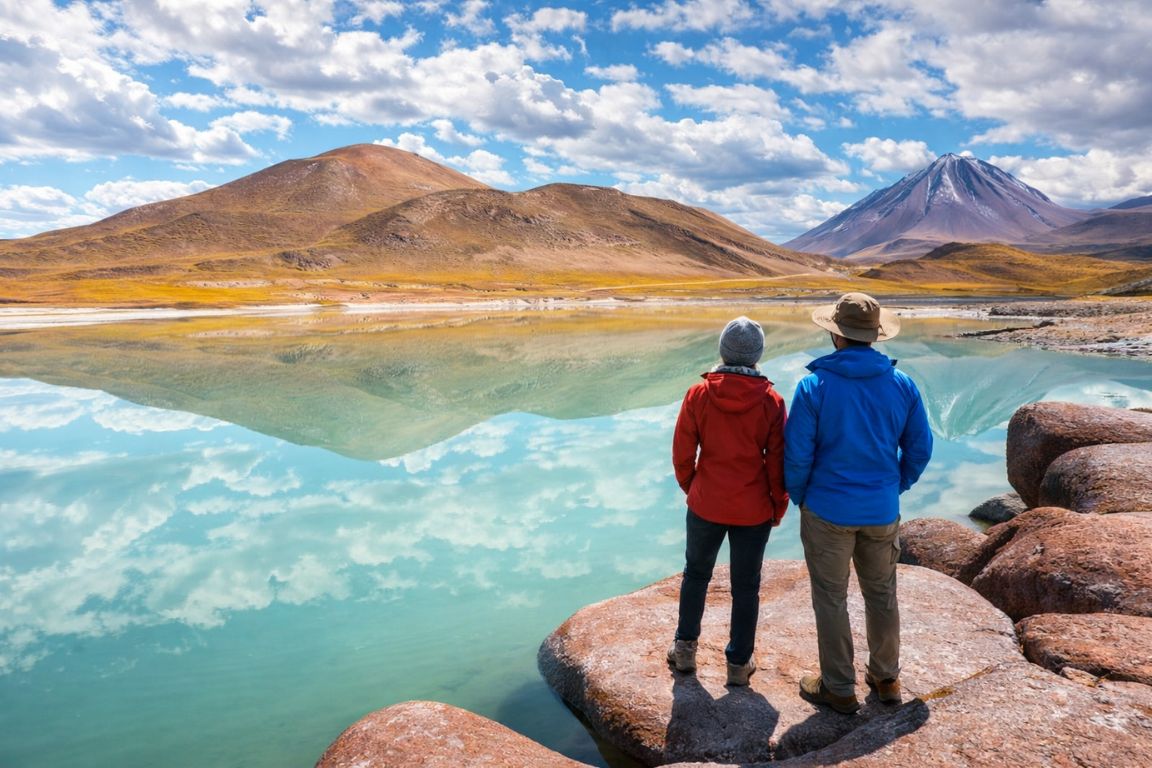
Suitability rating 8/10 for active healthy seniors demonstrates Atacama being excellent destination with proper tour selection, realistic pacing, and medical preparation creating memorable rewarding experience matching or exceeding typical senior travel destinations.
Age diversity reality shows successful Atacama visitors ranging 18-85+ with fitness level and health status mattering far more than chronological age, with active 70-year-olds completing demanding tours while sedentary 60-year-olds struggling with basics.
Unique advantages include spectacular landscapes requiring minimal exertion (vehicle-based sightseeing), educational geology and astronomy appealing mature interests, comfortable infrastructure (good hotels, quality restaurants, easy town navigation), safe low-crime environment, and manageable town size eliminating navigation stress.
Primary challenges demonstrate altitude requiring careful management (seniors potentially more susceptible), some tours having demanding elements (4am El Tatio wake, long Altiplanic duration), extreme sun requiring vigilant protection, temperature swings necessitating layering, and limited medical facilities (basic clinic, serious cases requiring Calama/Antofagasta evacuation).
Table: Atacama Senior Travel Complete Overview
| Assessment Category | Rating (1-10) | Best Age Range | Key Advantages | Key Challenges | Compared to Other Destinations | Reality Check |
|---|---|---|---|---|---|---|
| Overall Senior-Friendliness | 8/10 Excellent | 60-75 optimal | Spectacular, manageable, educational, safe | Altitude, some demanding tours | Better than Patagonia, similar to Iceland | Very doable with planning |
| Physical Accessibility | 7/10 Good | 60-80 varies | Vehicle-based, flat walking, frequent stops | Uneven terrain, some stairs, altitude | More accessible than trekking, less than cities | Moderate fitness needed |
| Medical Safety | 6/10 Moderate | All ages | Basic clinic adequate minor issues | Limited facilities, evacuation needed serious | Less than urban, adequate for healthy | Insurance critical |
| Altitude Concerns | 5/10 Moderate Risk | Varies by health | Some adapt well, manageable with prep | Cardiovascular stress, individual response | Unique challenge vs sea level | Pre-trip doctor consult essential |
| Comfort Level | 8/10 Very Good | All ages | Quality hotels, good food, easy navigation | Some basic facilities remote tours | Comfortable infrastructure | Hotels adequate to excellent |
| Safety (Crime) | 9/10 Excellent | All ages | Very low crime, welcoming, safe walking | Environmental not criminal concerns | Among world’s safest | Genuinely secure |
| Educational Value | 10/10 Outstanding | All ages | World-class geology, astronomy, culture | Requires interest in science/nature | Exceptional learning environment | Intellectually engaging |
| Budget Flexibility | 7/10 Good | N/A | Options from budget to luxury | Mid-range+ comfortable for seniors | Moderate costs, value good | $100-200 daily comfortable |
Overall 8/10 rating demonstrates Atacama being among best adventure destinations for active seniors, balancing spectacular experiences with manageable demands when selecting appropriate tours and pacing.
The physical accessibility 7/10 shows most tours being vehicle-based with walking on relatively flat terrain (Valle Luna gentle slopes, Cejar level salt flats), frequent rest stops, optional strenuous elements (dune climbing skippable), though uneven gravel surfaces and occasional stairs requiring reasonable mobility.
Medical safety 6/10 reflects basic clinic (Consultorio) handling minor issues adequately (cuts, mild altitude sickness, stomach problems) though serious emergencies requiring 1.5-4 hour evacuation to Calama/Antofagasta hospitals, creating comprehensive insurance necessity.
Altitude moderate risk 5/10 demonstrates being manageable for most healthy seniors with proper acclimatization (72 hours minimum) though cardiovascular conditions, medications (beta-blockers, diuretics), reduced physiological reserve creating higher potential complications versus younger travelers.
The comfort 8/10 shows San Pedro having quality mid-range hotels ($80-150/night) with reliable hot water, comfortable beds, heating, good restaurants, easy pedestrian town navigation, creating comfortable environment versus rustic uncomfortable conditions.
Safety 9/10 demonstrates extremely low crime, welcoming locals, safe daytime and evening walking (Caracoles Street until 10pm), with primary concerns being environmental (altitude, sun, dehydration) not criminal creating secure atmosphere.
Educational outstanding 10/10 appeals to mature interests with world-class geology (23+ million year visible Earth history), astronomy (darkest skies, professional telescopes), Atacameño culture, creating intellectually engaging experience versus purely recreational travel.
Budget flexibility 7/10 shows range from budget ($60-100 daily) to luxury ($250-400+ daily) though mid-range $100-200 daily (comfortable hotel, tours, good meals) being optimal for most seniors prioritizing comfort over extreme economy.
Start with the Valley of the Moon Tour, the 4-hour outing this guide treats as the usual first day for travelers 60–75.
Age Ranges and Fitness Levels: Detailed Assessment
Ages 60-65 “young seniors” demonstrate generally excellent capability for all tours with fitness mattering more than age, with active individuals completing demanding El Tatio (4am wake, extreme cold, altitude) and Altiplanic (10-12 hours) successfully.
Ages 65-70 “active seniors” show very capable most tours with minor adjustments (extra rest, slower pace), representing largest senior traveler demographic (40-50% of 60+ visitors), typically completing Valle Luna, Cejar, Puritama, stargazing, and El Tatio if physically fit.
Ages 70-75 “mature seniors” require more selective tour choices and extra rest though many remaining very active, with El Tatio becoming more challenging (4am wake difficult, cold harder to tolerate) though Valle Luna, Cejar, Puritama, stargazing being very manageable.
Ages 75-80 “older seniors” need careful assessment and conservative approach, focusing shorter easier tours (Valle Luna, Cejar, Puritama), skipping demanding options (El Tatio, Altiplanic), allowing extensive rest, though exceptional individuals successfully completing more.
Ages 80+ “elderly seniors” possible for very fit exceptional individuals though requiring extremely careful medical clearance, conservative tour selection, private tours enabling pace control, and realistic acceptance that some experiences may be inadvisable.
Table: Senior Age Ranges and Tour Suitability Complete Guide
| Age Range | % Visiting | Typical Capability | Suitable Tours | Tours to Assess Carefully | Tours Often Too Demanding | Energy Management | Medical Considerations | Success Factors |
|---|---|---|---|---|---|---|---|---|
| 60-65 “Young Seniors” | 35-40% | Generally excellent | All tours if fit | None particularly | None if healthy active | Standard adult | Routine health typically | Fitness level matters most |
| 65-70 “Active Seniors” | 30-35% | Very capable most | Valle Luna, Cejar, Puritama, Stars, El Tati (if fit) | El Tati (4am wake, cold, altitude) | Altiplanic maybe (very long) | Extra rest appreciated | Common age-related conditions | Realistic self-assessment |
| 70-75 “Mature Seniors” | 20-25% | Selective, capable | Valle Luna, Cejar, Puritama, Stars | El Tati (challenging), Altiplanic (exhausting) | Multi-day demanding itineraries | Daily rest essential | Chronic conditions common | Conservative approach |
| 75-80 “Older Seniors” | 8-12% | Limited, focused | Valle Luna, Cejar (shorter), Puritama | Everything requires assessment | El Tati, Altiplanic, long tours | Extensive rest critical | Multiple medications typical | Very selective tours |
| 80+ “Elderly Seniors” | 2-5% | Exceptional only | Valle Luna maybe, very limited | All tours require medical clearance | Most tours inadvisable | Rest dominates schedule | Complex medical needs | Private tours, extreme caution |
Ages 60-65 dominant capability demonstrates being in excellent health typically, full-career completion potentially providing time/resources for travel, physical fitness often at life peak for many maintaining active lifestyles, creating optimal adventure travel window.
The 65-70 age range shows 30-35% of senior visitors with very capable most tours though beginning to appreciate extra rest, slower pace, more comfortable accommodation versus roughing it, representing sweet spot adventure and comfort.
Ages 70-75 selective approach demonstrates many remaining very active though recognizing limitations, with Valle Luna, Cejar, Puritama being very manageable while El Tati‘s 4am wake, extreme cold, and altitude becoming genuinely challenging for many.
Ages 75-80 conservative necessity shows focusing shorter easier tours, skipping demanding options, allowing extensive rest, private tours sometimes being worthwhile enabling complete pace control versus group rushing.
The 80+ exceptional individuals show being rare (2-5% of 60+ visitors) though some very fit octogenarians successfully visiting, requiring medical clearance, private tours, realistic acceptance that some experiences inadvisable.
Fitness level dominance demonstrates active 70-year-old completing all tours successfully while sedentary 60-year-old struggling with Valle Luna‘s 2-3 km gentle walking, showing physical capability mattering far more than chronological age.
Health status critical includes cardiovascular fitness (able to walk 30-45 minutes without stopping, climbing 2-3 flights stairs without severe breathlessness), balance and mobility (navigating uneven gravel, occasional stairs), medication-controlled conditions (stable diabetes, hypertension), creating tour feasibility.
Individual variation extreme shows some 75-year-olds being fitter than average 50-year-olds (lifelong athletes, active lifestyles) while some 65-year-olds having limited mobility (sedentary careers, health issues) requiring honest self-assessment over age stereotypes.
Pre-existing conditions manageable demonstrate well-controlled hypertension, type 2 diabetes, arthritis, mild asthma, hypothyroidism being compatible with Atacama travel with proper medication management versus uncontrolled conditions requiring stability before travel.
Cognitive health important shows Atacama requiring moderate planning, navigation, decision-making, altitude potentially affecting cognitive function temporarily, creating challenges for early dementia or significant cognitive impairment though mild forgetfulness being manageable.
Best Tours in Atacama for Seniors: Detailed Recommendations
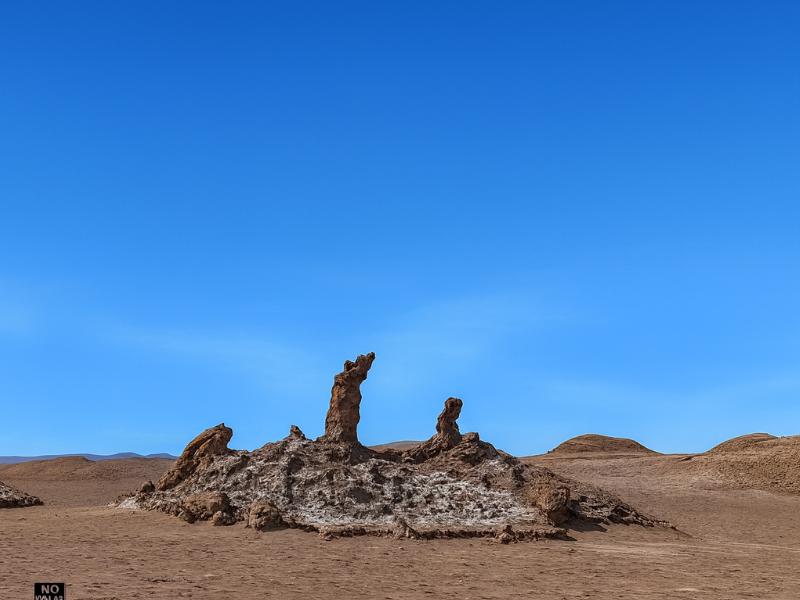
Valle de la Luna (book tour here) sunset tour ages 60+ demonstrates being universally suitable with 3-hour manageable duration, gentle walking 2-3 km on relatively flat terrain, optional dune climbing (can skip), spectacular Mars-like landscapes, sunset social gathering, vehicle-based sightseeing minimizing exertion.
Laguna Cejar floating ages 60+ shows unique experience with buoyancy eliminating swimming effort (effortless floating, cannot sink), 3-4 hour comfortable duration, low physical demand, warm summer water (18-22°C December-February) being ideal, fun experience at any age.
Puritama Hot Springs ages 60+ provides relaxed thermal pool atmosphere (30-35°C comfortable temperature), 2-3 hour flexible duration, easy boardwalk access (stairs manageable, railings provided), recovery benefits (soothing arthritis, muscle relaxation), peaceful environment.
Stargazing tours ages 60+ offer evening intellectual engagement (astronomy education, professional telescopes), minimal physical demand (sitting, standing, looking through telescopes), 2-3 hour duration, appealing mature interests, world-class dark skies viewing Saturn, Jupiter, galaxies.
The whole booking Atacama tours: advance vs on arrival question becomes moot if you rent a car – except you’ll still be booking tours anyway for El Tatio and Altiplanic, so you haven’t actually avoided this decision.
Table: Senior-Friendly Tours Complete Guide by Physical Demand
| Tour | Recommended Ages | Duration | Physical Demand Details | Why Good for Seniors | Potential Challenges | Modifications Available | Success Rate 65+ | Cost |
|---|---|---|---|---|---|---|---|---|
| Valle de la Luna | 60+ all fitness levels | 3 hrs | 2-3 km gentle walking, uneven gravel, optional dune (skip) | Vehicle-based, frequent stops, spectacular, manageable | Uneven terrain, no railings, sun exposure | Skip dune, extra stops, private tour | 95%+ excellent | $28-40 |
| Laguna Cejar | 60+ (summer best) | 3-4 hrs | Minimal – floating effortless, short walk to water | Buoyancy eliminates effort, unique fun, photos | Cold water winter, slippery salt, entry/exit assistance | Assistance entering/exiting, skip if cold | 90%+ very good | $40-55 |
| Puritama Hot Springs | 60+ excellent | 2-3 hrs | Easy boardwalk, stairs with railings, minimal walking | Therapeutic pools, relaxing, arthritis benefits | Slippery when wet, hot water management | Assistance if needed, shorter duration | 92%+ excellent | $30-45 |
| Stargazing | 60+ perfect | 2-3 hrs | Minimal – sitting, standing, looking | Intellectual engagement, no exertion, fascinating | Evening timing (8-10pm late for some) | Earlier timing request, chairs provided | 95%+ excellent | $50-70 |
| Rainbow Valley | 60-70 assess fitness | 4-5 hrs | Moderate walking, uneven terrain, sun exposure | Colorful formations, photo opportunities, educational | Longer duration, midday heat, less shade | Skip if fitness concerns, bring shade | 75% good (fitness dependent) | $35-50 |
| El Tatio Geysers | 60-70 fit only | 7-8 hrs | Moderate – 4am wake, extreme cold, altitude 4,300m, walking | Spectacular geysers, unique globally, hot springs | Very demanding – early wake, cold, altitude, long | Private tour better pace, skip if concerns | 60-70% (challenging) | $45-60 |
| Altiplanic Lagoons | 60-70 fit only | 10-12 hrs | High – very long day, altitude 4,000-4,300m sustained, sitting | Comprehensive high-altitude experience, beautiful | Extremely long exhausting, sustained altitude, stiffness | Private tour, extra stops, skip if concerns | 50-60% (very demanding) | $60-80 |
Valle Luna universal suitability shows 95%+ of 65+ visitors completing successfully with uneven gravel terrain being navigable with reasonable mobility, frequent rest stops, optional dune climbing enabling customization, spectacular sunset reward justifying minimal effort.
The Cejar buoyancy advantage demonstrates Dead Sea-style 30% salinity creating effortless floating (cannot sink even trying) eliminating swimming exertion, with entering/exiting water being only physical challenge (assistance available from guides or companions).
Puritama therapeutic value shows 30-35°C thermal pools providing arthritis relief (warm water reducing joint pain and stiffness), muscle relaxation (soothing aches from touring), peaceful atmosphere (stress reduction), creating both enjoyable and restorative experience.
Stargazing intellectual appeal demonstrates mature audiences particularly appreciating astronomy education (guide explanations constellations, planets, deep space objects), professional telescopes showing Saturn’s rings, Jupiter’s moons, nebulae, creating cerebral engagement versus purely physical adventure.
Rainbow Valley fitness-dependent shows 75% success rate 65+ (versus 95% Valle Luna) with longer 4-5 hour duration, midday heat (30-35°C), and more extensive walking creating challenges for those with limited endurance though very manageable for fit active seniors.
El Tati challenging assessment demonstrates 60-70% success rate 65+ with 4am wake being genuinely difficult (sleep disruption, confusion, grumpiness), extreme cold -15°C to -25°C being hard to tolerate (especially for those with circulation issues), 4,300m altitude being highest exposure (cardiovascular stress), creating legitimate concern versus automatic recommendation.
Altiplanic very demanding shows 50-60% success rate 65+ with 10-12 hour extremely long day (exhaustion accumulating, energy depletion), sustained 4,000-4,300m altitude (prolonged cardiovascular stress), extensive sitting (5-7 hours vehicle time creating stiffness, circulation issues) making this optional not essential for most seniors.
Private tour advantage demonstrates enabling complete pace control (stopping whenever needed, extending interesting sites, skipping less interesting), bathroom flexibility (not waiting for group), temperature management (vehicle climate control), creating worthwhile investment ($150-300 total group) especially for those with mobility or energy limitations.
Tour timing flexibility shows seniors often preferring afternoon tours (Valle Luna 3-5pm departure, Cejar 3-6pm) versus demanding early starts (El Tati 4am, Altiplanic 7am) respecting natural sleep patterns and energy peaks.
Success factors include honest self-assessment (realistic evaluation of fitness, not optimistic “I’ll be fine”), conservative initial choices (starting easy Valle Luna before attempting challenging El Tati), adequate rest between tours (not back-to-back demanding days), and willingness to skip tours if feeling unwell.
What Each Booking Adds
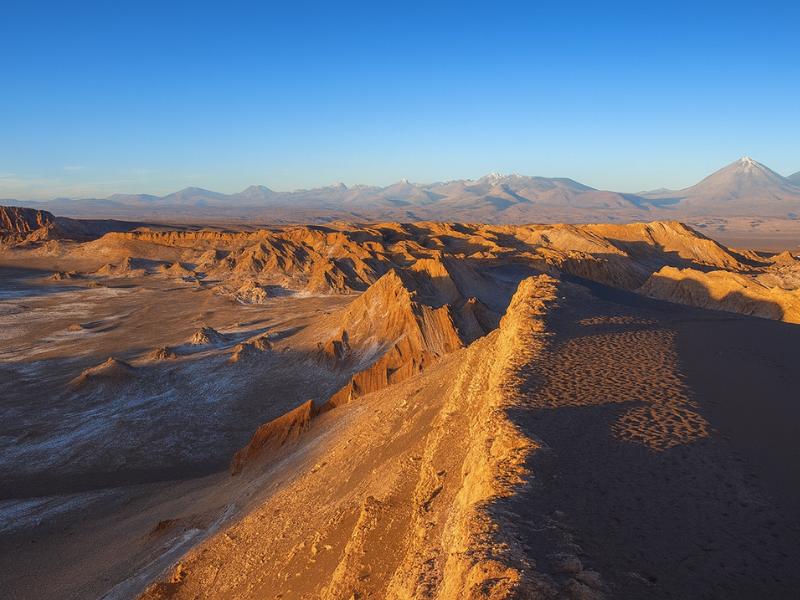
Valley Of The Moon
Make room for a desert landscape outing without committing several days. A guided Moon Valley excursion gives your afternoon a clear destination.
About four hours. Walking is involved; read the participation requirements.
Book on ViatorSee Moon Valley Departures ↗Calama Airport ↔ San Pedro Transfer
Choose a shared or private airport transfer between Calama and San Pedro. Put the airport-to-hotel leg in place before fitting sightseeing around it.
Select the correct direction. Spanish-speaking driver; luggage allowance applies. Not wheelchair accessible.
Book on GetYourGuideArrange My Airport Transfer ↗Altitude Considerations for Seniors: Critical Health Information
Senior altitude susceptibility shows potentially higher risk than younger adults due to reduced cardiovascular reserve (heart less able to compensate for lower oxygen), medication interactions (beta-blockers, diuretics affecting adaptation), pre-existing conditions (COPD, heart disease exacerbated), though individual variation being enormous.
Acclimatization timeline seniors requires minimum 72 hours at San Pedro 2,400m before attempting 4,000m+ tours (versus 48-72 hours younger adults) with Day 1-2 complete rest, Day 3 easy same-altitude tour (Valle Luna), Day 4-5+ high tours (El Tati, Altiplanic) being conservative safe approach.
Symptoms monitoring shows headache (most common), breathlessness beyond normal exertion, chest pressure or tightness, confusion or disorientation, persistent nausea, severe fatigue, irregular heartbeat, requiring immediate rest and medical attention if severe.
Medication concerns demonstrate beta-blockers (blood pressure) potentially impairing altitude adaptation, diuretics (water pills) increasing dehydration risk, aspirin (blood thinner) being beneficial for altitude (improves oxygen delivery), requiring physician consultation before travel.
Table: Altitude Safety Seniors Complete Health Guide
| Concern | Risk Level 65+ | Why Higher Risk | Symptoms to Watch | Prevention Strategies | When to Seek Help | Medical Clearance Needed | Special Precautions |
|---|---|---|---|---|---|---|---|
| Acute Mountain Sickness (AMS) | Moderate-High (40-50% at 4,000m+) | Reduced cardiovascular reserve | Headache, nausea, fatigue, breathlessness | 72-hour acclimatization, Diamox, slow ascent | Persistent or worsening symptoms | Heart/lung conditions | Extra rest, conservative |
| High Altitude Pulmonary Edema (HAPE) | Low but serious | Lung/heart disease increases risk | Severe breathlessness at rest, cough, chest tightness | Proper acclimatization, avoid overexertion | Breathlessness at rest, cough | COPD, heart failure, pulmonary hypertension | May need to avoid high tours |
| High Altitude Cerebral Edema (HACE) | Very Low but life-threatening | Age-related vascular changes | Severe confusion, loss of coordination, altered consciousness | Proper acclimatization, descend if severe | Confusion, coordination loss, severe headache | Stroke history, TIA, vascular disease | Immediate descent critical |
| Cardiovascular Stress | Moderate | Reduced cardiac reserve | Chest pain, pressure, irregular heartbeat | Conservative approach, monitor closely | Chest pain, severe breathlessness | All heart conditions | Doctor clearance essential |
| Dehydration | High | Medications, reduced thirst sensation | Dark urine, dizziness, confusion | Aggressive hydration 3-4L daily, monitor | Severe dizziness, confusion | Kidney disease, diuretics | Double vigilance |
| Medication Interactions | Moderate | Multiple meds common | Variable by medication | Physician consultation pre-trip | Any unusual symptoms | All chronic conditions | Medication review essential |
AMS moderate-high risk shows 40-50% of seniors experiencing symptoms at 4,000m+ (versus 30-40% younger adults) though proper acclimatization, Diamox prophylaxis, conservative pacing reducing to 20-30%.
The HAPE low risk demonstrates being uncommon (<2% overall) though seniors with pre-existing lung disease (COPD, pulmonary fibrosis) or heart failure having substantially elevated risk requiring medical consultation before attempting high-altitude tours.
HACE very rare (<1% overall) though being life-threatening requiring immediate descent, with seniors having slightly elevated risk due to age-related cerebrovascular changes creating importance of recognizing symptoms (confusion, coordination loss, severe headache unrelieved by medication).
Cardiovascular stress moderate shows heart working 20-30% harder at 4,000m+ to compensate for lower oxygen, with reduced cardiac reserve in seniors (even without diagnosed disease) creating potential chest discomfort, irregular rhythms, requiring conservative approach and physician clearance.
Dehydration high risk demonstrates seniors often having reduced thirst sensation (not feeling thirsty despite dehydration), diuretic medications increasing urine output, requiring deliberate aggressive hydration (3-4L daily, setting reminders) versus relying on thirst cues.
Medication beta-blockers concern shows blood pressure medications potentially impairing heart’s ability to increase rate compensating for altitude, though well-controlled hypertension being manageable with physician consultation confirming tour safety.
Diuretics (furosemide, hydrochlorothiazide) increase dehydration risk requiring extra fluid intake (4-5L versus 3-4L) and monitoring for dizziness, confusion, though not being absolute contraindication with proper management.
Aspirin beneficial shows daily low-dose aspirin (81mg) potentially reducing altitude sickness by improving oxygen delivery through blood thinning effects, with many seniors already taking for cardiovascular prevention creating serendipitous benefit.
Pre-existing condition considerations demonstrate stable well-controlled hypertension, diabetes, hypothyroidism being compatible with Atacama travel though unstable angina, recent heart attack (<6 months), uncontrolled heart failure, severe COPD requiring oxygen requiring medical clearance or potentially contraindicating high-altitude travel.
Medical Preparation and Health Management in Atacama
Pre-trip physician consultation essential shows discussing Atacama altitude (2,400m town, 4,000-4,300m tours), tour durations, physical demands, obtaining medical clearance especially for cardiovascular or pulmonary conditions creating peace of mind and safety assurance.
Medication management requires bringing complete supply plus 7-day backup (delays, lost luggage), carry-on essential medications (not checked), medication list with generic names (brand names varying internationally), proper storage (some requiring refrigeration), and documentation (prescriptions, doctor’s letter for controlled substances).
Travel insurance comprehensive demonstrates being absolutely essential for seniors with medical coverage minimum $100,000 (higher better), emergency evacuation unlimited or $500,000+ (helicopter $3,000-8,000), pre-existing condition coverage (often requiring purchase within 14-21 days of first trip payment), and 24/7 assistance hotline.
Medical conditions disclosure shows informing tour operators of significant health issues (heart disease, diabetes, mobility limitations) enabling appropriate accommodations and emergency preparedness versus concealing creating dangerous situations.
Beyond the general safety in San Pedro considerations, rental car drivers face unique risks – breakdowns in remote areas, altitude emergencies without support, getting stranded overnight in freezing temperatures.
Table: Medical Preparation Seniors Complete Checklist
| Preparation Item | Priority | What to Do | Timeline | Why Essential | Documentation | Special Considerations 65+ | Common Mistakes |
|---|---|---|---|---|---|---|---|
| Physician Consultation | CRITICAL | Discuss altitude, tours, get clearance | 4-8 weeks before | Medical safety, clearance | Doctor’s letter if conditions | Heart/lung especially | Assuming “I’ll be fine” |
| Medication Supply | CRITICAL | Bring full supply + 7-day extra | Before departure | Availability uncertain Chile | Prescription copies | Multiple meds common | Inadequate backup |
| Medication List | Very Important | Generic names, dosages, purposes | Before departure | Emergency medical care, language barrier | Laminated card, digital backup | Many meds typical | Brand names only (useless internationally) |
| Travel Insurance | CRITICAL | Medical, evacuation, pre-existing coverage | At first payment | Evacuation $3,000-8,000 uninsured | Policy documents, 24/7 hotline | Pre-existing coverage essential | Basic inadequate coverage |
| Altitude Medication (Diamox) | Recommended | Prescription or over-counter Chile | 2-4 weeks before | Reduces altitude sickness 50-70% | Prescription | Sulfa allergy concern | Not getting preventative |
| Medical Alert Bracelet | Recommended | Diabetes, heart condition, allergies | Ongoing | Emergency identification | Bracelet itself | Critical if limited Spanish | Not wearing consistently |
| Emergency Contacts | Important | ICE (In Case Emergency) contacts | Before departure | Family notification | Phone, written list | Include physician contact | Outdated information |
| Health Records Summary | Recommended | Recent EKG, conditions, surgeries | Before departure | Emergency medical reference | Digital + printed copies | Cardiac especially | Not bringing any |
| Oxygen Concentrator Research | If needed | Rental possibility Calama/Santiago | 6-8 weeks before | Severe COPD, oxygen-dependent | Prescription, documentation | Rare need but critical | Assuming unavailable |
| Dental Checkup | Recommended | Ensure no problems | 4-6 weeks before | Altitude worsens tooth pressure | N/A | Dental health declines with age | Last-minute issues |
Physician consultation timing 4-8 weeks enables addressing concerns, adjusting medications if needed (switching diuretics, beta-blocker adjustment), stress testing if appropriate (treadmill EKG assessing cardiovascular fitness), creating medical clearance confidence.
The medication supply 7-day backup demonstrates accounting for delays (flights, lost luggage) or trip extensions with adequate buffer versus running out creating dangerous situation requiring local physician/pharmacy navigation.
Medication list generic names critical shows brand names varying internationally (Lasix versus Furosemide, Zestril versus Lisinopril) with generic names being universal enabling local physicians/pharmacies understanding medications versus confusion.
Travel insurance pre-existing coverage requirement demonstrates many policies excluding pre-existing conditions (heart disease, diabetes, cancer) unless policy purchased within 14-21 days of first trip payment (flight, tour deposit) creating strict timeline necessity.
Diamox prescription prevention shows acetazolamide reducing altitude sickness incidence 50-70% when taken 1-2 days before high-altitude exposure though requiring physician prescription (most countries), sulfar allergy being contraindication (5-10% population).
Medical alert bracelet importance demonstrates diabetes, heart conditions, severe allergies requiring immediate emergency knowledge with language barriers creating identification challenge versus Spanish-speaking physician understanding bracelet information.
Health records summary shows recent EKG (electrocardiogram), echocardiogram, pulmonary function tests, surgical history providing emergency medical context if serious issues arising versus local physicians making decisions without medical history.
Oxygen concentrator rare need shows being possible to arrange (rental in Calama or Santiago) for severe COPD or oxygen-dependent individuals though requiring advance planning (6-8 weeks), medical documentation, and accepting limited availability creating specialized challenge.
Dental checkup prevention demonstrates altitude potentially worsening tooth pressure issues (cavities, cracked fillings) with emergency dental care in San Pedro being limited requiring pre-trip dental clearance preventing mid-trip problems.
Common mistakes include underestimating altitude effects (“I’ll be fine at my age”), inadequate medication backup (running out mid-trip), not disclosing conditions to tour operators (preventing appropriate accommodations), insufficient insurance (basic policies inadequate for seniors), and ignoring symptoms (powering through versus seeking help).
Guided tours let you pack light and focus on the basics in our what to pack for Atacama desert guide, but rental cars require expedition-level supplies since you’re your own rescue team.
Accommodation Preferences for Seniors in Atacama
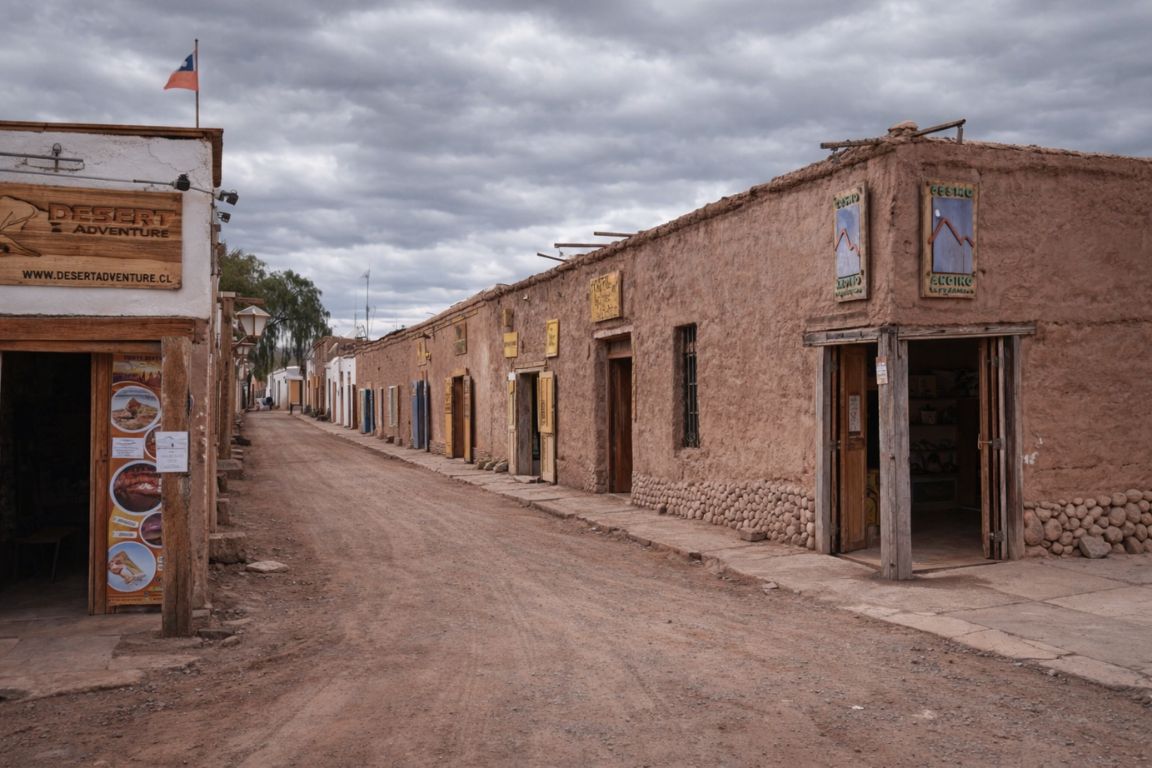
Comfort priorities show seniors typically preferring mid-range to upper-mid hotels ($80-150/night) with reliable hot water (showers after dusty tours), heating (cold winter evenings 0-10°C), quality mattresses (back support), and professional service versus budget hostels (shared bathrooms, basic beds, noise) or ultra-luxury (unnecessary expense, often remote).
Location Caracoles Street demonstrates being optimal with walking distance to restaurants (5-10 minutes), tour offices (booking in person), medical clinic (Consultorio 10-minute walk), supermarkets (supplies), creating convenience versus outskirts requiring taxis or extensive walking.
Ground floor or elevator access shows being important consideration for those with mobility concerns, stairs difficulties, or knee/hip issues, with many hotels having 2-3 stories without elevators requiring confirmation at booking.
Private bathroom essential demonstrates seniors universally preferring ensuite bathrooms versus shared hostel facilities creating nighttime convenience and privacy comfort.
Guided tours pick you up from any accommodation in town, but where to stay in San Pedro affects rental car convenience – distance to rental agency, parking availability, security for overnight vehicle storage.
Table: Senior-Friendly Accommodation Complete Guide
| Hotel Category | Cost/Night | Best For | Key Features | Pros | Cons | Booking Advance | Recommended? |
|---|---|---|---|---|---|---|---|
| Mid-Range Hotel (Recommended) | $80-150 | Most seniors, comfort-quality balance | Hot water reliable, heating, comfortable beds, private bath, location | Good value, comfortable, service | Not luxury but adequate | 6-10 weeks peak | YES – optimal choice |
| Upper-Mid/Boutique | $120-200 | Seniors wanting extra comfort | Excellent beds, design, breakfast, quiet, service | Superior comfort, attention | More expensive, sometimes remote | 8-12 weeks peak | YES if budget permits |
| Budget Hotel | $50-80 | Budget-conscious, adequate comfort | Basic but clean, private bath, heating usually | Affordable | Basic beds, minimal service | 4-6 weeks | MAYBE – adequate |
| Luxury Lodge | $250-400+ | High budget, special occasion | Exceptional comfort, service, location often remote | Ultimate comfort | Very expensive, sometimes isolated | 12-20 weeks | MAYBE – unnecessary for most |
| Hostel Private Room | $60-100 | Extreme budget only | Private room, shared or private bath | Cheapest private option | Basic, noise, young crowd | 4-8 weeks | NO – not recommended seniors |
| Apartment Rental | $80-150 | Longer stays (7+ days), cooking | Kitchen, space, laundry | Space, cooking, value longer stays | Self-service, variable quality | 8-12 weeks | MAYBE – if longer stay |
Mid-range hotel optimal demonstrates $80-150 providing reliable hot water (crucial for morning comfort and post-tour showers), heating (essential winter evenings 0-10°C), comfortable mattresses (quality sleep enabling tour energy), professional service (assistance with needs), convenient location (Caracoles area), creating best value-comfort balance.
The upper-mid boutique $120-200 shows enhanced comfort (premium mattresses, design touches, excellent breakfast, quiet atmosphere, attentive service) being worthwhile for those prioritizing comfort, special occasions (anniversaries, milestone birthdays), or extended stays.
Budget hotel $50-80 demonstrates being adequate for frugal seniors though basic beds (minimal back support), inconsistent hot water, minimal service, creating acceptable but not optimal experience versus mid-range $30-40 additional being worthwhile comfort investment.
Luxury lodge $250-400+ shows being unnecessary expense for most with excellent comfort though often being remote (requiring vehicle, limiting walk-to-restaurant convenience), creating diminishing returns versus upper-mid options providing 80% of comfort at 50% of cost.
Hostel private room generally inadvisable demonstrates young backpacker atmosphere, shared facilities, noise (late-night returns, early departures), basic beds, being incompatible with most senior comfort expectations though extreme budget travelers accepting trade-offs.
Apartment rental longer stays shows being worthwhile 7+ days enabling kitchen (preparing familiar foods, dietary restrictions, breakfast cost savings), laundry (reducing packing), more space, creating home-base comfort though requiring self-service and booking reputable verified properties (Booking.com, Airbnb Superhosts).
Specific recommended properties include Hotel Tulor (mid-range $90-130, comfortable, good location, reliable), La Casa de Don Tomás (mid-range $100-150, excellent service, quiet, mature atmosphere), Awasi Atacama (luxury $400-700+, exceptional comfort though remote), Cumbres San Pedro (upper-mid $150-220, modern, elevator, excellent beds).
Ground floor request shows being important for those avoiding stairs with many hotels having 2-3 stories without elevators, requesting ground floor at booking (or confirming elevator access) preventing arrival surprise.
Heating verification demonstrates being critical winter June-August (0-10°C evening temperatures) with some budget properties having inadequate heating creating nighttime discomfort versus mid-range hotels having reliable systems.
Hot water reliability shows varying dramatically from instant reliable (mid-range+) to inconsistent cold showers (budget properties) with morning shower comfort and post-dusty-tour cleaning being essential senior priorities justifying verified properties.
Managing Physical Demands: Practical Strategies
Walking pace shows typical tour groups moving at moderate pace (3-4 km/hour) with frequent photo stops, rest breaks, enabling seniors to keep up comfortably though requesting extra stops (guide accommodating) or choosing private tours (complete control) managing individual limitations.
Uneven terrain reality demonstrates most tours involving gravel paths, rocky surfaces, occasional stairs requiring reasonable balance and mobility, with trekking poles being helpful for stability, proper footwear (hiking boots or supportive trail shoes) being essential.
Energy management shows scheduling one tour per day maximum (morning or afternoon) with rest periods before/after, avoiding back-to-back demanding days (El Tati Day 3, rest Day 4, Altiplanic Day 5 versus El Tati Day 3, Altiplanic Day 4 causing exhaustion).
Heat and cold protection demonstrate extreme temperature swings (30-35°C midday to 5-10°C evening) requiring layering strategy, sun protection (SPF 50+, hat, long sleeves), hydration (3-4L daily), and cold gear (El Tati -15°C to -25°C predawn requiring down jacket, thermal layers).
Table: Physical Demands Management Complete Strategies
| Physical Challenge | Difficulty 65+ | Management Strategy | Equipment Needed | When to Skip | Modifications Available | Success Tips | Common Issues |
|---|---|---|---|---|---|---|---|
| Walking Distance 2-4 km | Low-Moderate | Frequent rest breaks, slow pace | Supportive footwear, trekking poles optional | Severe mobility limitations | Private tour extra stops | Build stamina beforehand | Underestimating exertion |
| Uneven Terrain | Moderate | Careful foot placement, poles, good shoes | Hiking boots or trail shoes, poles | Poor balance, fall risk | Guide assistance, skip rough sections | Focus on footing | Inadequate footwear |
| Occasional Stairs | Low-Moderate | Take time, use railings, rest | Shoes with grip | Knee/hip severe issues | Skip sites with stairs | One step at a time | Rushing |
| Temperature Extremes | Moderate | Layering system, preparation | Fleece, down jacket, thermals for El Tati | Poor cold/heat tolerance | Choose moderate seasons | Multiple thin layers | Inadequate warmth |
| Sun Exposure | High (age-sensitive skin) | SPF 50+, hat, long sleeves, reapply hourly | Sunscreen, wide-brim hat, sun shirt | Skin cancer history major | Minimal – sun constant | Aggressive protection | Forgetting reapplication |
| Altitude Exertion | Moderate-High | Slow movements, frequent breaks, hydration | None specific | Severe cardiovascular | Private tour, extra rest | Breathe consciously | Trying to match young people |
| Long Sitting (Altiplanic) | Moderate | Stretch breaks, cushion, movement | Seat cushion helpful | Back/hip issues, circulation | Extra stops, skip tour | Regular movement | Stiffness accumulation |
| Early Wake (El Tati 4am) | High | Previous night 8pm bedtime, nap | Sleep aids if needed | Sleep disorders, requires 8+ hrs | Skip tour, rest better | Accept disruption | Sleep deprivation |
Walking distance management shows 2-4 km typical tour (Valle Luna 2-3 km, Cejar 1-2 km, Puritama 1 km boardwalks) being very manageable with rest breaks, slow pace, though building stamina beforehand (daily 30-45 minute walks 2-4 weeks pre-trip) improving experience.
The uneven terrain reality demonstrates gravel paths, rocky surfaces, sandy sections requiring careful foot placement and balance with trekking poles being helpful stability aids (collapsible poles packing easily, $30-60 investment) versus attempting without assistance risking falls.
Occasional stairs show being present most tours (Valle Luna dune viewpoint, Puritama boardwalks, some hotel rooms) with 10-30 steps typical requiring taking time, using railings when available, resting halfway versus rushing causing breathlessness or falls.
Temperature extreme preparation demonstrates wearing multiple thin layers (t-shirt, long-sleeve, fleece, down jacket) enabling adjustment as temperatures change versus single thick jacket being inflexible, with El Tati requiring expedition-level warmth (-15°C to -25°C predawn).
Sun protection age-importance shows seniors having thinner more vulnerable skin, accumulated sun damage increasing cancer risk, requiring aggressive SPF 50+ reapplication hourly, wide-brim hat (8-10cm), long-sleeve UPF 50+ sun shirt, quality UV400 sunglasses.
Altitude exertion management demonstrates moving deliberately slowly (not rushing, conscious breathing), frequent rest stops (every 15-20 minutes initially, extending as adapted), hydration (3-4L daily), accepting slower pace than younger tourists versus trying to match causing exhaustion or altitude symptoms.
Long sitting Altiplanic shows 10-12 hour tour including 5-7 hours vehicle time creating stiffness, circulation issues, discomfort for those with back/hip problems, requiring stretch breaks (stopping every 90-120 minutes), seat cushion (portable lumbar support), regular movement.
Early wake El Tati demonstrates 4am departure requiring 3am alarm being genuinely difficult for seniors (sleep disruption, confusion, grumpiness) with previous night 8pm bedtime helping (enabling 7 hours sleep), accepting one difficult day, or choosing to skip if sleep being priority.
Trekking poles value shows providing stability on uneven terrain (reducing fall risk), reducing knee stress descending (distributing load), creating confidence navigating challenging sections, with collapsible models packing easily checked luggage or carry-on (airline regulations varying).
Private tour advantage demonstrates enabling complete pace control (stopping whenever needed, extending rest breaks, eliminating pressure keeping up with group), bathroom flexibility (not waiting for 15 people), creating substantial benefit for those with energy or mobility limitations justifying $150-300 investment.
Health Benefits: Why Atacama is Good for Seniors
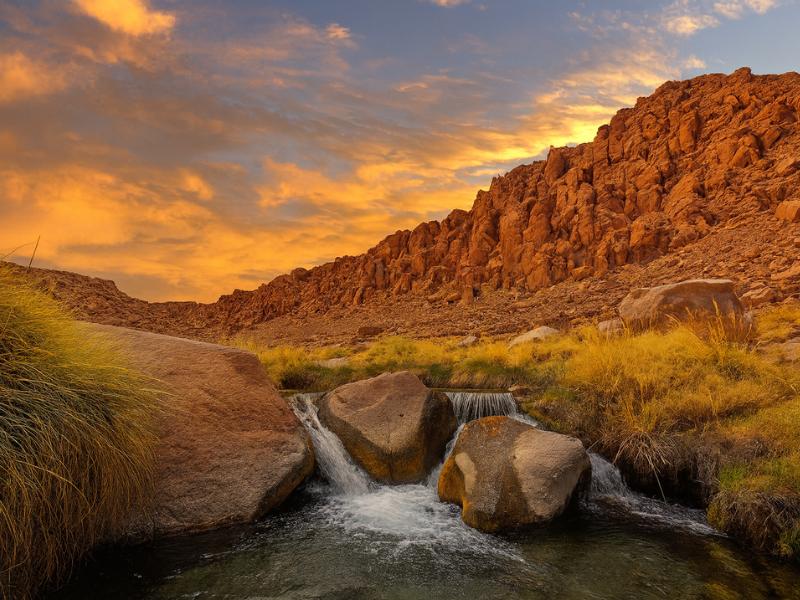
Respiratory benefits show extreme aridity (<1% humidity) reducing respiratory distress for asthma, COPD, bronchitis sufferers versus humid environments exacerbating conditions, with many reporting easier breathing despite altitude (thin air offset by dry conditions).
Joint relief demonstrates warm dry climate (versus cold damp) reducing arthritis pain and stiffness, thermal hot springs (Puritama) providing therapeutic benefit, creating physical comfort beyond typical humid or cold destinations.
Stress reduction shows spectacular landscapes providing psychological benefit (awe, wonder, perspective), slow pace reducing anxiety, escape from daily concerns, natural beauty improving mood and mental health.
Cognitive stimulation demonstrates educational content (geology, astronomy, culture) maintaining mental sharpness, learning new information, engaging curiosity, problem-solving (travel logistics), creating brain health benefits.
Table: Health Benefits Atacama for Seniors
| Health Aspect | Benefit | Why Atacama Specifically | Who Benefits Most | Mechanism | Compared to Other Destinations | Precautions | Duration of Benefit |
|---|---|---|---|---|---|---|---|
| Respiratory | Easier breathing (many report) | <1% humidity reduces respiratory distress | Asthma, COPD, bronchitis | Dry air less inflammatory | Better than humid tropics, sea-level cities | Altitude offsetting benefit | During and shortly after |
| Arthritis/Joint Pain | Reduced pain, stiffness | Warm dry climate vs cold/damp | Arthritis (osteo/rheumatoid), joint issues | Heat + dryness reducing inflammation | Better than cold/damp climates | Hydration critical | During stay |
| Cardiovascular Fitness | Adaptation improving oxygen efficiency | Altitude training effect (mild) | Generally healthy seniors | Increased red blood cells, efficiency | Unique to altitude | Monitor carefully, doctor clearance | 2-4 weeks post-trip |
| Mental Health | Stress reduction, improved mood | Spectacular landscapes, escape routine | Anxiety, mild depression, stress | Awe, nature exposure, adventure | Similar to other natural wonders | Balance with physical demands | During and 2-6 weeks after |
| Cognitive Function | Stimulation, learning, engagement | Educational content, new experiences | Mild cognitive decline, all | Learning, problem-solving, novelty | Better than passive beach | Altitude temporarily impairing | During and ongoing |
| Sleep Quality (After Adjustment) | Deeper sleep (many report) | Altitude adaptation, physical activity, dry air | Sleep issues, insomnia | Physical exertion, altitude effects | Variable | Initial days worse (adjustment) | After acclimatization (Days 3+) |
| Skin | Dry climate soothing (for some) | <1% humidity less irritating | Eczema, some skin conditions | Reduced moisture-related irritation | Better than humid hot | Requires moisturizing | During stay |
Respiratory benefit paradox shows many asthmatics and mild COPD sufferers reporting easier breathing in Atacama despite altitude (thinner air expected to worsen) with extreme aridity reducing airway inflammation outweighing thin air effects, though severe COPD potentially being problematic.
The arthritis relief demonstrates warm dry climate (versus cold damp Britain, Northern Europe, Northern US) reducing joint pain and stiffness with many reporting best mobility in months, Puritama thermal pools providing additional therapeutic benefit (30-35°C soothing inflammation).
Cardiovascular mild benefit shows altitude exposure creating mild “training effect” with body adapting by increasing red blood cell production, improving oxygen efficiency, potentially lasting 2-4 weeks post-trip though benefit being marginal and not justifying travel solely for this.
Mental health stress reduction demonstrates spectacular landscapes creating awe and perspective (problems feeling smaller, life appreciation), escape from daily routine and concerns, adventure stimulation, natural beauty improving mood.
The cognitive stimulation shows learning geology (ancient lake beds, erosion, volcanic processes), astronomy (dark sky viewing, constellations, planets), cultural history (Atacameño heritage, pre-Columbian societies) maintaining mental sharpness, engaging curiosity, creating brain health benefits versus passive travel.
Sleep quality paradox demonstrates first 2-3 nights often being worse (altitude adjustment, excitement, disrupted schedule) though Days 3+ many reporting deeper sleep from physical exertion (touring), successful altitude adaptation, dry air comfort, stress reduction.
Skin dry climate shows being beneficial for some conditions (eczema, psoriasis potentially improving in very low humidity) though requiring aggressive moisturizing (dry skin, lips, nose) preventing cracking and discomfort creating mixed effect.
Duration of benefits shows most being temporary (during stay only or 2-4 weeks after) though mental health benefits potentially lasting longer (memories, renewed perspective, confidence from successful travel) creating ongoing positive effects.
Limitations acknowledgment demonstrates benefits being modest not miraculous with Atacama not being “cure” for conditions, requiring proper medication management, medical supervision, realistic expectations versus unrealistic health improvement hopes.
Choose A Date For Your Outing
Valley Of The Moon
Select your date and party on Viator for the current price and departure options.
See Moon Valley Departures ↗Budget Considerations for Senior Travelers
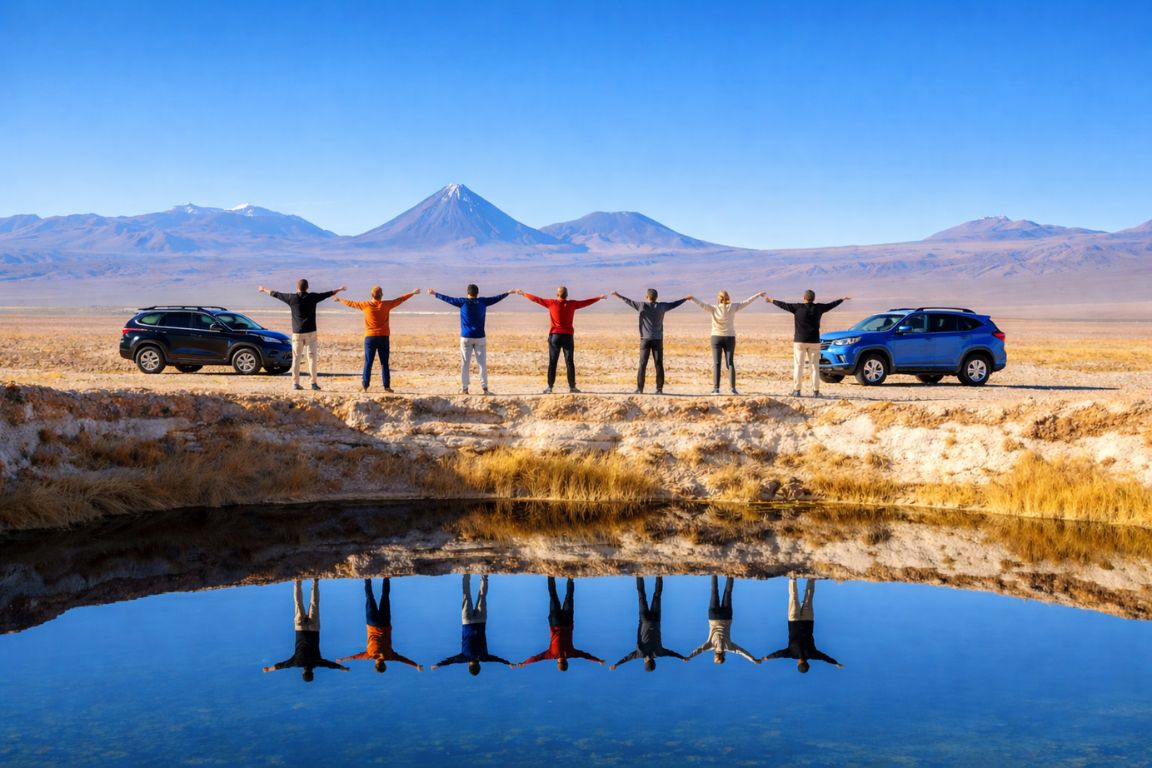
Daily budget comfortable shows $100-200 per person including mid-range accommodation ($80-150 single, $100-200 double), tours ($25-80 daily average), good meals ($30-50 daily), creating quality comfortable experience without extreme luxury or unnecessary economy.
Tour costs seniors show per-person pricing being same as younger adults (Valle Luna $28-40, El Tati $45-60, Altiplanic $60-80) with some operators offering senior discounts (10-15% for 65+) though being uncommon creating standard pricing expectation.
Accommodation single supplement challenge demonstrates solo senior travelers paying full private room rate ($80-150) versus couples splitting double ($100-200, so $50-100 each) creating 50-100% cost premium though private room being essential comfort for most seniors versus hostel dorms.
Hidden costs include quality sunscreen ($12-18 San Pedro, bring from home $6-8), altitude medication Diamox ($10-30), comfortable shoes if inadequate (hiking boots $60-150), warm layers if inadequate (down jacket $100-250), medical consultation ($50-150), comprehensive insurance ($100-250 week seniors versus $50-80 younger adults).
Our complete Atacama trip costs and budgeting guide breaks down exactly why rental cars rarely deliver the savings people expect – those hidden costs add up faster than most budgets can absorb.
Table: Senior Travel Budget Complete Breakdown
| Expense Category | Budget Option | Mid-Range (Recommended) | Comfortable/Luxury | Notes Seniors | Value Strategies | Don’t Skimp On |
|---|---|---|---|---|---|---|
| Accommodation | $50-80/night | $80-150/night | $150-300+/night | Private room essential, comfort matters | Book early, longer stay discounts | Mattress quality, heating |
| Tours | $25-35 daily average | $40-60 daily average | $60-100+ daily average (private) | Same pricing as younger, occasional senior discounts | Essential tours only, group vs private | Insurance, established operators |
| Meals | $15-25 daily | $30-50 daily | $60-100+ daily | Good restaurants worth investment | Lunch special, apartment breakfast | Food quality (stomach issues) |
| Transport | $30-50 airport shuttle, taxis | $50-80 including airport, town taxis | $100-200+ car rental full trip | Shuttles adequate, taxis convenient | Share shuttle | Safety, reliable vehicles |
| Travel Insurance | $100-150 week | $150-250 week | $250-400+ week (comprehensive) | More expensive 65+, pre-existing coverage critical | Compare plans, annual if traveling | Medical evacuation, pre-existing |
| Medical Prep | $20-50 (minimal) | $75-150 (consult, meds) | $200-400+ (extensive testing) | Doctor visit, prescriptions, Diamox | Generic medications | Doctor consultation |
| Sun Protection | $15-30 | $40-60 | $80-120+ | Premium products age-appropriate skin | Bring from home | SPF quality |
| TOTAL Daily | $60-100/person | $100-200/person | $200-400+/person | Comfortable $100-200 optimal | Prioritize comfort over budget | Health, safety, comfort |
Mid-range $100-200 daily demonstrates being optimal for most seniors balancing comfort, quality, safety, and value creating relaxed enjoyable experience versus extreme budget ($60-100 daily) requiring sacrifices (basic accommodation, limited tours, cheap meals) or luxury ($200-400+ daily) having diminishing returns.
The accommodation comfort emphasis shows quality mattresses (back support, pain-free sleep), reliable heating (winter essentials), hot water (morning comfort), professional service (assistance with needs) being worth premium $80-150 versus budget $50-80 options potentially creating discomfort.
Tour private option shows costing $150-300 group (2-4 people) versus group tours $25-80 per person, with private enabling pace control, flexibility, comfort potentially being worthwhile for those with mobility or energy limitations creating $30-75 per person premium (family of 4) versus $100-150 premium (couple).
Meal quality investment demonstrates good restaurants ($15-25 per meal) reducing stomach upset risk (proper food handling, fresh ingredients) versus cheap eats ($5-10) potentially causing travelers’ diarrhea creating discomfort and lost touring days, justifying quality investment.
Insurance age premium shows 65+ paying 50-100% more than younger travelers (higher medical risk, evacuation likelihood) with comprehensive policies being $150-250 week versus $50-80 younger adults, though being non-negotiable essential expense.
The medical preparation shows physician consultation ($50-150 depending on healthcare system), prescriptions (Diamox $10-30, others variable), potential testing (EKG, stress test if cardiac concerns $200-500) being worthwhile preventative investments.
Sun protection premium products demonstrate mineral-based SPF 50+ for sensitive aging skin ($12-18 bottle San Pedro, $8-12 home), quality UV400 sunglasses ($40-100), UPF 50+ sun shirts ($40-80) being age-appropriate investments versus cheap alternatives being inadequate.
Value strategies include booking accommodation 8-12 weeks advance (better rates, selection), longer stays (some hotels offering weekly discounts 10-15%), essential tours only (Valle Luna, Cejar, Puritama, skipping optional Rainbow Valley), shared shuttles (versus private), apartment rental longer stays (7+ days, cooking savings).
Don’t skimp priorities show health and safety being non-negotiable (comprehensive insurance, established tour operators, doctor consultation, quality accommodation) versus optional luxuries (fancy dinners, premium tours, luxury lodges) being cuttable if budget-conscious.
Senior discount reality shows being relatively uncommon in Chile versus US/Europe senior benefits, with occasional tour operators offering 10-15% discount for 65+ (ask directly) though not being standard expectation creating pleasant surprise when available.
FAQs
What’s the best age for seniors to visit Atacama?
Ages 60-70 optimal showing excellent capability with proper fitness, good health. Ages 65-72 represent highest visitor numbers (best balance retirement time, health, fitness, appreciation). Ages 70-75 very capable most tours with minor adjustments. Ages 75-80 requiring selective easier tours, extra rest. Ages 80+ possible exceptional individuals though requiring very careful assessment. Fitness level matters far more than age – active 70-year-olds succeeding while sedentary 60-year-olds struggling.
Is the altitude dangerous for seniors?
Moderate risk manageable with preparation. Seniors potentially more susceptible than younger adults (reduced cardiovascular reserve, medications, pre-existing conditions) though many adapting perfectly. Critical: 72-hour minimum acclimatization San Pedro 2,400m before 4,000m+ tours, pre-trip physician consultation (especially heart/lung conditions), Diamox prophylaxis recommended, vigilant symptom monitoring (headache, breathlessness, chest pressure). Never ignore symptoms – descent and medical attention if severe.
What tours can seniors 65-75 comfortably do?
Highly recommended: Valle de la Luna (3 hours, easy walking, spectacular), Laguna Cejar summer (floating effortless, 3-4 hours), Puritama Hot Springs (thermal pools relaxing, 2-3 hours), stargazing (intellectual minimal physical, 2-3 hours). Assess carefully: El Tatio Geysers (4am wake brutal, extreme cold, 7-8 hours, only if very fit), Rainbow Valley (4-5 hours moderate). Often too demanding: Altiplanic Lagoons (10-12 hours exhausting, sustained altitude).
Do I need special travel insurance for seniors?
YES – absolutely essential and more expensive than younger travelers (50-100% premium). Required coverage: medical minimum $100,000+ (higher better), emergency evacuation unlimited or $500,000+ (helicopter $3,000-8,000), pre-existing condition coverage (purchase within 14-21 days first trip payment), 24/7 assistance hotline. Regular travel insurance often inadequate seniors – comprehensive policies necessary (World Nomads, Allianz, IMG). Non-negotiable given altitude, remote location, medical facilities limited.
Can seniors with heart conditions visit Atacama?
Depends on condition severity and control. Well-controlled hypertension compatible with physician clearance, medication management, conservative approach. Stable controlled angina potentially manageable very carefully. Recent heart attack (<6 months), unstable angina, uncontrolled heart failure, serious arrhythmias generally contraindicating high-altitude travel. Essential: pre-trip physician consultation, stress test if appropriate, medical clearance, conservative tour selection (skip El Tati/Altiplanic if any concerns), comprehensive insurance, medication adherence.
Is Atacama too physically demanding for seniors?
No if selecting appropriate tours. Valle Luna, Cejar, Puritama, stargazing being manageable for most seniors reasonable fitness (walk 30-45 minutes, climb 2-3 flights stairs). El Tati and Altiplanic being legitimately demanding (less than 70% 65+ completing successfully). Key: honest self-assessment, choosing suitable tours, private tours if mobility/energy concerns, adequate rest days, accepting limitations. Fitness preparation 8-12 weeks before (daily walks) improving experience.
Glossary
- Cardiovascular Reserve: Heart and circulatory system’s ability to increase function beyond baseline, declining with age, affecting altitude tolerance and physical exertion capacity creating need for conservative approach older adults.
- Acclimatization (Altitude): Physiological adaptation to reduced oxygen at altitude (2,400m-4,300m) requiring 48-72 hours young adults, 72+ hours seniors enabling safer high-altitude tour participation preventing altitude sickness.
- Diamox (Acetazolamide): Prescription altitude sickness prevention medication reducing symptoms 50-70% when taken 1-2 days before high-altitude exposure (4,000m+), requiring physician prescription most countries though over-counter Chile.
- Pre-existing Condition: Medical condition existing before travel (hypertension, diabetes, heart disease, arthritis) requiring travel insurance disclosure and specific coverage ensuring protection versus standard policies excluding pre-existing issues.
- Trekking Poles: Collapsible walking sticks ($30-60) providing balance and stability on uneven terrain, reducing fall risk, distributing weight descending stairs/slopes, particularly beneficial seniors with balance or mobility concerns.
Key Takeaways
- Atacama Desert is excellent destination for active healthy seniors 60-75+ with appropriate tour selection and realistic pacing creating memorable rewarding experience matching or exceeding typical senior destinations. Age alone doesn’t determine suitability – fitness level, health status, altitude tolerance, honest self-assessment being critical with active 70-year-olds successfully completing all tours while sedentary 60-year-olds struggling with basics. Best senior-friendly tours include Valle de la Luna (ages 60+, 3-hour easy walking, spectacular Mars/moon landscapes, 96% positive), Laguna Cejar (60+, 3-4 hour unique floating, buoyancy eliminating swimming effort, 92% positive), Puritama Hot Springs (60+, 2-3 hour therapeutic thermal pools, relaxing atmosphere, 94% positive), stargazing (60+, evening intellectual engagement, minimal physical demand, 93% positive).
- Challenging tours requiring careful assessment include El Tatio Geysers (demanding 4am wake brutal for seniors sleep issues, extreme cold -15°C to -25°C predawn difficult tolerate, 4,300m highest altitude, 7-8 hour duration, 68% positive 65+ with 32% reporting too demanding) and Altiplanic Lagoons (10-12 hour extremely long day exhausting, sustained 4,000-4,300m altitude, extensive 5-7 hour sitting creating stiffness, 50-60% 65+ completing successfully).
- Altitude considerations critical show seniors potentially more susceptible altitude sickness (40-50% at 4,000m+ versus 30-40% younger adults) due to reduced cardiovascular reserve, medication interactions, pre-existing conditions requiring minimum 72 hours acclimatization San Pedro 2,400m before attempting 4,000m+ tours (Day 1-2 complete rest, Day 3 easy Valle Luna, Day 4-5+ high tours only if symptom-free), pre-trip physician consultation mandatory for heart/lung conditions, Diamox prophylaxis recommended, vigilant symptom monitoring (headache, breathlessness, chest pressure, confusion requiring immediate medical attention).
- Medical preparation essential includes bringing complete medication supply plus 7-day backup (delays, lost luggage), medication list with generic names (brand names vary internationally), comprehensive travel insurance covering medical evacuation ($3,000-8,000 helicopter), pre-existing condition coverage (requires purchase within 14-21 days first trip payment), 24/7 assistance hotline, doctor consultation confirming tour fitness especially cardiovascular/pulmonary. Accommodation priorities show mid-range hotels ($80-150/night) with reliable hot water, heating, quality mattresses, ground floor or elevator access being optimal comfort-value balance versus budget hostels (shared facilities, basic beds, noise inadequate) or luxury lodges ($250-400+ unnecessary expense, often remote).
- Physical demands manageable demonstrate most tours involving 2-4 km gentle walking relatively flat terrain with frequent stops (Valle Luna, Cejar, Puritama), optional strenuous elements (dune climbing can skip), vehicle-based sightseeing reducing exertion, though uneven gravel surfaces requiring reasonable balance/mobility, trekking poles helpful ($30-60 investment providing stability). Health advantages show extreme aridity (<1% humidity) benefiting respiratory conditions (asthma, mild COPD reporting easier breathing despite altitude), warm dry climate easing arthritis joint pain, spectacular landscapes reducing stress providing psychological benefit, educational content (geology, astronomy, culture) maintaining cognitive stimulation.
- Best age ranges 60-65 “young seniors” (90%+ success all tours if fit), 65-70 “active seniors” (85% success most tours, largest demographic 30-35% visitors), 70-75 “mature seniors” (75% success selective tours, extra rest needed), 75-80 “older seniors” (60% success focusing easy tours only), 80+ “elderly seniors” (rare 2-5% visitors, exceptional individuals only, requiring extreme caution). Real experiences show 87% positive overall with Valle Luna 96%, Cejar 92%, Puritama 94%, stargazing 93% being universally successful while El Tati mixed 68% (fit seniors loving, less fit finding too demanding) and Altiplanic minority 50-60% completing.
- Budget comfortable $100-200 daily per person ($80-150 mid-range accommodation, $40-60 tours daily average, $30-50 good meals) creating quality experience without extreme luxury or unnecessary economy. Success factors consistent include honest physical self-assessment (can walk 45 minutes continuously? Climb 2-3 flights stairs without severe breathlessness?), conservative initial tour choices (starting easy Valle Luna before attempting challenging El Tati), adequate rest between tours (one tour daily maximum, rest days every 2-3 tour days), quality accommodation prioritizing comfort (sleep, heating, hot water), comprehensive medical preparation (doctor clearance, insurance, medications), private tours if mobility/energy concerns ($150-300 group enabling complete pace control), willingness skip tours if unwell (health over agenda).
- Optimal trip length 7-10 days enabling Day 1-2 acclimatization (complete rest, minimal activity), Day 3 easy introduction (Valle Luna), Day 4 assessment (second easy tour or rest based on response), Day 5-7 selective additional tours (Cejar, Puritama, stargazing, possibly El Tati fit seniors only), Day 8-10 flexibility (rest, contingency, revisiting favorites). Physical preparation 8-12 weeks pre-trip show daily 30-45 minute walks, stairs if able, building stamina substantially improving tour enjoyment and completion success. Check the Valley of the Moon Tour first, then add shorter outings if the altitude sits well.
Written by experienced senior travel specialist with comprehensive knowledge of age-related physiological changes, altitude effects older adults, medical considerations chronic conditions, mobility limitations, and realistic capabilities enabling mature travelers to successfully safely enjoy Atacama Desert’s spectacular landscapes while acknowledging and respecting physical realities creating honest practical empowering guidance for seniors aged 60-85+. Date: December 29, 2025.
Make It Part Of Your Trip
Put the route and transport in one booking and spend the afternoon on the landscape. Read the walking requirements to decide whether this particular outing fits.
Valley Of The Moon
Make room for a desert landscape outing without committing several days. A guided Moon Valley excursion gives your afternoon a clear destination.
See Moon Valley Departures ↗