Toconao Village Guide: The White Stone Town South of San Pedro
Toconao is a small Atacameño village about 38 km south of San Pedro, built almost entirely from white volcanic stone. Nearly everyone who sees it does so as a 40-minute stop in the middle of a much longer day, and that is the honest way to plan it.
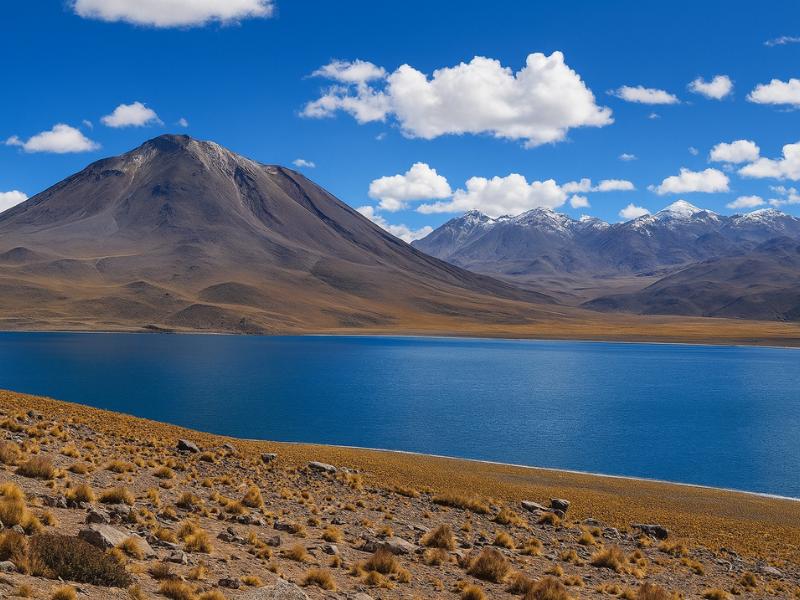
What is Toconao and why do tours stop there?
Toconao is an Atacameño village of a few hundred people, roughly 38 km south of San Pedro de Atacama at about 2,475 m, on the road that runs down the eastern edge of the Salar de Atacama. Almost every building is made of liparite, a pale volcanic stone quarried nearby, which gives the whole village an unusual white uniformity.
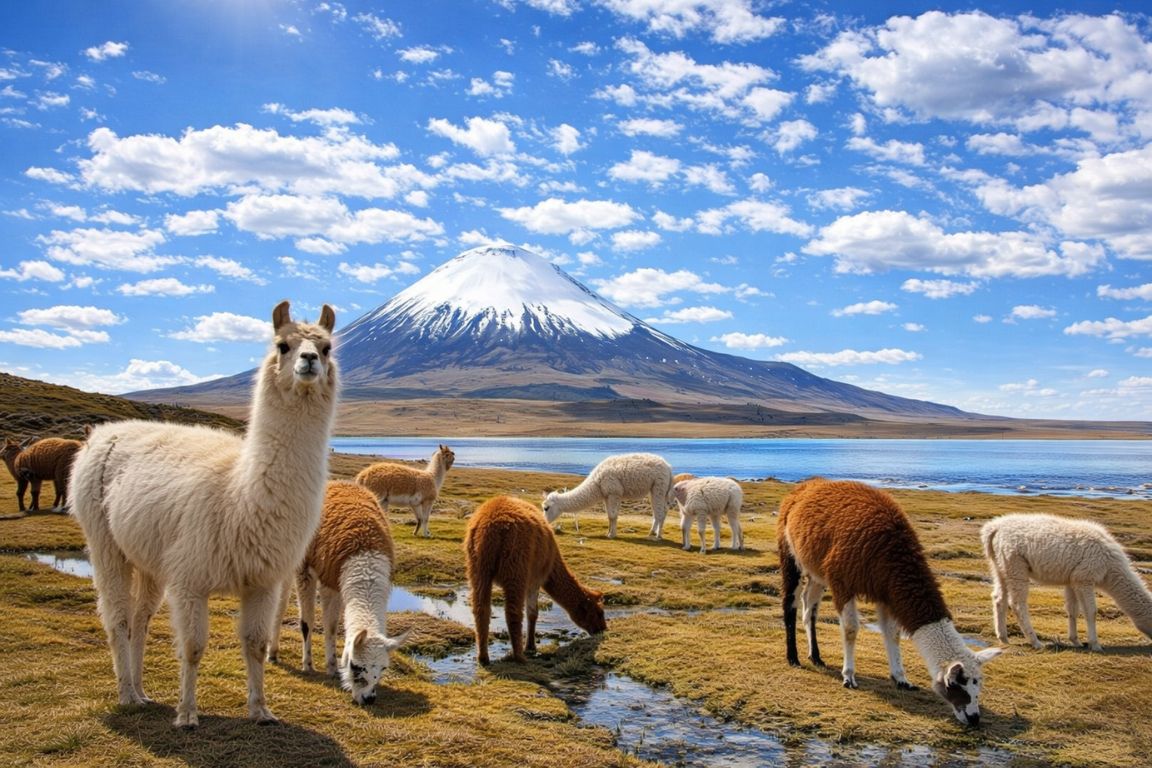
The practical reason tours stop is geography. Toconao sits at the point where the southern circuit leaves the salt flat basin and starts climbing toward Socaire and the altiplano lagoons. It is the last settlement of any size before the road goes high, it has toilets and coffee, and it happens to be genuinely interesting. That combination makes it the default comfort stop on a ten to twelve hour day.
The interesting part is not incidental. The village has been continuously inhabited for a very long time by the Lickanantay, or Atacameño, people, and the name is generally translated from their Kunza language as a reference to stone. The stone is the whole story here: what the buildings are made of, what the local craft tradition carves, and why the place looks like nowhere else on the route.
| Detail | Toconao |
|---|---|
| Distance from San Pedro de Atacama | About 38 km south |
| Drive time | Roughly 30 to 40 minutes on sealed road |
| Altitude | About 2,475 m, similar to San Pedro |
| Building material | Liparite, a white volcanic stone quarried locally |
| Main sights | Free-standing bell tower, church of San Lucas, craft market, Jere valley oasis |
| Typical time on a tour | 30 to 45 minutes |
| Position on the circuit | Between the Salar de Atacama and the climb to Socaire and the lagoons |
| Standalone destination? | Not for most travellers. It is a stop, not a day |
Put Toconao In The Right Itinerary
Choose what you want and the time you can give it. The result explains the trade-off before you open the booking page.
What do you actually see in a 40-minute stop?
A tour stop covers the plaza, the free-standing bell tower and the church beside it, and the craft stalls that ring the square. That is roughly twenty minutes of looking and twenty minutes of coffee, toilets and shopping. You do not see the Jere valley oasis, which lies below the village and needs an hour of its own.
Set expectations at that scale and Toconao is a pleasant, genuinely photogenic interval in a long day. Expect a village to explore at leisure and you will feel short-changed, because the vehicle leaves on schedule and the schedule is built around reaching the high lagoons in good light.
The plaza is small and shaded, which after two hours in a vehicle matters more than it sounds. The bell tower stands separately from the church, white and squat, with an arched opening at the top. It is the image every visitor photographs and the one that ends up representing the village.
| Minute | What most groups do |
|---|---|
| 0 to 5 | Park, gather, guide gives context on the stone and the village |
| 5 to 15 | Walk to the plaza, bell tower and church exterior |
| 15 to 25 | Free time around the craft stalls |
| 25 to 35 | Toilets, coffee, empanadas, fruit preserves |
| 35 to 45 | Back to the vehicle, onward toward Socaire |
A few tours reverse the order and stop in Toconao on the way back down, when the light is warmer and the stalls are winding up. Both work. If your itinerary lists Toconao on the return leg, that is not a downgrade.
What is liparite, and why is the whole village white?
Liparite is a light-coloured volcanic rock quarried from deposits near the village. It is soft enough to cut and carve by hand, hard enough to build with, and its pale colour reflects the desert sun. Generations of builders used it for houses, walls, the church and the bell tower, which is why Toconao looks so consistent.
Locally the stone is often called sillar, and its workability is the point. Volcanic rock that can be sawn into blocks with simple tools is a gift in a place with almost no timber. The same softness makes it ideal for carving, which is how the village's craft tradition developed: small figures, plaques and ornaments cut from the offcuts.
There is a practical dimension too. Thick stone walls buffer a climate that swings hard between hot afternoons and near-freezing nights, so the interiors stay usable through both. The desert has been doing passive-climate architecture for a very long time.
| Property | Why it mattered to builders |
|---|---|
| Pale, near-white colour | Reflects intense desert sun, keeps interiors cooler |
| Soft enough to cut by hand | Quarried and shaped without industrial tools |
| Locally available | No need to transport building material across the desert |
| Good thermal mass | Buffers the daily swing from hot afternoons to freezing nights |
| Carvable | Supports the village's stone craft tradition |
| Durable in dry air | Structures survive for centuries with minimal rainfall |
Look at the walls closely rather than only photographing the tower. You will see saw marks, uneven block sizes, and repairs made decades apart in slightly different stone. That texture is more interesting than the postcard view.
What is the bell tower and the church of San Lucas?
The church of San Lucas and its separate bell tower are the village's landmark and are protected as a national monument. The tower stands alone in the plaza, built of the same white stone, and the church beside it follows the colonial Andean pattern of thick walls, a simple nave and a roof structure using cactus wood and local timber.
Free-standing bell towers, or campanarios, are a recurring feature of Andean village churches, and Toconao's is among the most photographed in northern Chile. Its proportions are unusual: broad and low rather than tall, with the bell opening set under a small arch at the top.
Whether you can go inside the church varies. It is a working place of worship in a small community, not a museum, and opening depends on the day and whoever holds the key. Guides usually know. If it is open, step in quietly, and if a service is under way, stay outside.
| Feature | What to notice |
|---|---|
| The bell tower | Free-standing, white liparite, arched bell opening, the classic photograph |
| The church walls | Thick stone, small windows, whitewashed surfaces |
| Roof structure | Traditional Andean use of cactus wood and local timber |
| Protection status | Recognised as a national monument |
| Interior access | Variable. It is an active parish church, not an attraction |
| Photography | Fine for buildings. Ask before photographing people |
The Direct Fit And Useful Alternatives
Piedras Rojas And Highland Lagoons
Give a full day to red rocks and highland lagoons without organizing the driving yourself. A connected circuit makes more sense than treating every stop as a separate trip.
A long, high-altitude outing; check participation requirements.
Book on ViatorSee The Piedras Rojas Route ↗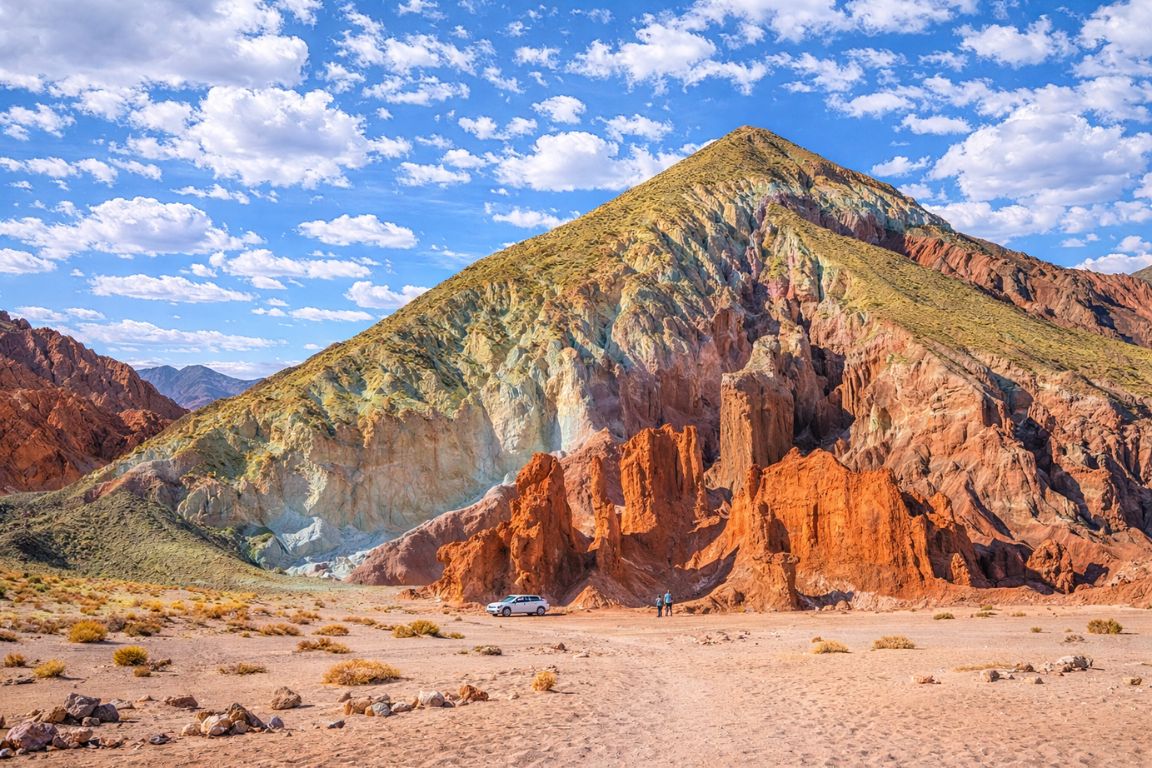
Rainbow Valley And Yerbas Buenas
A guided outing pairing mineral-coloured hills with the Yerbas Buenas petroglyphs. Breakfast and hotel pickup are listed, with English and Spanish guiding.
Allow about six hours. Entrance tickets need arranging separately.
Book on GetYourGuideExplore Rainbow Valley And Rock Art ↗
Valley Of The Moon
Make room for a desert landscape outing without committing several days. A guided Moon Valley excursion gives your afternoon a clear destination.
About four hours. Walking is involved; read the participation requirements.
Book on ViatorSee Moon Valley Departures ↗What is the Jere valley oasis?
The Quebrada de Jere, or Jere valley, is a green ravine below the village where a stream supports fruit orchards: figs, quinces, pears and pomegranates growing in a desert that otherwise supports almost nothing. It is managed by the community, charges a small entrance, and needs about an hour, which is more than a tour stop allows.
The contrast is the appeal. You walk down from a white stone village on bare ground into a corridor of leaf shade and running water, with terraced plots worked the way they have been for generations. After days of salt crust and volcanic gravel, the sheer green of it lands hard.
Be realistic about access. Standard full-day circuits do not include Jere, because the ravine visit alone would swallow the buffer the schedule needs to reach the altiplano lagoons before the weather turns. Reaching it means an independent trip, a private tour, or asking a driver to make a specific detour, which not all can accommodate.
| Aspect | Detail |
|---|---|
| What it is | Irrigated ravine oasis below Toconao with fruit orchards and a stream |
| What grows there | Figs, quinces, pears, pomegranates and other fruit in terraced plots |
| Time needed | About an hour to walk it properly |
| Cost | A small community-managed entrance fee, so carry cash |
| Included on standard circuits? | No. Almost never |
| How to reach it | Independent visit, private tour, or a driver willing to detour |
If the oasis is what draws you rather than the village, treat it as a half-day plan of its own rather than something to squeeze into a circuit day. Combining it with an early start and a return to San Pedro by lunchtime is a realistic shape.
Is Toconao worth a standalone trip?
For most travellers, no. The village is small, the main sights take under an hour, and a dedicated return trip from San Pedro burns most of a day for that. It becomes worthwhile for a narrower group: people interested in Atacameño culture and architecture, photographers wanting the tower without a tour group, and anyone specifically going for the Jere oasis.
We would rather say that plainly than pad the page. Toconao is a good stop, not a destination, and building a day around it means giving up something the region does better. With four days in the Atacama, the altiplano lagoons, the geysers and a stargazing night all outrank it.
| Traveller | Standalone trip worth it? | Reasoning |
|---|---|---|
| First-time visitor with 3 to 4 days | No | The 40-minute tour stop covers it. Use the day for the lagoons or geysers |
| Interested in Andean architecture and Atacameño culture | Yes | Time at the church, the stone workshops and the streets rewards it |
| Photographer | Possibly | Early or late light on white stone, without a group waiting |
| Wanting to see the Jere oasis | Yes | The oasis is never on a standard circuit and needs its own hour |
| Travelling with young children | No | Little to occupy them beyond the plaza |
| On a second Atacama trip | Yes | Once the highlights are done, the villages get more interesting |
If you are weighing up how to spend limited days, our orientation guide to things to do in San Pedro groups every option by type and time cost, which makes this trade-off easier to see.
How does Toconao compare with the other Atacameño villages?
Four villages appear regularly on tour itineraries and each has a distinct character. Toconao is the stone village at 2,475 m. Socaire is higher and greener at about 3,250 m, built around agricultural terraces. Machuca sits near 4,000 m on the geyser road with llamas and a whitewashed chapel. Peine lies further south and is rarely visited.
Knowing the differences helps because tour titles list village names as though they were interchangeable, and they are not. If you have already stopped in Toconao and Socaire on one circuit and Machuca on another, you have seen three genuinely different responses to the same problem of living in a high desert.
Toconao's answer is stone and water from the Jere ravine. Socaire's is terracing, stacked stone platforms holding soil on a slope where the growing season is short and the nights are cold. Machuca's is herding, since almost nothing grows at 4,000 m but the wetland supports llamas and alpacas. The landscape sets the rules and each village follows them differently.
| Village | Altitude | Character | Which tour reaches it |
|---|---|---|---|
| Toconao | About 2,475 m | White liparite stone, bell tower, craft stalls, oasis orchards below | Southern circuit to Chaxa and the lagoons |
| Socaire | About 3,250 m | Agricultural terraces, stone church, common lunch stop | The same southern circuit, higher up |
| Machuca | About 4,000 m | Tiny herding hamlet, whitewashed chapel, llamas on the wetland | Return leg of the El Tatio geyser tour |
| Peine | Southern end of the salt flat | Working village, spring-fed pools, few visitors | Rarely on standard itineraries |
| Talabre | High, on the Lascar road | Relocated village below an active volcano | Occasional specialist trips |
Of those, Toconao and Socaire come as a pair on the same day, which is the most efficient way to see how altitude reshapes a settlement over 800 vertical metres. The Socaire village guide covers the second half of that comparison.
Which tours stop in Toconao?
The full-day southern circuits toward Chaxa, the altiplano lagoons and Piedras Rojas are the ones that pass through. Not all of them stop, and some substitute Socaire depending on timing and the day's schedule, so read the stop list in the itinerary rather than assuming.
Below are the three circuits in our catalogue that run this route. All three are long days with early pickups and evening returns, and all three combine the salt flat, the villages and the high lagoons.
| Tour | Duration | Rating | Bookings | Listed price | Toconao |
|---|---|---|---|---|---|
| Piedras Rojas, Altiplanic Lagoons and Chaxa full day | 10 hours | 4.9 | 3,929 | From $110 | Listed as a stop, with Socaire |
| Red Stones, Altiplanicas and Chaxa experience | 12 hours | 4.9 | 1,346 | From $120 | Listed as a stop, with Socaire |
| 3-in-1 Red Stones, Highland Lagoons and Chaxa | 11 hours | 4.7 | 1,734 | From $85 | Socaire is the listed village stop |
If seeing Toconao specifically matters to you, say so when booking and check the confirmed itinerary. Substitutions happen for practical reasons, including road conditions higher up and how far behind schedule the day has run. Guides prioritise the lagoons, and they are right to.
Choose A Date For Your Outing
Piedras Rojas And Highland Lagoons
Select your date and party on Viator for the current price and departure options.
See The Piedras Rojas Route ↗How does Toconao fit into the southern circuit?
It comes early. Most southern circuits leave San Pedro between 7 am and 8 am, reach Toconao within the first hour, then continue to the Salar de Atacama and Laguna Chaxa, climb through Socaire to the Miscanti and Miñiques lagoons above 4,000 m, and finish at Piedras Rojas before returning in the evening.
Understanding that order matters for how you use the stop. Toconao is where you are still fresh, still low, and where the coffee is a good idea rather than a necessity. By the time the vehicle reaches 4,300 m in the afternoon, appetite and energy will be different.
| Stop | Altitude | Usual timing | Time on the ground |
|---|---|---|---|
| San Pedro de Atacama pickup | About 2,400 m | 7:00 to 8:00 am | Departure |
| Toconao | About 2,475 m | Within the first hour | 30 to 45 minutes |
| Laguna Chaxa, Salar de Atacama | About 2,300 m | Mid-morning | 45 to 60 minutes |
| Socaire | About 3,250 m | Late morning or lunch | 20 to 40 minutes |
| Lagunas Miscanti and Miñiques | About 4,100 to 4,350 m | Early afternoon | 45 to 60 minutes |
| Piedras Rojas, Laguna Salada sector | About 4,000 to 4,200 m | Mid-afternoon | 45 to 60 minutes |
| Return to San Pedro | About 2,400 m | Early evening | End of day |
Our Laguna Chaxa flamingos guide, Miscanti and Miñiques lagoons guide and Socaire village guide cover the other stops on this route in the same detail.
What can you buy in Toconao, and is it worth it?
The stalls around the plaza sell llama and alpaca wool goods, carved liparite stone pieces, and preserves and syrups made from local fruit, including produce from the Jere orchards. Prices are set for tour groups, so they are not bargain-basement, but a carved stone piece from the village that carves stone is a defensible souvenir.
The stone carvings are the distinctive buy. They are made from the same rock the village is built from, they are light enough to carry, and they exist here in a way they do not exist elsewhere on the circuit. Wool goods are widely available across northern Chile and Bolivia, so those are a matter of preference rather than provenance.
| What is sold | Notes |
|---|---|
| Carved liparite stone | The genuinely local craft, light to carry, made from the village stone |
| Llama and alpaca wool | Hats, scarves, gloves. Useful given how cold the high stops get |
| Fruit preserves and syrups | Made from oasis produce, including from the Jere orchards |
| Snacks and drinks | Empanadas, coffee, water. Restock here before the high stops |
| Payment | Carry Chilean pesos in cash. Card acceptance is unreliable |
One quiet piece of advice: buy the wool hat here if you did not bring one. The lagoons later in the day sit above 4,000 m with wind, and Toconao is the last practical place to fix that mistake.
How does altitude affect a visit to Toconao?
Toconao itself is easy. At about 2,475 m it sits barely above San Pedro, and almost nobody notices it. The altitude issue on this day comes later, when the same vehicle climbs to over 4,000 m at the lagoons. Use the Toconao stop to drink water and eat something, because doing so at 4,300 m is harder.
That is the practical function of the village in the rhythm of the day, beyond the sightseeing. It is the last comfortable, low, sheltered point before the road goes high. Guides who know their job push water at this stop for exactly that reason.
If you are prone to altitude symptoms, this is also the moment to be honest with your guide about how you are feeling, while turning back is still straightforward. Our altitude and tour order guide explains how to sequence the whole trip so the southern circuit lands on a day your body is ready for.
How do you visit Toconao independently?
Toconao lies on the sealed road heading south from San Pedro toward Socaire and Peine, so a rental car reaches it comfortably in well under an hour. Regional buses serve the villages along this route but run infrequently and are not built around visitor timetables. Both options require you to plan around the return leg.
Self-driving is the practical independent option and opens up the Jere oasis, which tours skip. The road is paved and straightforward, but standard desert-driving rules apply: full tank before leaving San Pedro, plenty of water in the vehicle, and no assumption of mobile coverage between settlements.
| Option | How it works | Best for |
|---|---|---|
| Rental car | Sealed road south from San Pedro, well under an hour each way | Reaching the Jere oasis and setting your own pace |
| Full-day southern circuit | Toconao included as a 30 to 45 minute stop | Almost everyone, since it comes bundled with the lagoons |
| Private tour | Custom stop lengths and detours | Photographers and anyone wanting the oasis plus the village |
| Regional bus | Serves villages on the route, infrequent | Flexible independent travellers with a spare day |
| Taxi or transfer | Negotiated return trip from San Pedro | Small groups splitting the cost |
Whichever way you go, remember Toconao is a living village rather than an open-air museum. People live in those houses, the church is in use, and the plaza is somewhere children play. Ask before photographing anyone, keep noise down near the church, and buy something from a stall if you have used the toilets. See guided tours versus self-drive in the Atacama and transport in San Pedro for the wider practicalities.
Make It Part Of Your Trip
Choose the red-rock and lagoon day for its named highlights; confirm Toconao separately if it is essential.
Piedras Rojas And Highland Lagoons
Give a full day to red rocks and highland lagoons without organizing the driving yourself. A connected circuit makes more sense than treating every stop as a separate trip.
See The Piedras Rojas Route ↗