Atacama Altitude: The Right Order to Do Your Tours
Most Atacama trips are ruined in the booking stage rather than on the ground. Someone lands in Calama, sleeps one night at 2,400 metres and is standing in a geyser field at 4,300 the next morning at dawn, wondering why they feel terrible.
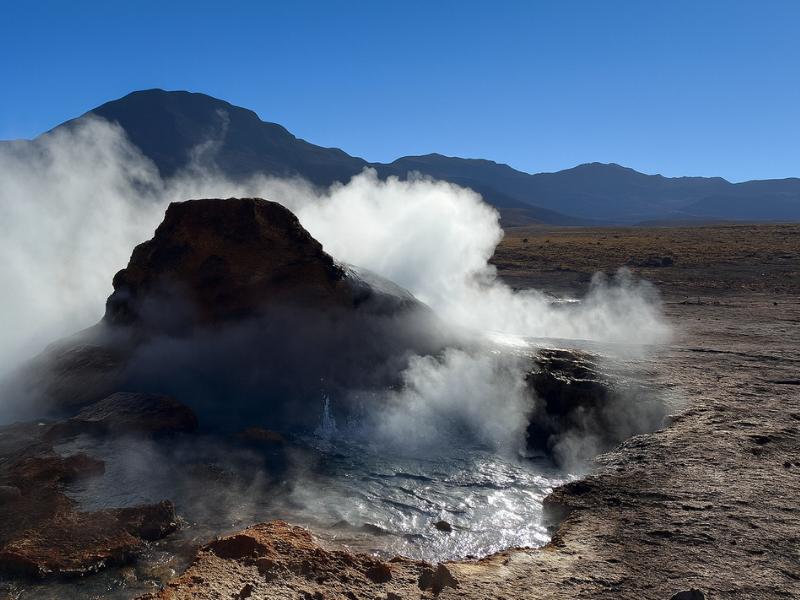
How high is San Pedro de Atacama, and does it matter?
San Pedro de Atacama sits at roughly 2,400 metres, high enough that many visitors sleep badly and feel breathless on the first night without ever calling it altitude sickness. That baseline matters because the tours from town climb far higher, to 3,500, 4,300 and even 5,604 metres.
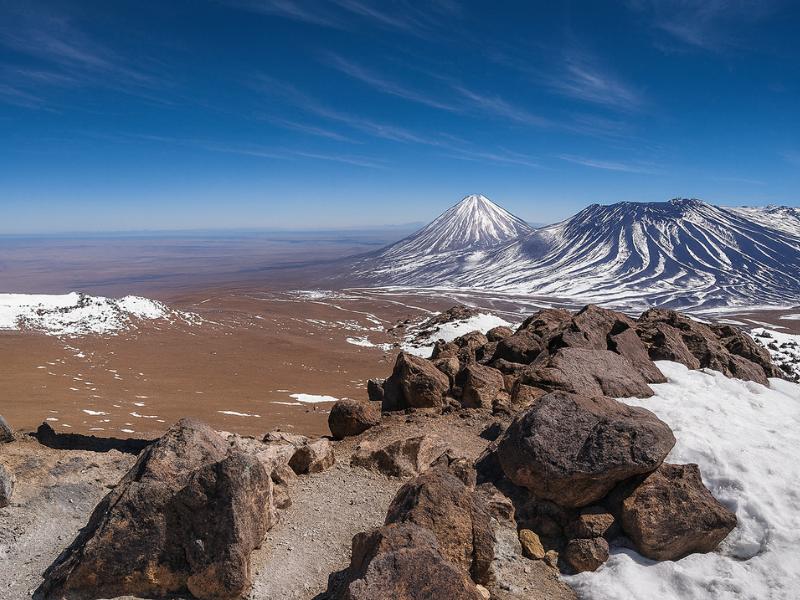
Two thousand four hundred metres is a strange altitude. It is well below the threshold where serious problems are common, and well above the point where a sea-level body notices. The air holds around three quarters of the oxygen pressure it does at the coast. Most people are fine walking around the village. Most people also wake at 3am on the first night, sleep in fragments, and put it down to the flight.
The reason this matters is arithmetic. Every tour you book adds altitude on top of that baseline, and the gap between the town and the high tours is enormous. El Tatio is 1,900 metres above where you sleep. Cerro Toco is 3,200 metres above it. Nowhere else in mainstream South American travel do day trips from a single base cover that kind of vertical range.
| Location | Approximate altitude | Roughly this share of sea-level oxygen pressure | What most people feel |
|---|---|---|---|
| Sea level | 0 m | 100 per cent | Nothing |
| Calama airport | About 2,300 m | Around 75 per cent | Slight breathlessness on stairs |
| San Pedro de Atacama | About 2,400 m | Around 75 per cent | Broken sleep, mild headache for some |
| Termas de Puritama | About 3,500 m | Around 65 per cent | Noticeable on the steps down to the pools |
| Machuca village | About 4,000 m | Around 61 per cent | Walking slowly feels normal |
| El Tatio geysers | About 4,300 m | Around 58 per cent | Headache is common, especially at dawn |
| Highest highland circuit road | Around 4,500 m | Around 57 per cent | Short walks feel long |
| Cerro Toco trailhead | Roughly 5,150 m | Around 52 per cent | Bending to tie a lace leaves you breathless |
| Cerro Toco summit | 5,604 m | Around 49 per cent | Half the oxygen of home |
Keep that last column in mind for the rest of this guide. It is why the order you do things in changes your whole trip.
Choose By Effort And Trip Shape
Choose the outing you want to review. This is an itinerary tool, not a health or accessibility assessment.
What altitude does each Atacama tour actually reach?
Tours here fall into three clean bands. Low tours stay near the town's 2,400 metres and can be done on day one. Mid tours reach 3,000 to 3,500 metres and suit day two or three. High tours run above 4,000 metres and belong from day three onward, with the 5,604 metre climb last of all.
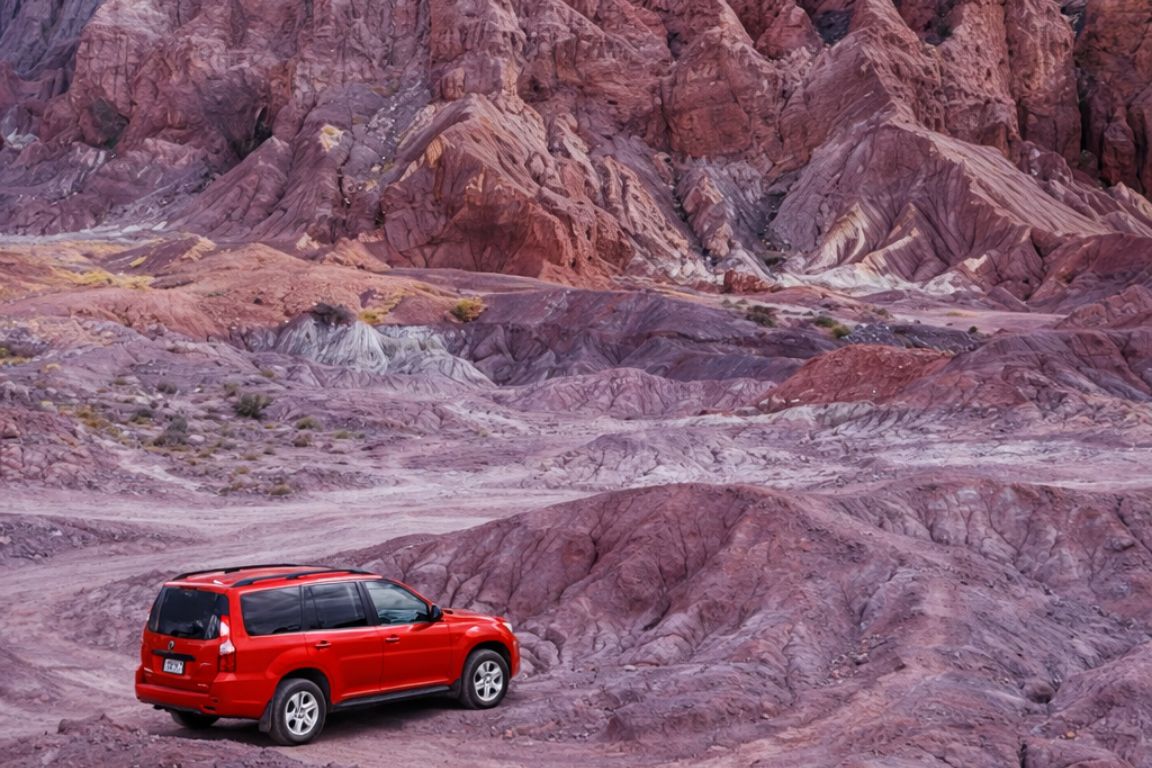
This table is the practical heart of the guide. Every altitude below is an approximation for the highest point reached on a normal running of that tour, and roads and route variations shift things by a hundred metres or so either way. Use it to sequence bookings, not to plan medical decisions.
| Tour | Approximate maximum altitude | Band | Time spent high | Earliest day we would book it |
|---|---|---|---|---|
| Baltinache hidden lagoons | About 2,300 m | Low | None | Day 1 |
| Laguna Cejar and Tebenquiche | About 2,300 m | Low | None | Day 1 |
| Laguna Chaxa flamingos, as a stop | About 2,300 m | Low | None | Day 1 |
| Sunrise hot-air balloon flight | Launch about 2,400 m, floating above the desert floor | Low | About an hour aloft | Day 1, though the early start is cold |
| Stargazing tours | About 2,400 to 2,600 m | Low | None | Day 1 |
| Valley of the Moon | About 2,600 m | Low | None | Day 1 |
| Vallecito and Magic Bus | About 2,600 m | Low | None | Day 1 |
| Horseback riding to Dinosaur Valley | About 2,600 m | Low | None | Day 1 |
| Devil's Throat bike tour | About 2,600 m | Low, but physically active | None | Day 2, give your lungs a day first |
| Rainbow Valley, on multi-day packages | About 3,100 m | Mid | 2 to 3 hours | Day 2 |
| Canyoning and trekking adventure | Around 3,000 m, confirm with the operator | Mid, physically hard | Several hours | Day 3 |
| Termas de Puritama hot springs | About 3,500 m | Mid | 2 to 3 hours | Day 2 |
| Socaire village, on highland circuits | About 3,500 m | Mid | Part of a longer day | Day 3 |
| Machuca village, on the geyser tour | About 4,000 m | High | 30 to 45 minutes | Day 3 |
| Miscanti and Miniques lagoons | Above 4,000 m | High | 1 to 2 hours | Day 3 |
| Piedras Rojas and altiplanic lagoons full day | Around 4,200 m, road sections near 4,500 m | High | 4 to 5 hours | Day 3 |
| Red Stones, Altiplanicas and Chaxa, twelve hours | Around 4,200 m, road sections near 4,500 m | High | 4 to 5 hours | Day 3 |
| El Tatio geysers at sunrise | About 4,300 m | High, and cold | 2 to 3 hours, at dawn | Day 3 |
| Private El Tatio geysers, later start | About 4,300 m | High, warmer timing | 2 to 3 hours | Day 3 |
| Cerro Toco volcano climb | 5,604 m | Extreme | 3 to 4 hours above 5,100 m | Day 5 at the earliest |
The pattern is obvious once it is laid out. There is plenty to do at the town's own altitude, so there is never a reason to book a 4,300 metre tour on your first morning.
What does acclimatisation actually do to your body?
Within hours of arriving, your breathing rate rises to pull in more air. Over the following days your kidneys shed bicarbonate to rebalance blood chemistry that faster breathing has disturbed, and over a longer period your blood carries oxygen more efficiently. The first two changes are what a short trip can access.
The useful mental model is that acclimatisation is a series of adjustments running on different clocks. The fast one, increased ventilation, starts almost immediately and is why you feel breathless on the first evening. The medium one, renal compensation, takes roughly one to four days and is the reason a third night usually feels far better than the first. The slow one, changes in red blood cell production, takes weeks and is not something a holiday delivers.
What this means practically is that days two to four in San Pedro do real physiological work, whether you spend them on tours or in a hammock. The classic guidance above 3,000 metres, not increasing sleeping altitude by more than about 300 to 500 metres per night, does not directly apply here because you sleep at 2,400 metres every night and only visit height during the day. Day trips to altitude followed by a return to a lower sleeping height is, in fact, one of the better acclimatisation patterns there is.
| Response | Timescale | What it does | Can a short trip use it |
|---|---|---|---|
| Increased breathing rate | Minutes to hours | Moves more air, raises blood oxygen | Yes, immediately |
| Higher resting heart rate | Hours | Circulates available oxygen faster | Yes |
| Renal bicarbonate excretion | 1 to 4 days | Rebalances blood chemistry, allows breathing to rise further | Yes, this is the big one |
| Improved oxygen unloading in tissue | Days | Gets more of the carried oxygen to muscle | Partly |
| Increased red cell production | Weeks | Raises oxygen-carrying capacity | No, too slow for a holiday |
Nothing on that list is helped by pushing hard on day one. Several items on it are actively hindered by dehydration and alcohol.
Why is booking El Tatio for your first morning the classic mistake?
The geyser tour leaves San Pedro around 4am, climbs from 2,400 to about 4,300 metres in roughly two hours in darkness, and leaves you standing still in sub-zero air at dawn. Do that with no acclimatisation and one night of broken sleep behind you, and a headache is close to guaranteed.
Every element of that day works against a newly arrived body. The ascent rate by vehicle is extremely fast. You go without proper sleep, since a 4am pickup means waking at 3:30. You then stand around at 4,300 metres rather than moving, in the coldest hour of the day, at the point when your overnight breathing has been at its least efficient. Cold and altitude together amplify each other.
None of that makes El Tatio a bad tour. It is one of the most striking things in northern Chile, and the El Tatio geysers experience, listed at $62 for about eight hours, is one of the region's signature days. The point is when you do it, not whether. Our El Tatio geysers guide covers the field itself in detail.
There is a second option worth knowing about. The private El Tatio experience, listed at $425 for about ten hours, uses a deliberately later start to avoid the coldest hour and the crowds. For altitude-sensitive travellers who want the geysers without the 4am shock, that trade is worth pricing out.
| Factor | El Tatio on day 2 | El Tatio on day 4 |
|---|---|---|
| Nights of acclimatisation | One, usually broken | Three, usually improving |
| Ascent rate | About 1,900 m in two hours | The same, but from a better baseline |
| Likelihood of a headache | High | Much lower |
| Effect on the rest of the trip | Can write off the following day too | Usually none |
| Enjoyment of the geysers | Reduced, people sit in the van | Full |
| Cost of getting it wrong | A paid tour you barely experienced | None |
The Direct Fit And Useful Alternatives
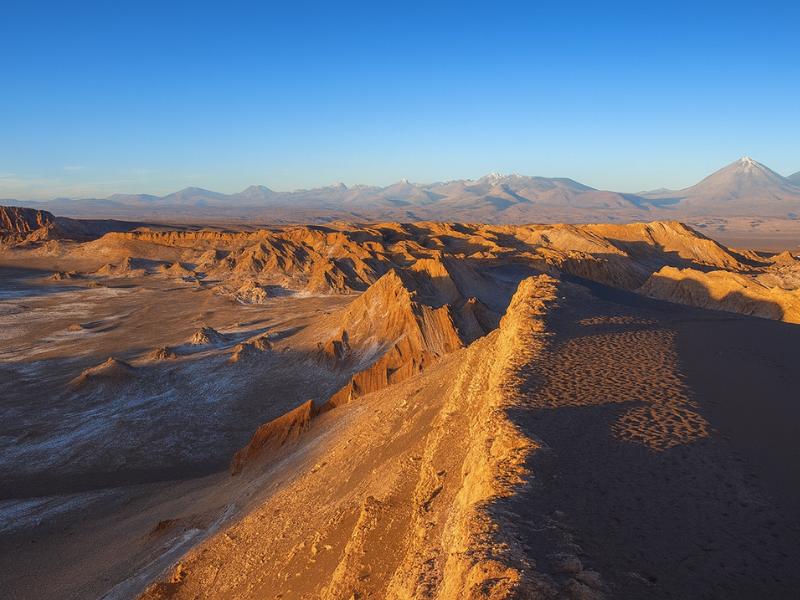
Valley Of The Moon
Make room for a desert landscape outing without committing several days. A guided Moon Valley excursion gives your afternoon a clear destination.
About four hours. Walking is involved; read the participation requirements.
Book on ViatorSee Moon Valley Departures ↗Stargazing From A San Pedro Meeting Point
Meet in town for a guided night-sky outing with telescope use, photographs, blankets and hot drinks. Choose the English stargazing option for an English-led session.
About 2.5 hours. Not for children under 4 or travelers over 80. Sky targets depend on conditions.
Book on GetYourGuideBook My Telescope Evening ↗What order should you do tours in on a three day trip?
Three days is tight, so the sequence is low, high, medium. Day one stays near town, day two goes high once you have had a night to adjust, day three drops back down. Do not attempt Cerro Toco on a three day trip.
The compromise here is real and worth stating. Three days means one high day, and you should place it on day two rather than day one, accepting that two nights of acclimatisation is less than ideal. Most healthy travellers cope. Some do not, which is why the third day is deliberately low, giving you somewhere to fall back to if the high day goes badly.
| Day | Morning | Afternoon or evening | Approximate maximum altitude |
|---|---|---|---|
| 1 | Arrive, rest, walk the village slowly | Valley of the Moon at sunset | About 2,600 m |
| 2 | Highland circuit: Piedras Rojas and the altiplanic lagoons | Return late, early night | Around 4,200 m |
| 3 | Baltinache or Cejar salt lagoons | Stargazing tour if you have the energy | About 2,400 m |
An alternative three day shape swaps the highland circuit for El Tatio on day two. Both work. What does not work is stacking both high days back to back on a trip this short. Our two day Atacama itinerary and three to four day classic itinerary go deeper on the trade-offs.
What about a four day trip?
Four days is the first length that works comfortably. Two low days, one high day, one flexible day. That gives your body three nights before the highest exposure and leaves a spare slot for weather, tiredness or a tour that gets cancelled.
The flexible day is the point. Atacama tours get cancelled for wind, road conditions and snow on the high passes more often than people expect, and a four day trip with every slot filled has no resilience. Leave day four loosely planned and book it locally once you know how you feel and what the weather is doing.
| Day | Plan | Approximate maximum altitude | Why here |
|---|---|---|---|
| 1 | Arrive, village, sunset at Valle de la Luna | About 2,600 m | Zero altitude load on the worst night |
| 2 | Salt lagoons at Baltinache or Cejar, stargazing after dark | About 2,400 m | Full day out, still low |
| 3 | Highland circuit, or Puritama then the circuit on day 4 | Around 4,200 m | Three nights of adjustment behind you |
| 4 | El Tatio geysers, or a spare day for weather | About 4,300 m | Second high day, or a buffer |
Four days is also the point at which the multi-day packages start to make sense on price and logistics. The four day multi-day experience, listed at $540, bundles Moon Valley, stargazing, Rainbow Valley, Laguna Cejar, the highland lagoons and El Tatio, and it is already sequenced low to high.
What does an ideal five day sequence look like?
Five days is where the Atacama opens up properly, because it is the shortest trip that can include a Cerro Toco attempt with honest preparation. Two low days, a mid day, a high day, then the summit, with the option to swap the summit for a rest day if you are not feeling right.
The structure below is the one we would follow ourselves. Notice that the summit sits at the end, that there is a genuine step-up day at 3,500 metres before anything above 4,000, and that the high circuit day comes before the climb rather than after. Every one of those choices is deliberate.
| Day | Plan | Approximate maximum altitude | Purpose in the sequence |
|---|---|---|---|
| 1 | Arrive, walk the village, Valley of the Moon at sunset | About 2,600 m | Nothing at stake on the worst night's sleep |
| 2 | Baltinache or Cejar lagoons, stargazing after dark | About 2,400 m | Long day outdoors, no altitude load |
| 3 | Puritama hot springs, or the canyoning adventure if you want exertion | About 3,500 m | First real step up, short and easy |
| 4 | Highland circuit with Piedras Rojas and the lagoons | Around 4,200 m | Sustained hours above 4,000 m, a real test |
| 5 | Cerro Toco climb, or El Tatio if day 4 was hard | 5,604 m | The summit only if the previous days went well |
If you have six days, insert a rest day between the circuit and the climb. That single addition raises your chance of a good summit day more than any amount of training would. Our five days in the Atacama guide and how many days to spend guide cover the wider planning questions.
Which symptoms mean rest, and which mean skip the tour?
A mild headache that improves with water, food and rest means take it easy. A headache that worsens, nausea, vomiting, breathlessness at rest, dizziness or any change in coordination or thinking means skip the high tour and stay low. Symptoms that appear at 2,400 metres are a warning about 4,300.
The single most useful rule is directional. Symptoms that ease as the hours pass are your body adjusting. Symptoms that build are your body telling you it has not adjusted yet, and adding 2,000 metres the next morning will make that worse, not better.
Never treat sleeping tablets or strong painkillers as a way to push through. Sedatives suppress the breathing drive that acclimatisation depends on, which is exactly the wrong intervention. Simple painkillers for a mild headache are widely used and reasonable, but they should not be used to mask a symptom pattern that is getting worse.
| Symptom | At 2,400 m in town | On a 4,300 m tour | Action |
|---|---|---|---|
| Broken sleep on night one | Very common | Not applicable | Normal, hydrate, no action |
| Mild headache easing with water | Common | Common | Rest, drink, continue with caution |
| Headache worsening through the day | Warning sign | Stop ascending | Skip the next high tour |
| Loss of appetite | Common | Common | Eat lightly anyway, watch for other symptoms |
| Nausea or vomiting | Take seriously | Descend | Do not go higher the next day |
| Breathlessness at rest that does not settle | Get advice | Descend immediately | Seek medical help |
| Dizziness, unsteadiness, stumbling | Get advice | Descend immediately | Seek medical help |
| Confusion or unusual behaviour | Emergency | Emergency | Descend, seek medical help at once |
| Persistent cough with breathlessness | Get advice | Descend immediately | Seek medical help |
Tour operators here deal with altitude every single day and would far rather you tell them early. Our San Pedro safety guide covers what medical facilities actually exist in town and what the realistic response looks like.
How much water should you drink, and what about alcohol?
Drink considerably more than you would at home, aiming for pale urine rather than a fixed number of litres. The air here is among the driest on earth, and you lose water through breathing faster than you notice. Alcohol on the first two nights is the single easiest mistake to avoid.
Dehydration does not cause altitude sickness, despite what you will hear in every hostel common room, but it produces headaches and fatigue that look exactly like it and stack on top of it. In a desert where the humidity is often in single digits and you are breathing harder than usual, fluid loss through respiration alone is substantial before you count sweat.
Alcohol makes three things worse at once. It dehydrates, it disrupts sleep quality on nights when your sleep is already fragmented, and it suppresses the breathing drive during sleep, which is precisely when your body is doing its acclimatisation work. A pisco sour on the sunset tour is fine on day three. A heavy night on day one, before a 4am geyser pickup, is a plan for a wasted tour.
| Day | Fluids | Alcohol | Food |
|---|---|---|---|
| Arrival day | Drink steadily from landing, more than feels necessary | None | Light, avoid a heavy late dinner |
| Day 2 | Keep it up, carry a bottle on every tour | None or one drink | Normal, favour carbohydrates |
| Day 3 onward | Steady, at least a bottle per tour | Moderate, not the night before a high day | Normal |
| Night before any high tour | Extra water with dinner | None | Eat properly, you will not want breakfast at 4am |
| During a high tour | Sip constantly, do not wait for thirst | None until you descend | Snack even without appetite |
| After a high tour | Rehydrate through the evening | Light if you feel fine | Normal |
Who is at higher risk at altitude?
Anyone with heart or lung disease, uncontrolled high blood pressure, sickle cell disease, severe anaemia, a recent stroke or a previous episode of significant altitude illness. Pregnancy warrants medical advice before booking anything above 3,000 metres. Fitness and youth are not protective.
That last point surprises people every time. Marathon runners get altitude sickness. Sedentary sixty-year-olds sometimes sail through. Individual susceptibility is largely genetic and not something you can train, and the strongest predictor of how you will react is how you have reacted at altitude before.
Fitness does help in one narrow way: a fit person doing the same walk at 4,300 metres works at a lower percentage of their maximum, so they feel more comfortable. That is not the same as being protected from acute mountain sickness, and confusing the two is how fit travellers push too hard on day one.
| Group | Risk level | Practical guidance |
|---|---|---|
| Previous altitude sickness | Highest predictor | Plan a slower ladder, consider skipping 4,000 m plus days |
| Heart or lung disease | High | Medical advice about specific altitudes before booking |
| Uncontrolled high blood pressure | High | Medical advice, monitor at altitude |
| Sickle cell disease or severe anaemia | High | Medical advice, high tours generally inadvisable |
| Pregnancy | Needs advice | Speak to a doctor before booking anything above 3,000 m |
| Young children | Moderate, hard to assess | They cannot describe symptoms well, keep tours low and short |
| Older travellers in good health | Comparable to younger adults | Sequence carefully, allow more recovery time |
| Very fit adults | Not protected | Resist the urge to book high tours early |
| Arriving from Uyuni or the Bolivian altiplano | Lower | Often already acclimatised above 3,600 m, you can go high sooner |
That final row matters more than most guides admit. Travellers arriving overland from Bolivia have usually been sleeping above 3,600 metres for several nights and can reasonably compress the ladder. Travellers flying in from Santiago or Lima cannot.
Choose A Date For Your Outing
Valley Of The Moon
Select your date and party on Viator for the current price and departure options.
See Moon Valley Departures ↗Do coca tea, medication or oxygen actually help?
Coca tea is a local staple and many visitors find it settles a mild headache, though it is not a substitute for acclimatisation. Prescription medication exists and works, but that is a conversation with your own doctor before you travel. Bottled oxygen at a viewpoint gives short-lived relief, not a fix.
Coca leaf tea is offered in most San Pedro hotels and on many tours, and it is entirely normal to drink it here. It is mild, it is warm, and drinking a hot fluid at altitude helps with hydration regardless of any other effect. Be aware that coca can show up on some drug tests, which occasionally matters for travellers with employment testing.
Medication used for altitude illness prevention is a genuine and well established option, particularly for people with a history of problems or a compressed itinerary. It has side effects and is not appropriate for everyone, so the correct route is a pre-travel consultation with a doctor who knows your history, not advice from a tour page or a hostel notice board.
What actually works, reliably and for free, is the sequence in this guide: arrive, stay low for a day or two, step up gradually, drink water, skip alcohol early, and put your highest day last.
| Approach | Does it help | Notes |
|---|---|---|
| Gradual low-to-high tour order | Yes, the most effective thing you control | Free, and the whole point of this guide |
| Hydration | Yes, indirectly | Prevents symptoms that mimic altitude sickness |
| Avoiding alcohol early | Yes | Protects sleep and breathing drive |
| Coca tea | Many find it helps mildly | Local custom, not a replacement for acclimatisation |
| Prescription medication | Yes, for suitable people | Ask your own doctor before travelling |
| Bottled oxygen at viewpoints | Brief relief only | Does not acclimatise you |
| Sleeping tablets | No, can make things worse | Suppress the breathing drive at night |
| Being very fit | Helps comfort, not susceptibility | Do not use fitness as a reason to skip the ladder |
What if you feel bad on the morning of a high tour?
Do not go. A day of altitude symptoms at 4,300 metres will cost you the tour you paid for and probably the following day as well. Swap to a low tour, drink water, walk gently around town, and reschedule the high day if your trip has room.
This is where sequencing pays off a second time. If your high tours sit at the end of your trip, a bad morning means shuffling the order rather than losing anything. If you front-loaded the high days, a bad morning means a straight loss. Many operators will move a booking given reasonable notice, so ask rather than writing the day off.
There is plenty to do at town altitude that does not feel like a consolation prize. The Baltinache hidden lagoons, listed at $60 for about four hours and rated 4.9 across 6,789 or more bookings, sits at roughly the same height as San Pedro. So does floating at Laguna Cejar, and so does an evening at Valle de la Luna.
| If you planned | And you feel rough | Swap to | Altitude |
|---|---|---|---|
| El Tatio geysers | Headache, poor sleep | Baltinache lagoons | About 2,300 m |
| Highland circuit | Nausea or heavy head | Valle de la Luna at sunset | About 2,600 m |
| Cerro Toco climb | Anything more than mild | Puritama hot springs, or a rest day | About 3,500 m or 2,400 m |
| Puritama hot springs | Mild symptoms only | Usually fine to go, move slowly | About 3,500 m |
| Any tour | Vomiting, dizziness, confusion | Nothing, seek medical advice | Stay at 2,400 m |
How do you build in a rest day without wasting it?
A rest day at altitude is not a day in bed. Gentle activity at town level, meaning walking, eating, a hot spring soak or an evening stargazing tour, does the acclimatisation work while still feeling like a holiday. What you avoid is height and hard exertion, not enjoyment.
San Pedro itself repays a slow day. The adobe streets, the small museums, the market and the churchyard fill a morning easily, and the Pukara de Quitor ruins are a short trip from town at around 2,600 metres, with a climb up to the viewpoint that is a fair self-test of how you are adjusting.
Evening astronomy tours are an ideal rest-day pairing because they run after dark at low altitude and require nothing of you physically. The Roofless stargazing adventure is listed at $45 for about two hours, rated 4.9 across 2,634 or more bookings. More on the astronomy options in our Atacama stargazing guide.
| Rest-day option | Altitude | Effort | Why it works |
|---|---|---|---|
| Walking San Pedro village | About 2,400 m | Very low | Movement without altitude gain |
| Pukara de Quitor | About 2,600 m | Low to moderate on the viewpoint climb | A useful gauge of your adjustment |
| Puritama hot springs | About 3,500 m | Low | A gentle step up, short exposure |
| Salt lagoon float | About 2,300 m | Low | Full day out, zero altitude load |
| Evening stargazing | About 2,400 to 2,600 m | None | After dark, low, no exertion |
| Doing nothing at all | About 2,400 m | None | Perfectly valid the day before a summit |
Put a rest day immediately before your hardest day, not after it. The recovery you want is banked before the effort, not spent cleaning up afterwards.
What is the one-page version of all this?
Sleep at 2,400 metres, climb by day, and put every tour in ascending order of altitude with the highest last. Drink more water than feels sensible, skip alcohol for the first two nights, never book El Tatio for the morning after you land, and only attempt Cerro Toco from day five onward.
Everything else in this guide is detail on those six rules. Travellers who follow them tend to describe the Atacama as one of the easiest high-altitude destinations they have visited, because the town is low enough to recover in every night. Travellers who ignore them tend to describe it as the place they had a headache for four days.
| Rule | Why | Cost of ignoring it |
|---|---|---|
| Nothing above 3,000 m on day one | Your first night's sleep is the worst of the trip | A tour you paid for and barely experienced |
| Step up gradually: 2,400, then 3,500, then 4,300 | Matches the pace of renal compensation | Headaches that compound day on day |
| Highest tour last | Gives you the most acclimatisation before the hardest day | A failed summit attempt at $150 |
| Drink steadily, alcohol later | Dry air and altitude both take fluid | Symptoms that look like altitude sickness |
| Keep one flexible day | Weather and bodies both change plans | No fallback when a tour is cancelled |
| Report symptoms early to your guide | Early descent is easy, late descent is not | A minor problem becoming a serious one |
The lagoons and salt flats these tours visit sit inside Los Flamencos National Reserve, managed by Chile's national forestry corporation, which is why entrance fees appear separately on some listings. Plan the money side with our Atacama costs and budgeting guide, and the timing side with the best time to visit guide.
Make It Part Of Your Trip
Start by reviewing the walking and departure details of this valley outing.
Valley Of The Moon
Make room for a desert landscape outing without committing several days. A guided Moon Valley excursion gives your afternoon a clear destination.
See Moon Valley Departures ↗